Address
304 North Cardinal
St. Dorchester Center, MA 02124
Work Hours
Monday to Friday: 7AM - 7PM
Weekend: 10AM - 5PM
Address
304 North Cardinal
St. Dorchester Center, MA 02124
Work Hours
Monday to Friday: 7AM - 7PM
Weekend: 10AM - 5PM

Mastitis is a common but serious condition that affects the udder of lactating goats. It is characterized by inflammation of the mammary gland and udder tissue, usually caused by bacterial infection. The symptoms are visible: swollen, red, and painful udders,…
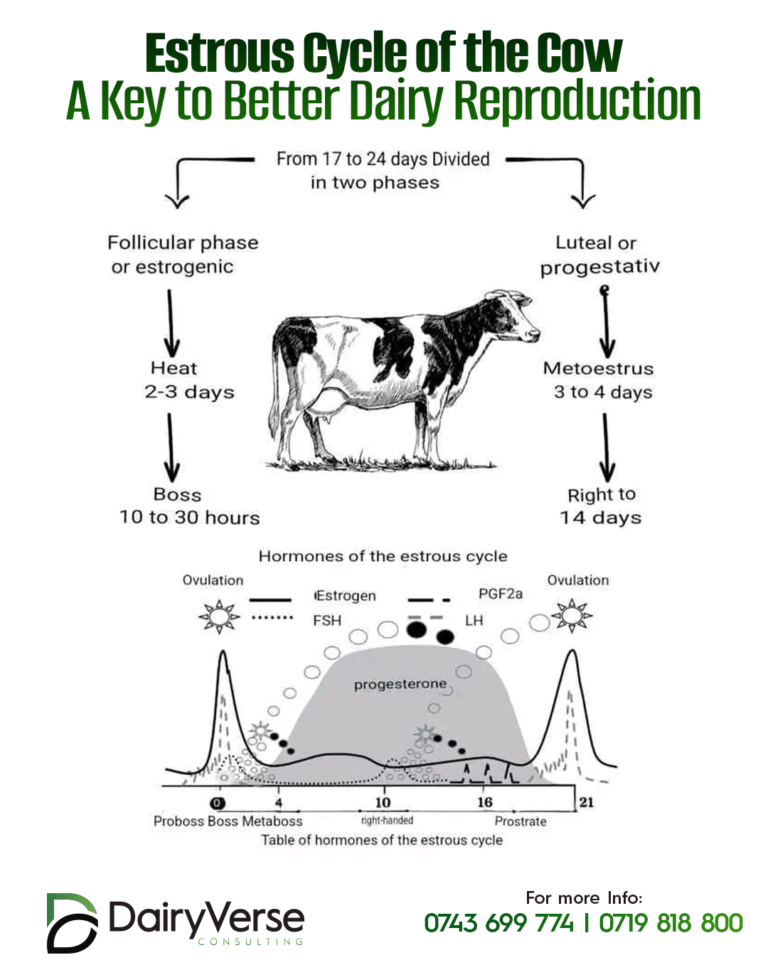
In dairy farming, reproductive efficiency is one of the pillars of productivity and profitability. Understanding the estrous cycle of the cow is crucial for effective breeding, timely insemination, and ultimately, better milk yields. The estrous cycle in cows typically spans…

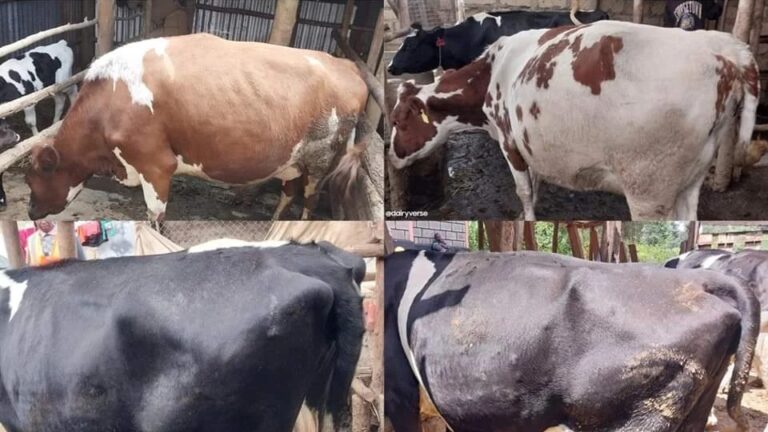
Selecting a productive dairy cow isn’t just about breed, it’s about physique. A cow’s physical structure reveals a lot about her milk-producing potential, health, efficiency, and longevity in the herd. Whether you're a smallholder farmer or a large-scale investor, understanding these visual cues can help you make informed decisions that impact your farm's profitability.
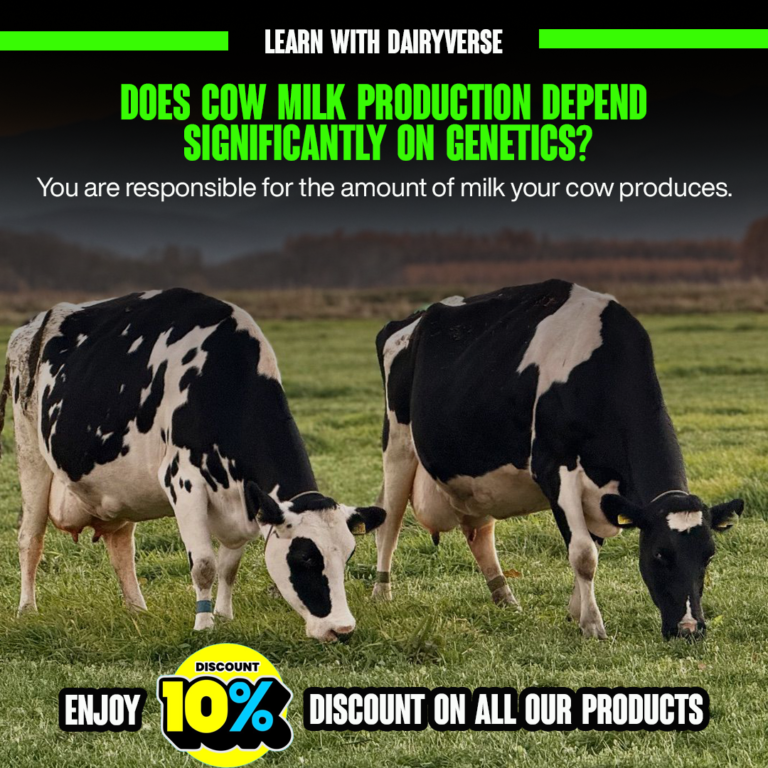
While genetics are important, they’re just one part of the equation in achieving high milk production. A cow’s potential is maximized not only by its genetic makeup but also through proper nutrition, health management, and environmental care. Dairyverse offers a suite of products under the "Restore" category that supports cows through every stage of growth, from calves to lactating adults, to optimize production.
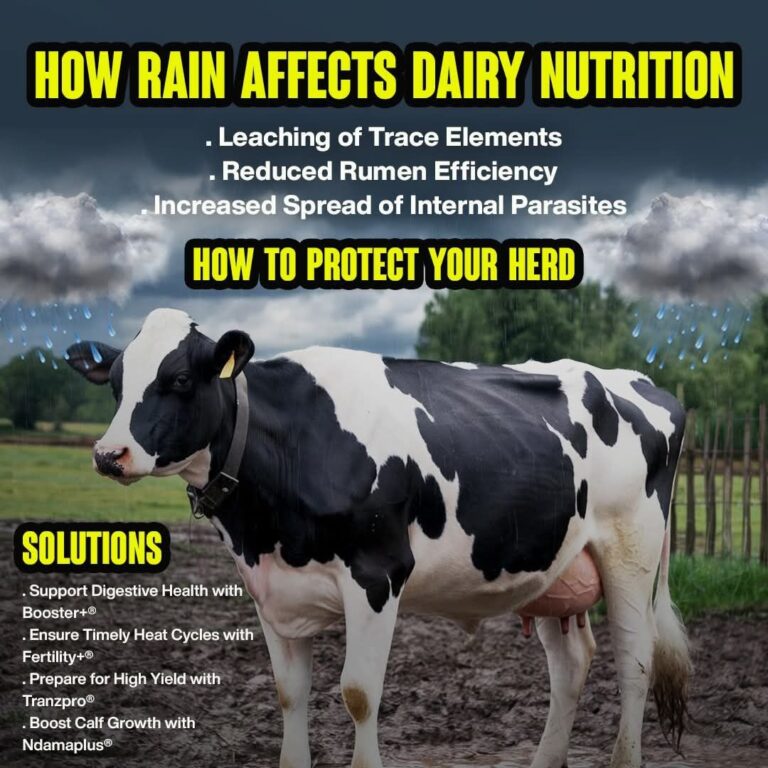
Rainy seasons can significantly impact dairy nutrition, exposing your herd to various challenges that can reduce productivity and overall health. Understanding these effects and taking preventive measures can help you maintain your herd's well-being and productivity.
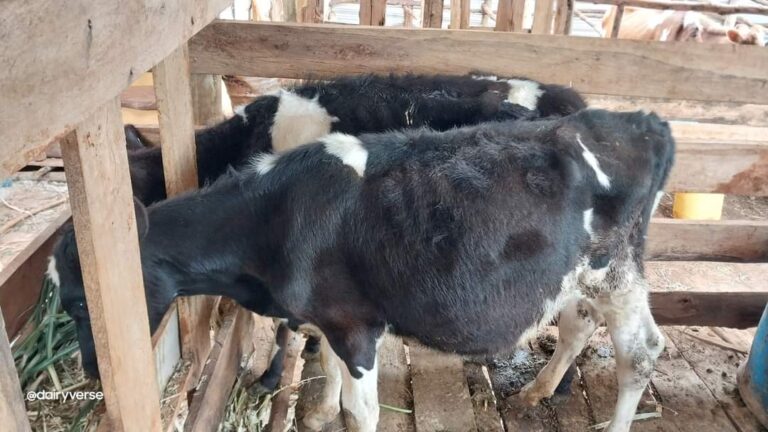
A big stomach (or enlarged abdomen) in calves can be due to various factors, some of which are normal and others that may indicate health issues. Here are some common reasons and their potential effects:
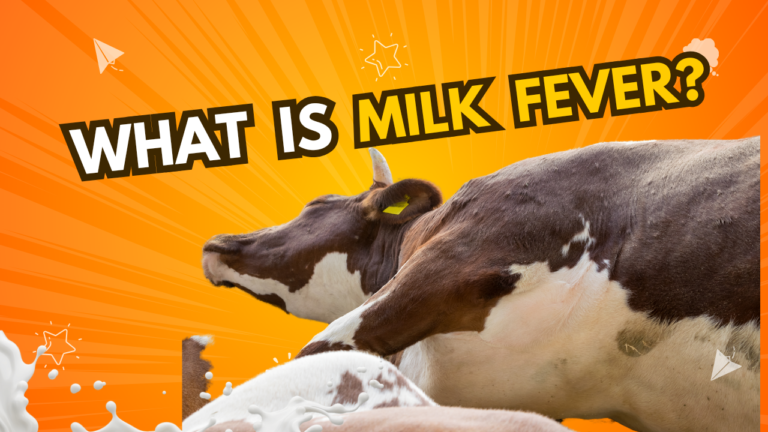
Milk fever and lameness are two significant health issues in dairy cows, especially around the time of calving. Though they may seem similar due to some overlapping symptoms, they have distinct causes and require different treatments. This article will explain these conditions, highlighting their differences, causes, symptoms, and potential solutions.
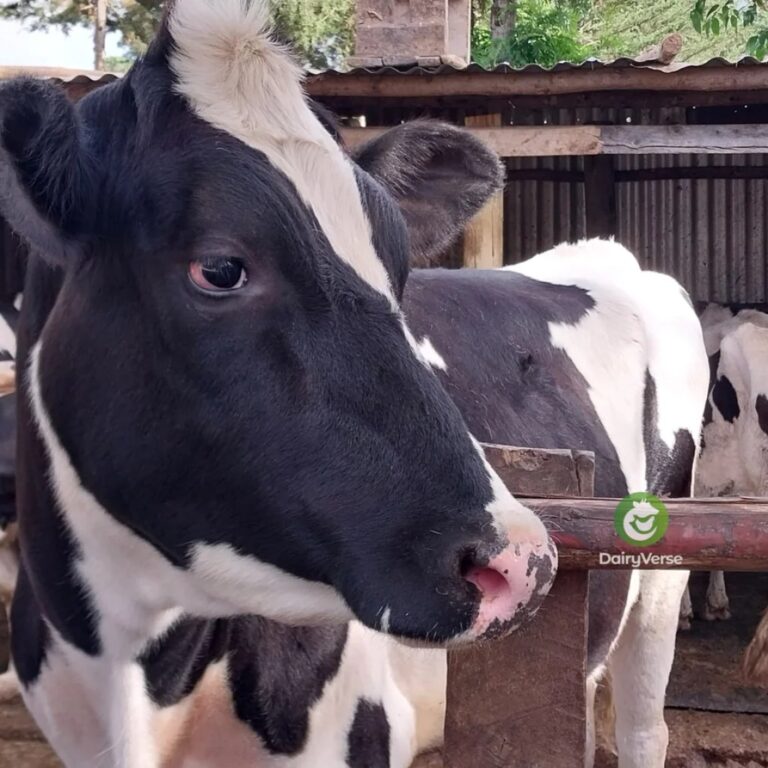
A cow or heifer during the last 8 weeks of pregnancy is referred to as a Dry Cow. Feeding your incalf animal at this stage is critical.
Embraced across Africa by all dairy investors! Don’t be left behind. These are the silver bullets in realization of your cattle’s best growth, production and reproduction potential!
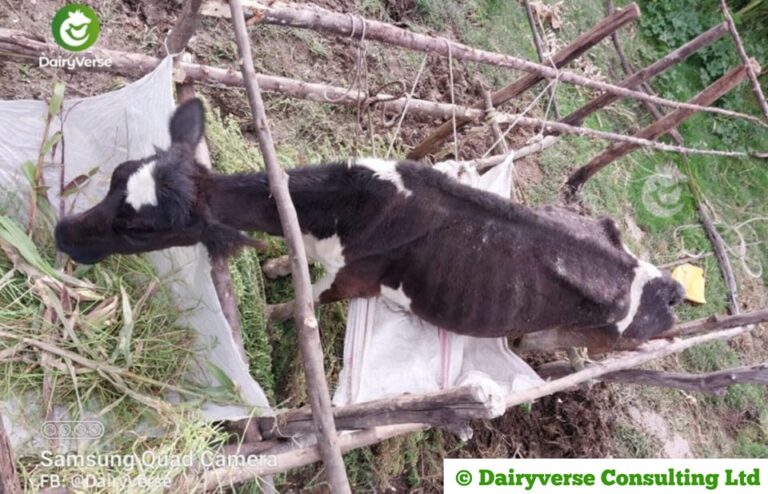
We highly discourage use of high Calcium minerals on heifers and cows at advanced stages of pregnancy. High calcium mineral sources should be limited when the animal is 7 Months incalf.