Address
304 North Cardinal
St. Dorchester Center, MA 02124
Work Hours
Monday to Friday: 7AM - 7PM
Weekend: 10AM - 5PM
Address
304 North Cardinal
St. Dorchester Center, MA 02124
Work Hours
Monday to Friday: 7AM - 7PM
Weekend: 10AM - 5PM

Dairy cows require a balanced and nutrient-rich diet to maintain their health, support reproduction, and maximize milk production.

Maintaining a longer lactation period in dairy cows is key to maximizing milk production while ensuring cow health and farm profitability.
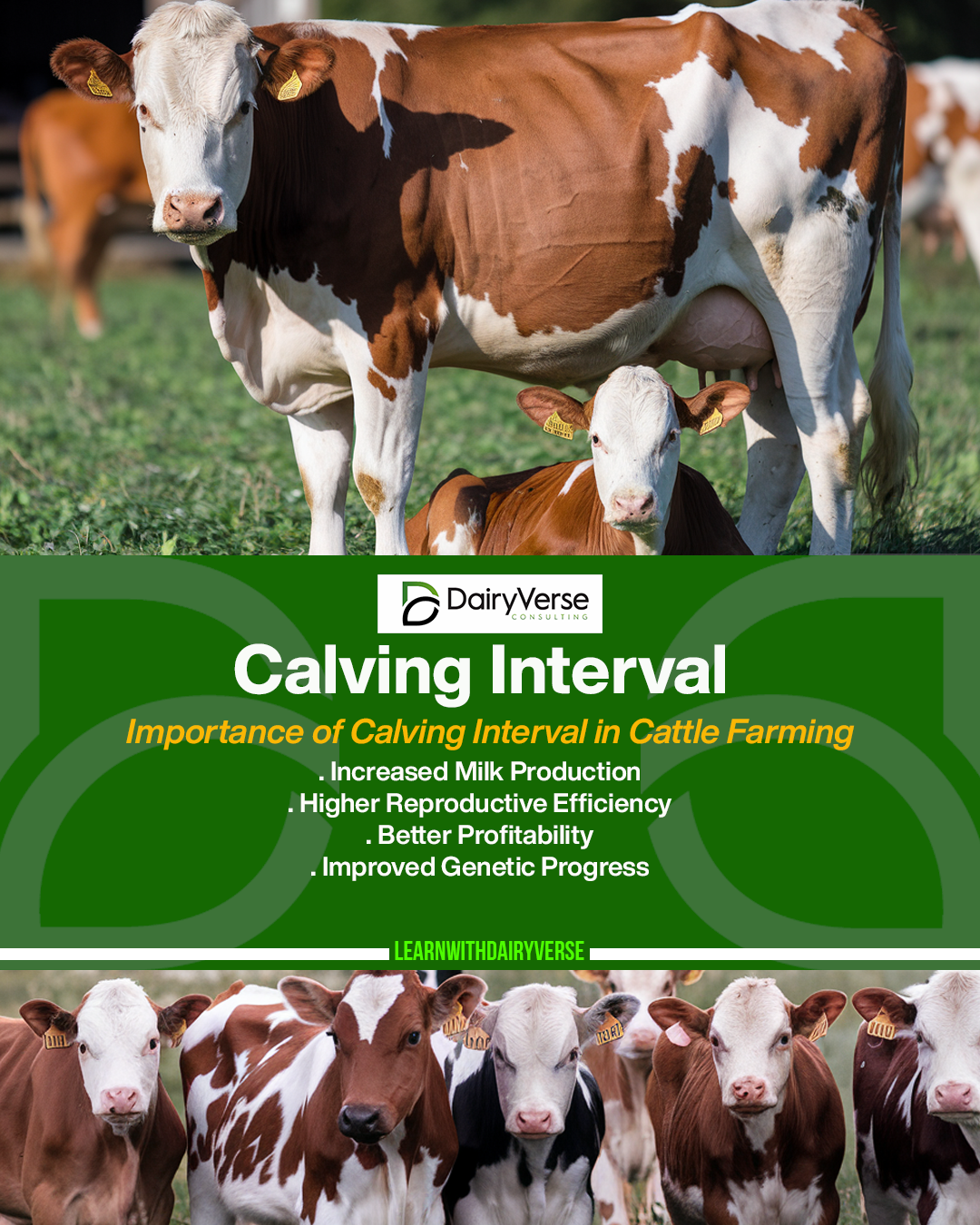
The calving interval is a crucial factor in cattle farming, influencing both productivity and profitability. It refers to the period between the birth of one calf and the subsequent birth of the next calf from the same cow.

Prepartum cows, or cows in the final stage of pregnancy, require a well-balanced diet to ensure a smooth transition into lactation and to prevent metabolic disorders.

stages of pregnancy in cows is crucial for dairy farmers to ensure optimal cow health and productivity.

The health and productivity of dairy cows are essential for a thriving operation. By addressing the key causes of adult cow mortalities, farmers can mitigate losses and improve overall herd performance.

Uterine infections are a significant concern for dairy farmers, as they can adversely impact cow fertility, milk production, and overall herd health. Addressing these infections promptly and effectively is essential to ensure optimal productivity in dairy operations.
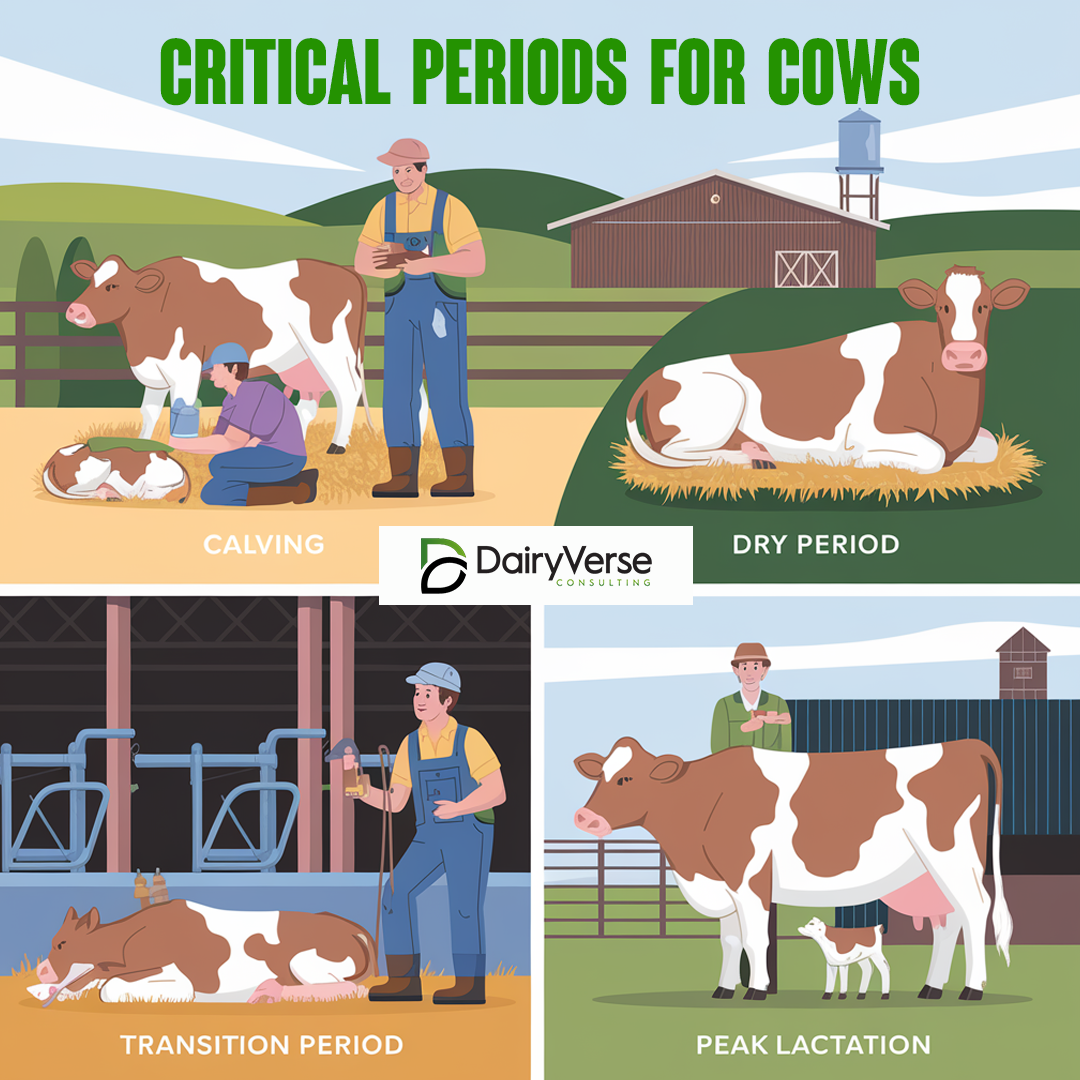
Cows experience several critical periods that require focused care and management to maintain their health and productivity. Proper planning during these stages minimizes risks and maximizes output.
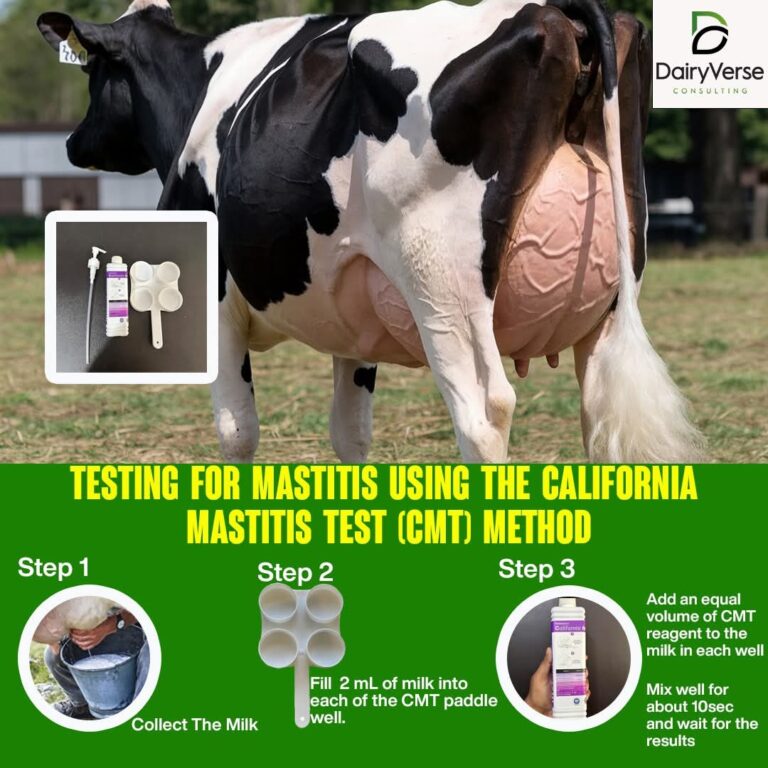
The California Mastitis Test is an invaluable tool for dairy farmers to detect mastitis early and maintain herd health. Regular testing, combined with proper hygiene and management, can significantly reduce mastitis cases, improving milk quality and boosting farm profitability. By integrating the CMT method into your herd management routine, you ensure healthier cows and a more productive dairy operation.
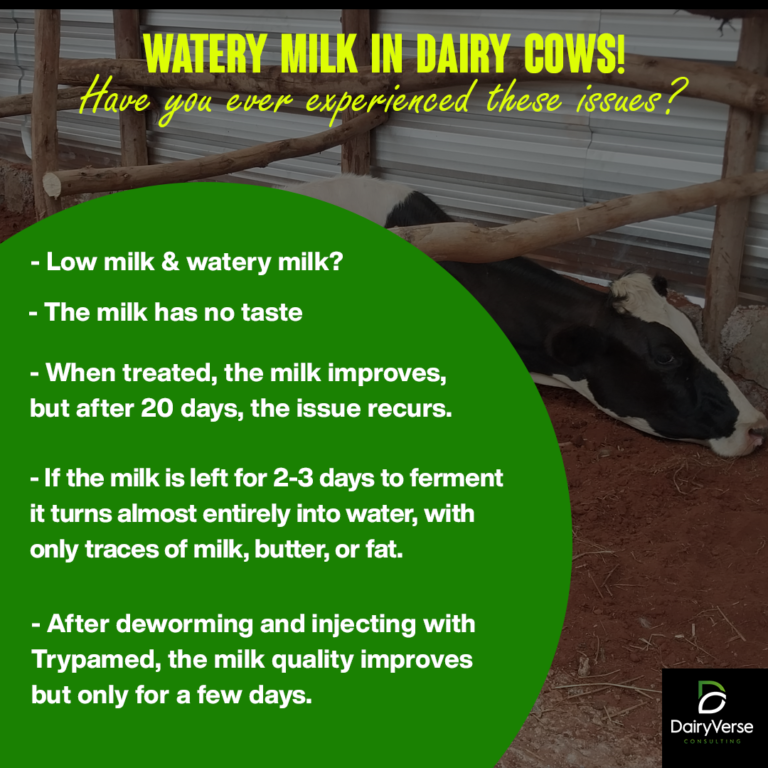
In this article, we’ll explore a specific case where a cow produces watery milk with little to no butterfat. While treatment temporarily improves the situation, the problem reoccurs after about 20 days. Let’s dive into what might be happening and how to address it.