Address
304 North Cardinal
St. Dorchester Center, MA 02124
Work Hours
Monday to Friday: 7AM - 7PM
Weekend: 10AM - 5PM
Address
304 North Cardinal
St. Dorchester Center, MA 02124
Work Hours
Monday to Friday: 7AM - 7PM
Weekend: 10AM - 5PM
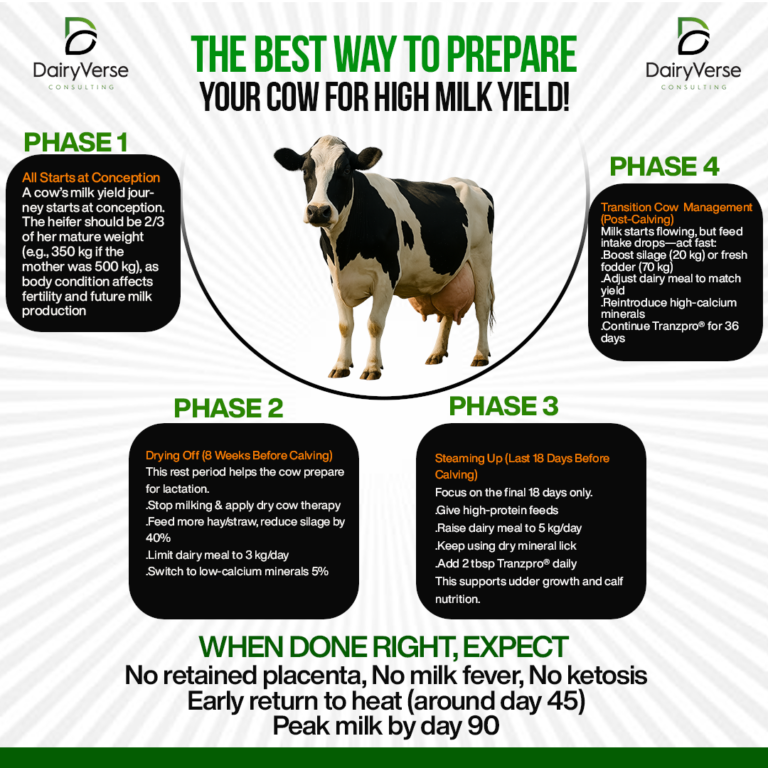
For any dairy farmer, low milk yield is the most dreaded reality. Yet, it’s widespread across Kenya, where the average daily milk yield for top breeds like Friesians and Ayrshires is only 7.8 litres per cow. The big culprit? High feed costs.

Crossbreeding is the mating of two animals from different breeds. The goal is to combine the strengths of each breed, such as better milk yield, disease resistance, meat quality, or adaptability to climate, into a new animal that carries the best traits of all.

Feeding a calf properly from birth lays the foundation for a productive, healthy dairy cow. The right nutrition at every stage ensures high milk yield, early maturity, and reduced health risks such as delayed or silent heat.

Udder edema is a common condition in dairy cows, particularly around the time of calving. It is characterized by abnormal swelling of the udder and lower abdomen due to the accumulation of fluids in the tissues.

In veterinary practice, especially in ruminant health management, recognizing the visual signs of abdominal distension is crucial. Two common conditions that present with abdominal bloating in cattle are Tympany (bloat) and Vagal Indigestion

Mastitis is a common but serious condition that affects the udder of lactating goats. It is characterized by inflammation of the mammary gland and udder tissue, usually caused by bacterial infection. The symptoms are visible: swollen, red, and painful udders,…
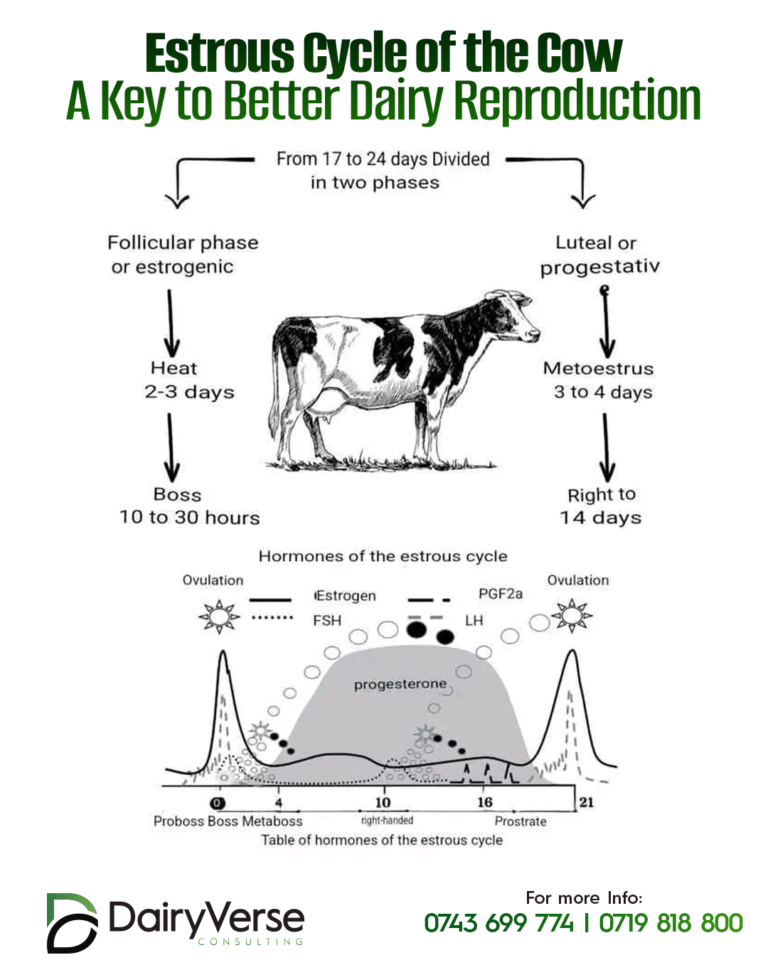
In dairy farming, reproductive efficiency is one of the pillars of productivity and profitability. Understanding the estrous cycle of the cow is crucial for effective breeding, timely insemination, and ultimately, better milk yields. The estrous cycle in cows typically spans…

Selecting a productive dairy cow isn’t just about breed, it’s about physique. A cow’s physical structure reveals a lot about her milk-producing potential, health, efficiency, and longevity in the herd. Whether you're a smallholder farmer or a large-scale investor, understanding these visual cues can help you make informed decisions that impact your farm's profitability.

While genetics are important, they’re just one part of the equation in achieving high milk production. A cow’s potential is maximized not only by its genetic makeup but also through proper nutrition, health management, and environmental care. Dairyverse offers a suite of products under the "Restore" category that supports cows through every stage of growth, from calves to lactating adults, to optimize production.
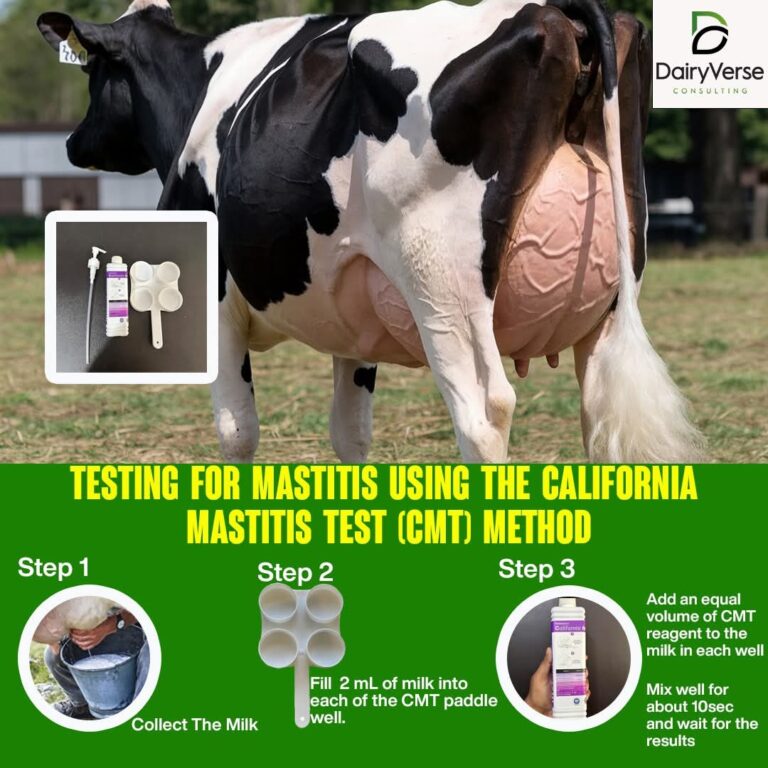
The California Mastitis Test is an invaluable tool for dairy farmers to detect mastitis early and maintain herd health. Regular testing, combined with proper hygiene and management, can significantly reduce mastitis cases, improving milk quality and boosting farm profitability. By integrating the CMT method into your herd management routine, you ensure healthier cows and a more productive dairy operation.