Comparing Brown Swiss and Ayrshire Cows

When it comes to dairy farming, selecting the right breed of cow is crucial. Among the popular choices are the Brown Swiss and Ayrshire breeds, both renowned for their milk production and unique characteristics. Let’s delve into what sets these breeds apart and why farmers might choose one over the other.


Origin and Appearance

Brown Swiss: Originating from Switzerland, Brown Swiss cows are one of the oldest and most resilient dairy breeds. They have a solid light to dark brown coat, with a white muzzle and dark nose. Their large size and strong build make them well-suited for rugged environments.

Ayrshire: Ayrshires hail from Ayrshire in Scotland. They are medium-sized cows known for their striking reddish-brown and white patches. Ayrshires have a more angular frame, emphasizing their efficiency in milk production.


Milk Production

Brown Swiss:

  • Known for producing milk with high protein and butterfat content, Brown Swiss milk is ideal for cheese-making.
  • They have an average milk yield of about 18,000 to 22,000 pounds (approximately 8,165 to 9,979 kg) per lactation cycle.
  • Their milk’s creaminess and quality are highly prized in the dairy industry.

Ayrshire:

  • Ayrshire cows excel in producing high volumes of milk with good quality.
  • Their milk is known for being well-balanced in protein and fat, making it versatile for various dairy products.
  • They average around 15,000 to 17,000 pounds of milk per lactation, depending on management practices.

Temperament and Adaptability

Brown Swiss:

  • Famous for their docile and gentle demeanor, Brown Swiss cows are easy to handle.
  • They thrive in diverse climates, including both hot and cold conditions, thanks to their hardy nature.
  • This breed’s adaptability makes it a preferred choice for farms in challenging environments.

Ayrshire:

  • Ayrshires are known for their active and slightly more spirited temperament compared to Brown Swiss.
  • They adapt well to varied management systems and do particularly well in pasture-based operations.
  • These cows are robust and less prone to hoof problems or diseases.

Feed Efficiency and Maintenance

Brown Swiss:

  • They are efficient converters of feed into milk but require slightly more feed than Ayrshires due to their larger size.
  • Their maintenance cost is offset by their milk’s premium quality and the breed’s longevity.

Ayrshire:

  • Ayrshires are highly efficient grazers, making them cost-effective for pasture-based systems.
  • Their moderate size means lower feed requirements compared to larger breeds like the Brown Swiss.

Longevity and Health

Brown Swiss:

  • These cows are known for their longevity, often producing milk for 10 years or more.
  • They have fewer health issues, particularly related to calving ease and metabolic diseases.

Ayrshire:

  • Ayrshires are hardy cows with fewer health issues and excellent fertility rates.
  • Their resilience ensures consistent performance even in less-than-ideal conditions.

Conclusion

Choosing between Brown Swiss and Ayrshire cows depends on a farmer’s goals and management practices. If you’re seeking a breed with exceptional milk quality and adaptability to extreme conditions, the Brown Swiss is an excellent choice. However, if you prioritize efficiency, versatility, and suitability for pasture-based systems, the Ayrshire shines. Both breeds bring unique strengths to the dairy industry, ensuring high productivity and profitability.


Selecting the Best Dairy Cow Breeds

When choosing the best dairy cow breed, it’s important to focus on factors like milk production, adaptability to your climate, feed efficiency, and the purpose of your dairy farm. Here’s a comprehensive guide to selecting the right breed for your needs.


Factors to Consider in Choosing a Dairy Cow Breed

  1. Milk Production Needs

    • Some breeds are known for high milk yield, while others excel in quality, such as butterfat and protein content. Choose a breed based on the specific product you aim to produce (e.g., fluid milk, cheese, or yogurt).

  2. Adaptability to Climate

    • Consider your local weather conditions. Some breeds thrive in tropical climates, while others are better suited for cooler regions.

  3. Feed Efficiency

    • Efficient feed-to-milk conversion reduces costs and increases productivity, especially important for small-scale operations.

  4. Calving Ease and Fertility

    • Breeds with good calving ease and higher fertility rates ensure consistent herd growth and less stress on the animals.

  5. Longevity and Disease Resistance

    • Healthier breeds with longer productive lifespans reduce replacement costs and ensure consistent milk production.


Top Dairy Cow Breeds

1. Holstein Friesian

  • Milk Yield: Highest among dairy breeds (up to 9,000 liters/year on average).
  • Milk Quality: Moderate butterfat (3.5%) and protein levels.
  • Adaptability: Best suited for intensive dairy farming systems.
  • Notable Traits: High productivity but may require more feed and management.

2. Jersey

  • Milk Yield: Lower yield (4,500–6,000 liters/year) but high-quality milk.
  • Milk Quality: High butterfat (4.5–5%) and protein content, ideal for cheese and butter.
  • Adaptability: Thrives in both tropical and temperate climates.
  • Notable Traits: Small in size, efficient feed converters, and known for a gentle temperament.

3. Guernsey

  • Milk Yield: Moderate (4,500–6,000 liters/year).
  • Milk Quality: Golden-colored milk with high beta-carotene, butterfat, and protein.
  • Adaptability: Performs well in warmer climates.
  • Notable Traits: Friendly disposition and lower feed requirements compared to larger breeds.

4. Ayrshire

  • Milk Yield: Moderate to high (5,500–8,000 liters/year).
  • Milk Quality: Balanced butterfat and protein levels (4% and 3.5%, respectively).
  • Adaptability: Hardy breed that adapts well to various climates and grazing systems.
  • Notable Traits: Longevity and strong udders, ideal for pastured systems.

5. Brown Swiss

  • Milk Yield: High (6,000–9,000 liters/year).
  • Milk Quality: Rich in protein, ideal for cheese production.
  • Adaptability: Thrives in cool climates but can adapt to warmer areas.
  • Notable Traits: Strong hooves and disease resistance, making them durable for mixed terrain.

6. Sahiwal

  • Milk Yield: Moderate (2,500–3,000 liters/year).
  • Milk Quality: High butterfat content, suitable for traditional dairy products.
  • Adaptability: Extremely hardy and ideal for tropical climates.
  • Notable Traits: Disease resistance and ability to produce on low-quality forage.

7. Gir

  • Milk Yield: Moderate (up to 3,000 liters/year).
  • Milk Quality: High butterfat, making it ideal for ghee and butter.
  • Adaptability: Thrives in hot and humid climates.
  • Notable Traits: Strong disease resistance and high fertility rates.

Breed Selection Based on Dairy Farm Goals

  • High Milk Production: Holstein Friesian, Brown Swiss
  • High Butterfat Content: Jersey, Guernsey, Sahiwal
  • Adaptability to Tropical Climates: Sahiwal, Gir, Jersey
  • Hardy and Low-Maintenance Breeds: Ayrshire, Brown Swiss
  • Premium Cheese and Butter Production: Jersey, Guernsey, Brown Swiss

Conclusion

Selecting the best dairy cow breed is a critical decision for your farm’s success. Evaluate your production goals, climate, and budget before choosing. Whether you prioritize milk yield, quality, or adaptability, understanding the unique traits of each breed will ensure a profitable and sustainable dairy farming operation.


Days in Milk in Dairy Cows

Understanding Dairy Production Cycles

For dairy farmers aiming for optimal milk production, managing the days in milk (DIM) is crucial. DIM refers to the period after calving during which a cow produces milk. The target for an all-year-round calving herd is to maintain an average of 180 days in milk.

Why is 180 Days Ideal?

Milk yield naturally declines as cows progress through their lactation cycles, with an average decline of 10% per month. Beyond the ideal DIM, productivity decreases significantly. For instance:

  • A cow that typically produces 30 liters/day during peak lactation could see a loss of up to 3 liters/day if it reaches 210 days in milk.

This decline emphasizes the importance of closely monitoring calving intervals and herd fertility.


Maximizing Efficiency with Booster+®

To maintain consistent production and combat challenges associated with extended DIM, Booster+® is a valuable product designed to enhance the metabolism of dairy cows.

Key Features of Booster+®

  1. Metabolism Enhancement:

    • Booster+® improves metabolic processes in dairy cows, promoting overall health and productivity.

  2. High Protein and Energy Content:

    • This supplement is rich in protein and energy, essential for milk yield and overall well-being.

  3. Benefits of Booster+®:

    • Increased Milk Yield: Helps cows achieve higher milk production, particularly those lagging in yield.
    • Recovery Support: Aids in the swift recovery of previously ill cows.
    • Heat Onset Enhancement: Counters delayed heat onset in milking cows.
    • Body Condition Improvement: Contributes to better body condition and combats stunted growth.


Additional Tips for Dairy Herd Management

To optimize milk production and minimize losses:

  • Shorten Calving Intervals: Maintain calving intervals of around 12-13 months to avoid prolonged periods of declining yield.
  • Optimize Nutrition: Provide balanced diets tailored to the specific lactation phases.
  • Monitor Herd Health: Keep an eye on stress levels, diseases, and udder health to sustain productivity.

By combining proper herd management strategies with supplements like Booster+®, farmers can significantly improve milk yields and overall herd health, ensuring profitability and sustainability.


Critical Periods for Cows: Ensuring Health and Productivity

Cows experience several critical periods that require focused care and management to maintain their health and productivity. Proper planning during these stages minimizes risks and maximizes output.


1. Postpartum Period

Challenges:

  • Milk fever
  • Uterine inflammation or retained placenta
  • Low calcium and energy (ketosis)

Management:

  • Ensure proper nutrition before and after calving.
  • Administer calcium and energy supplements.
  • Regularly monitor udder and uterine health to detect issues early.

2. Dry Period

Challenges:

  • Cows need adequate rest to rejuvenate udder tissues.
  • Preparation for the next lactation cycle.

Management:

  • Divide the period into two stages:

    • Far-off Dry Period: Lasting 40–60 days with low-energy feed to prevent obesity.
    • Close-up Dry Period: Focus on balanced nutrition to prepare for calving.


3. Transition Period

Duration:
From three weeks before calving to three weeks after.

Challenges:

  • Significant shifts in nutritional demands.
  • Risks of ketosis and digestive disorders.

Management:

  • Provide transitional feed to ease the cow into dietary changes.
  • Supplement with minerals and vitamins to support energy balance and immunity.
  • Administer Tranzpro® starting 18 days before calving and continue for 36 days after calving to:

    • Enhance udder health for optimal milk production in pregnant heifers.
    • Reduce the risk of retained afterbirth, improving overall well-being.
    • Boost appetite during early lactation, ensuring proper nutrition.
    • Accelerate peak milk production, benefiting both the cow and the operation.
    • Support recovery in cows post-calving with targeted nutritional aid.


4. Breeding and Early Pregnancy

Challenges:

  • Maintaining an ideal body condition score (BCS).
  • Enhancing fertility.

Management:

  • Closely monitor the estrus cycle for optimal breeding timing.
  • Provide a balanced diet rich in nutrients essential for reproductive health.

5. Peak Lactation

Challenges:

  • Elevated energy and protein requirements.
  • Risk of weight loss due to high milk production.

Management:

  • Offer energy-dense and protein-rich feed.
  • Regularly assess the cow’s body condition to prevent overproduction-related stress.

The Importance of Effective Management in Critical Periods

  1. Risk Mitigation: Proper care reduces health issues, ensuring the cow’s longevity and productivity.
  2. Enhanced Productivity: Optimized feeding programs and the use of technologies like Precision Nutrition improve performance.

By following these guidelines and incorporating Tranzpro®, dairy farmers can ensure healthy, productive cows and a thriving operation.


Can a cow develop food poisoning?

A cow can’t develop food poisoning. Only toxicological poisoning from chemicals like glyphosate, Nitrites from potato fruits, Datura, among others.
Cows cannot develop food poisoning in the same way that humans do. Food poisoning in humans is typically caused by consuming food contaminated with bacteria, viruses, or toxins. However, cows have a complex digestive system that is adapted to process a variety of plant-based materials, including potentially harmful substances.

What is Food Poisoning?
Food poisoning, or foodborne illness, occurs when harmful bacteria, viruses, or parasites are ingested through contaminated food or water. Symptoms of food poisoning can include nausea, vomiting, diarrhea, abdominal cramps, and fever. In severe cases, food poisoning can lead to dehydration and even death.

How Cows Digest Food
Cows are ruminants, which means they have a four-chambered stomach that allows them to digest tough plant material. The first two chambers, the rumen and reticulum, contain a complex ecosystem of bacteria that break down cellulose, the main component of plant cell walls. This process releases nutrients that the cow can absorb.

Cows’ Digestive System Protects Them from Food Poisoning
The acidic environment of the rumen and reticulum can kill many harmful bacteria that would cause food poisoning in humans. Additionally, the long digestive process allows time for any toxins present in the food to be neutralized or diluted.
However, Cows Can Get Sick from Toxic Substances
While cows are well-adapted to handle a variety of plant-based foods, they can still become ill from ingesting toxic substances. These substances can include:
Chemicals: Pesticides, herbicides, and other chemicals can be toxic to cows if ingested in large quantities.
Plants: Certain plants, such as nightshade and oleander, are poisonous to cows.
Moldy Feed: Moldy hay or silage can produce mycotoxins, which can cause illness in cows.

In conclusion, cows cannot develop food poisoning in the same way that humans do. Their complex digestive system and the presence of beneficial bacteria protect them from many harmful bacteria and toxins. However, cows can still become ill from ingesting toxic substances, such as chemicals, poisonous plants, and moldy feed.


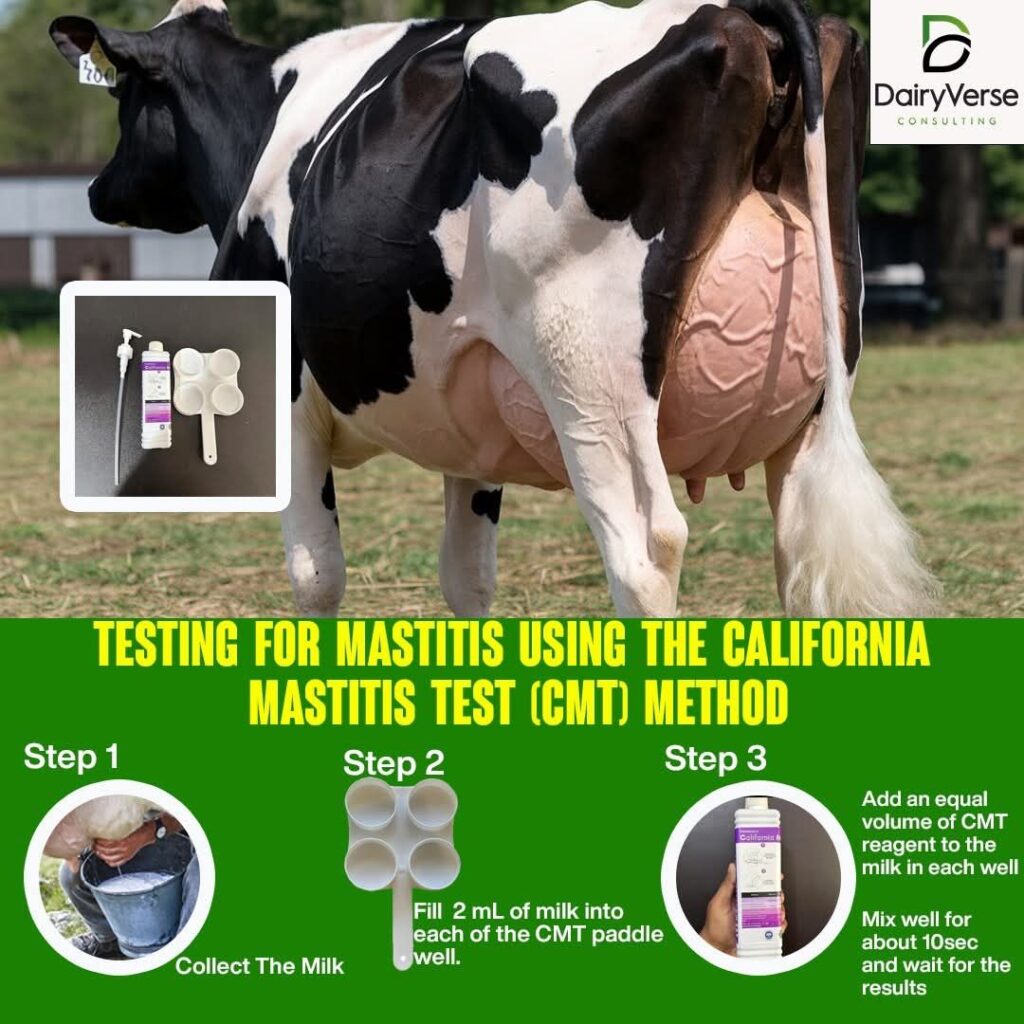
How To Test For Mastitis Using CMT Method (California Mastitis Test)

Mastitis is a common yet costly issue for dairy farmers, characterized by the inflammation of the udder, often caused by bacterial infections. Detecting mastitis early is crucial to maintain milk quality, protect animal health, and prevent economic losses. One of the most effective and simple methods for detecting subclinical mastitis is the California Mastitis Test (CMT).

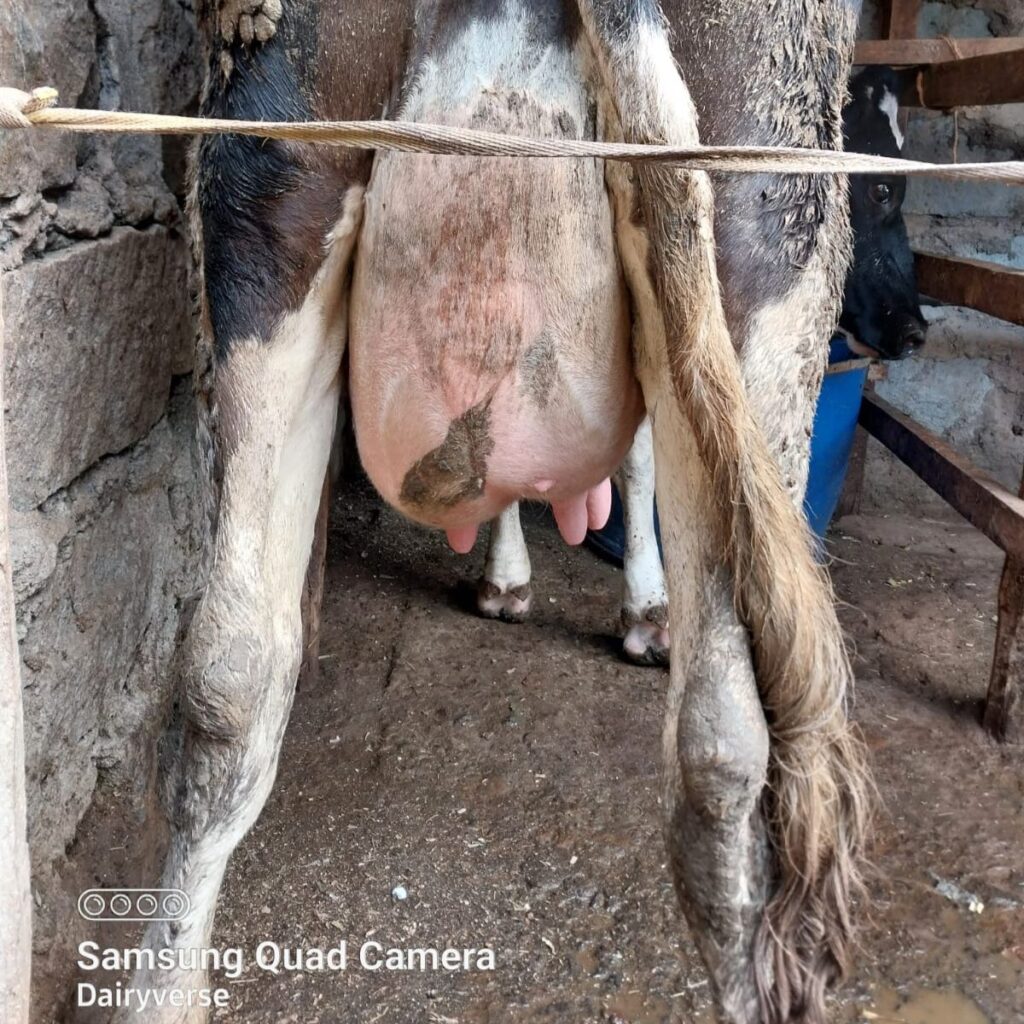
File: Mastitis case

What is the California Mastitis Test?
The CMT is a cow-side test that identifies the presence of somatic cells in milk, which increase in response to infection in the udder. The test is widely used because it is quick, affordable, and easy to perform without specialized equipment.

Why Test for Mastitis?
Early Detection: Identifies subclinical mastitis (no visible symptoms), which can progress to clinical mastitis if untreated.
Milk Quality Control: Prevents contaminated milk from entering the food supply.
Cost Reduction: Reduces treatment costs and prevents losses from discarded milk or decreased production.
Improved Herd Health: Enables targeted treatment and management of affected cows.

How to Perform the CMT
The test requires a CMT paddle (a four-well plastic paddle), CMT reagent, and milk samples from each quarter of the udder.

Collect the Milk Samples
Clean the teats thoroughly with a sanitizing solution and dry with a clean towel.
Discard the first few streams of milk to remove contaminants from the teat canal.
Express about 2 mL of milk from each quarter into the corresponding well of the CMT paddle.

Add the CMT Reagent
Add an equal volume of CMT reagent to the milk in each well.
Swirl the paddle gently in a circular motion for about 10 seconds to mix the milk and reagent.

Observe the Reaction
Look for changes in the consistency of the mixture.
The presence of somatic cells will cause the milk to form a gel-like substance.

Interpreting the Results
The CMT reaction is graded based on the degree of gel formation:
Negative (-): No reaction; milk remains liquid.
Trace (T): Slight thickening; subclinical mastitis may be present.
Weak Positive (+): Gel formation; infection likely.
Strong Positive (++/+++): Thick gel or clumps; indicates high somatic cell count and likely infection.

Tips for Accurate Testing
Use a clean paddle and fresh reagent for every test.
Test milk at body temperature for consistent results.
Follow up positive tests with laboratory cultures for pathogen identification and treatment planning.

Post-Test Actions
For Positive Results: Consult a veterinarian for treatment recommendations, including antibiotics or alternative therapies. Isolate infected cows to prevent spreading the infection.
For Negative Results: Maintain good milking hygiene and udder health practices to prevent future infections.

The California Mastitis Test is an invaluable tool for dairy farmers to detect mastitis early and maintain herd health. Regular testing, combined with proper hygiene and management, can significantly reduce mastitis cases, improving milk quality and boosting farm profitability. By integrating the CMT method into your herd management routine, you ensure healthier cows and a more productive dairy operation.

Remember: Healthy udders produce healthy milk, so invest in testing for the best outcomes!


How Rain Affects Dairy Nutrition

Rainy seasons can significantly impact dairy nutrition, exposing your herd to various challenges that can reduce productivity and overall health. Understanding these effects and taking preventive measures can help you maintain your herd’s well-being and productivity.

Challenges of Rain on Dairy Nutrition

Leaching of Trace Elements

Heavy rains wash away essential minerals from the soil, leading to deficiencies in trace elements such as zinc, copper, and selenium.

These deficiencies often result in issues like:
– Silent heat in cows.
– Rough, discolored coats.
– Lowered immunity and reproductive challenges.

Reduced Rumen Efficiency
Rain affects the quality of pasture by reducing its fiber content and upsetting the balance of beneficial bacteria and fungi in the rumen. This can lead to:

– Poor digestion and diarrhea.
Reduced protein intake due to improper digestion of low-fiber grass.

Increased Spread of Internal Parasites
Wet conditions create ideal breeding grounds for parasites, increasing the risk of worm infestations that can harm both calves and adult cows.

How to Protect Your Herd During the Rainy Season

Support Digestive Health with Booster+®
Booster+® helps maintain your milking cows’ digestive ability by replenishing essential trace elements, proteins, and energy lost due to poor pasture quality. This ensures:
– Consistent milk production.
– Healthy body condition.
– Improved coat appearance.

Ensure Timely Heat Cycles with Fertility+®
Fertility+® addresses reproductive health issues caused by mineral deficiencies, ensuring cows come on heat on time, thereby supporting efficient breeding programs.

Prepare for High Yield with Tranzpro®
For in-calf cows, Tranzpro® is a powerful supplement to boost energy levels, maintain appetite, and prepare cows for high milk yield post-calving. Administer it 18 days before calving and continue for 36 days post-calving for optimal results.

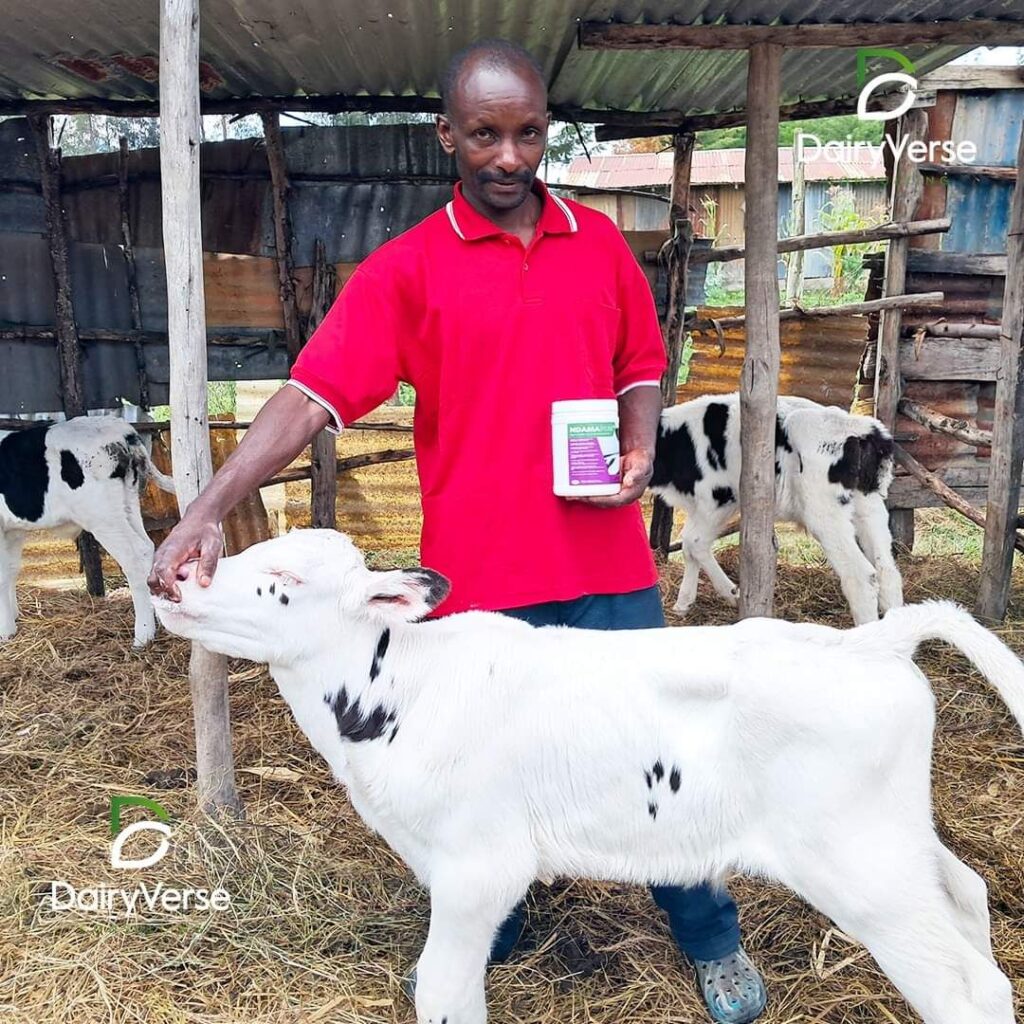
Boost Calf Growth with Ndamaplus®
Ndamaplus® is essential for supporting healthy calf growth during this challenging season. It prevents pot-bellies, encourages fast growth, and ensures strong immunity to keep your young herd thriving.

By implementing these measures, you can protect your herd from the adverse effects of rain and ensure high productivity throughout the season. Dairy farming success begins with proactive care—invest in your cows’ nutrition and health today!

For any questions related to dairy farming, feel free to reach out to our team on Call/WhatsApp:- 0743 699 774.
#Dairyfarmingtips #HealthyCalves #CalfCare #HealthyHerds #dairyinvestors #restoredairycow #ask_dairyverse_experts #colourfulandcenty #highmilkyieldseries #HappyCows #dairyverse #calves #fyp #farming #restoreplus #boosterplus #fertilityplus #ndamaplus #tranzpro


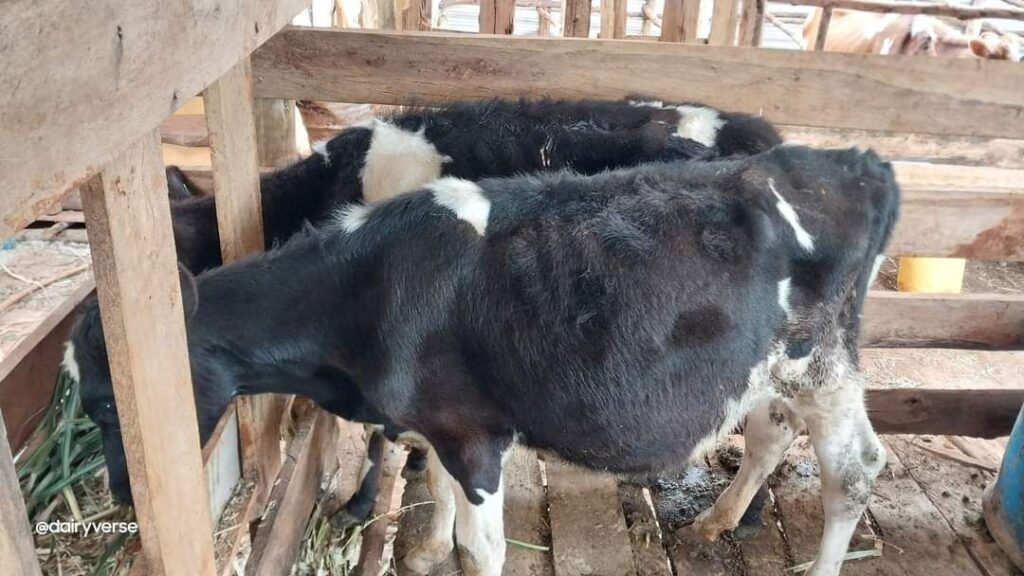
Why do calves develop pot-bellies?

A big stomach (or enlarged abdomen) in calves can be due to various factors, some of which are normal and others that may indicate health issues. Here are some common reasons and their potential effects:

  1. Rumen Development

Reason: When young calves start to consume solid feed (forage and grains) in addition to milk, their rumen (the largest stomach compartment in adult cattle) begins to develop. This often results in a noticeable bulge on the left side of the abdomen as the rumen grows.

Effect: This is a healthy and normal process in dairy calves, necessary for them to transition from a milk-based diet to solid feed. As the rumen matures, calves become more efficient at digesting fibrous plant material, which is crucial for dairy productivity later on.

  1. Bloat

Reason: Bloat occurs when there is an excessive buildup of gas in the rumen. It can be caused by improper feeding, sudden diet changes, or consuming excessive amounts of lush, green forage. Bloat may also result from certain high-protein feeds, which increase gas production during digestion.

Effect: Bloat can be dangerous. It can lead to respiratory issues due to pressure on the lungs and can potentially be fatal if not addressed quickly. Symptoms include a visibly distended abdomen, especially on the left side, discomfort, and restlessness. Immediate veterinary attention is often required to relieve the gas.

  1. Poor-quality Feed or Indigestible Material

Reason: Feeding calves poor-quality forage or indigestible materials can cause an accumulation in the rumen, which may lead to an enlarged abdomen and a condition called “hay belly.”

Effect: This can impair the calf’s nutrient absorption, slow growth, and weaken immune function, as the rumen fills with undigested material rather than high-quality nutrients needed for development. Over time, this may lead to stunted growth and lower milk production in the future.

  1. Parasitic Infection

Reason: Worms and other parasites can infect the digestive tract, causing bloating and a distended abdomen. This is common in calves if they graze on contaminated pastures or are exposed to unsanitary conditions.

Effect: Parasitic infections can lead to malnutrition, poor growth, diarrhea, and a weakened immune system. Regular deworming and sanitation are essential for preventing parasite-related abdominal enlargement.

  1. Fluid Retention (Ascites)

Reason: In rare cases, a big stomach can be due to fluid retention, which may be a symptom of liver or heart problems. This causes an abnormal buildup of fluid in the abdominal cavity.

Effect: Ascites can lead to difficulty breathing, poor growth, and general ill health. This condition requires veterinary diagnosis and treatment, as it can signify underlying health issues.

  1. Overfeeding of Milk or Milk Replacer

Reason: Feeding excessive milk or milk replacer can cause the calf’s stomach to distend. Young calves may drink more than they need, especially if milk is provided in large quantities or at irregular intervals.

Effect: Overfeeding can lead to digestive upset, diarrhea, and increased risk of bloat or other digestive disorders. A consistent feeding schedule with appropriate amounts can help avoid this issue.

For any questions related to dairy farming, feel free to reach out to our team on Call/WhatsApp:- 0743 699 774.


Why Does Milk Curdle? Understanding the Causes and Solutions for Dairy Farmers

Milk curdling, also known as “kuganda” in some regions, is a common issue that affects milk quality and can lead to significant losses for dairy farmers. Curdled milk is often unusable for drinking or processing, which impacts both farmers and consumers. Here, we’ll explore the primary causes of milk curdling, how these factors affect milk quality, and the steps farmers can take to prevent it.

1. Mastitis: Udder Infections that Compromise Milk Quality

Mastitis is an infection of the cow’s udder, which can significantly impact milk quality. This condition increases the somatic cell count (SCC) in milk, mainly consisting of white blood cells, which can cause milk proteins to break down prematurely. As a result, milk from cows with mastitis is more likely to curdle, develop an off-flavor, and have a shorter shelf life.

How to Prevent and Manage Mastitis:

  • Good Hygiene Practices: Clean the udder thoroughly before milking to reduce bacterial contamination.
  • Regular Health Checks: Monitor cows for signs of mastitis, such as swelling, redness, or changes in milk appearance.
  • Prompt Treatment: Treat infections quickly to avoid long-term damage to the udder and minimize the impact on milk quality.

2. Low Protein Levels in Cow Diets

A balanced diet is crucial for maintaining high-quality milk. If a cow’s diet is low in protein, the milk it produces may lack stability, making it prone to curdling. Protein is essential for the structural integrity of milk, and when it’s deficient, milk becomes less resistant to coagulation.

How to Ensure Adequate Protein Intake:

  • Balanced Feed: Provide a diet rich in protein through high-quality forage, grains, and supplements.
  • Monitor Feed Quality: Ensure that the feed is fresh and free from contaminants that might lower its nutritional value.
  • Consult a Nutritionist: Work with a dairy nutritionist to formulate a diet that meets the protein requirements of your herd.

3. Advanced Pregnancy and Hormonal Changes

As a cow enters the later stages of pregnancy, hormonal changes naturally occur to prepare the body for calving. These hormonal shifts can affect milk composition, altering the balance of fats and proteins, which can make the milk more likely to curdle. Milk produced in advanced pregnancy often has a different texture and stability.

Managing Milk from Pregnant Cows:

  • Monitor Production Stages: Be aware of the pregnancy stages of your cows and understand how this might impact milk quality.
  • Selective Use of Milk: Milk from cows in late pregnancy can be used for other purposes or mixed with milk from other cows to minimize curdling risks.

4. Inadequate Cooling and Poor Storage Practices

One of the most common causes of milk curdling is improper cooling and storage. Bacteria multiply rapidly in warm milk, leading to fermentation, which produces lactic acid. This acid buildup causes the milk to curdle. Immediate cooling after milking is essential to maintain milk freshness.

Best Practices for Milk Cooling and Storage:

  • Immediate Cooling: Milk should be cooled to below 4°C (39°F) as soon as possible after milking.
  • Use Proper Storage Containers: Store milk in sanitized, airtight containers to prevent contamination and minimize exposure to air, which promotes spoilage.
  • Monitor Cooling Equipment: Regularly check that cooling systems are functioning properly and maintaining the necessary temperatures.

5. Chemical Residues

Sometimes, residues from antibiotics, cleaning agents, or sanitizers used in the milking process make their way into the milk. These residues can disrupt milk’s natural balance, leading to curdling or affecting its taste and overall quality.

How to Avoid Chemical Residue Contamination:

  • Follow Medication Withdrawal Times: After treating cows with antibiotics or other medications, observe the recommended withdrawal period before milking.
  • Thoroughly Rinse Equipment: After cleaning and sanitizing, make sure all milking equipment is rinsed well to remove any traces of chemicals.
  • Use Approved Cleaning Agents: Stick to cleaning products that are safe and approved for use in dairy operations.

Conclusion

Understanding the causes of milk curdling and how to prevent it is essential for dairy farmers who want to produce high-quality, fresh milk. By managing udder health, providing balanced nutrition, handling milk carefully, and following good storage practices, farmers can greatly reduce the risk of milk curdling. Remember, maintaining milk quality is not just about improving profitability but also about delivering a safe, high-quality product to consumers.

Understand what makes milk appear watery; Click here.