Understanding Calving Interval in Dairy and Beef Cattle

The calving interval is a crucial factor in cattle farming, influencing both productivity and profitability. It refers to the period between the birth of one calf and the subsequent birth of the next calf from the same cow. For both dairy and beef cattle, the ideal calving interval is approximately one year (12 to 13 months). However, achieving this target requires proper management of nutrition, reproduction, and overall herd health.


1. Importance of Calving Interval in Cattle Farming

A well-managed calving interval is essential for maintaining a high level of efficiency in cattle farming. The key benefits include:

  • Increased Milk Production (in dairy cattle): Shorter calving intervals ensure that cows spend less time in the dry period and more time in lactation, maximizing milk yield.
  • Higher Reproductive Efficiency: A cow that calves regularly every year contributes more efficiently to herd growth and sustainability.
  • Better Profitability: More calves mean more opportunities for farmers to sell or raise young stock for meat or replacement heifers.
  • Improved Genetic Progress: Shorter calving intervals allow for quicker genetic improvement through selective breeding.

2. Factors Affecting the Calving Interval

Maintaining an optimal calving interval requires careful management of several key factors:

a) Nutrition and Body Condition

  • Proper nutrition is crucial for reproductive success. A cow that is either underfed or overfed may struggle with fertility.
  • Body Condition Score (BCS) plays a role in postpartum recovery and estrus cycles. The ideal BCS before calving should be around 3.0 to 3.5 on a scale of 1 to 5.

Using premium reproductive supplements like Fertility+® and Tranzpro® can significantly improve fertility, reproductive health, and overall productivity in dairy and beef cattle.

  • Fertility+® is a specialized reproductive health supplement designed to enhance fertility in heifers. It helps address delayed and silent heat, dystocia (difficult labor), and retained afterbirth, improving conception rates. With a recommended daily dosage of 50 grams per heifer, Fertility+® ensures improved reproductive performance.
  • Tranzpro®, on the other hand, supports udder health, appetite stimulation, and early lactation recovery, helping pregnant heifers transition smoothly into peak milk production. It also reduces the risk of retained afterbirth, which can extend calving intervals if left unaddressed.

b) Heat Detection and Breeding Management

  • Effective heat detection ensures that cows are bred at the right time. Missed heat cycles extend the calving interval.
  • Artificial Insemination (AI) should be done 12-18 hours after the cow shows signs of standing heat.
  • Maintaining accurate records helps farmers track breeding dates and calving patterns.

c) Postpartum Recovery and Uterine Health

  • After calving, cows require time for their reproductive system to recover. This period is called the voluntary waiting period (VWP), typically lasting 45-60 days.
  • Retained placentas, metritis, or uterine infections can delay reproductive cycles and increase the calving interval. Tranzpro® helps prevent these conditions, ensuring smooth postpartum recovery and quicker return to estrus cycles.

3. Challenges in Achieving a One-Year Calving Interval

Many farms struggle to maintain an ideal calving interval due to several challenges, including:

  • Poor Heat Detection: Many farmers miss estrus signs, delaying insemination.
  • Low Conception Rates: Issues like silent heat, poor semen quality, and reproductive disorders reduce pregnancy rates.
  • Calving Difficulties (Dystocia): Difficult births can cause injuries, delaying the next pregnancy. Fertility+® helps reduce dystocia and ensures smoother calving.
  • Prolonged Postpartum Anestrus: Some cows take longer to return to estrus after calving, leading to extended intervals. A balanced diet supplemented with Fertility+® helps restore reproductive efficiency.
  • Disease and Parasites: Health issues such as mastitis, metritis, and retained placentas negatively affect fertility. Tranzpro® reduces the risk of retained afterbirth, ensuring a faster recovery.

4. Strategies to Improve Calving Interval

Farmers can take several steps to ensure a consistent one-year calving interval:

a) Implement a Strict Breeding Calendar

  • Set up a breeding season to ensure cows conceive within a fixed time frame.
  • Use estrus synchronization programs to improve breeding efficiency.

b) Optimize Nutrition

  • Provide high-energy and protein-rich diets to support reproductive performance.
  • Supplement with Fertility+® to improve conception rates and reproductive health.

c) Enhance Heat Detection and AI Timing

  • Use heat detection aids like tail paint, activity monitors, or teaser bulls.
  • Train farmworkers to recognize heat signs accurately.

d) Manage Postpartum Health

  • Ensure proper calving assistance to reduce injuries.
  • Use Tranzpro® to prevent retained afterbirth and support postpartum recovery.

e) Improve Genetic Selection

  • Choose bulls and cows with high fertility traits.
  • Select for easier calving (low birth weight) to minimize dystocia.

Conclusion

A well-maintained calving interval is the backbone of successful cattle farming, impacting milk production, reproductive efficiency, and farm profitability. By focusing on nutrition, heat detection, postpartum care, and breeding management, farmers can achieve the optimal one-year calving interval, leading to a more productive and sustainable herd.

Using Fertility+® and Tranzpro® as part of a reproductive management plan can further enhance fertility, reduce postpartum complications, and improve overall herd health—helping farmers maintain profitable and efficient dairy and beef operations.

Stages of Pregnancy in Cows: A Guide to Successful Calving

Understanding the stages of pregnancy in cows is crucial for dairy farmers to ensure optimal cow health and productivity. A cow’s gestation lasts approximately 280 days, divided into several stages:

1. Early Pregnancy (0–80 days)

  • Development: Fertilization and initial embryonic development occur. The embryo is very delicate, and stress or poor nutrition can lead to pregnancy loss.
  • Focus: Adequate nutrition and stress management are critical during this stage.

2. Mid-Pregnancy (80–150 days)

  • Development: The fetus begins to grow rapidly, with visible physical structures forming.
  • Focus: Ensure a balanced diet rich in energy, protein, and minerals to support the growing fetus.

3. Late Pregnancy (150–240 days)

  • Development: The fetus grows to nearly full size, and the cow prepares for calving. This is a critical period for both the cow and the calf.
  • Focus: Special care should be taken to prepare the cow’s body for calving and lactation.

Critical Stages in Cow Pregnancy

The late pregnancy stage is particularly critical as it directly affects calving success and post-calving milk production. Proper management and nutrition during this period can minimize complications such as retained afterbirth or metabolic disorders.

Common Challenges:

  1. Retained Placenta: Poor nutrition or stress increases the risk.
  2. Decreased Appetite: This can lead to nutrient deficiencies during early lactation.
  3. Milk Fever: A calcium imbalance during calving.

Importance of Steaming Up in Late Pregnancy

“Steaming up” refers to the practice of providing pregnant cows with enhanced nutrition during the final weeks before calving. This prepares their bodies for the demands of lactation.

Introducing Tranzpro®: A Powerful Solution for Dairy Farmers

Tranzpro® is a scientifically formulated feed supplement designed to support dairy cows during this critical phase.

Benefits of Tranzpro®:

  1. Udder Health Improvement: Tranzpro® ensures optimal milk production by enhancing udder health.
  2. Risk Prevention: Reduces the likelihood of retained placenta, promoting the cow’s well-being.
  3. Appetite Boost: Helps cows maintain proper nutrition during early lactation when appetite often decreases.
  4. Peak Milk Production: Accelerates the journey to peak milk yield, benefiting both the cow and the operation.
  5. Recovery Support: Helps sick cows recover faster post-calving, thanks to its targeted nutritional support.

Usage Guidelines:

  • Start administering Tranzpro® 18 days before calving and continue for 36 days post-calving.
  • Dosage: 50 grams per day (approximately 2 tablespoons).

Conclusion

By understanding the stages of pregnancy and managing the critical late stage with the right nutritional strategies, dairy farmers can ensure healthy cows, successful calving, and peak milk production. Tranzpro® provides a reliable, science-backed solution to meet these goals, making it an essential addition to every dairy operation.


Why Does Your Calf Have an Unhealthy Big Belly?

A calf with a big belly may develop this condition due to several factors. These can range from normal growth and dietary changes to potential health issues. Here are some common reasons and considerations:

1. Poor Feed Quality or Overeating

  • Low-Quality Forage: If calves consume fibrous or indigestible feeds that are not well-suited for their digestive systems, it can result in an enlarged belly due to gas buildup or undigested material.
  • Overfeeding: Overeating grain or milk can lead to a distended stomach, especially if the calf isn’t transitioning gradually to solid feed.

2. Parasitic Infestation

  • Intestinal parasites like worms can cause bloating or a pot-bellied appearance. This is particularly common if deworming protocols are not followed. Parasites interfere with digestion and nutrient absorption.

3. Rumen Development Issues

  • If calves are introduced to solid feeds too quickly without proper milk and starter feed balance, the rumen may not develop correctly. This can result in poor digestion and a swollen appearance.

4. Bloat (Tympany)

  • Bloat occurs when gas accumulates in the rumen, usually because of consuming feeds that are too fermentable (e.g., legumes or grains) or due to blockages in the digestive tract. The big belly in such cases will feel tight and bloated.

5. Illness or Infection

  • Conditions like calf scours (diarrhea) can sometimes cause temporary bloating due to dehydration and electrolyte imbalances.
  • Pneumonia or general infections may also indirectly result in a swollen belly due to weakness and reduced movement impacting digestion.

6. Malabsorption or Malnutrition

  • If the calf lacks proper nutrition or is fed an imbalanced diet, it can develop a pot-bellied look, often accompanied by poor coat quality and reduced growth rates.

7. Hernias or Abnormalities

  • Abdominal wall defects, hernias, or congenital issues might cause a bulging or distended appearance.

Solutions and Prevention:

Ndamaplus®, a high-quality product designed to enhance dairy calf growth and development:

  1. Promotes Weight Gain

    • Ndamaplus® supports average daily weight gain in calves, ensuring healthy growth.

  2. Counters Stunted Growth

    • By providing essential nutrients, Ndamaplus® helps prevent stunted growth in young calves.

  3. Reduces Post-Weaning Stress

    • The product minimizes stress during the critical post-weaning period, supporting calf health.

  4. Boosts Immunity

    • Ndamaplus® enhances the calf’s immune system, safeguarding against diseases.

  5. Facilitates Timely Heat Onset

    • Ensuring a smooth transition to adulthood, Ndamaplus® promotes timely heat cycles in heifers.

Additionally:

  • Optimize Nutrition: Offer clean drinking water and age-appropriate feeds to complement Ndamaplus®.
  • Deworm Regularly: Work with your veterinarian for a suitable schedule to counter parasitic infestations.
  • Prevent Bloat: Avoid excessive feeding of fermentable feeds and ensure consistent feeding times.
  • Regular Health Monitoring: Keep an eye on physical and behavioral signs of illness or stress for timely intervention.

By incorporating Ndamaplus® into your feeding regimen and maintaining proper management practices, calves can achieve optimal growth and development.


Causes of Adult Cow Mortalities, Key Areas to Focus On and Practical Solutions

The health and productivity of dairy cows are essential for a thriving operation. By addressing the key causes of adult cow mortalities, farmers can mitigate losses and improve overall herd performance. Below are four critical areas to focus on:


1. Nutritional/Metabolic Disorders

Cows with poor nutrition or metabolic imbalances are prone to conditions like ketosis, milk fever, and displaced abomasum. These issues lead to decreased productivity and higher mortality rates.

  • Solution: Incorporate Booster+®, a high-protein and energy-rich supplement that improves metabolic processes, boosts milk yield, and enhances body condition. It is particularly effective in helping previously ill cows recover and countering delayed heat onset in milking cows.

2. Infectious Diseases

Infections like mastitis and pneumonia remain a leading cause of cow fatalities. These diseases can spread rapidly within herds, especially under poor hygiene or stressful conditions.

  • Solution: Focus on early diagnosis and preventive care to reduce the impact of infections. Nutritional support, such as Tranzpro®, can improve recovery for sick cows while enhancing appetite and supporting peak milk production.

3. Notifiable Diseases

Diseases such as Foot-and-Mouth Disease (FMD) and Bovine Tuberculosis require immediate action due to their contagious and regulatory implications. Herd management and vaccinations are crucial in preventing outbreaks.

  • Solution: Proactive monitoring and supplementation can support cows’ overall resilience. Tranzpro® is particularly effective in minimizing risks during transitions, such as calving, and accelerating recovery.

4. Physical Injuries

Handling errors, accidents, or rough environments often result in physical injuries, which, if left untreated, can lead to infections or premature culling.

  • Solution: Prevention is key. Ensuring a safe environment and proper handling can minimize injuries, while targeted nutritional solutions can aid recovery for affected cows.

Enhance Herd Productivity with Targeted Solutions

Products like Booster+® and Tranzpro® are designed to address key challenges faced by dairy cows:

  • Booster+®: Enhances metabolism, increases milk yield, supports recovery, and improves body condition.
  • Tranzpro®: Promotes udder health, prevents complications like retained afterbirth, enhances appetite, and accelerates peak milk production.

By focusing on these critical areas and incorporating tailored solutions where necessary, you can ensure the health and productivity of your herd.


Summer Mastitis: Causes, Symptoms, Prevention, and Treatment

Summer mastitis is a seasonal and costly condition affecting dairy and beef cows, particularly during the warm months. This disease primarily impacts dry cows, heifers, and occasionally calves and bulls, making awareness crucial for livestock management.


What is Summer Mastitis?

Summer mastitis is a bacterial infection of the udder caused by a combination of microorganisms, including Arcanobacterium pyogenes, Peptococcus indolicus, and Streptococcus dysgalactiae. Unlike traditional mastitis, this condition often arises in non-lactating cows during the summer months, making it a unique challenge for dairy farmers.


Causes and Risk Factors

The infection typically spreads through flies, which act as vectors for the bacteria. Factors that heighten the risk include:

  • High Fly Activity: Warm weather attracts biting flies like the head fly (Hydrotaea irritans), which thrive in shady and damp areas.
  • Physical Injury: Cuts or wounds on the teats provide entry points for bacteria.
  • Poor Hygiene: Dirty environments increase exposure to pathogens.
  • Prolonged Exposure to Wet Fields: Damp pastures can promote the growth of harmful microorganisms.

Symptoms of Summer Mastitis

Recognizing symptoms early is critical for effective management. Common signs include:

  • Swollen and Hard Udder: One or more quarters become noticeably inflamed and hot to the touch.
  • Thick, Discolored Secretion: The infected udder releases a foul-smelling, watery, or clotted discharge.
  • Lethargy: Affected cows appear listless and lose appetite.
  • High Body Temperature: Fever indicates a systemic response to infection.
  • Pain and Discomfort: Behavioral changes like isolation or reluctance to move are common.

Prevention Strategies

Prevention is better than cure, especially for summer mastitis. Employ these strategies:

  1. Fly Control:

    • Use insecticides or fly-repellent sprays on cattle.
    • Place fly traps and maintain proper manure disposal to reduce fly populations.

  2. Udder Hygiene:

    • Clean udders daily and apply a teat sealant as a barrier against infection.

  3. Shelter Management:

    • Provide shade or fly-proof housing, especially during peak fly seasons.

  4. Pasture Care:

    • Avoid pastures with tall, damp vegetation where flies thrive.

  5. Prophylactic Treatment:

    • Administer antibiotics or antiseptic sprays under veterinary guidance for high-risk animals.


Treatment and Recovery

If summer mastitis occurs, prompt treatment is essential:

  • Antibiotics: Your veterinarian may prescribe systemic antibiotics to combat bacterial infections.
  • Anti-inflammatory Medication: Pain relief and inflammation reduction help improve recovery.
  • Supportive Care: Ensuring adequate hydration, nutrition, and a comfortable environment helps the animal heal.
  • Milk Stripping: Regularly stripping infected quarters can help remove bacteria and toxins.

Conclusion

Summer mastitis poses a significant threat to cattle welfare and farm productivity, but it is preventable through vigilant management. Controlling flies, maintaining hygiene, and early intervention can drastically reduce the prevalence and impact of this disease. By taking proactive steps, dairy and beef farmers can ensure their herds remain healthy during the summer months.


Selecting the Best Dairy Cow Breeds

When choosing the best dairy cow breed, it’s important to focus on factors like milk production, adaptability to your climate, feed efficiency, and the purpose of your dairy farm. Here’s a comprehensive guide to selecting the right breed for your needs.


Factors to Consider in Choosing a Dairy Cow Breed

  1. Milk Production Needs

    • Some breeds are known for high milk yield, while others excel in quality, such as butterfat and protein content. Choose a breed based on the specific product you aim to produce (e.g., fluid milk, cheese, or yogurt).

  2. Adaptability to Climate

    • Consider your local weather conditions. Some breeds thrive in tropical climates, while others are better suited for cooler regions.

  3. Feed Efficiency

    • Efficient feed-to-milk conversion reduces costs and increases productivity, especially important for small-scale operations.

  4. Calving Ease and Fertility

    • Breeds with good calving ease and higher fertility rates ensure consistent herd growth and less stress on the animals.

  5. Longevity and Disease Resistance

    • Healthier breeds with longer productive lifespans reduce replacement costs and ensure consistent milk production.


Top Dairy Cow Breeds

1. Holstein Friesian

  • Milk Yield: Highest among dairy breeds (up to 9,000 liters/year on average).
  • Milk Quality: Moderate butterfat (3.5%) and protein levels.
  • Adaptability: Best suited for intensive dairy farming systems.
  • Notable Traits: High productivity but may require more feed and management.

2. Jersey

  • Milk Yield: Lower yield (4,500–6,000 liters/year) but high-quality milk.
  • Milk Quality: High butterfat (4.5–5%) and protein content, ideal for cheese and butter.
  • Adaptability: Thrives in both tropical and temperate climates.
  • Notable Traits: Small in size, efficient feed converters, and known for a gentle temperament.

3. Guernsey

  • Milk Yield: Moderate (4,500–6,000 liters/year).
  • Milk Quality: Golden-colored milk with high beta-carotene, butterfat, and protein.
  • Adaptability: Performs well in warmer climates.
  • Notable Traits: Friendly disposition and lower feed requirements compared to larger breeds.

4. Ayrshire

  • Milk Yield: Moderate to high (5,500–8,000 liters/year).
  • Milk Quality: Balanced butterfat and protein levels (4% and 3.5%, respectively).
  • Adaptability: Hardy breed that adapts well to various climates and grazing systems.
  • Notable Traits: Longevity and strong udders, ideal for pastured systems.

5. Brown Swiss

  • Milk Yield: High (6,000–9,000 liters/year).
  • Milk Quality: Rich in protein, ideal for cheese production.
  • Adaptability: Thrives in cool climates but can adapt to warmer areas.
  • Notable Traits: Strong hooves and disease resistance, making them durable for mixed terrain.

6. Sahiwal

  • Milk Yield: Moderate (2,500–3,000 liters/year).
  • Milk Quality: High butterfat content, suitable for traditional dairy products.
  • Adaptability: Extremely hardy and ideal for tropical climates.
  • Notable Traits: Disease resistance and ability to produce on low-quality forage.

7. Gir

  • Milk Yield: Moderate (up to 3,000 liters/year).
  • Milk Quality: High butterfat, making it ideal for ghee and butter.
  • Adaptability: Thrives in hot and humid climates.
  • Notable Traits: Strong disease resistance and high fertility rates.

Breed Selection Based on Dairy Farm Goals

  • High Milk Production: Holstein Friesian, Brown Swiss
  • High Butterfat Content: Jersey, Guernsey, Sahiwal
  • Adaptability to Tropical Climates: Sahiwal, Gir, Jersey
  • Hardy and Low-Maintenance Breeds: Ayrshire, Brown Swiss
  • Premium Cheese and Butter Production: Jersey, Guernsey, Brown Swiss

Conclusion

Selecting the best dairy cow breed is a critical decision for your farm’s success. Evaluate your production goals, climate, and budget before choosing. Whether you prioritize milk yield, quality, or adaptability, understanding the unique traits of each breed will ensure a profitable and sustainable dairy farming operation.


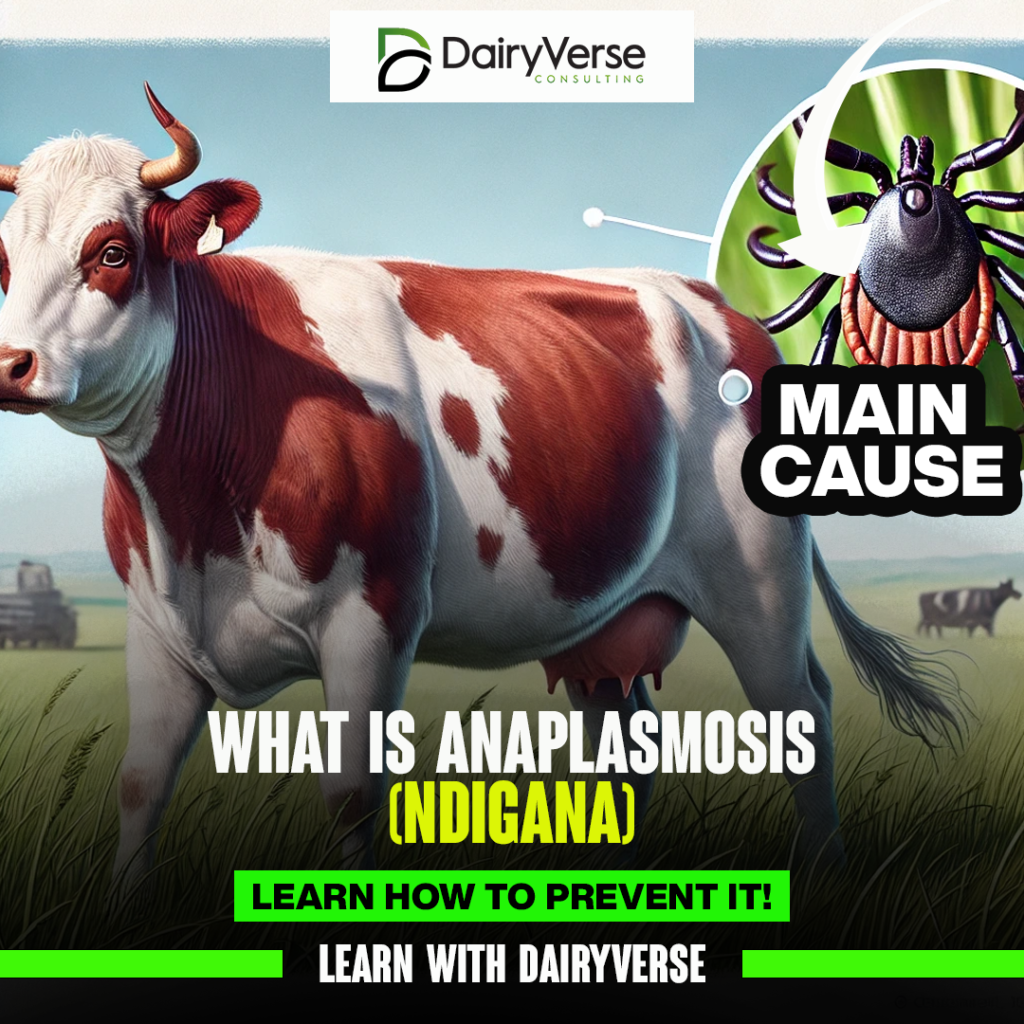
Anaplasmosis in Cattle: Causes, Symptoms, and Prevention

Anaplasmosis is a significant infectious disease in cattle, impacting herds across tropical and subtropical regions. This condition, caused by the bacterium Anaplasma marginale, can lead to severe anemia, reduced productivity, and economic losses if not managed promptly.

This article delves into the causes, symptoms, and prevention strategies to help you protect your cattle from anaplasmosis.


What Causes Anaplasmosis?

Anaplasmosis spreads primarily through:

  1. Ticks – Certain tick species act as carriers, transmitting the disease during feeding.
  2. Insects – Blood-feeding insects, such as biting flies, can also play a role in spreading the infection.
  3. Contaminated Equipment – Sharing needles, dehorners, or other blood-contact tools without sterilization can transmit the disease.

Symptoms of Anaplasmosis

The disease primarily affects red blood cells, leading to anemia and other health issues. Look out for the following symptoms:

  • Lethargy: Reduced energy and movement.
  • Pale or Yellow Mucous Membranes: Signs of anemia or jaundice in the gums or eyes.
  • Fever: High body temperature during the acute stage.
  • Weight Loss: Rapid loss of weight due to decreased appetite.
  • Constipation: Reduced bowel movements, which can occur as the animal’s health declines.
  • Abortion: Pregnant cows may abort because of stress caused by the disease.
  • Death: Severe cases, especially in older animals, may result in fatalities if not addressed.

What to Do if You Suspect Anaplasmosis

If you observe these symptoms in your cattle, contact a veterinarian immediately for diagnosis and guidance. Early intervention is crucial to manage the disease and prevent its spread within the herd.


Preventing Anaplasmosis

Prevention is the most effective approach to avoid anaplasmosis. Here’s what you can do:

  1. Tick and Insect Control: Implement measures to reduce tick and fly populations, including sprays, dips, and farm hygiene practices.
  2. Clean Equipment: Always sterilize tools and needles before using them on multiple animals.
  3. Monitoring and Isolation: Keep an eye on your herd for symptoms and isolate sick animals promptly.
  4. Vaccination: In some regions, vaccines may be available to reduce the severity of the disease.

Post-Treatment Care

After consulting your veterinarian and following their treatment plan, consider incorporating Restore Plus® products into the recovery process. These products:

  • Help sick cows recover faster by providing targeted nutrients.
  • Boost immunity, ensuring that the cow regains strength.
  • Support recovery, making the cow healthier, stronger, and more productive.

By combining veterinary care with effective recovery solutions like Restore Plus®, you can give your cattle the best chance to recover fully and thrive.

Protecting your herd from anaplasmosis begins with proactive measures and prompt action. Regular health monitoring, proper farm hygiene, and professional veterinary advice will keep your cattle healthy and your farm productive.


How Molasses Affects Dental Health in Livestock

Molasses, a popular feed supplement for livestock, is widely used due to its numerous benefits, including improving feed palatability, increasing energy intake, and promoting better nutrient absorption. However, like all feed additives, it has its potential drawbacks, one of which includes its impact on dental health.

The Composition of Molasses
Molasses is a byproduct of sugar production, rich in carbohydrates (primarily sucrose), vitamins, and minerals like potassium, calcium, and magnesium. Its high sugar content is what makes it an effective energy booster and a palatability enhancer in livestock diets. However, this same sugar content can pose risks to dental health.

How Molasses Affects Dental Health
Sugar and Dental Decay:
The high sugar concentration in molasses creates an ideal environment for bacteria to thrive in the animal’s mouth.
These bacteria break down sugars into acids, which can erode the enamel (the hard outer layer of teeth) and cause dental decay over time.

Plaque Build-Up:
The sticky texture of molasses can adhere to teeth, promoting the formation of plaque. If not naturally cleaned, plaque can harden into tartar, leading to gum inflammation and eventual dental issues.

Wear and Tear:
While molasses itself is not abrasive, mixing it with fibrous feed or roughage can sometimes lead to uneven wear on teeth, especially in older livestock.

Indirect Effects:
Poor dental health caused by prolonged exposure to sugary feeds may result in difficulty chewing, reduced feed intake, and decreased nutrient absorption, ultimately affecting overall health and productivity.

Signs of Dental Issues in Livestock
Difficulty Chewing: Animals may chew more slowly or drop feed while eating.
Weight Loss: Inability to chew properly leads to reduced feed intake and weight loss.
Drooling or Bad Breath: Indicators of oral infections or tooth decay.
Behavioral Changes: Livestock may appear irritable or refuse feed due to dental discomfort.

Preventing and Mitigating Dental Issues
To ensure that molasses remains a beneficial feed supplement without compromising dental health, the following strategies can be employed:
Moderation in Usage:
Limit molasses intake to recommended levels (2-3% of the total dry matter diet) to prevent excessive sugar exposure

Balanced Diet:
Combine molasses with fibrous feed like hay or silage to encourage natural cleaning of the teeth through chewing.

Regular Access to Clean Water:
Providing constant access to clean water helps rinse off any sugar residues from the teeth, reducing the risk of plaque build-up.

Regular Dental Checks:
Schedule routine dental inspections for livestock, especially older animals, to detect and address potential dental issues early.

Additives for Dental Health:
Consider feed additives that promote oral health, such as minerals that strengthen enamel or ingredients that prevent bacterial growth.

Feeding Time Management:
Avoid feeding molasses continuously throughout the day; instead, offer it in measured portions to reduce prolonged exposure to sugar.

While molasses is a valuable addition to livestock diets, its high sugar content and sticky texture can contribute to dental health challenges if not used carefully. By adhering to proper feeding practices, providing a balanced diet, and monitoring livestock health regularly, farmers can enjoy the benefits of molasses while mitigating potential risks to dental health.

A well-balanced approach ensures livestock remain healthy, productive, and free from preventable dental issues.


Black Quarter Disease in Cattle: Causes, Symptoms, Prevention, and Treatment

Black Quarter (BQ), also known as Blackleg, is one of the most devastating diseases that can affect cattle. Caused by the bacterium Clostridium chauvoei, this disease is often fatal and requires immediate attention. Understanding its causes, symptoms, prevention, and treatment is essential for cattle farmers to protect their herds.


What Causes Black Quarter?

Black Quarter is caused by Clostridium chauvoei, a spore-forming bacterium found in soil and the gastrointestinal tract of healthy animals. The spores can remain dormant in the environment for years and are activated under certain conditions, such as trauma or injury to muscle tissue.

The disease typically occurs in well-fed, healthy cattle between six months and two years of age, as they are more active and prone to injuries, which can create an entry point for the bacteria.


How Is Black Quarter Transmitted?

The disease spreads through:

  • Ingestion: Cattle consume the spores from contaminated soil, water, or feed.
  • Wounds: Spores enter through cuts or bruises in the skin, often from handling or rough terrain.
  • Environmental Triggers: Events like flooding or excavation can disturb spore-laden soil, increasing the risk of exposure.

Symptoms of Black Quarter

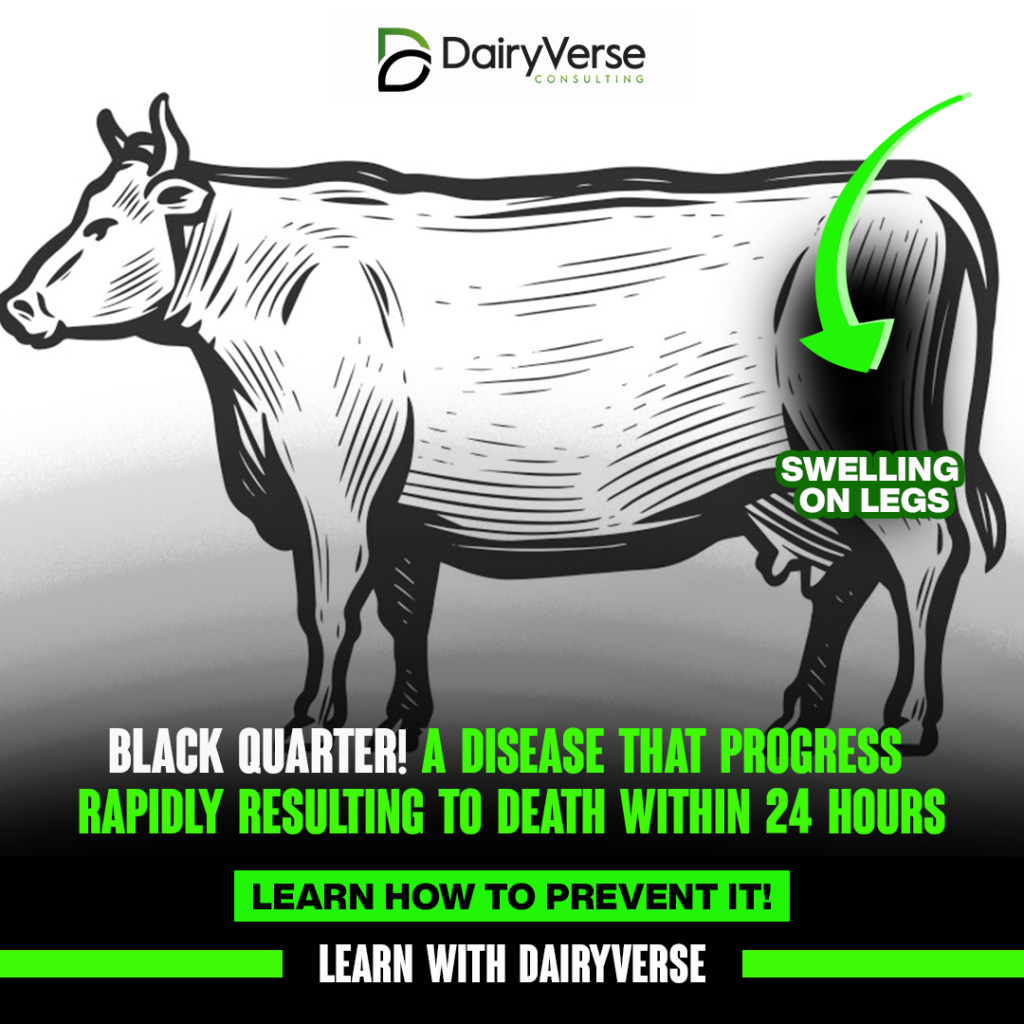
The symptoms of Black Quarter can progress rapidly, with the disease often resulting in death within 24 hours. Common signs include:

  • High fever: A sudden rise in body temperature.
  • Swelling: Affected muscles (usually in the legs, shoulders, or back) become swollen, hot, and painful.
  • Crepitus: A crackling sound or sensation when the swollen area is pressed, due to gas buildup.
  • Lameness: Difficulty moving or reluctance to stand.
  • Rapid deterioration: Animals may appear healthy one moment and succumb to the disease the next.

In most cases, animals are found dead without showing noticeable symptoms, making prevention crucial.


Prevention of Black Quarter

Prevention is the most effective way to manage Black Quarter:

  1. Vaccination:

    • Administering a multivalent vaccine (e.g., a 7-in-1 or 8-in-1 vaccine) protects cattle against Clostridium chauvoei and related bacteria.
    • Vaccinate calves at 3-6 months of age and provide annual boosters.

  2. Proper hygiene:

    • Maintain clean and dry housing environments.
    • Avoid disturbing potentially contaminated soil, especially during wet seasons.

  3. Careful wound management:

    • Treat any cuts or injuries promptly to minimize the risk of bacterial entry.

  4. Nutritional balance:

    • Ensure cattle receive a balanced diet to support their immune system.


Treatment of Black Quarter

Treatment is only effective if administered very early. The following steps can help:

  • Antibiotics: High doses of penicillin or other antibiotics effective against Clostridium bacteria should be given immediately.
  • Supportive care: Anti-inflammatory drugs and fluids can help manage symptoms.
  • Quarantine: Isolate infected animals to prevent further spread.

Unfortunately, due to the rapid progression of the disease, treatment is often unsuccessful, and the focus should remain on prevention.


Conclusion

Black Quarter is a deadly disease that can wreak havoc on cattle herds. Its swift progression highlights the importance of prevention through regular vaccination, good management practices, and immediate response to any signs of illness. By staying vigilant, farmers can significantly reduce the risk of losing livestock to this preventable disease.