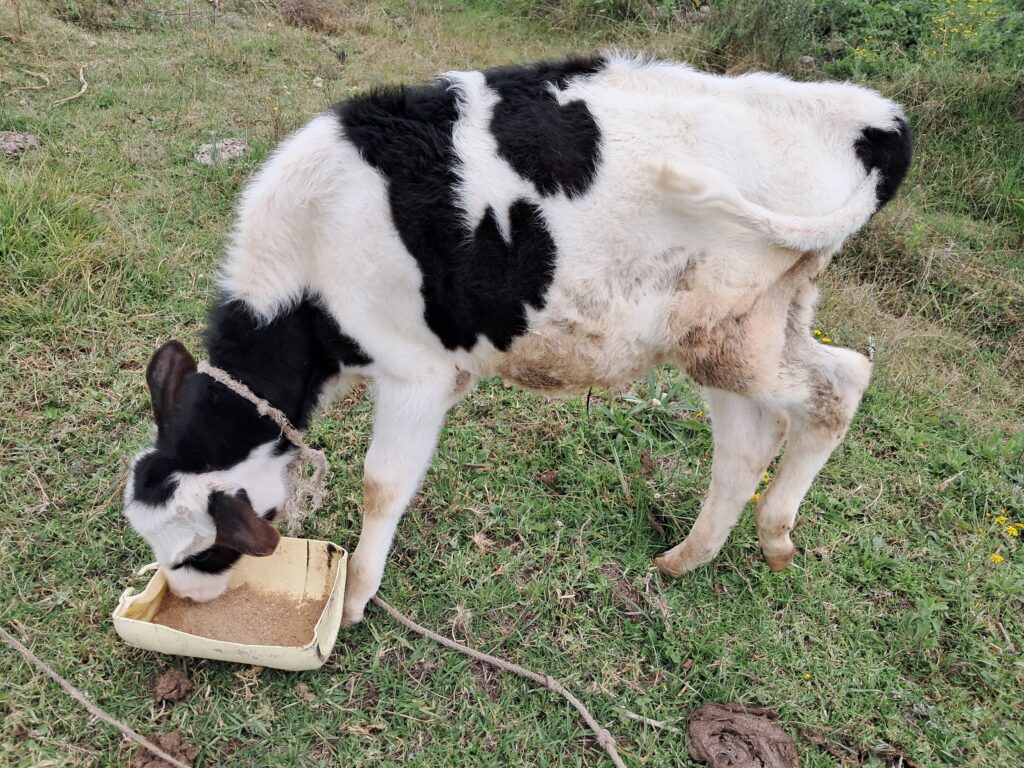
Understanding South Asian Water Buffaloes

Introduction

Kenya’s agricultural and livestock sectors are on the verge of a transformative shift with the potential introduction of South Asian water buffalo. Known for their superior meat and milk production, these buffalo species have been a cornerstone of the dairy and meat industries in countries like India, Pakistan, and Bangladesh. The question remains: Can they thrive in Kenya, and will they offer the expected economic and nutritional benefits?

Understanding South Asian Water Buffaloes

South Asian water buffaloes (Bubalus bubalis) are distinct from African buffaloes (Syncerus caffer). Unlike their African counterparts, which are mostly wild and untamed, South Asian water buffaloes have been domesticated for centuries, playing a significant role in dairy farming and meat production. These animals thrive in wetland areas, often submerging themselves in water to regulate body temperature and prevent heat stress.

The two major types of domesticated water buffalo are:

  • River Buffaloes – Primarily used for dairy production, yielding high-fat-content milk.
  • Swamp Buffaloes – More suited for labor and meat production, found predominantly in Southeast Asia and China.

The Appeal: Why Kenya is Considering Water Buffalo

1. Milk Production Superiority

Water buffalo milk is rich in butterfat (7-8%) compared to cow’s milk (3-4%), making it ideal for producing dairy products like cheese, yogurt, and ghee. This higher fat content results in creamier, nutrient-dense dairy products. With Kenya’s rising demand for milk and dairy derivatives, these buffaloes could provide an alternative to traditional cattle dairy farming.

2. Higher Meat Yield

Water buffalo meat is leaner than beef, with lower cholesterol and higher protein content. It is widely consumed in many Asian countries and could become a viable alternative to beef in Kenya, providing a more affordable yet nutritious protein source.

3. Hardiness and Disease Resistance

One of the key challenges facing cattle farming in Kenya is the prevalence of diseases like East Coast Fever and Foot-and-Mouth Disease. Water buffaloes have a higher resistance to these diseases, making them more sustainable for farmers who struggle with veterinary costs.

4. Better Adaptability to Climate Change

Given the unpredictability of climate conditions, water buffaloes’ ability to thrive in wetland ecosystems could be beneficial in Kenya. They are more resistant to droughts compared to traditional cattle and can utilize marshy lands unsuitable for other livestock.

Challenges in Introducing Water Buffalo to Kenya

1. Habitat Requirements

Water buffaloes thrive in environments with access to water bodies like rivers, dams, or swamps. Given Kenya’s semi-arid landscape in many regions, only select areas might be suitable for large-scale water buffalo farming.

2. Market Acceptance

Kenyan consumers are accustomed to cow’s milk and beef. While water buffalo milk is superior in nutrition, it has a distinct taste and composition that may require consumer education and marketing efforts.

3. Regulatory and Breeding Concerns

The introduction of non-native species requires strict biosecurity measures to prevent the spread of foreign diseases. Additionally, breeding programs would need to be established to ensure genetic diversity and adaptability to Kenya’s environment.

Global Success Stories

Countries like India and Pakistan have successfully integrated water buffalo into their agricultural systems, contributing to the world’s largest production of buffalo milk. Similarly, the Philippines has developed a hybrid buffalo breed known as the ‘Murrah Buffalo,’ which significantly boosts dairy output. If well implemented, Kenya could replicate such success in its livestock sector.

Conclusion

The introduction of South Asian water buffalo to Kenya presents promising opportunities for dairy and meat industries. Their superior milk and meat production, resilience to disease, and adaptability to climate change make them a compelling choice for livestock farming. However, success will depend on suitable rearing conditions, consumer acceptance, and regulatory compliance.

Would you be open to trying buffalo milk or meat as part of your diet? Share your thoughts!


How to Raise a Bull for Meat Production

How to Raise a Bull for Meat Production

Raising a bull for meat requires careful selection, proper feeding, health management, and humane handling to ensure optimal growth, meat quality, and profitability.


1. Selecting the Right Bull

Best Breeds for Meat Production

  • Angus – High marbling, tender beef.
  • Hereford – Efficient growth, good temperament.
  • Charolais – Fast growth, leaner meat.
  • Simmental – Dual-purpose, excellent weight gain.
  • Brahman – Heat-resistant, disease-resistant.
  • Limousin – Lean meat, high yield.

Genetic Considerations

  • Select bulls with fast growth rates and good feed efficiency.
  • Muscle development should be well-defined.
  • Avoid bulls with genetic defects that affect meat quality.

2. Housing and Space Requirements

  • Provide ample space (at least 500–1000 square feet per bull in a dry lot system).
  • Ensure good ventilation in barns or shelters.
  • Secure fencing (strong wooden or steel panels) to prevent aggression or escape.
  • Shade and water access are crucial for comfort and stress reduction.

3. Feeding for Optimal Growth

Stages of Feeding

1. Starter Phase (0–6 months)

  • If raised from birth, ensure colostrum intake within the first 24 hours.
  • Feed calf starter feed with 18-22% protein.
  • Provide fresh milk or milk replacer for up to 3 months.
  • Introduce hay and grain slowly.

2. Growing Phase (6–12 months)

  • Feed a mix of quality hay, pasture, and grain.
  • Protein content: 14-16% for muscle development.
  • Minerals & supplements: Calcium, phosphorus, selenium, and vitamins A, D, E.
  • Ensure clean, fresh water at all times.

3. Finishing Phase (12–24 months)

  • Transition to a high-energy diet to improve marbling.
  • Corn, barley, soybean meal, and molasses help with weight gain.
  • Hay and fiber should still be included for digestion.
  • Aim for a 2.5 – 4 lbs daily weight gain.

4. Health & Disease Management

  • Deworming: Every 3–6 months to prevent parasites.
  • Vaccination: Protect against:

    • Bovine Respiratory Disease (BRD)
    • Clostridial diseases (Blackleg)
    • Bovine Viral Diarrhea (BVD)

  • Hoof care: Trim hooves if needed.
  • Regular vet check-ups to monitor weight, growth, and any illnesses.

NyamaPlus – Enhancing Bull Health and Growth

NyamaPlus is a scientifically designed product by Dairyverse Consulting that enhances the health and productivity of beef bulls.

Benefits of NyamaPlus

  • Increased weight gain in finishing bulls and steers.
  • Enhances meat quality and eliminates the risk of white muscle disease.
  • Faster recovery for previously ill bulls.
  • Improves hoof integrity, eliminating the risk of lameness in grazing bulls and steers.
  • Improves body condition, enhances skin tone, and smoothens hair coats.

Directions for Use

  • Suitable for all beef cattle aged 12 months and older with a body weight above 200 kg.
  • This pack lasts for 30 days when used by 1 bull.
  • Dosage: Add 35 grams (1½ Tablespoons) to pollard, other dry minerals, or mineral licks during feeding.

5. Behavior and Handling

  • Bulls can be aggressive; train early for handling.
  • Use calm, consistent interactions to prevent stress.
  • Keep bulls separated from cows unless used for breeding.
  • Use proper handling facilities (chutes, headgates).

6. Processing & Slaughter Timing

  • Best slaughter weight: 1,100 – 1,400 lbs.
  • Best age: 18–24 months (for tender meat).
  • Ensure stress-free transport to slaughter to avoid tough meat.
  • Consider grass-fed vs. grain-fed based on market preference.


Selecting the Best Dairy Cow Breeds

When choosing the best dairy cow breed, it’s important to focus on factors like milk production, adaptability to your climate, feed efficiency, and the purpose of your dairy farm. Here’s a comprehensive guide to selecting the right breed for your needs.


Factors to Consider in Choosing a Dairy Cow Breed

  1. Milk Production Needs

    • Some breeds are known for high milk yield, while others excel in quality, such as butterfat and protein content. Choose a breed based on the specific product you aim to produce (e.g., fluid milk, cheese, or yogurt).

  2. Adaptability to Climate

    • Consider your local weather conditions. Some breeds thrive in tropical climates, while others are better suited for cooler regions.

  3. Feed Efficiency

    • Efficient feed-to-milk conversion reduces costs and increases productivity, especially important for small-scale operations.

  4. Calving Ease and Fertility

    • Breeds with good calving ease and higher fertility rates ensure consistent herd growth and less stress on the animals.

  5. Longevity and Disease Resistance

    • Healthier breeds with longer productive lifespans reduce replacement costs and ensure consistent milk production.


Top Dairy Cow Breeds

1. Holstein Friesian

  • Milk Yield: Highest among dairy breeds (up to 9,000 liters/year on average).
  • Milk Quality: Moderate butterfat (3.5%) and protein levels.
  • Adaptability: Best suited for intensive dairy farming systems.
  • Notable Traits: High productivity but may require more feed and management.

2. Jersey

  • Milk Yield: Lower yield (4,500–6,000 liters/year) but high-quality milk.
  • Milk Quality: High butterfat (4.5–5%) and protein content, ideal for cheese and butter.
  • Adaptability: Thrives in both tropical and temperate climates.
  • Notable Traits: Small in size, efficient feed converters, and known for a gentle temperament.

3. Guernsey

  • Milk Yield: Moderate (4,500–6,000 liters/year).
  • Milk Quality: Golden-colored milk with high beta-carotene, butterfat, and protein.
  • Adaptability: Performs well in warmer climates.
  • Notable Traits: Friendly disposition and lower feed requirements compared to larger breeds.

4. Ayrshire

  • Milk Yield: Moderate to high (5,500–8,000 liters/year).
  • Milk Quality: Balanced butterfat and protein levels (4% and 3.5%, respectively).
  • Adaptability: Hardy breed that adapts well to various climates and grazing systems.
  • Notable Traits: Longevity and strong udders, ideal for pastured systems.

5. Brown Swiss

  • Milk Yield: High (6,000–9,000 liters/year).
  • Milk Quality: Rich in protein, ideal for cheese production.
  • Adaptability: Thrives in cool climates but can adapt to warmer areas.
  • Notable Traits: Strong hooves and disease resistance, making them durable for mixed terrain.

6. Sahiwal

  • Milk Yield: Moderate (2,500–3,000 liters/year).
  • Milk Quality: High butterfat content, suitable for traditional dairy products.
  • Adaptability: Extremely hardy and ideal for tropical climates.
  • Notable Traits: Disease resistance and ability to produce on low-quality forage.

7. Gir

  • Milk Yield: Moderate (up to 3,000 liters/year).
  • Milk Quality: High butterfat, making it ideal for ghee and butter.
  • Adaptability: Thrives in hot and humid climates.
  • Notable Traits: Strong disease resistance and high fertility rates.

Breed Selection Based on Dairy Farm Goals

  • High Milk Production: Holstein Friesian, Brown Swiss
  • High Butterfat Content: Jersey, Guernsey, Sahiwal
  • Adaptability to Tropical Climates: Sahiwal, Gir, Jersey
  • Hardy and Low-Maintenance Breeds: Ayrshire, Brown Swiss
  • Premium Cheese and Butter Production: Jersey, Guernsey, Brown Swiss

Conclusion

Selecting the best dairy cow breed is a critical decision for your farm’s success. Evaluate your production goals, climate, and budget before choosing. Whether you prioritize milk yield, quality, or adaptability, understanding the unique traits of each breed will ensure a profitable and sustainable dairy farming operation.


How Molasses Affects Dental Health in Livestock

Molasses, a popular feed supplement for livestock, is widely used due to its numerous benefits, including improving feed palatability, increasing energy intake, and promoting better nutrient absorption. However, like all feed additives, it has its potential drawbacks, one of which includes its impact on dental health.

The Composition of Molasses
Molasses is a byproduct of sugar production, rich in carbohydrates (primarily sucrose), vitamins, and minerals like potassium, calcium, and magnesium. Its high sugar content is what makes it an effective energy booster and a palatability enhancer in livestock diets. However, this same sugar content can pose risks to dental health.

How Molasses Affects Dental Health
Sugar and Dental Decay:
The high sugar concentration in molasses creates an ideal environment for bacteria to thrive in the animal’s mouth.
These bacteria break down sugars into acids, which can erode the enamel (the hard outer layer of teeth) and cause dental decay over time.

Plaque Build-Up:
The sticky texture of molasses can adhere to teeth, promoting the formation of plaque. If not naturally cleaned, plaque can harden into tartar, leading to gum inflammation and eventual dental issues.

Wear and Tear:
While molasses itself is not abrasive, mixing it with fibrous feed or roughage can sometimes lead to uneven wear on teeth, especially in older livestock.

Indirect Effects:
Poor dental health caused by prolonged exposure to sugary feeds may result in difficulty chewing, reduced feed intake, and decreased nutrient absorption, ultimately affecting overall health and productivity.

Signs of Dental Issues in Livestock
Difficulty Chewing: Animals may chew more slowly or drop feed while eating.
Weight Loss: Inability to chew properly leads to reduced feed intake and weight loss.
Drooling or Bad Breath: Indicators of oral infections or tooth decay.
Behavioral Changes: Livestock may appear irritable or refuse feed due to dental discomfort.

Preventing and Mitigating Dental Issues
To ensure that molasses remains a beneficial feed supplement without compromising dental health, the following strategies can be employed:
Moderation in Usage:
Limit molasses intake to recommended levels (2-3% of the total dry matter diet) to prevent excessive sugar exposure

Balanced Diet:
Combine molasses with fibrous feed like hay or silage to encourage natural cleaning of the teeth through chewing.

Regular Access to Clean Water:
Providing constant access to clean water helps rinse off any sugar residues from the teeth, reducing the risk of plaque build-up.

Regular Dental Checks:
Schedule routine dental inspections for livestock, especially older animals, to detect and address potential dental issues early.

Additives for Dental Health:
Consider feed additives that promote oral health, such as minerals that strengthen enamel or ingredients that prevent bacterial growth.

Feeding Time Management:
Avoid feeding molasses continuously throughout the day; instead, offer it in measured portions to reduce prolonged exposure to sugar.

While molasses is a valuable addition to livestock diets, its high sugar content and sticky texture can contribute to dental health challenges if not used carefully. By adhering to proper feeding practices, providing a balanced diet, and monitoring livestock health regularly, farmers can enjoy the benefits of molasses while mitigating potential risks to dental health.

A well-balanced approach ensures livestock remain healthy, productive, and free from preventable dental issues.


It Isn’t Calcium Deficiency That’s Killing Your Calves!

When calves fall sick or fail to thrive, many farmers immediately suspect calcium deficiency. While calcium is vital for growth and skeletal health, it’s rarely the root cause of mortality in young calves. Instead, the problem often lies in management practices, nutrition, or underlying diseases that weaken the calves before calcium deficiency even becomes a concern.

The Real Culprits Behind Calf Deaths

  1. Dehydration and Scours
    Diarrhea, or scours, is the leading cause of death in calves under one month old. It quickly leads to severe dehydration and loss of essential electrolytes. While calcium plays a role in overall health, failing to address scours promptly is far deadlier than a calcium imbalance.
  2. Inadequate Colostrum Intake
    Calves are born without a functional immune system and rely on colostrum for antibodies. Poor-quality or insufficient colostrum intake leaves calves vulnerable to infections, which can lead to high mortality rates.
  3. Poor Hygiene and Housing
    Dirty bedding, overcrowded pens, or poorly ventilated shelters create breeding grounds for bacteria and viruses. Calves living in such environments are at a higher risk of respiratory diseases and other infections, which can be fatal.
  4. Nutritional Deficiencies Beyond Calcium
    While calcium deficiency is rare in well-fed calves, deficiencies in other critical nutrients like vitamin A, protein, or energy can impair growth and weaken immunity.One way to combat these issues is by using Ndamaplus®, a high-quality product designed to enhance dairy calf growth and development. Here’s how it helps:

    • Promotes Weight Gain: Supports average daily weight gain in calves, ensuring healthy growth.
    • Counters Stunted Growth: Provides essential nutrients to prevent stunted growth in young calves.
    • Reduces Post-Weaning Stress: Minimizes stress during the critical post-weaning period, supporting calf health.
    • Boosts Immunity: Enhances the calf’s immune system, safeguarding against diseases.
    • Facilitates Timely Heat Onset: Promotes timely heat cycles in heifers, ensuring a smooth transition to adulthood.

  5. Parasites and Diseases
    Worm infestations and diseases like pneumonia or coccidiosis can silently harm calves. These conditions are more likely to cause fatal outcomes than calcium deficiency.

How to Keep Your Calves Healthy

  • Focus on Early Nutrition: Ensure calves receive colostrum within the first six hours of life to boost their immunity. Follow up with milk replacers or fresh milk rich in essential nutrients.
  • Maintain Clean Housing: Regularly clean pens and provide dry, comfortable bedding. Good ventilation reduces the risk of respiratory illnesses.
  • Prevent and Treat Diseases Early: Regularly deworm calves and monitor for signs of illness like coughing, diarrhea, or lethargy. Seek veterinary assistance promptly.
  • Incorporate Ndamaplus® in Their Diet: Use Ndamaplus® as part of your feeding regimen to ensure calves receive all the nutrients needed for steady growth, strong immunity, and overall health.

Conclusion

Don’t let calcium deficiency distract you from the real threats to your calves. By prioritizing nutrition, cleanliness, and disease prevention—and incorporating products like Ndamaplus® into your calf management—you can reduce calf mortality and raise healthier, more resilient animals.