Address
304 North Cardinal
St. Dorchester Center, MA 02124
Work Hours
Monday to Friday: 7AM - 7PM
Weekend: 10AM - 5PM
Address
304 North Cardinal
St. Dorchester Center, MA 02124
Work Hours
Monday to Friday: 7AM - 7PM
Weekend: 10AM - 5PM
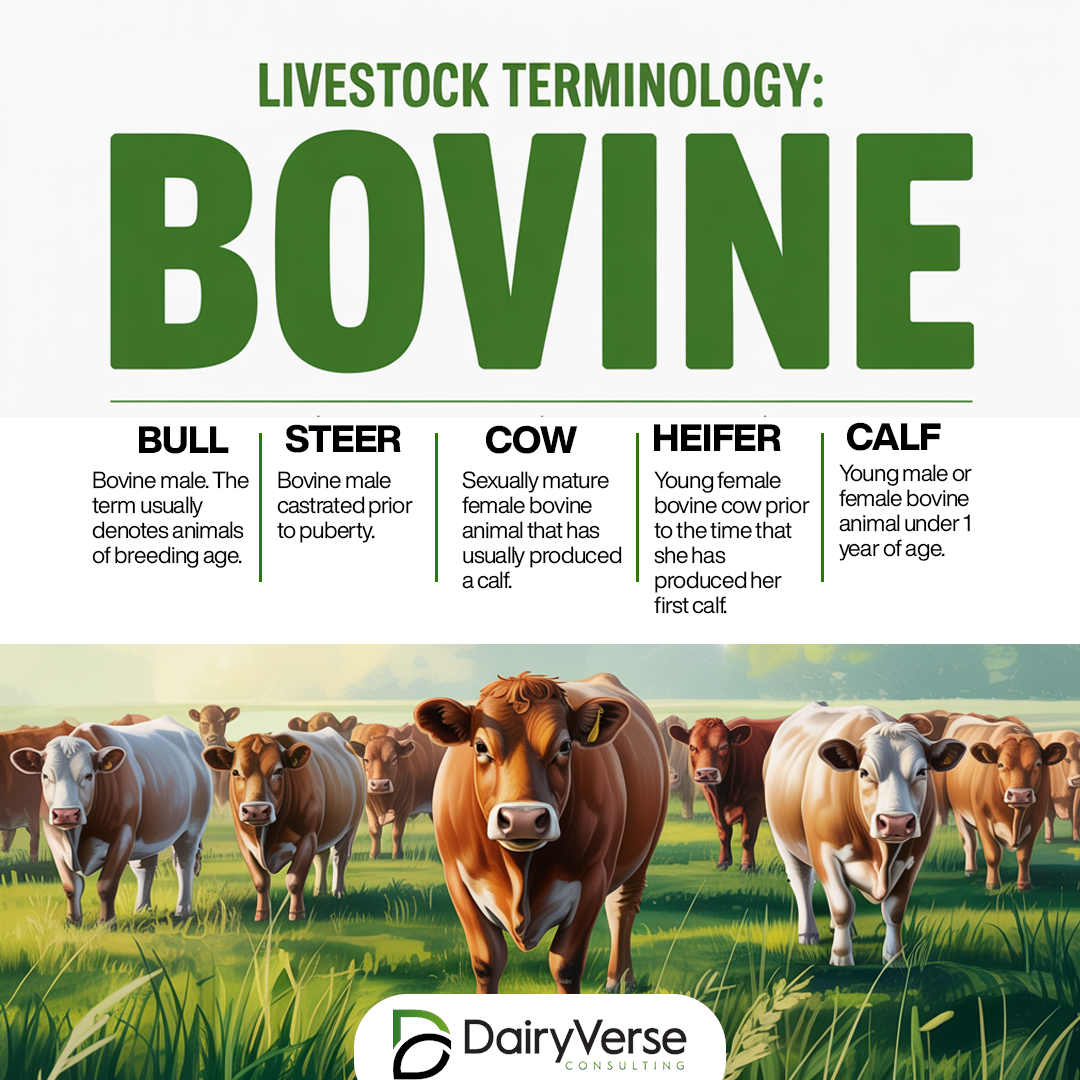
Understanding the terminology used in cattle farming is essential for effective communication, especially among livestock professionals, veterinarians, and agricultural learners.
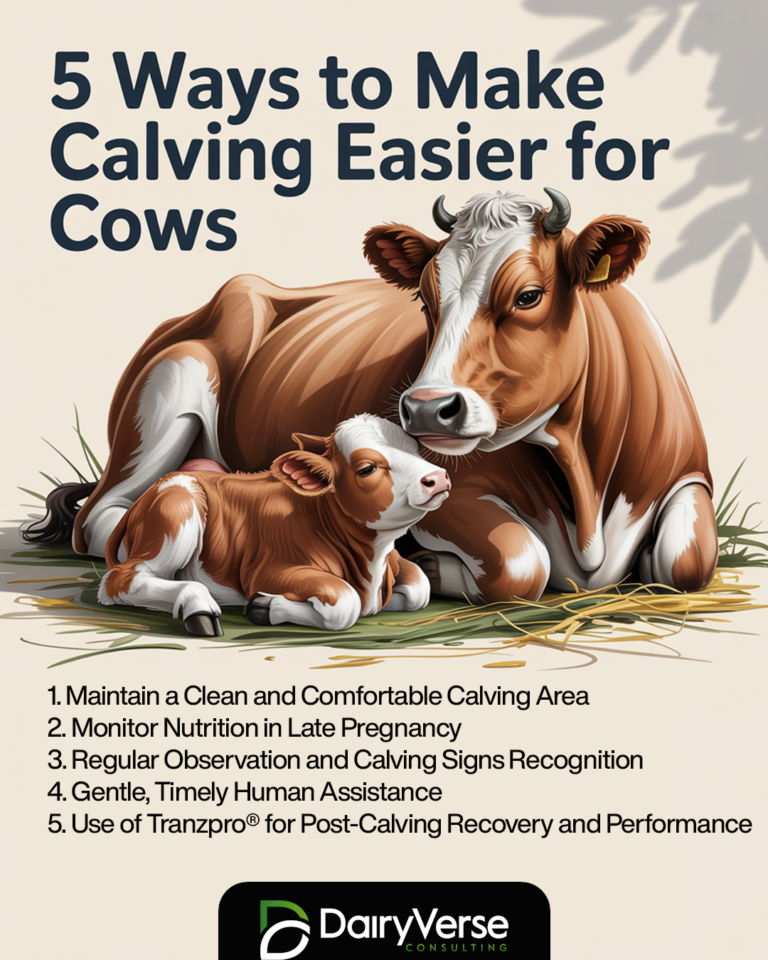
Ensure the cow is in a clean, dry, and quiet space with enough room to lie down and move. This reduces stress and prevents infections for both the cow and the calf.
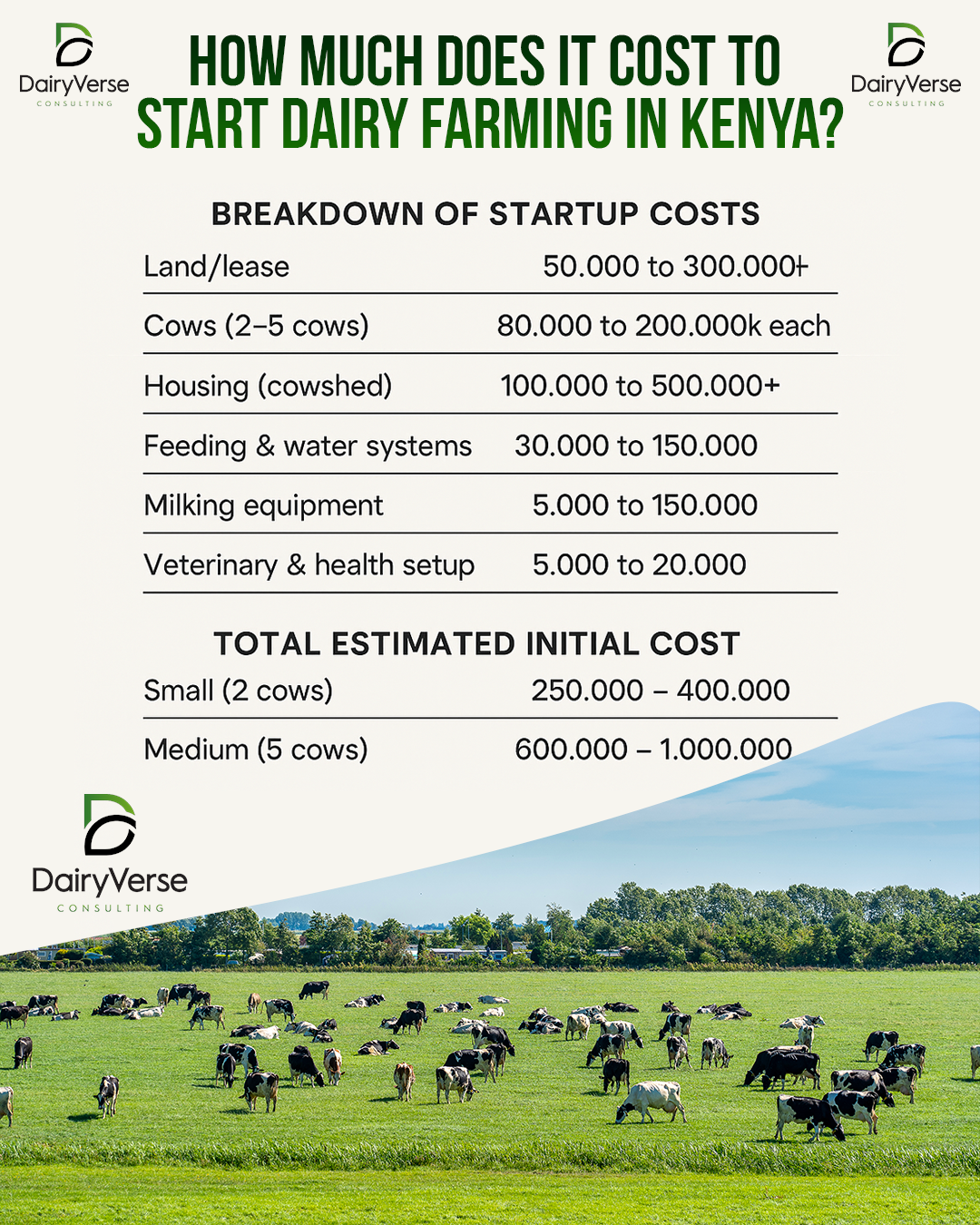
Starting a dairy farming venture in Kenya can be a profitable business, but like any agricultural investment, it requires careful planning and capital. The cost depends on factors such as scale, location, and the type of setup
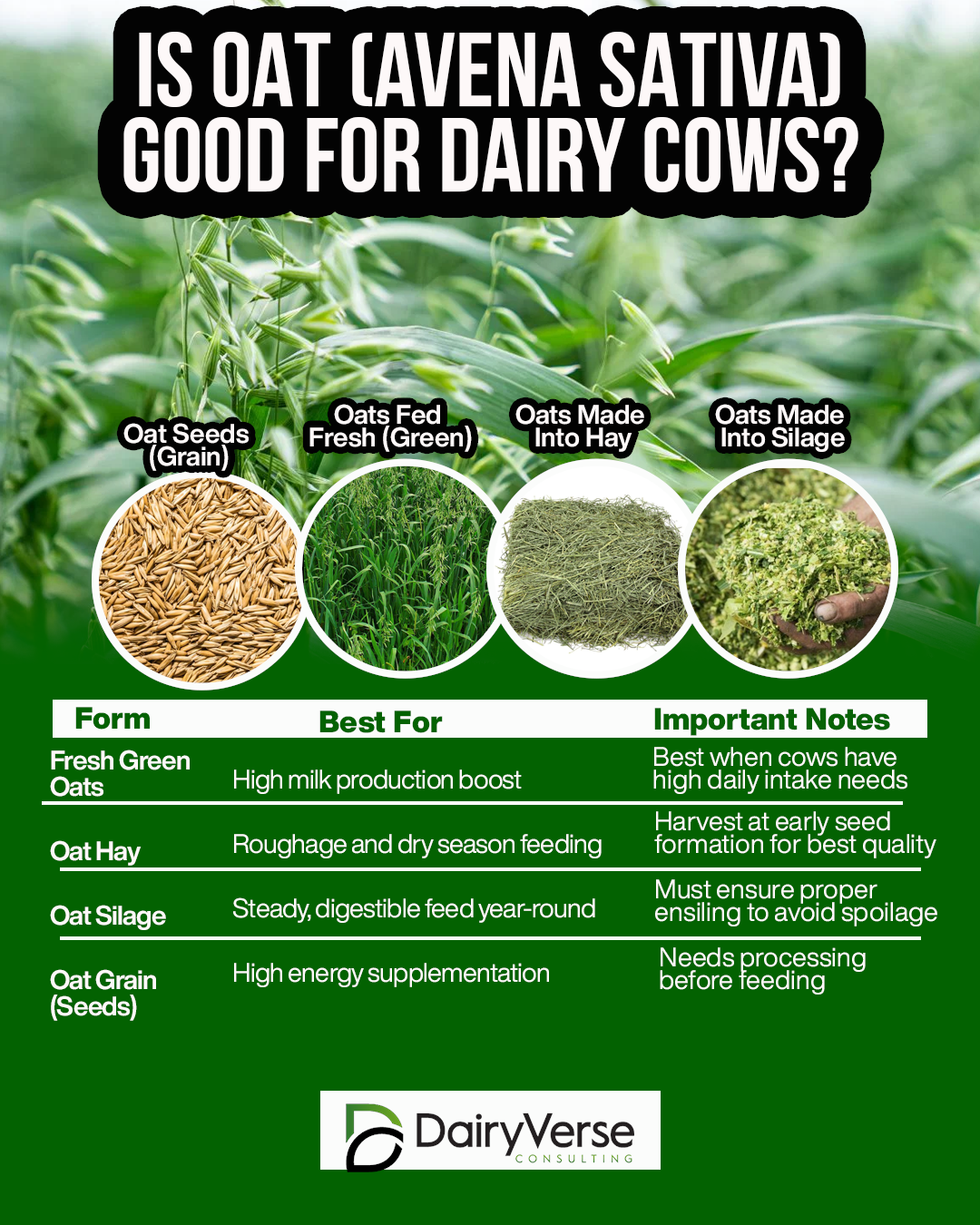
Oats (Avena sativa), commonly referred to simply as oat, is a popular forage crop in dairy farming. Its versatility in being fed fresh, as hay, as silage, or even as grain makes it a valuable option for dairy farmers.
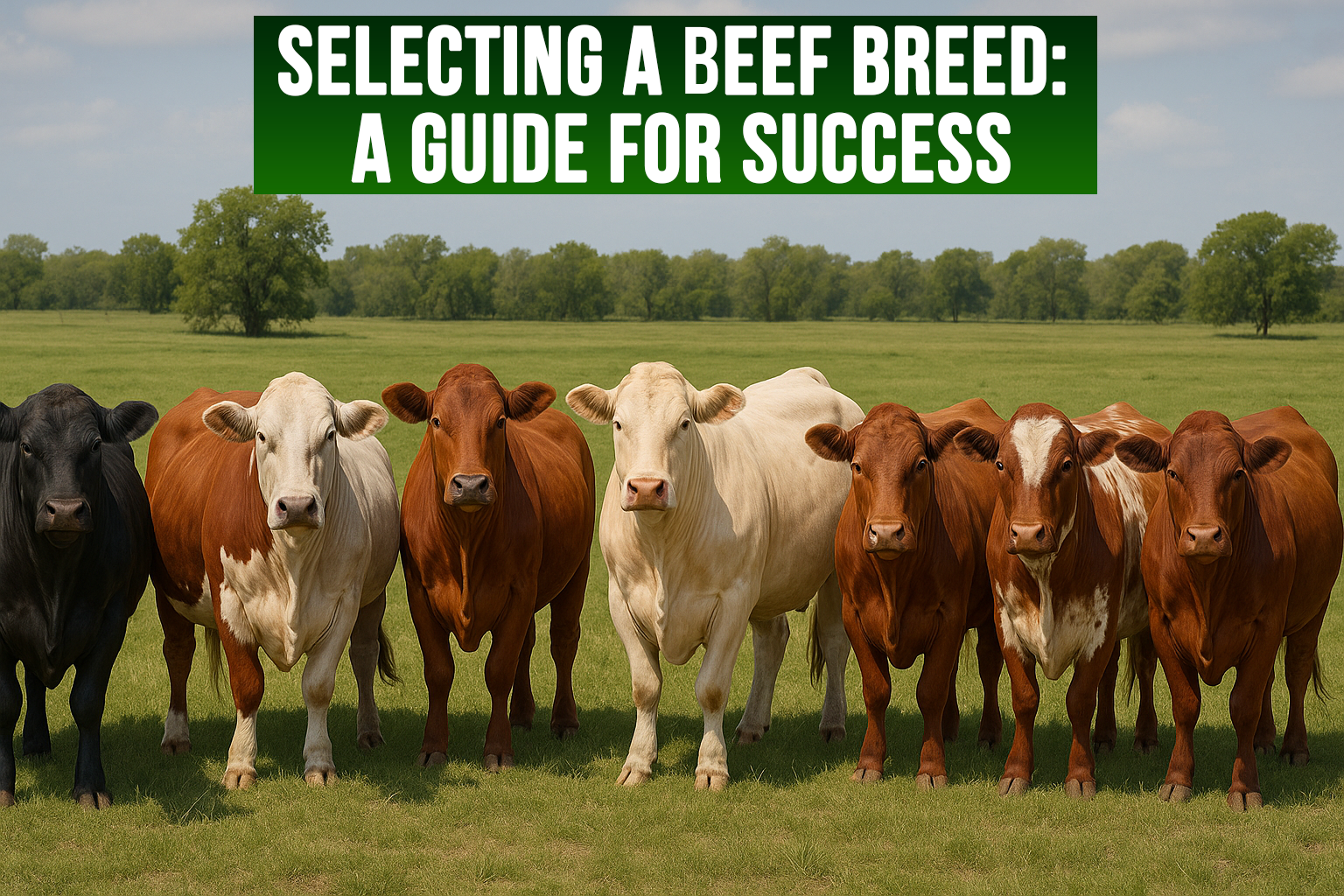
Choosing the right beef breed is one of the most important steps when starting or growing your beef cattle farm. Your choice affects meat quality, growth rates, market value, and even how well your animals handle your farm’s environment.

In dairy farming, feed is everything. It’s the fuel behind milk production, animal health, fertility, and even farm profitability.

In dairy farming, animal health equals milk productivity. One of the most overlooked pillars of maintaining herd health is a proper deworming routine.
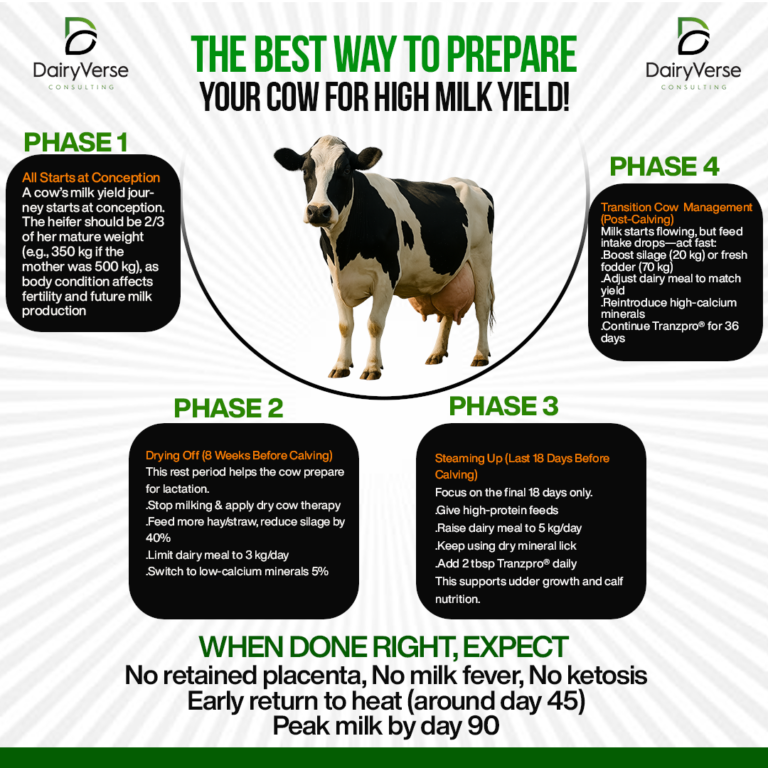
For any dairy farmer, low milk yield is the most dreaded reality. Yet, it’s widespread across Kenya, where the average daily milk yield for top breeds like Friesians and Ayrshires is only 7.8 litres per cow. The big culprit? High feed costs.

Crossbreeding is the mating of two animals from different breeds. The goal is to combine the strengths of each breed, such as better milk yield, disease resistance, meat quality, or adaptability to climate, into a new animal that carries the best traits of all.

Feeding a calf properly from birth lays the foundation for a productive, healthy dairy cow. The right nutrition at every stage ensures high milk yield, early maturity, and reduced health risks such as delayed or silent heat.