Address
304 North Cardinal
St. Dorchester Center, MA 02124
Work Hours
Monday to Friday: 7AM - 7PM
Weekend: 10AM - 5PM
Address
304 North Cardinal
St. Dorchester Center, MA 02124
Work Hours
Monday to Friday: 7AM - 7PM
Weekend: 10AM - 5PM
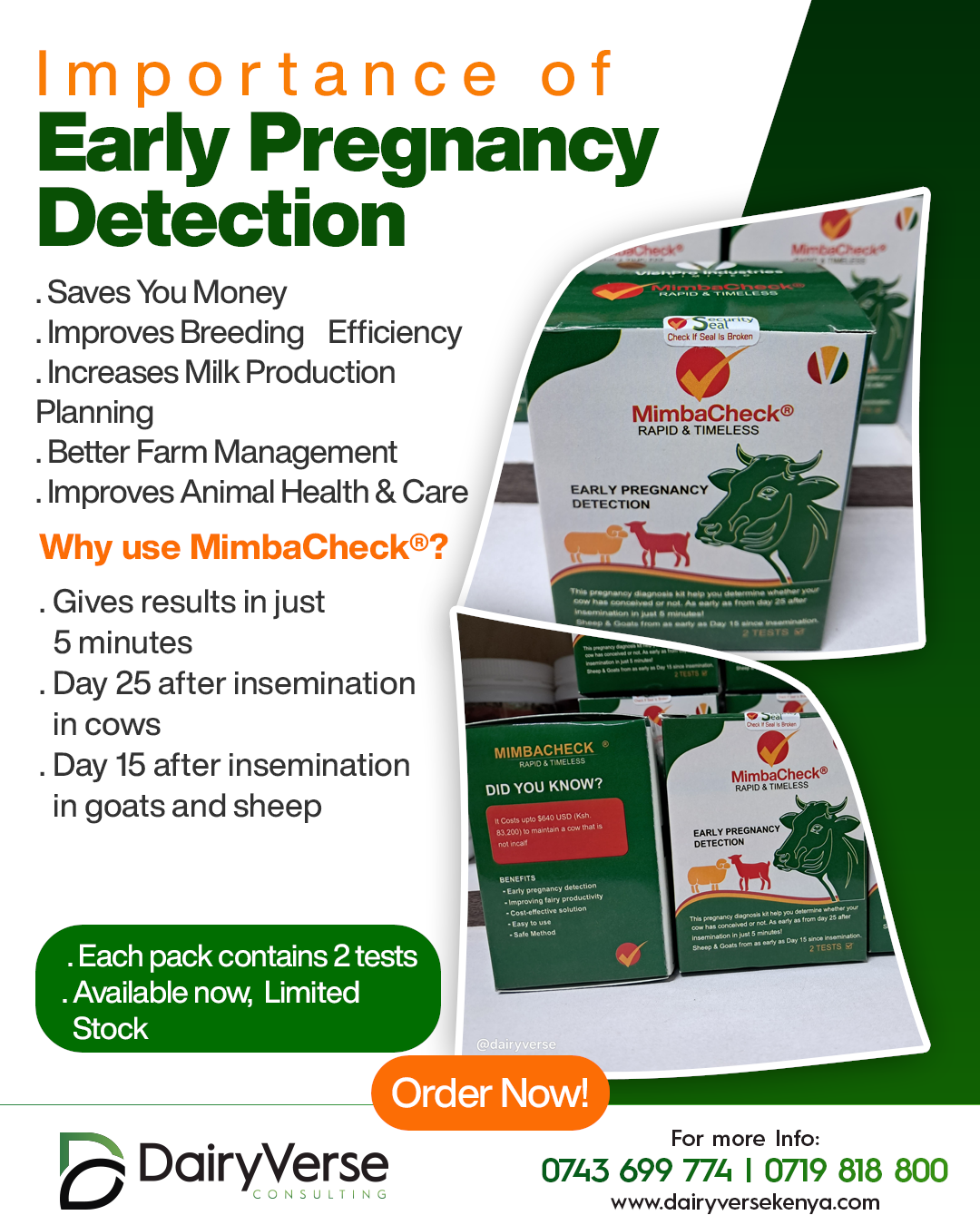
In dairy farming, every day counts, and every feeding, treatment, or management decision has a cost.
Yet many farmers unknowingly spend months feeding and caring for cows or goats that are not even pregnant.
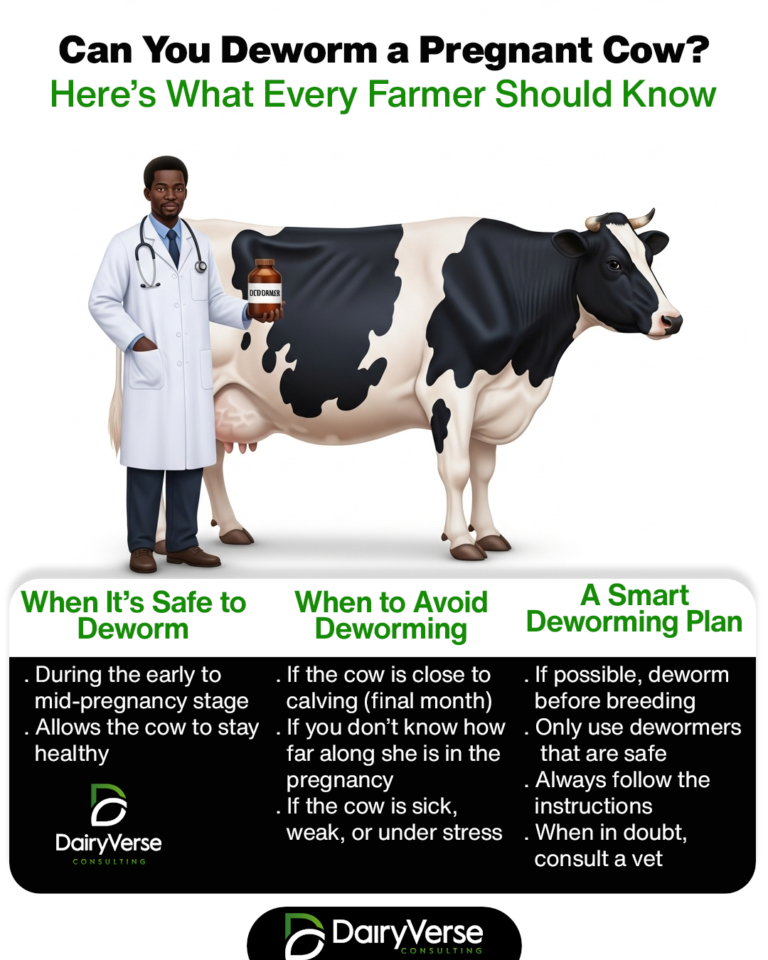
When a cow gets pregnant, the focus often shifts to feeding and future milk production. But one important question many farmers ask is.
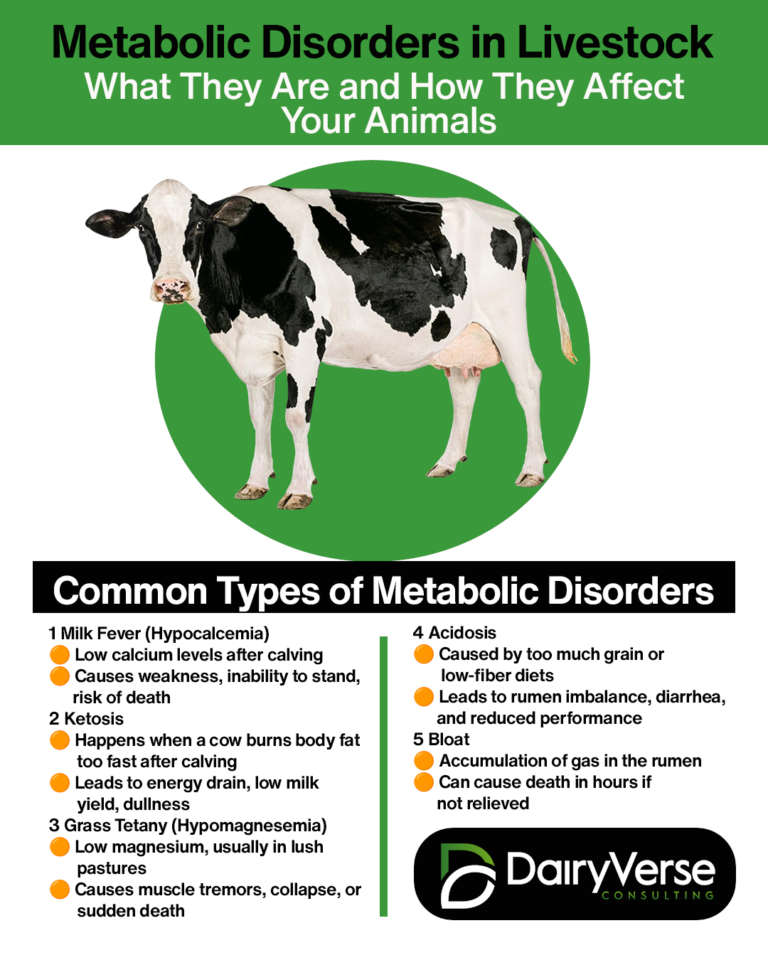
Metabolic disorders are some of the most silent yet damaging issues in livestock. They don’t always start with fever or visible wounds. Instead, they begin inside the animal’s body, affecting how nutrients are absorbed, processed, and used for production, growth, and reproduction.
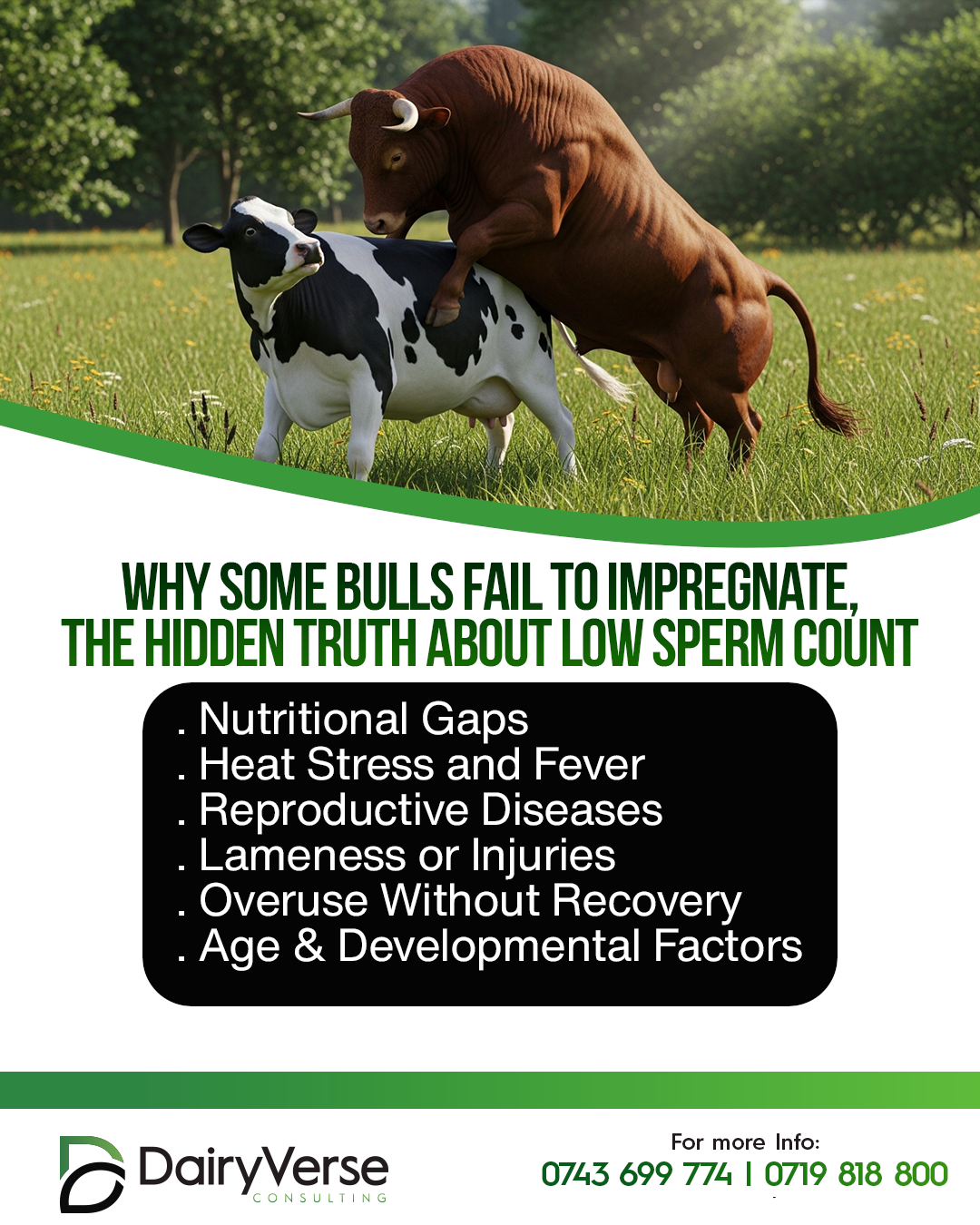
This condition leads to missed heats, low conception rates, and weak offspring, all silently draining your profits.
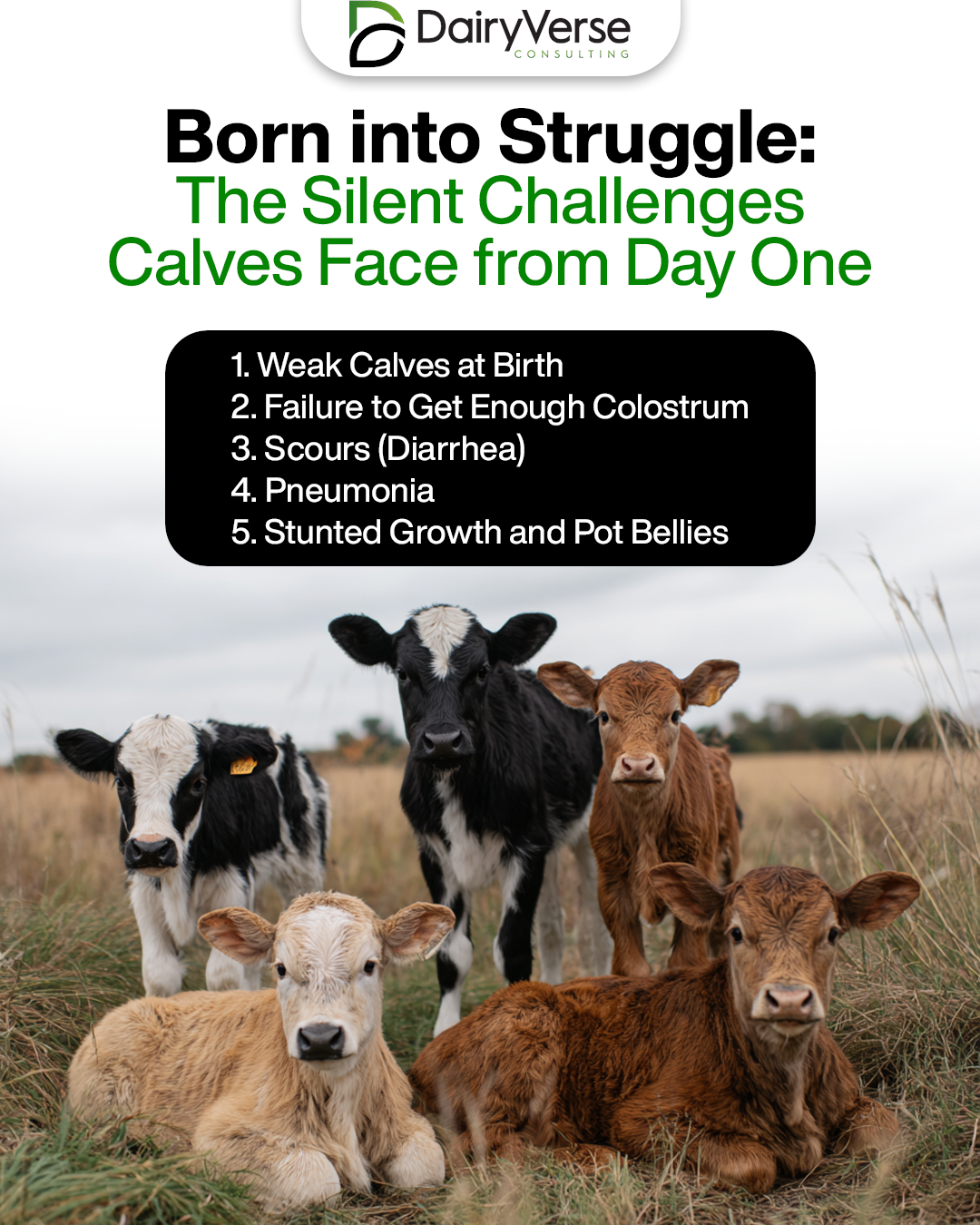
calf is born. It stands, wobbly but hopeful. The farmer smiles, a new life, a sign of growth. But behind that moment of joy, a silent struggle often begins.
Steaming up refers to the natural process where, in the final weeks before calving, the cow’s udder enlarges as it begins milk production. It’s a key sign that the body is preparing for birth and lactation.
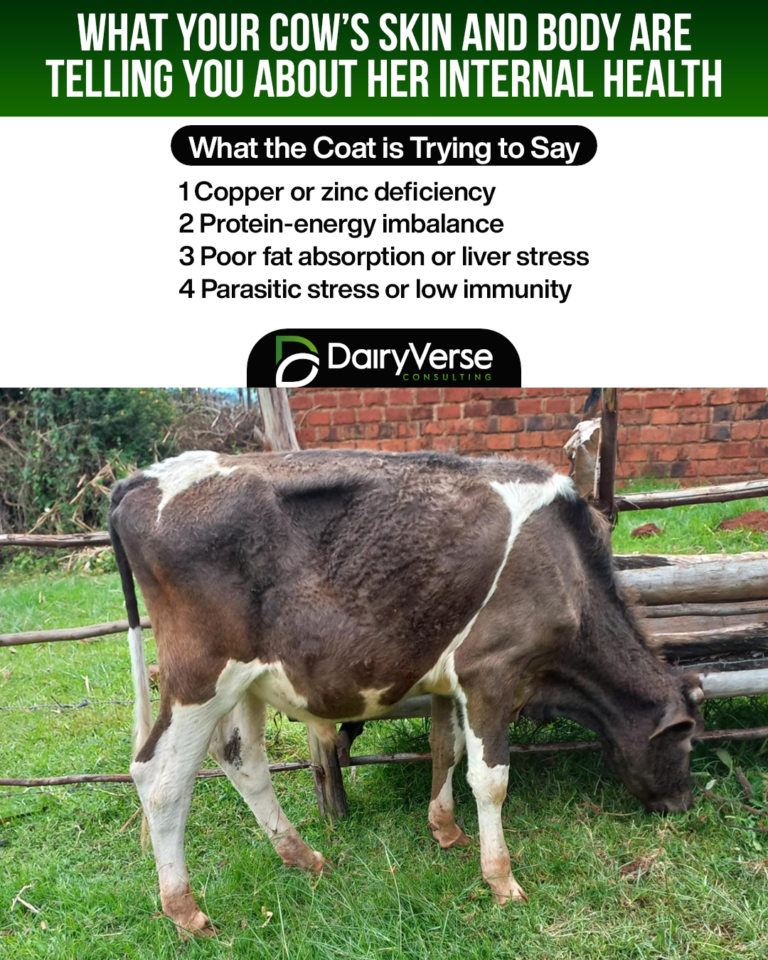
As livestock farmers, we often focus on what we can measure, milk litres, feed amounts, conception rates. But sometimes, the most accurate health indicators are right in front of us, quietly telling a deeper story.
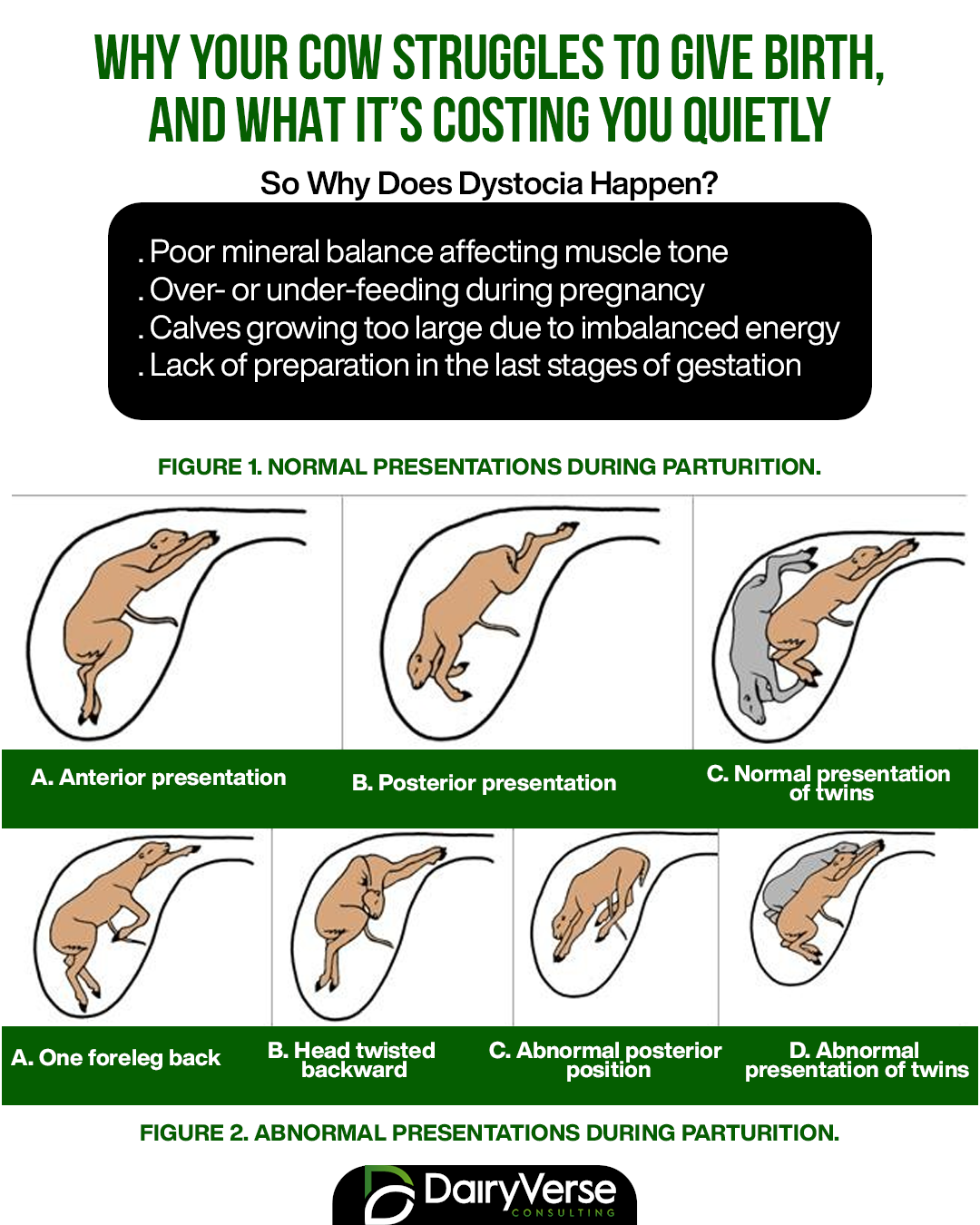
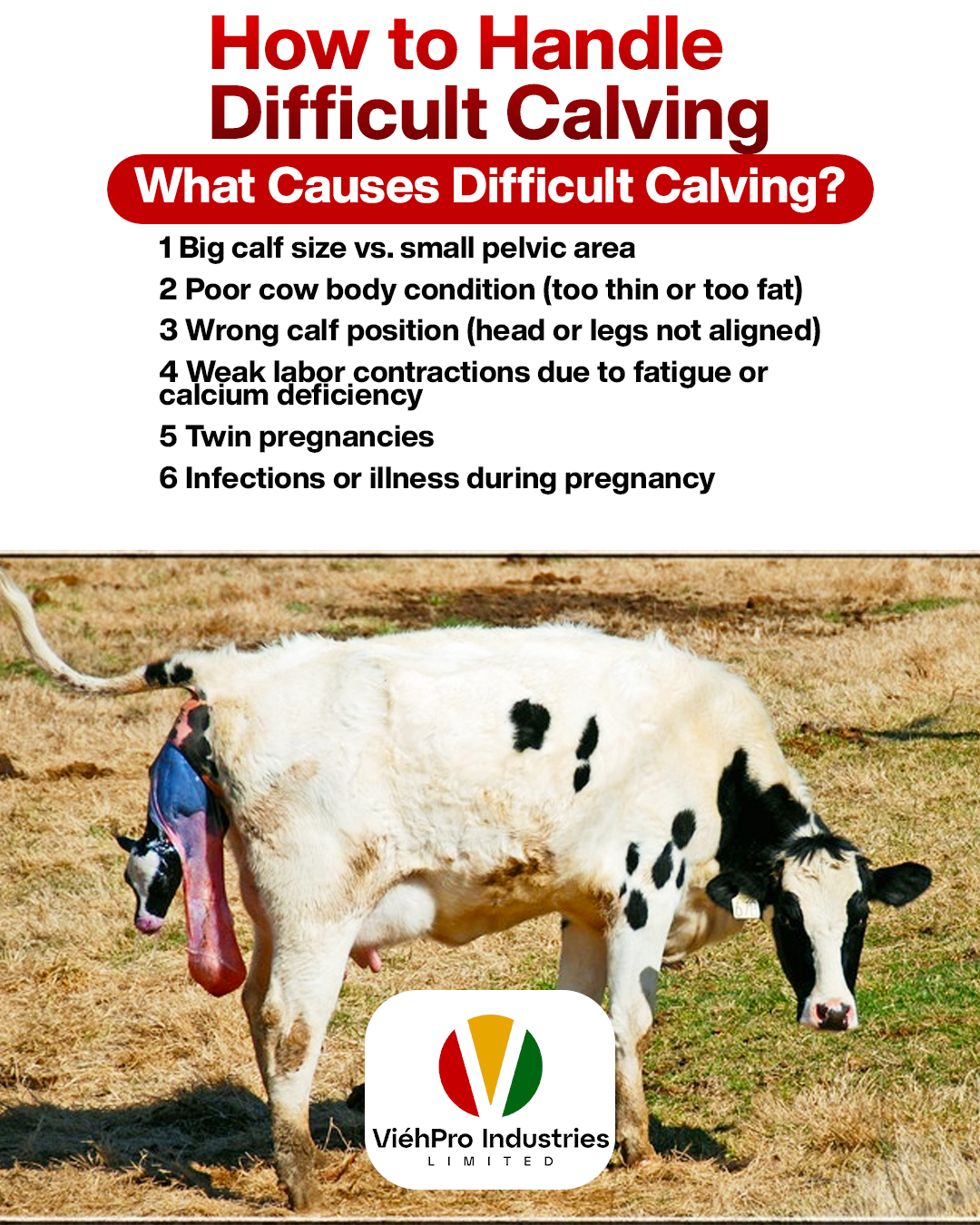
Dystocia refers to prolonged or difficult labor, where a cow is unable to deliver a calf without assistance. In some cases, veterinary intervention is required; in others, the cow or calf, or both, may not survive.
In many dairy farms across Africa, cows look healthy, well-fed, and even productive—but they’re not getting pregnant. Month after month, the farmer waits, hoping for signs of heat, only to realize too late that nothing is happening.
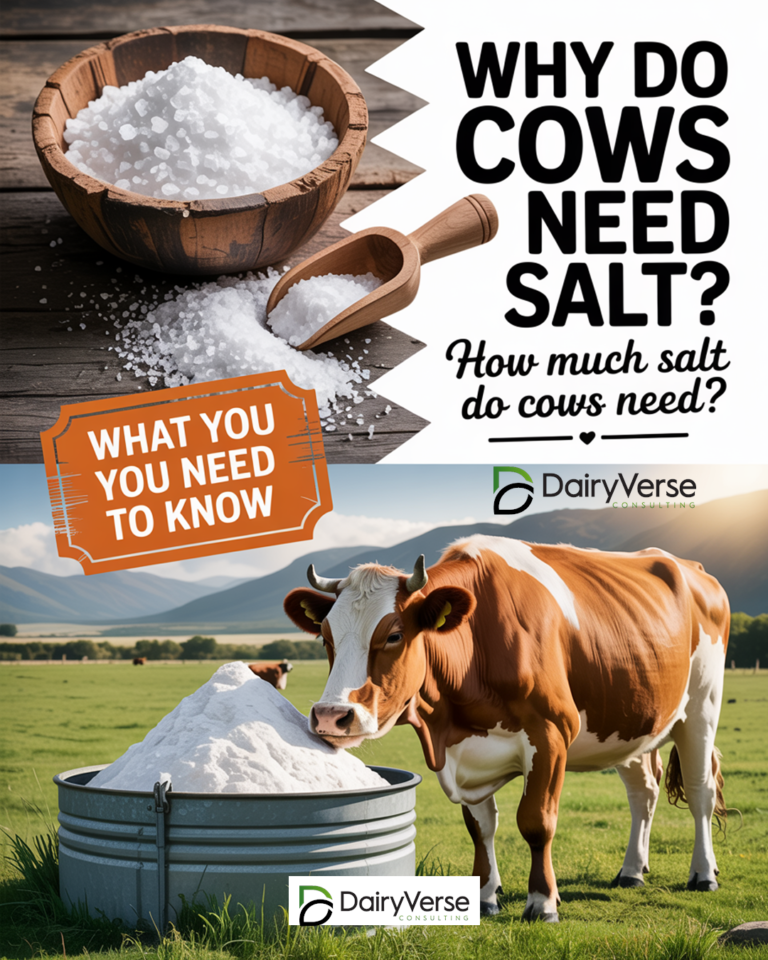
Salt is a vital nutrient in every cow’s diet. Just like humans, cows require salt (sodium and chloride) to maintain healthy bodily functions. Without it, their performance, milk production, and overall health can decline.