Address
304 North Cardinal
St. Dorchester Center, MA 02124
Work Hours
Monday to Friday: 7AM - 7PM
Weekend: 10AM - 5PM
Address
304 North Cardinal
St. Dorchester Center, MA 02124
Work Hours
Monday to Friday: 7AM - 7PM
Weekend: 10AM - 5PM
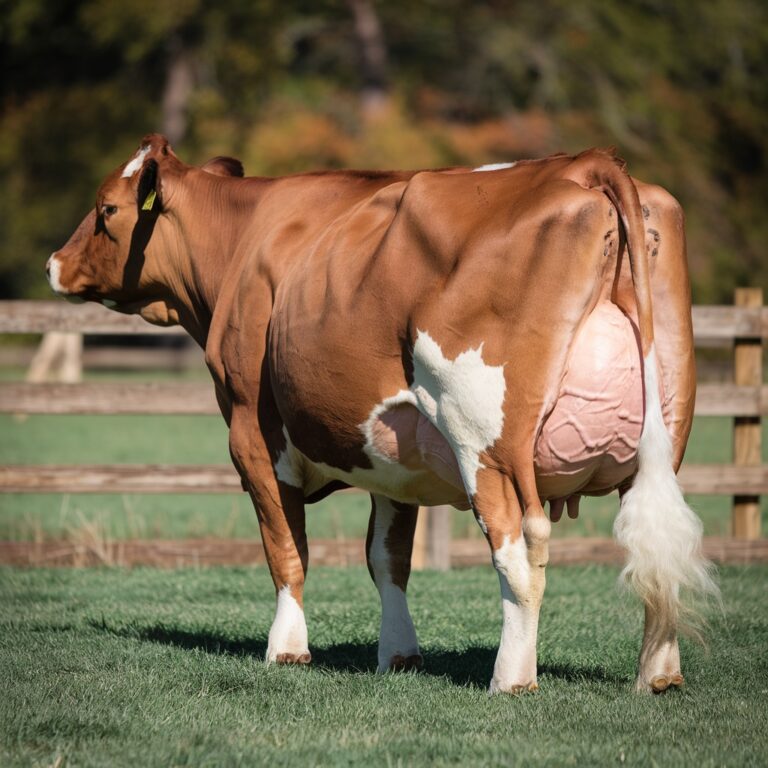
This story was shared by a friend, and it highlights how a lack of knowledge led to the loss of a beloved cow, Kared. Kared was an Ayrshire cow with excellent milk production. Her milk was always sold because we never drank it ourselves, as it was lighter than Holstein milk. But one year, after calving, Kared's health started to decline.
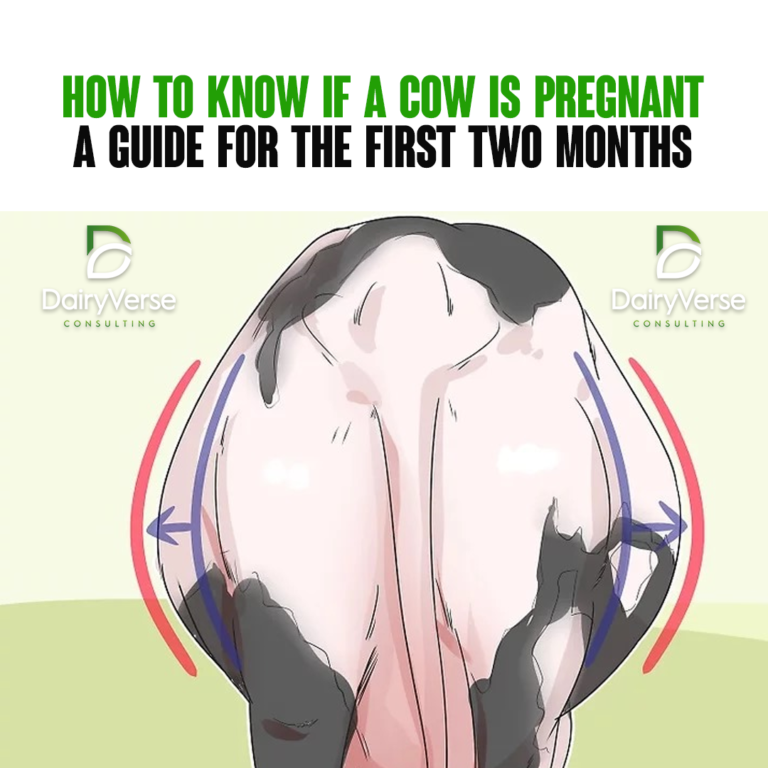
Determining if a cow is pregnant, especially during the first two months, can be challenging but is essential for effective herd management. Early detection helps farmers provide proper care, adjust feeding schedules, and ensure the health of both the cow and the developing calf. Here are some practical ways to identify pregnancy in your cows during the early stages.

While genetics are important, they’re just one part of achieving high milk production. A cow’s potential is maximized by its genetic makeup and proper nutrition, health management, and environmental care. Dairyverse offers a suite of products under the “Restore” category…

Udder edema is a common condition in dairy cows, especially during the period leading up to and shortly after calving. Characterized by a buildup of fluid in the udder, this swelling can be uncomfortable and may complicate milking, impacting both the cow's health and milk production. Understanding the causes, symptoms, and treatment options for udder edema can help dairy farmers manage this condition effectively and promote herd health
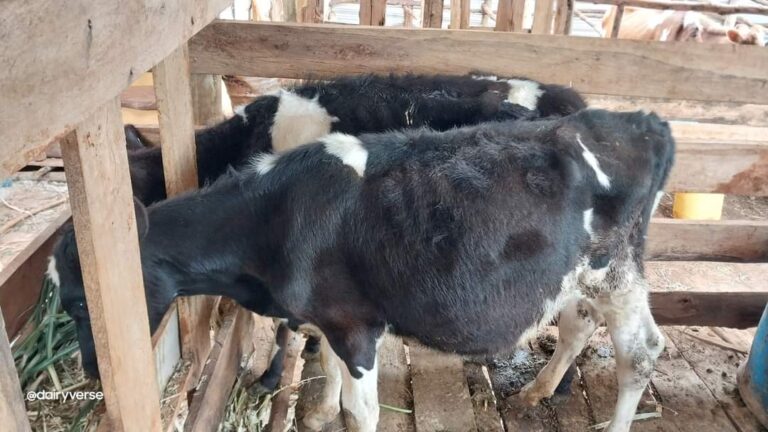
A big stomach (or enlarged abdomen) in calves can be due to various factors, some of which are normal and others that may indicate health issues. Here are some common reasons and their potential effects:
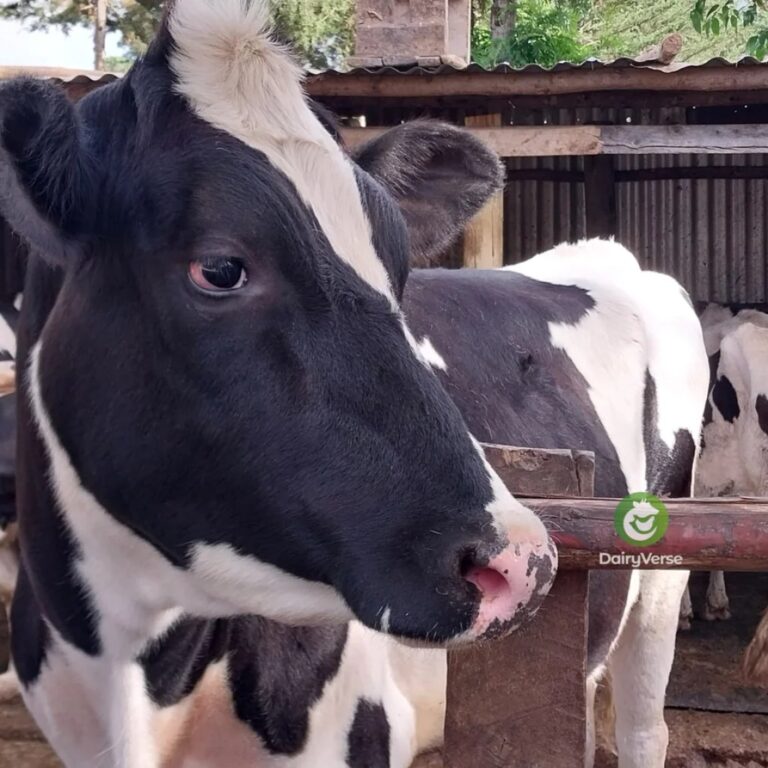
A cow or heifer during the last 8 weeks of pregnancy is referred to as a Dry Cow. Feeding your incalf animal at this stage is critical.
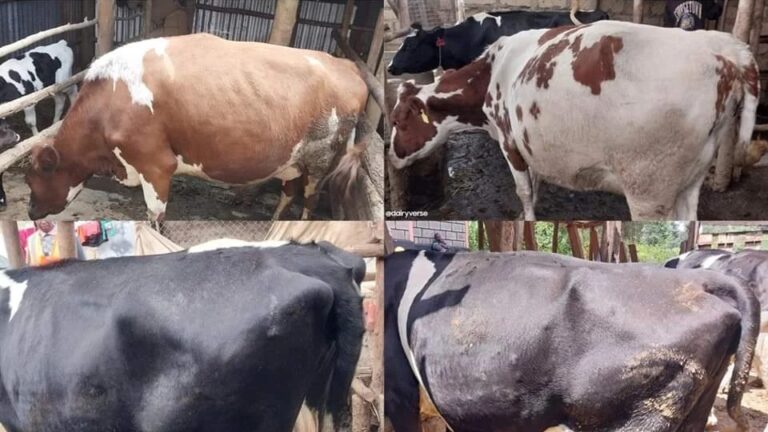
Embraced across Africa by all dairy investors! Don’t be left behind. These are the silver bullets in realization of your cattle’s best growth, production and reproduction potential!
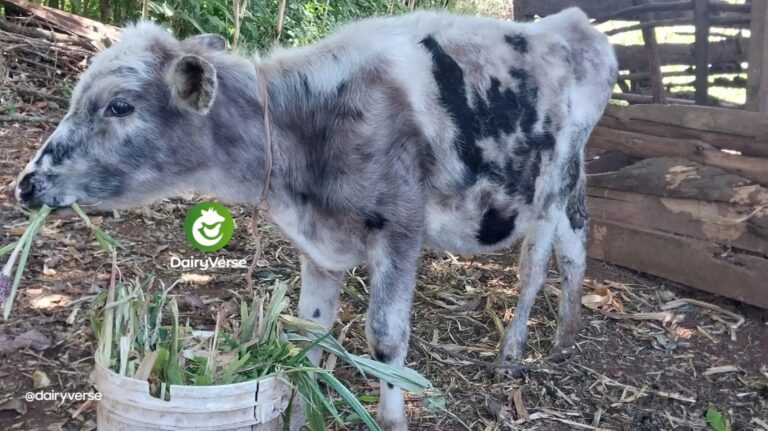
Provide high quality supplements that mimic and have same quality as milk in order to enhance her growth;
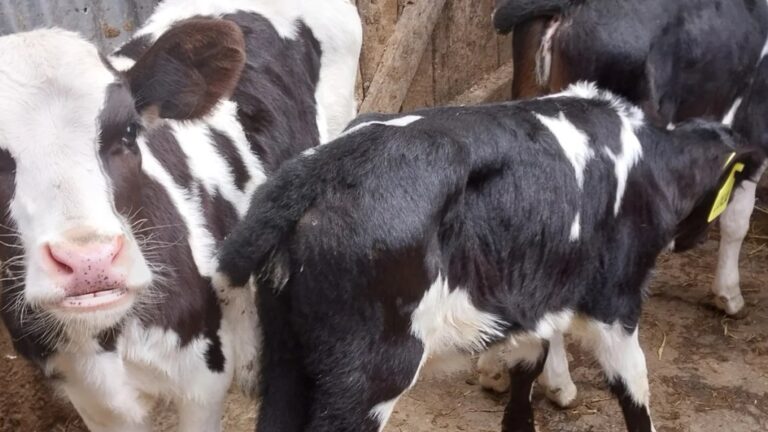
Ensuring the health and growth of young calves is crucial for dairy farmers. Healthy calves not only grow into strong cows but also contribute to the overall productivity of the farm
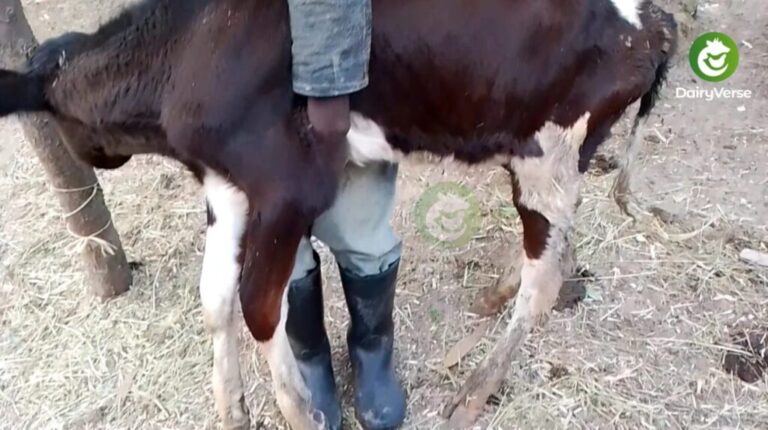
During the first 90 days of your calf’s life growth takes place very rapidly. Your calf needs to triple her birthweight in the first 3 months. This means that mineral demands are also high yet the amount of minerals she receives from her mother’s milk is limited.