Address
304 North Cardinal
St. Dorchester Center, MA 02124
Work Hours
Monday to Friday: 7AM - 7PM
Weekend: 10AM - 5PM
Address
304 North Cardinal
St. Dorchester Center, MA 02124
Work Hours
Monday to Friday: 7AM - 7PM
Weekend: 10AM - 5PM
Silage is an essential feed source for livestock, offering a cost-effective and nutritious alternative during periods of feed scarcity.
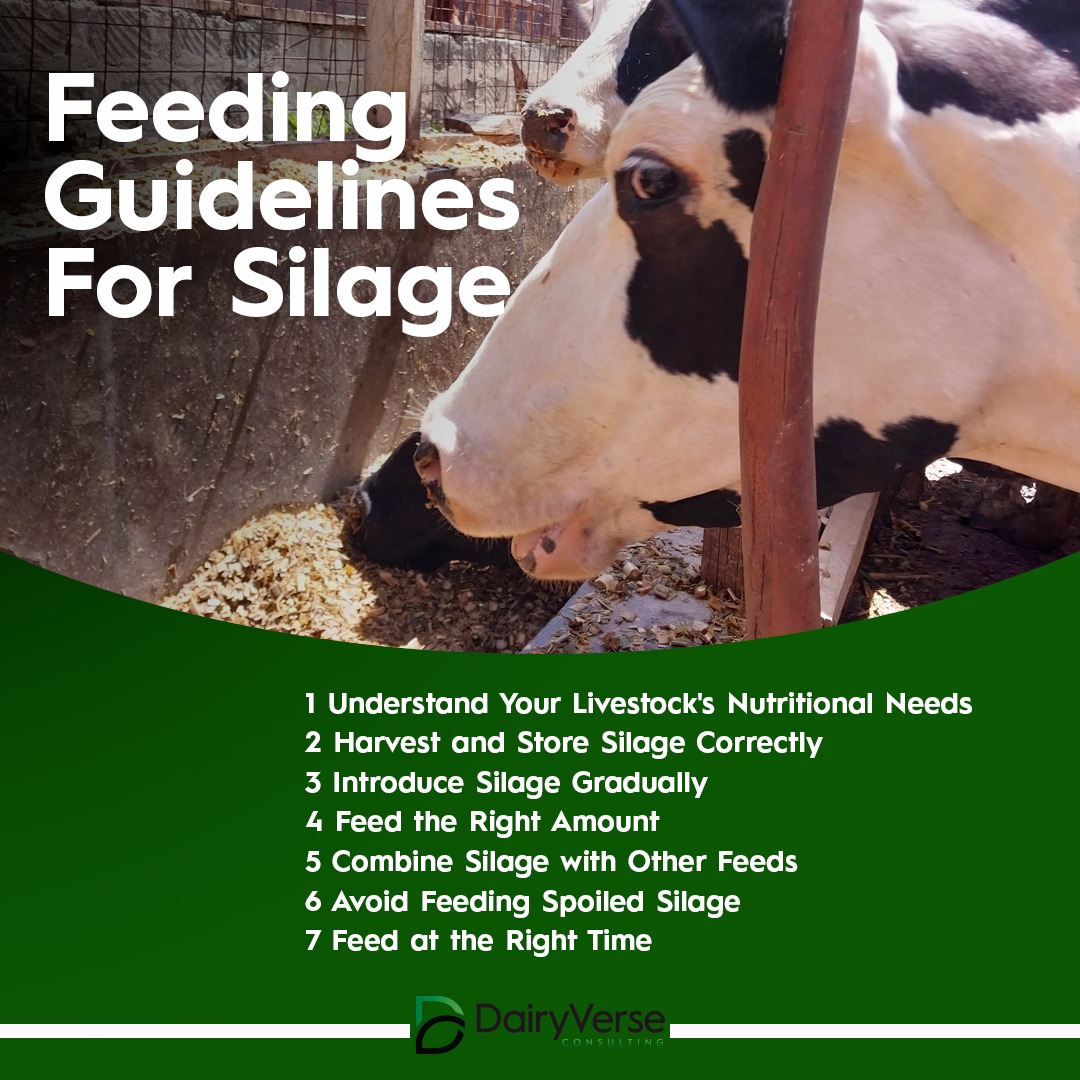
Silage is an essential feed source for livestock, offering a cost-effective and nutritious alternative during periods of feed scarcity. Made from fermented green forage crops such as maize, sorghum, or grass, silage provides a rich source of energy, fiber, and essential nutrients for animals. To maximize its benefits and ensure the health and productivity of your livestock, it’s crucial to follow proper feeding guidelines. Below is a detailed guide on feeding silage to your animals effectively.
Different animals have varying nutritional requirements depending on their age, stage of production, and purpose. For example:
Understanding these needs will help you determine the quantity and quality of silage to feed.
The nutritional quality of silage depends on how well it is harvested and stored. Poorly prepared silage can lead to nutrient loss and even health issues for livestock. Follow these tips:
When transitioning animals to silage, introduce it gradually to avoid digestive problems:
The amount of silage to feed depends on the type of livestock and their production goals. Here are general guidelines:
Silage alone may not meet all the nutritional requirements of livestock. It’s important to supplement it with:
A balanced diet ensures optimal growth, reproduction, and productivity.
Spoiled silage can harm livestock, leading to reduced performance and health issues. Signs of spoiled silage include:
Feed silage at consistent times each day to maintain a routine. This helps optimize digestion and reduces stress in livestock. Ensure feed is evenly distributed and easily accessible to all animals.
Regularly assess the performance and health of your livestock:
If performance is not as expected, consider adjusting the silage quality or supplementing the diet.
Silage is relatively dry compared to fresh forage, so animals will need access to clean drinking water at all times to aid digestion and prevent dehydration.
If you’re unsure about formulating a balanced diet, consult an animal nutritionist. They can help analyze the silage quality and design a feeding program tailored to your livestock’s needs.
Silage is an excellent feed source for livestock when fed correctly. By following these guidelines, you can ensure that your animals receive the nutrition they need for optimal health and productivity. Proper preparation, storage, and feeding practices will maximize the value of your silage, making it a sustainable and efficient choice for your farm.
For more tips on livestock feeding and farm management, stay tuned to our resources!