Days in Milk in Dairy Cows

Understanding Dairy Production Cycles

For dairy farmers aiming for optimal milk production, managing the days in milk (DIM) is crucial. DIM refers to the period after calving during which a cow produces milk. The target for an all-year-round calving herd is to maintain an average of 180 days in milk.

Why is 180 Days Ideal?

Milk yield naturally declines as cows progress through their lactation cycles, with an average decline of 10% per month. Beyond the ideal DIM, productivity decreases significantly. For instance:

  • A cow that typically produces 30 liters/day during peak lactation could see a loss of up to 3 liters/day if it reaches 210 days in milk.

This decline emphasizes the importance of closely monitoring calving intervals and herd fertility.


Maximizing Efficiency with Booster+®

To maintain consistent production and combat challenges associated with extended DIM, Booster+® is a valuable product designed to enhance the metabolism of dairy cows.

Key Features of Booster+®

  1. Metabolism Enhancement:

    • Booster+® improves metabolic processes in dairy cows, promoting overall health and productivity.

  2. High Protein and Energy Content:

    • This supplement is rich in protein and energy, essential for milk yield and overall well-being.

  3. Benefits of Booster+®:

    • Increased Milk Yield: Helps cows achieve higher milk production, particularly those lagging in yield.
    • Recovery Support: Aids in the swift recovery of previously ill cows.
    • Heat Onset Enhancement: Counters delayed heat onset in milking cows.
    • Body Condition Improvement: Contributes to better body condition and combats stunted growth.


Additional Tips for Dairy Herd Management

To optimize milk production and minimize losses:

  • Shorten Calving Intervals: Maintain calving intervals of around 12-13 months to avoid prolonged periods of declining yield.
  • Optimize Nutrition: Provide balanced diets tailored to the specific lactation phases.
  • Monitor Herd Health: Keep an eye on stress levels, diseases, and udder health to sustain productivity.

By combining proper herd management strategies with supplements like Booster+®, farmers can significantly improve milk yields and overall herd health, ensuring profitability and sustainability.


Understanding and Managing Udder Edema in Dairy Cows

Udder edema is a common condition in dairy cows, especially during the period leading up to and shortly after calving. Characterized by a buildup of fluid in the udder, this swelling can be uncomfortable and may complicate milking, impacting both the cow’s health and milk production. Understanding the causes, symptoms, and treatment options for udder edema can help dairy farmers manage this condition effectively and promote herd health.

What is Udder Edema?

Udder edema occurs when excess fluid accumulates within the udder tissue, leading to a swollen, firm udder. The udder may feel tight to the touch and sometimes even appear shiny. This condition typically affects heifers calving for the first time, although it can occur in cows of any age, especially during calving.

Causes of Udder Edema

Udder edema is generally the result of changes in blood flow and hormonal levels during late pregnancy and early lactation. Some common causes include:

  1. Hormonal Changes: As cows approach calving, certain hormones increase blood flow to the udder, preparing it for milk production. This hormonal shift can also lead to fluid retention.
  2. Dietary Factors: Diets high in salt or energy can contribute to fluid retention. Excessive salt intake, in particular, can lead to edema as it encourages the body to retain water.
  3. Lack of Exercise: Cows that are more sedentary during late pregnancy can experience slower circulation, which contributes to fluid buildup.
  4. Genetic Predisposition: Certain breeds and individual cows are more susceptible to udder edema due to genetic factors.

Recognizing the Signs and Symptoms of Udder Edema

Udder edema is usually identifiable by visual and physical signs, including:

  • Swelling and hardness in the udder area
  • A shiny or stretched appearance on the skin of the udder
  • Discomfort or pain during milking or movement
  • In severe cases, swelling can extend to the belly and hind legs

Why is Udder Edema a Concern?

While udder edema often resolves on its own, severe cases can lead to additional issues, such as:

  • Pain and Discomfort: The swelling can be uncomfortable and even painful for the cow, affecting her mobility.
  • Difficulties in Milking: The swollen udder may be harder to milk, making the process uncomfortable for the cow and challenging for the handler.
  • Increased Risk of Mastitis: Edema stretches and weakens udder tissues, making it easier for bacteria to enter, which increases the risk of infection.

Management and Prevention Strategies

Managing udder edema involves a combination of dietary adjustments, exercise, and supportive care to reduce fluid buildup. Key strategies include:

  1. Diet Management:

    • Reduce Salt Intake: Limit high-salt feeds, as salt contributes to fluid retention.
    • Balanced Diet: Provide a diet balanced in energy to support lactation without promoting excessive fluid retention.

  2. Encouraging Exercise:

    • Promote Movement: Cows that are encouraged to walk around have better circulation, which can reduce edema. Consider allowing pregnant cows access to pasture or other open spaces for exercise.

  3. Frequent Milking and Udder Massage:

    • Regular Milking: Milking more frequently can relieve pressure and reduce swelling.
    • Massage: Gently massaging the udder can promote fluid movement and relieve discomfort.

  4. Veterinary Support:

    • Anti-inflammatory and Diuretic Treatments: In severe cases, a veterinarian may prescribe anti-inflammatory drugs or diuretics to help manage swelling. These should only be used under veterinary supervision.

Conclusion

Udder edema is a manageable condition that, when addressed with proper diet, exercise, and supportive care, should not impact a cow’s long-term health or milk production. Recognizing the signs and knowing when to take action can ensure your cows remain comfortable and productive during this important phase of lactation. For severe or persistent cases, consulting with a veterinarian can provide additional support to keep your herd in optimal health.


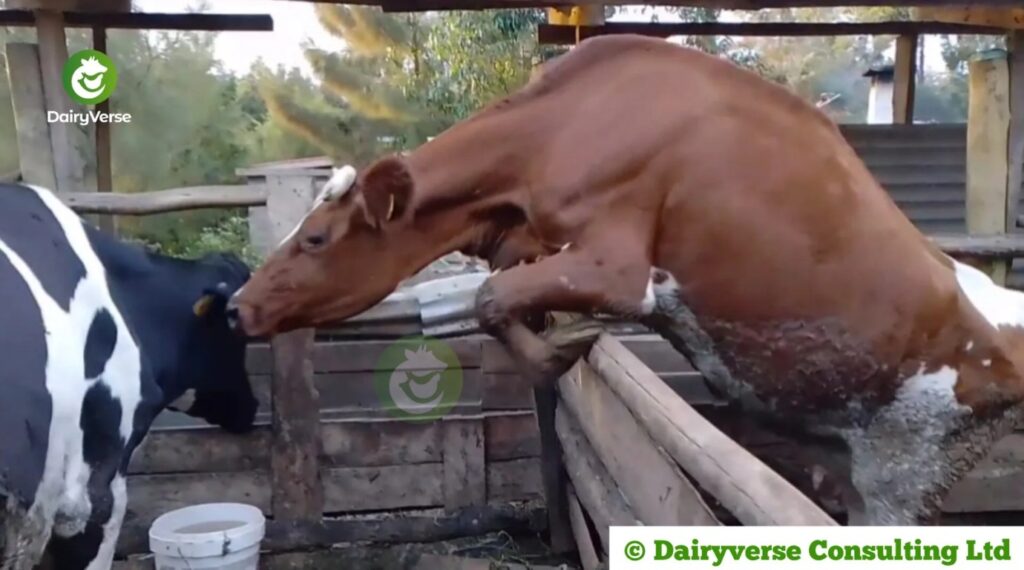
Avoid delayed onset of heat by proper rearing of your heifer

Proper management of heifers from a young age is key in achieving mature body weight for heat and high  milk yield. Our approach at Dairyverse is objective. We advise dairy investors to be focused on achieving the following;
1. The heifer to gain two thirds of mature body weight.
2. Be served at 15 months of age.
3. Get the her first calf at 24 Months of age.

Attainment of 2/3 of mature bodyweight at the appropriate age guarantees you of of timely onset of heat and high milk yield after calving. Also it sets a firm foundation for subsequent calvings at 1 calf per year. This means you’ll reap big through milk sales! Proper feeding and minimizing energy losses helps greatly to achieve the set objectives.
We need to get feeds that are of high quality and offer optimal quantities to our heifers. These feeds include high quality corn silage (preferably full-corn silage), bhoma rhodes, Super napier grass (cheaper and has high protein and energy content) and well grown pastures. It is important to note that a heifer has high demand for energy, protein and minerals at this stage since her body is growing rapidly towards achieving maturity. Do not make a mistake of limiting her feed intake lest you risk delayed onset of heat and exposure to high production cost. Allow them to limit themselves.

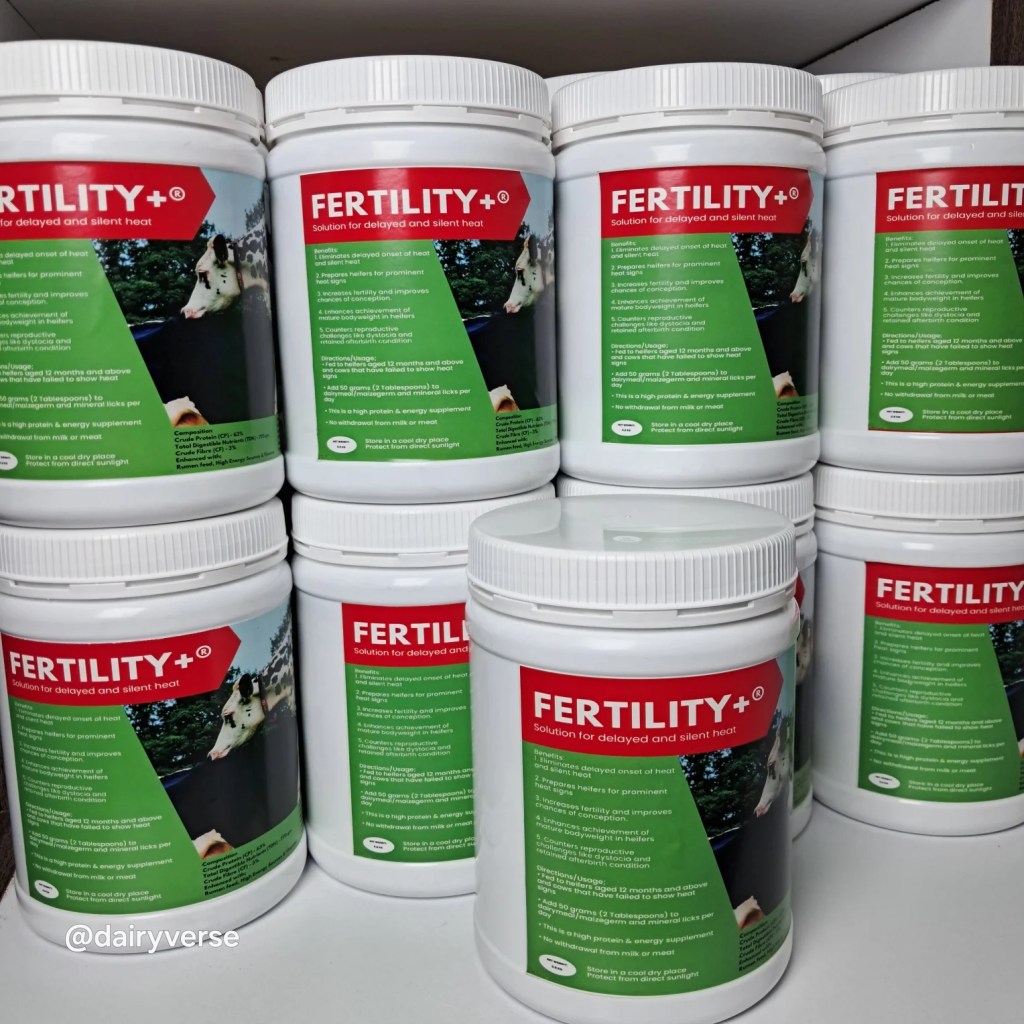
In order to enhance reproduction, a heifer needs minerals in sufficient quantities. Calcium is important for physical growth as well as proper muscle functioning. Other trace elements including Selenium, Manganese and Cobalt are important in maturity proper functioning of the reproductive system. You should ensure that you use a well formulated mineral lick for heifers. A good mineral lick for heifers should be introduced to the heifer from the age of 12 Months regularly till she is 7 months incalf. At 14 months and 1 week of age, you should introduce Fertility+®️  to your heifer for 36 days. This will help her sow clear heat signs at exactly 15 months of age and also improve conception rate. It contains protein, energy and trace elements that are important in reproductive health.

Proper feeding that is, provision of high energy and protein feeds, sufficient minerals and low stress to your heifer will work along way towards achieving your goal of building a profitable dairy empire.