Ketosis in Dairy Cows: Causes, Symptoms, and Prevention

Ketosis is one of the most common metabolic diseases in dairy farming, especially during the first few weeks after calving. It occurs when a cow’s energy demands for milk production are greater than the energy she takes in from feed. To bridge the gap, the cow mobilizes body fat, which leads to the production of ketones in the blood, urine, and milk. If not controlled, ketosis causes huge losses in milk production, fertility, and overall cow health.


Causes of Ketosis

  1. Negative Energy Balance (NEB):

    • After calving, milk production rises sharply, but feed intake lags behind. This imbalance forces the cow to burn body fat for energy, producing ketones.

  2. Over-Conditioned Cows at Calving (Fat Cows):

    • Cows that are too fat at calving eat less, leading to an even bigger energy gap.

  3. Poor Feeding Practices:

    • Low-energy rations, poor-quality forages, or sudden feed changes.
    • Insufficient carbohydrates, which are needed to properly utilize body fat.

  4. Other Stress Factors:

    • Difficult calving, retained placenta, mastitis, or metritis often trigger ketosis.


Signs and Symptoms of Ketosis

  • Rapid weight loss and poor body condition (thin, bony appearance).
  • Reduced appetite, especially refusal to eat concentrates.
  • Drop in milk production.
  • Dullness, weakness, or staggering (in severe cases, nervous ketosis).
  • A sweet, fruity odor (like nail polish remover) in breath, urine, or milk.

Prevention of Ketosis

  1. Proper Transition Cow Management:

    • Avoid over-conditioning during the dry period. Cows should calve at a Body Condition Score (BCS) of 3.0–3.5 (not too fat, not too thin).

  2. Balanced Rations:

    • Provide high-quality forage and sufficient concentrates in early lactation.
    • Include adequate fiber to maintain healthy rumen function.

  3. Feed Additives:

    • Niacin, rumen-protected choline, and monensin can help lower the risk of ketosis.

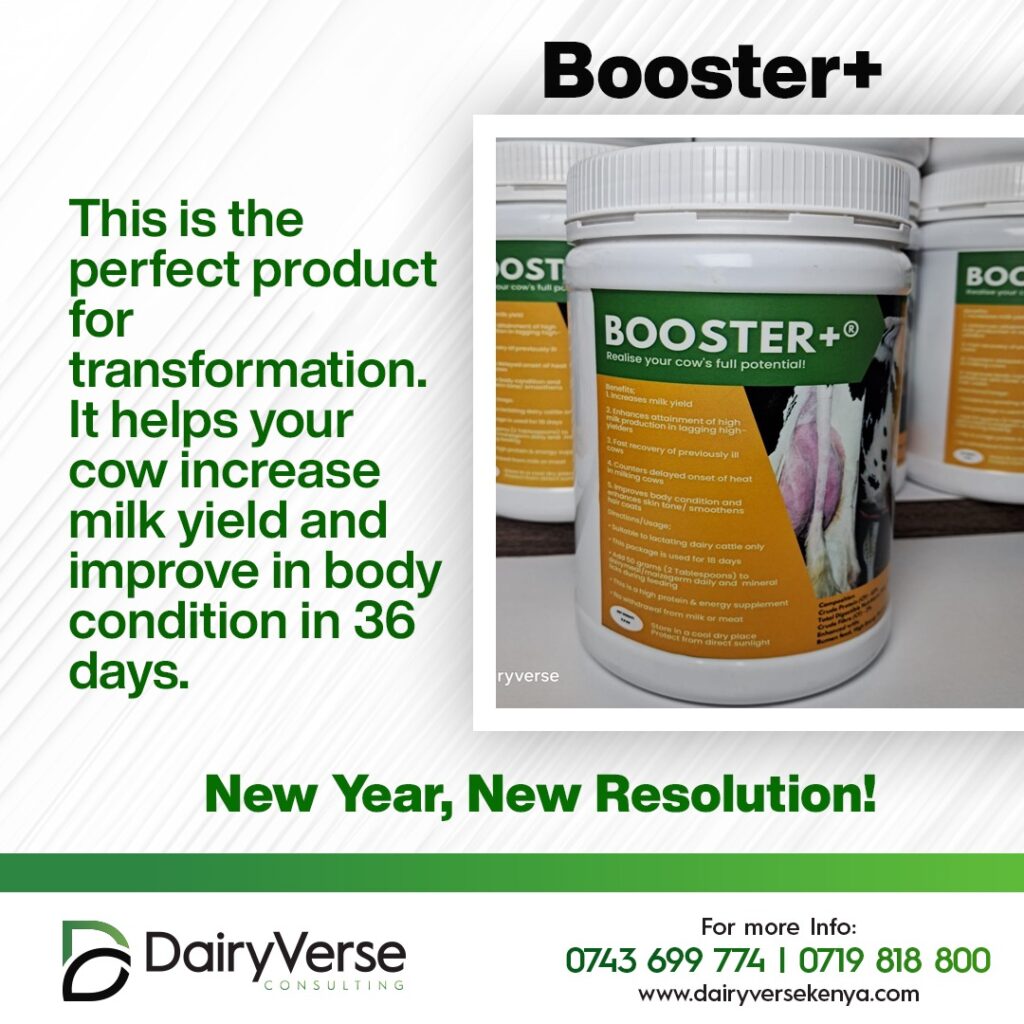
  4. Booster+® for Energy Support:

    • Since ketosis is one of the most common metabolic diseases in dairy farming, supplementing cows with Booster+® can play a vital role in prevention. ✅ Booster+® is given for 18 days and helps improve the cow’s metabolism (how the body uses food and energy). It also adds more protein and energy to the cow’s diet, reducing the risk of negative energy balance that often leads to ketosis. By supporting energy needs during early lactation, Booster+® keeps cows healthier, stronger, and more productive.

  5. Early Detection:

    • Regularly test cows for ketones (in blood, urine, or milk), especially high-yielders after calving.

  6. Good Calving Management:

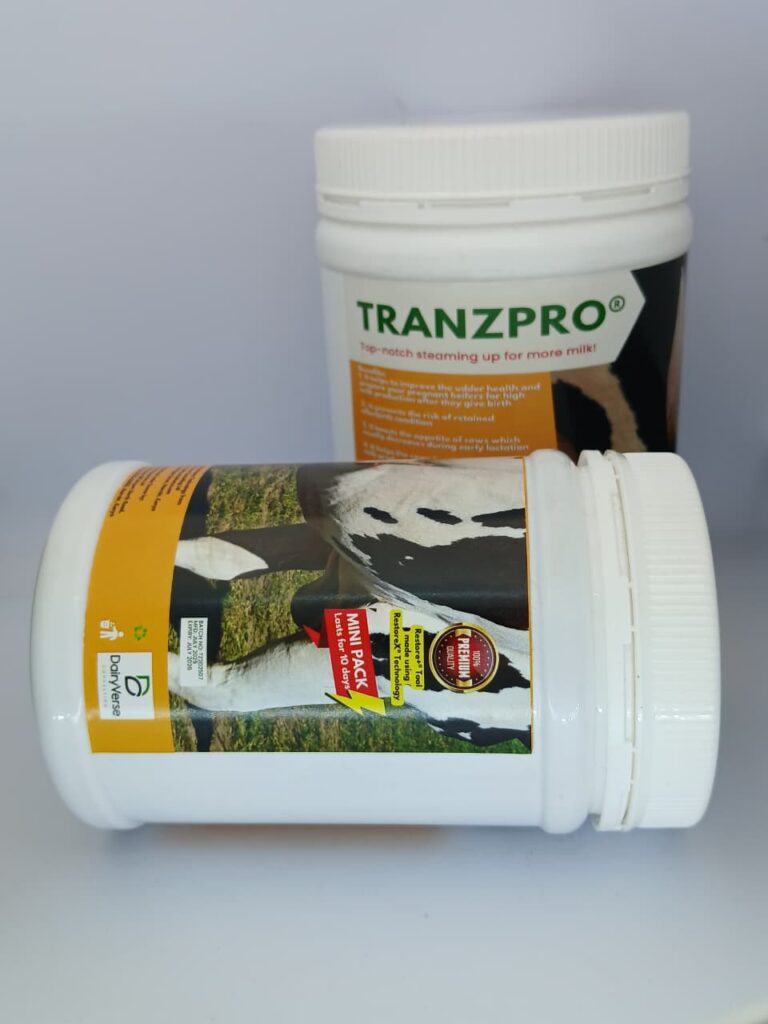
    • Steam up your cows 3 weeks before calving using Tranzpro®. This prepares the cow’s body, helps her calve smoothly, and ensures the placenta falls within 2 hours.
    • Minimize stress during calving.
    • Promptly address retained placenta, milk fever, or infections.


Conclusion

Ketosis is a silent thief in dairy farming, reducing milk yield, affecting fertility, and increasing vet costs. The most effective way to manage ketosis is not treatment, but prevention through proper feeding, transition management, and good calving practices. With the right support such as Booster+® and Tranzpro®, farmers can maintain strong, productive herds and avoid the heavy losses caused by ketosis.



How to Raise a Healthy, Productive Dairy Cow.

Raising a productive cow begins the moment the calf hits the ground. Follow this clean, practical path from day one to peak milk—and use the right Dairyverse support at the right time.


0–24 HOURS: COLOSTRUM = LIFE

  • Feed 4L within 2 hrs, another 2L by 12 hrs (adjust for breed/size).
  • Dip the navel, dry the calf, provide warmth and clean bedding.
  • Offer warm water after first feeding.

Common mistakes to avoid

  • Late/low‑quality colostrum
  • Dirty bottles/teats
  • Cold housing and drafts

WEEK 1–4: MILK PHASE, STRONG START

  • Milk or replacer at body temp (37–39°C), consistent schedule.
  • Calf starter + soft hay from week 1.
  • Clean water available all day.

Dairyverse at this stage (from 1 month): Ndamaplus® — 12.5 g/day

  • Promotes daily weight gain
  • Counters stunting
  • Reduces post‑weaning stress
  • Boosts immunity
  • Sets up timely heat later in life

MONTH 1–3: WEANING WITHOUT SETBACKS

  • Wean gradually once the calf eats enough starter (target 1–1.5 kg/day).
  • Keep feed fresh; avoid sudden ration changes.
  • Keep pens dry; control flies and coccidia.

Continue Ndamaplus® — 12.5 g/day (1–3 months)
Keeps growth on track and prevents the classic post‑weaning slump.


MONTH 3–15: GROWING HEIFER → FUTURE COW

  • Balanced ration (quality forages + minerals + enough energy/protein).
  • De‑worm, vaccinate, control ticks.
  • Track growth with a weigh‑tape; aim for steady frame and body condition.

Ndamaplus® — 25 g/day (3–15 months)

  • Sustains average daily gain
  • Prevents stunting
  • Strengthens immunity
  • Smooth transition to puberty and timely heat onset

12–16+ MONTHS: BREEDING READINESS

  • Breed on weight/size, not age alone (target adequate body condition; consult your vet/AI provider by breed).
  • Heat detection: tail paint, activity, visual signs morning/evening.

Fertility+® — 50 g/day (900 g pack) for heifers with heat/fertility challenges

  • Fixes delayed & silent heat
  • Improves conception rates
  • Supports safe delivery later (helps reduce dystocia & retained afterbirth)

PREGNANCY & DRY PERIOD: BUILD A STRONG FINISH

  • Good comfort, clean water, low‑stress handling.
  • Final 60 days (“dry period”): high‑quality forage, controlled energy, minerals.

Tranzpro® — 18 days BEFORE calving + continue 36 days AFTER

  • Improves udder health
  • Prevents retained afterbirth
  • Boosts appetite around calving
  • Speeds recovery and pushes faster to peak milk

FRESH COW & EARLY LACTATION (DAY 1–60): TURN ON THE TAP

  • Plenty of comfy lying space, cool water, total mixed ration (TMR) or balanced feeds.
  • Watch for milk fever, ketosis, metritis; act early.

Stay on Tranzpro® for the first 36 days postpartum to maintain appetite, recovery, and udder health.
Add Booster+® — 18‑day course (use for fresh cows that need a lift or any milking cow lagging in yield):

  • Enhances metabolism (high protein & energy)
  • Increases milk yield
  • Aids recovery after illness
  • Improves body condition
  • Helps counter delayed heat onset in milking cows

(You can run Booster+® during early lactation while on Tranzpro® if the cow needs both support streams; if unsure, consult your vet/nutritionist.)


THE PAYOFF

Follow this lifecycle plan and you’ll see:

  • Fewer calf losses & growth checks
  • Heifers that cycle on time and conceive earlier
  • Smoother calvings and quicker return to feed
  • Higher, more persistent milk yields

Healthy calves become champion cows. Dairyverse just makes the road smoother.

Where to get Dairyverse products

Find us at Tumaini House, 5th Floor, Moi Avenue (next to Kencom House), Nairobi.
We also deliver free nationwide via your nearest bus/Sacco. DM/call with your location and contact.

Important: Always keep your vet/AI provider involved for vaccinations, disease control, and breeding timing specific to your herd.


Why Your Cow Wakes Up with Whitish Discharge in the Eyes

It’s not unusual for farmers to notice whitish or thick discharge in the eyes of their cows early in the morning. While it may look like a minor problem, it could signal underlying health issues that need attention.

Possible Causes

  1. Eye Infections (Pinkeye / Conjunctivitis)
    – Caused by bacteria, viruses, or irritants like dust and flies.
    – Symptoms include watery or whitish discharge, redness, and sometimes cloudiness in the eye.
  2. Irritation from Dust or Feed Particles
    – Chaff, napier grass particles, or dust can irritate the eye, leading to discharge.
  3. Vitamin A Deficiency
    – Poor nutrition can cause weak eye health, making cows prone to discharge and infections.
  4. Parasitic Infestation (Thelazia worms / Eye worms)
    – Worms transmitted by flies can lodge in the eye, causing thick discharge and discomfort.
  5. Early Signs of Serious Disease
    – Some systemic infections like New Castle or Malignant Catarrhal Fever (MCF) can show eye discharge as an early sign.

What You Should Do

Clean the Eyes daily with clean water or a mild saline solution.
Control Flies & Dust in the cowshed to reduce irritation and infection.
Check Nutrition – provide feeds rich in Vitamin A (e.g., carrots, pumpkin, green fodder).
Use Eye Drops / Antibiotic Ointments if infection is suspected (consult a vet).
Deworm against eye worms if necessary.
Call a Vet immediately if the discharge is persistent, worsening, or the cow shows signs of blindness, fever, or loss of appetite.


The Dairyverse Solution

At Dairyverse, we emphasize that eye health = productivity. A sick cow with eye infections will feed poorly, get stressed, and reduce milk or growth performance.

👉 Timely action not only saves the eye but also improves overall herd health and farm yields.


Remember: Don’t ignore eye discharge in cows. Early detection and treatment can prevent blindness and boost your farm’s productivity.


Lumpy Skin Disease in Cattle: What Farmers Need to Know

What is Lumpy Skin Disease?
Lumpy Skin Disease (LSD) is a contagious viral disease affecting cattle, characterized by the appearance of firm, round skin nodules all over the body. It spreads rapidly through biting insects such as mosquitoes, flies, and ticks, and can also spread through contaminated equipment, feed, or direct contact with infected animals.

Signs to Look Out For:

  • Firm, raised lumps on the skin, which may cover large areas of the body.
  • Swelling of the limbs and under the skin.
  • Fever and reduced appetite.
  • Drop in milk production.
  • Watery eyes and nasal discharge.
  • General weakness and reluctance to move.

Why It’s a Problem:
LSD affects productivity — infected cows produce less milk, lose weight, and their hides become damaged. In severe cases, it can lead to death, especially in weak or young animals.

Solutions & Control Measures:

  1. Isolation:
    Immediately separate infected animals from healthy ones to prevent spread.
  2. Veterinary Intervention:

    • There is no direct cure for LSD, but supportive care helps in recovery.
    • Your vet may recommend antibiotics to prevent secondary bacterial infections.
    • Anti-inflammatory drugs can reduce pain and fever.

  3. Vaccination:
    The most effective way to control LSD is through timely vaccination of the herd with an approved LSD vaccine.
  4. Vector Control:

    • Regular spraying with acaricides and insect repellents to control ticks, flies, and mosquitoes.
    • Maintain clean, dry animal housing to discourage insects.

  5. Nutrition & Support:
    Provide balanced, high-quality feed and plenty of clean water to help infected cows recover faster.

Prevention Tip:
Vaccinate your animals annually and maintain strict farm hygiene. Avoid bringing in animals from unknown sources without proper health checks.


3 Signs of Silent Heat in Cows, and How to Solve It.

ilent heat occurs when a cow is in heat but shows little or no obvious signs, making it difficult for farmers to detect. This can lead to missed breeding opportunities and reduced fertility rates.

Common Signs of Silent Heat:

  1. Stands Alone – The cow isolates herself from the herd.
  2. Restless – Increased movement, pacing, or unusual behavior.
  3. Low Milk – A sudden drop in milk production without illness.

Why It Matters:
When silent heat goes unnoticed, cows may miss their breeding window, leading to extended calving intervals and lower overall productivity on the farm.

How to Manage It:

  • Keep accurate breeding and heat detection records.
  • Observe cows during early morning and late evening when signs are more visible.
  • Work closely with a vet or breeding expert to identify and manage reproductive challenges.

Fertility+® – Your Solution to Silent Heat

Fertility+® is a specialized reproductive health supplement designed to enhance fertility in dairycows

Product Details:

  • Comes in a 900-gram pack.
  • Recommended daily usage rate: 50 grams.

Benefits:

  • Addresses reproductive challenges, including delayed and silent heat, dystocia (difficult labor), and retained afterbirth.
  • Guarantees improved fertility and conception rates in heifers.


Uterine Irrigation in Cows: What It Is & Why It Matters

Uterine irrigation is the process of flushing a cow’s uterus with a sterile solution to remove infections, debris, or retained fluids after calving. It’s a simple but effective practice that supports reproductive health and boosts conception chances.


✅ When is Uterine Irrigation Needed?

  • After retained placenta or difficult calving
  • In cases of metritis (uterine infection)
  • When there’s foul-smelling discharge
  • After artificial insemination failure in suspect cows

🧴 What’s Used for Irrigation?

  • Normal saline
  • Diluted antiseptic solutions (like Lugol’s iodine or mild povidone-iodine)
  • Herbal preparations (sometimes used under vet guidance)

🚜 Benefits of Uterine Irrigation:

  • Clears infection and pus from the uterus
  • Prepares the cow for better conception
  • Improves overall reproductive performance
  • Reduces the risk of systemic infections

⚠️ Important Notes:

  • Always done under veterinarian supervision
  • Proper hygiene is critical to avoid further contamination
  • Should not be done too frequently or without reason


🔟 Key Points Every Successful Dairy Farmer Must Master, by Dairyverse

Success in dairy farming doesn’t happen by luck, it’s a result of consistency, care, and smart systems. At Dairyverse, we believe in empowering farmers with the knowledge that transforms ordinary routines into profitable practices.

Here are 10 must-follow principles every dairy farmer should live by:


1. Excellent Animal Care 🐮
Your cows are the heart of your dairy farm. Prioritize their comfort, health, hygiene, and stress-free environment. A cared-for cow will reward you with good milk and long productive life.

2. Smart Feeding Practices 🌾
Feeding is more than quantity, it’s about quality and balance. Ensure the feed meets the cow’s nutritional needs at every stage. Invest in quality fodder, supplements, and minerals for high milk yields.

3. Reproductive & Health Management 🩺
Early detection of heat, timely insemination, and proper vet care are crucial. Prevent diseases before they spread, vaccinate on time, and use fertility boosters wisely.

4. Clean & Consistent Milking Routine 🥛
Milk in a clean environment and on a regular schedule. Hygiene during milking prevents mastitis and contamination, keeping milk clean and cows healthy.

5. Record Keeping & Business Focus 📋
Track every cow, every liter, and every shilling. Good records help you understand performance trends and make better decisions. Dairy is not just farming, it’s a business.

6. Quality Infrastructure 🏗️
Strong sheds, clean water troughs, proper drainage, and a well-organized layout keep cows safe and make work easier. Don’t compromise on your farm’s physical structure.

7. Daily Commitment ⏰
Success in dairy doesn’t allow for laziness. Be present, be attentive, and show up daily. The cow’s routine is your routine.

8. Market & Value Addition 💰
Think beyond selling raw milk. Yogurt, cheese, ghee, or even packaging milk attract higher profits. Know your market and innovate your offering.

9. Continuous Learning 📚
Agriculture evolves. Keep learning,through training, digital platforms like Dairyverse, fellow farmers, and extension officers. Stay updated.

10. Sustainability Matters 🌱
Reuse water, manage waste, grow your own fodder, and practice environmentally friendly farming. Long-term success depends on responsible choices today.


🟢 At Dairyverse, we say: “A farmer with knowledge is a farmer with power.”
Implement these 10 principles and watch your dairy farm move from survival to success.


Understanding the Risk Factors for Mastitis in Dairy Cows

By Dairyverse

Mastitis is one of the most economically significant diseases in dairy farming, affecting milk quality, quantity, and the overall well-being of the cow. Understanding its risk factors is essential for effective prevention and management.

Here are the key contributors to mastitis:


🦠 1. Infectious Organisms

Bacteria such as Staphylococcus aureus, Streptococcus agalactiae, and E. coli are the primary culprits. These pathogens invade the udder tissue, leading to inflammation. Transmission often occurs through contaminated equipment or during milking.


🐄 2. Characteristics of the Cow

Some cows are naturally more prone to mastitis due to genetics, udder conformation, or teat structure. Older cows or those with a history of mastitis are at greater risk.


🧼 3. Milking Procedure

Poor milking hygiene, incomplete milking, or using dirty towels can introduce bacteria into the teat canal. Improper handling of the udder can also cause injury, increasing susceptibility.


🛠️ 4. Milking Machine

Incorrect settings or malfunctioning milking machines can damage the teat ends or fail to remove milk completely, creating an environment where bacteria can thrive.


🌍 5. Environment

Wet, muddy, or dirty conditions in the barn or paddock increase exposure to environmental bacteria. Clean bedding and a hygienic resting area are essential to prevent contamination.


Conclusion: Prevention is Key

Mastitis control requires a combination of good cow management, hygienic milking practices, regular equipment maintenance, and a clean environment. Early detection and prompt treatment can save both the cow and the farmer’s productivity.


🟡 At Dairyverse, we’re here to ensure your cows stay healthy and productive. Follow us for more dairy farming insights.


Understanding Limb Paralysis and Muscle Rupture in Dairy Cattle

Maintaining proper locomotion and musculoskeletal health in dairy cows is essential for productivity, comfort, and overall welfare. Below are two critical conditions affecting the hind limbs of dairy cattle that every farmer and herd manager should be aware of:


1. Obturator Paralysis

Overview:
Obturator paralysis is commonly associated with hiplock during calving. It involves trauma or compression of the obturator nerve, leading to dysfunction of the adductor muscles of the hind limbs.

Clinical Signs:

  • Inability to adduct (bring together) the hind limbs
  • Lateral splaying of the legs while attempting to stand
  • Stiffness or partial paralysis of the limbs

Management:

  • Immediate use of slings or hip lifters to assist the cow in standing and prevent further injury
  • Administration of nervine tonics as advised by a veterinarian
  • Provision of a soft, non-slippery surface for the animal to rest on
  • Supportive care, including monitoring feed and water intake

2. Rupture of the Gastrocnemius Muscle

Overview:
This condition involves damage to the gastrocnemius muscle, often resulting from trauma or deficiencies—particularly selenium deficiency.

Clinical Signs:

  • Sudden inability to bear weight on the hind limb
  • Flaccid (limp) tendon on palpation
  • Hock drops toward the ground, with the animal exhibiting difficulty rising

Risk Factors:

  • Nutritional deficiencies, particularly selenium
  • Slippery floors or sudden trauma during movement
  • Excessive strain on the muscle during parturition or handling

Management:

  • Veterinary diagnosis and supportive treatment
  • Selenium supplementation in areas known to be deficient
  • Limiting movement to reduce pain and prevent secondary injuries
  • Pain relief and anti-inflammatory medications as prescribed

DAIRYVERSE RECOMMENDS:
Early intervention is key. Maintain proper mineral supplementation, ensure safe calving practices, and provide adequate space to minimize slips and injuries.


Causes of Dystocia in Livestock

(Dystocia = Difficult or abnormal birth)

Did you know that the position of the calf inside the womb plays a major role in whether a cow will deliver smoothly or need assistance? When the calf is not properly aligned, it causes dystocia, which is a common challenge in livestock farming, especially during calving.

Here are some common fetal positions that lead to dystocia:


Normal Presentation

This is the ideal position. The calf is facing forward with both front legs and the head aligned properly in the birth canal.


Abnormal Presentations that Cause Dystocia:

  1. Hind Legs Extended
    The calf is coming out backwards with its hind legs stretched out. This can make delivery difficult and risky.
  2. Foreleg Retained
    One or both of the forelegs are folded backward, making it hard for the calf to pass through the birth canal.
  3. Head Bent Backward
    The calf’s head is bent back toward its body instead of facing forward—this blocks progress during delivery.
  4. Upside Down
    The calf is positioned with its back downward and belly up. This is not a natural alignment for birth.
  5. Backward with Feet Retained
    The calf is facing backward, and the hind legs are not extended, making it nearly impossible to deliver without intervention.
  6. Backward and Upside Down
    The most complicated one, calf is both upside down and coming backward, which poses high risk to both the cow and the calf.

🚨 Why Farmers Should Be Aware

If not managed early, dystocia can lead to:

  • Death of the calf
  • Injuries or death of the cow
  • Expensive veterinary bills
  • Long-term fertility problems

👨🏽‍⚕️ What Should a Farmer Do?

  • Observe: Keep an eye on pregnant cows as they near calving.
  • Call a Vet: Any delay or abnormal labor should be addressed fast.
  • Prepare: Learn basic birthing positions so you can spot trouble early.
  • Use Supplements: Nutritional support improves muscle tone and calving ease.