Boosting Milk Yield: Practical Tips for Dairy Farmers in Kenya

In Kenya, dairy farming is a vital source of income for many smallholder farmers. Maximizing milk yield from dairy cows is essential for profitability and sustainability. This blog will explore actionable strategies and best practices for improving milk yield in dairy cows across Kenya.

1. Selecting Quality Breeds:
– Choose dairy cow breeds known for high milk production, such as Friesians, Ayrshires, or Jerseys.
– Consider crossbreeding programs to capitalize on hybrid vigor and improved milk production traits.
2. Nutrition Management:
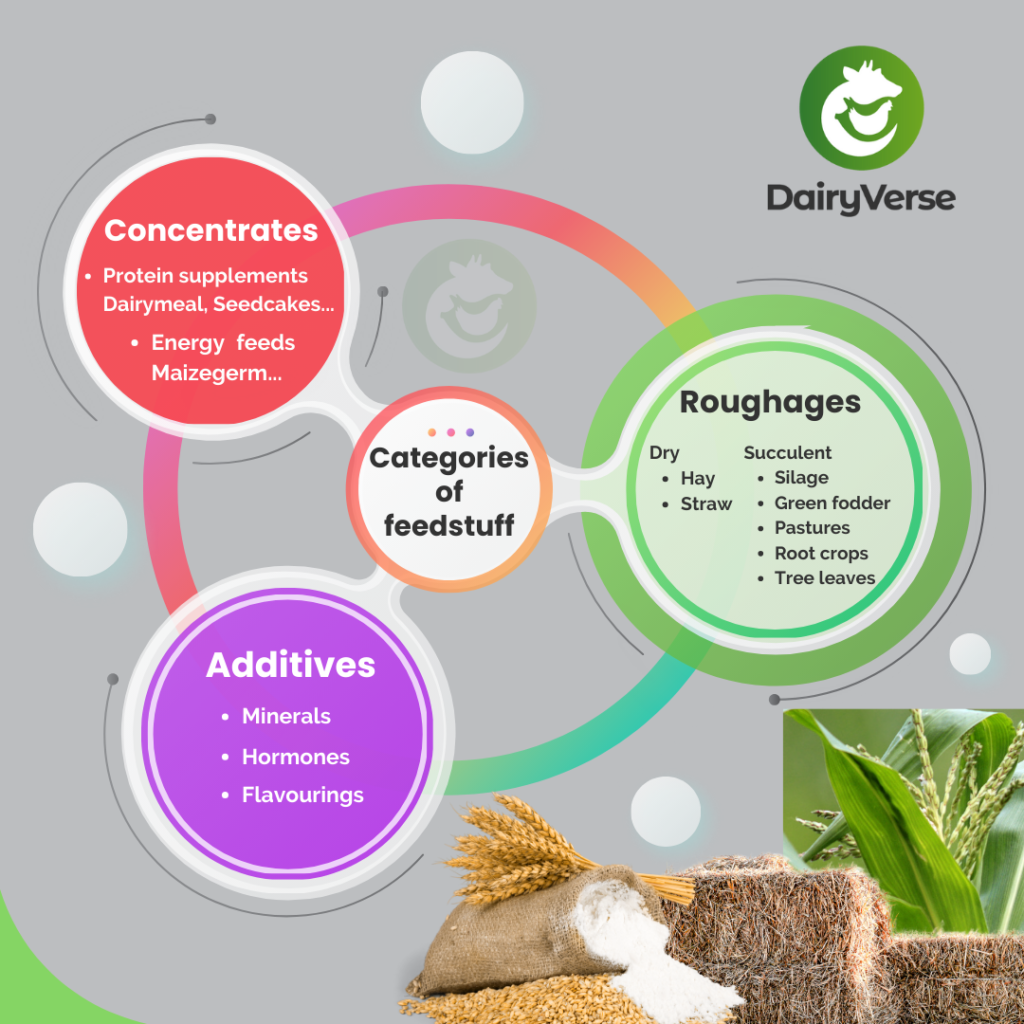
– Provide a balanced diet rich in nutrients, including protein, energy, vitamins, and minerals.
– Utilize locally available feed resources such as Napier grass, maize stover, and leguminous forages.
– Supplement with commercial dairy concentrates to meet cows’ nutritional requirements, especially during lactation. You can make dairymeal at your farm, to get a formula, click here.

3. Proper Feeding Practices:
– Implement a consistent feeding schedule to maintain rumen health and optimize digestion.
– Ensure access to clean water at all times, as hydration is crucial for milk production.
– Monitor body condition scores and adjust feeding regimes accordingly to prevent under or overfeeding.

4. Improved Breeding Techniques:
– Embrace artificial insemination (AI) services to access superior genetics and improve the overall quality of the herd.
– Implement strategic breeding programs to synchronize calving intervals and maximize lactation periods. Heifers should come on heat at 15 months of age and milking cows should come on heat 45 to 60 days after calving. Incase of any delays, consult our experts for personalized solutions.

Chat on WhatsApp

5. Health and Disease Management:
– Establish a proactive herd health program, including regular vaccinations, deworming, and parasite control.
– Conduct routine health checks and promptly treat any illnesses or infections to minimize production losses.
– Practice proper mastitis prevention techniques, such as maintaining clean udders and implementing proper milking hygiene protocols.

6. Optimal Housing and Comfort:
– Provide well-ventilated, clean, and spacious housing facilities to minimize stress and promote cow comfort.
– Implement proper bedding management to reduce the risk of lameness and improve overall welfare.
– Invest in shade structures to mitigate heat stress during hot weather periods.

7. Effective Herd Management:
– Implement a robust record-keeping system to track individual cow performance, including milk yield, reproductive status, and health history. To get our Comprehensive Milk RecordCard, click here.
– Utilize technology solutions such as milk meters or milk recording systems to accurately measure milk production and identify high-performing cows.
– Rotate pastures and implement grazing management strategies to optimize forage utilization and maintain pasture quality.

8. Continuous Learning and Adaptation:
– Stay informed about advancements in dairy farming practices through training programs, workshops, and extension services. Learn more on how to improve
– Network with fellow dairy farmers and industry experts to exchange knowledge and learn from each other’s experiences.
– Embrace innovation and be open to adopting new technologies and techniques that can enhance milk production efficiency.

Conclusion:
Improving milk yield in dairy cows requires a holistic approach that encompasses genetics, nutrition, management, and health. By implementing these practical tips and embracing a continuous improvement mindset, dairy farmers in Kenya can optimize milk production, enhance profitability, and contribute to the growth and sustainability of the dairy industry.


How to feed your dairy calf

Provide high quality milk or milk replacers during the first 3 months. Milk replacer is a specially formulated powder that contains the nutrients that a calf needs for proper growth and development. It is usually made from skim milk, whey, or a combination of the two, and may also contain additives like vitamins and minerals. It is important to choose a milk replacer that is specifically formulated for dairy calves, as it will have the right balance of nutrients for their needs. You also opt for skim milk only. Get our latest calf rearing technologies guide here.

Follow the manufacturer’s feeding recommendations: The manufacturer’s feeding recommendations will provide specific guidance on how much milk replacer to feed the calf, how often to feed it, and how to prepare the milk replacer. It is important to follow these recommendations closely, as overfeeding or underfeeding the calf can lead to health problems.

Gradually transition to solid feed: As the calf grows and becomes more mobile, it will be ready to start consuming solid feed in addition to milk replacer. This usually begins around 2-3 weeks of age. Start by introducing small amounts of a high-quality calf starter feed, and gradually increase the amount over time as the calf becomes more accustomed to eating solids.

Provide clean, fresh water: It is important to make sure the calf has access to clean, fresh water at all times. Water helps to support proper digestion and hydration, and is essential for the calf’s overall health and well-being.

A well raised calf is the backbone of a thriving dairy venture. It is important to know feeding típs in calf management. The following are the main tips in calf feeding regimen:-
✓0 – 3 Days
Feed your calf purely on colostrum immediately after birth upto to the third day. Excess colostrum can be preserved.

✓1 month
Cow milk (3-4ltrs) + starter pellets, twice a day.

✓2 months
Cow milk (2-3ltrs) + starter pellets + soft feeds (sweet potato vines). Twice a day.
Deworm and introduce mineral lick.

✓3 months
Cow milk (1-3litres) + calf finisher pellets, twice a day. Deworm and introduce mineral block. Introduce Ndamaplus®️ for faster growth rate.

✓4 months
Calf weaner meal + Hay + Silage. Deworm.
After 5 months, feed the calf on hay, silage or napier grass.
Deworm after every 3 months till the calf is fully grown.

Monitor the calf’s growth and development: Keep track of the calf’s growth and development, and make adjustments to the feeding plan as needed. Consult with a veterinarian or a livestock nutritionist if you have any concerns about the calf’s nutrition or overall health.

By following these guidelines, you can help ensure that your dairy calf gets the proper nutrition it needs for optimal growth and development. To get a copy of our Calf rearing guide (Latest Calf Rearing Technologies), Click here.


Nutritional Requirements for Dairy Cows: Ensuring Optimal Health and Milk Production

A dairy cow’s diet is foundational to its health, productivity, and overall well-being. Proper nutrition ensures optimal milk yield, quality, and longevity. Here, we’ll break down the essential nutritional needs of dairy cows and how to maintain a balanced diet for maximum results.


1. Energy: Fuel for Production and Health

Energy is the primary nutrient requirement for dairy cows, especially those producing high milk volumes. Energy needs are met through carbohydrates, which make up a significant portion of the diet. Types of carbohydrates include:

  • Forages (like hay and silage): These are high in fiber and crucial for healthy rumen function.
  • Grains (like corn and barley): These provide quick energy, but should be balanced carefully to prevent digestive issues.

Energy intake should be monitored closely, as underfeeding can lead to weight loss and decreased milk production, while overfeeding can cause metabolic disorders.

2. Protein: Building Blocks of Growth and Lactation

Protein is vital for tissue repair, growth, and milk production. Dairy cows require both rumen-degradable protein (RDP) and rumen-undegradable protein (RUP). Here’s a breakdown of each:

  • Rumen-Degradable Protein: This type of protein is broken down by microbes in the rumen to form amino acids and nitrogen.
  • Rumen-Undegradable Protein: This protein bypasses the rumen and is digested in the intestines, providing direct amino acids for milk production.

Sources of protein include soybean meal, alfalfa, and canola meal. Balancing protein intake ensures cows have adequate amino acids, directly influencing milk yield and quality.

3. Fiber: Supporting Digestive Health

Fiber, primarily from forages, supports the cow’s rumen health, digestion, and nutrient absorption. Fiber is essential for:

  • Stimulating chewing and saliva production: This helps to buffer the rumen and prevent acidosis.
  • Encouraging healthy digestion: Cows need long fibers (effective fiber) that help maintain proper rumen contractions and movement.

Quality sources of fiber include silage, hay, and straw. Ensuring adequate fiber prevents digestive upset and maintains healthy milk production.

4. Minerals: Essential for Bone Health and Metabolic Functions

Dairy cows require a variety of minerals for structural development, metabolic reactions, and maintaining milk quality. Important minerals include:

  • Calcium and Phosphorus: Critical for bone health and milk production. Calcium deficiency, especially in high-producing cows, can lead to milk fever.
  • Magnesium: Essential for nerve and muscle function, particularly for cows grazing on lush pastures.
  • Sodium, Potassium, and Chlorine: These electrolytes support hydration, nerve function, and rumen health.

Mineral needs vary depending on lactation, forage quality, and regional soil conditions. A well-formulated mineral supplement can help maintain proper mineral levels.

5. Vitamins: Supporting Immune Health and Productivity

Vitamins play a vital role in supporting immune health, reproduction, and milk quality. Key vitamins for dairy cows include:

  • Vitamin A: Essential for vision, immune response, and reproduction.
  • Vitamin D: Important for calcium absorption and bone health.
  • Vitamin E: Works as an antioxidant and is vital for immune function.

Vitamin needs are often met through high-quality forage, but supplements may be necessary, especially in winter months or during periods of low forage availability.

6. Restore Products:

line offers a comprehensive range of benefits to support the reproductive health, growth, and productivity of dairy cows and calves. Each product in this line is designed to address specific challenges within dairy farming, ensuring optimal animal health and enhanced dairy operations:

  1. Fertility+®:

    • Enhances fertility and conception rates in heifers.
    • Addresses reproductive challenges like delayed and silent heat, dystocia, and retained afterbirth for improved reproductive outcomes.

  2. Ndamaplus®:

    • Promotes healthy weight gain and growth in calves, preventing stunted growth.
    • Reduces post-weaning stress and boosts immunity, supporting a smooth transition to adulthood and ensuring timely heat cycles.

  3. Tranzpro®:

    • Supports udder health and appetite during early lactation for pregnant heifers.
    • Minimizes the risk of retained afterbirth, accelerates peak milk production, and aids in recovery for cows post-calving.

  4. Booster+®:

    • Enhances metabolism with high protein and energy content, promoting overall health.
    • Increases milk yield, supports recovery from illness, and improves body condition, ensuring optimal productivity and timely heat onset.

7. Water: The Most Essential Nutrient

Dairy cows consume large amounts of water, as it’s essential for milk production, digestion, and nutrient transport. Cows producing milk need up to 120 liters (30 gallons) of water per day. Factors affecting water needs include:

  • Milk yield: Higher-producing cows need more water.
  • Environmental temperature: Warmer temperatures increase water requirements.
  • Diet composition: High-forage diets increase water intake, as more water is needed for fiber digestion.

Providing clean, fresh water is essential for cow health and productivity, ensuring that cows have access to water at all times.


Conclusion: The Importance of Balanced Nutrition

Proper nutrition is fundamental to a dairy cow’s health and milk production. Balancing energy, protein, fiber, minerals, vitamins, and water intake helps optimize milk yield, supports the cow’s immune system, and prevents metabolic diseases. Regularly consulting with a nutritionist and adjusting the diet to meet the cow’s changing needs throughout lactation can ensure a productive, healthy dairy herd.

Learn how to make Total Mixed Ration for your cows, Find full article, here.


How to make a Total Mixed Ration (TMR)

Increase your milk yield by feeding your dairy cow on a Total Mixed Ration (TMR)

So how can I make a TMR?

Here’s a complete guide,For starters, you should feed your cow on dry matter equivalent to 4% dry matter (DM) of it’s bodyweight per day.When making a TMR of a cow weighing 420Kgs Bodyweight, requires to feed on 17 Kgs Dry Matter (DM) per day. Therefore you should combine the following;-

Silage – 20Kgs (6kgs dry matter DM)

Bhoma Rhodes Hay – 5Kgs (4kg DM)

Machicha(Brewer’s Yeast) – 3Kg (850grams DM)

Home-made Dairymeal – 6Kg (6 Kg DM)

Booster+® – 50 grams (2 tablespoons) for 54 days continuous and repeat after 120 days.

Maziwa mineral lick – 150 grams (150gms DM)

We have received many questions from farmers on what to use incase you fail to get above ingredients. To replace silage and lucerne, you can consider the following options.

There are several options to replace the fodder content based on what is available at the farm. In majority of cases, you fine grassy weeds at the farm. Some are highly nutritious yet ignored by majority of farmers.

Some of these include kikuyu grass and winter ryegrass.

Leguminous weeds such as clovers and other common weeds like blackjack are readily available in most parts of our country.

There are other options for example use of Super Napier Grass. It has a minimum of 16% crude protein and this positions it as a game changer in ration formulations. You will need less amounts of concentrates and lucerne. This will help you save on feeding costs translating into tangible profits.

Did you know you can make Dairymeal and Machicha(Brewers yeast) at home? Get a copy of our formula today, click here.