Address
304 North Cardinal
St. Dorchester Center, MA 02124
Work Hours
Monday to Friday: 7AM - 7PM
Weekend: 10AM - 5PM
Address
304 North Cardinal
St. Dorchester Center, MA 02124
Work Hours
Monday to Friday: 7AM - 7PM
Weekend: 10AM - 5PM



Uterine infections are a significant concern for dairy farmers, as they can adversely impact cow fertility, milk production, and overall herd health. Addressing these infections promptly and effectively is essential to ensure optimal productivity in dairy operations.

Summer mastitis is a seasonal and costly condition affecting dairy and beef cows, particularly during the warm months.

Starting or expanding a dairy farm requires careful planning, and selecting the right location is one of the most critical decisions you’ll make. The success of your dairy farming business heavily depends on this choice, as it affects operational efficiency, cow comfort, and profitability. Here's what you need to consider:

When choosing the best dairy cow breed, it's important to focus on factors like milk production, adaptability to your climate, feed efficiency, and the purpose of your dairy farm.

While genetics are important, they’re just one part of the equation in achieving high milk production. A cow’s potential is maximized not only by its genetic makeup but also through proper nutrition, health management, and environmental care. Dairyverse offers a suite of products under the "Restore" category that supports cows through every stage of growth, from calves to lactating adults, to optimize production.

A bottle calf refers to a young calf that is hand-fed milk or milk replacer using a bottle instead of nursing from its mother. This method is often used for orphaned calves, those rejected by their mothers, or in dairy operations where calves are separated for management purposes. Raising a bottle calf requires proper care, nutrition, and attention to ensure healthy growth and development.
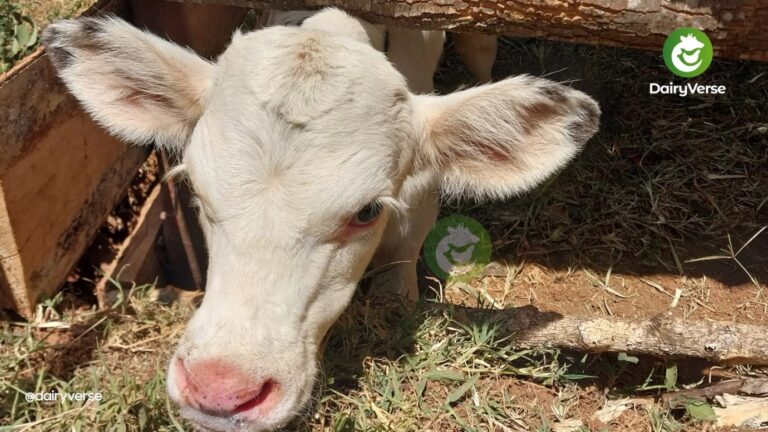
A thriving dairy herd is founded on a strong foundation. This involves proper rearing of dairy calves.
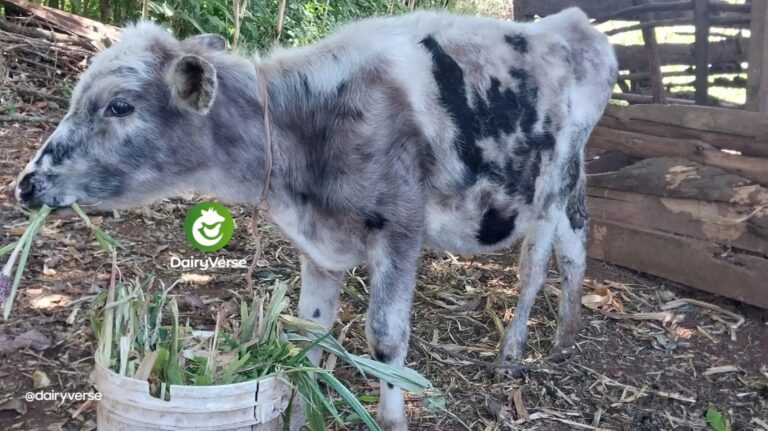
Provide high quality supplements that mimic and have same quality as milk in order to enhance her growth;
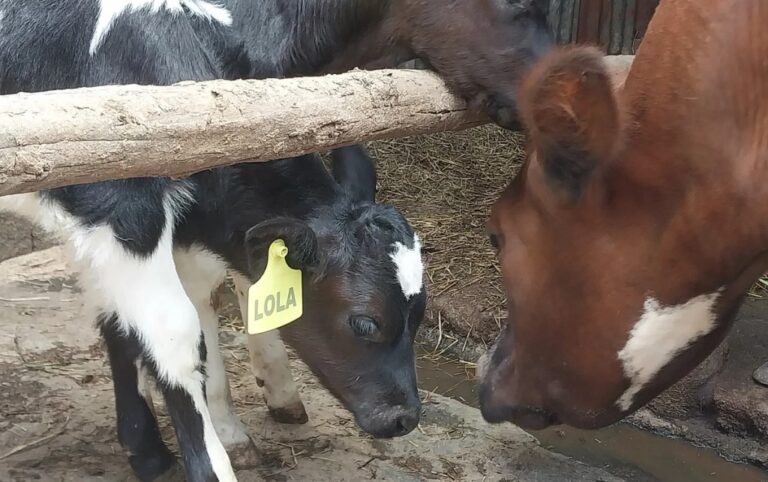
In order to enhance reproduction, a heifer needs minerals in sufficient quantities. Calcium is important for physical growth as well as proper muscle functioning
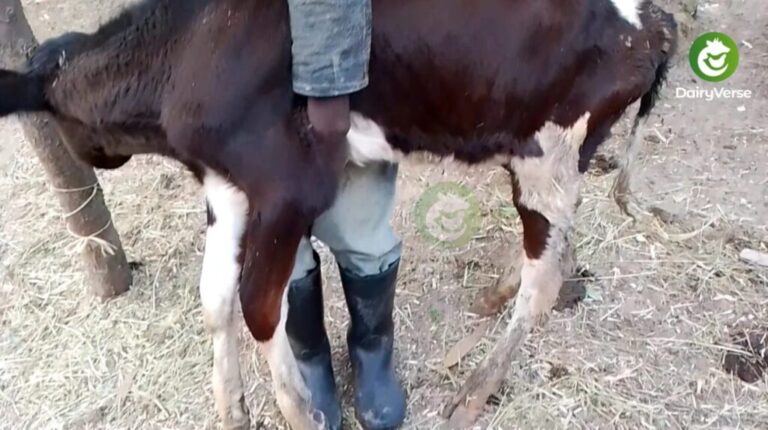
During the first 90 days of your calf’s life growth takes place very rapidly. Your calf needs to triple her birthweight in the first 3 months. This means that mineral demands are also high yet the amount of minerals she receives from her mother’s milk is limited.