Address
304 North Cardinal
St. Dorchester Center, MA 02124
Work Hours
Monday to Friday: 7AM - 7PM
Weekend: 10AM - 5PM
Address
304 North Cardinal
St. Dorchester Center, MA 02124
Work Hours
Monday to Friday: 7AM - 7PM
Weekend: 10AM - 5PM


Goat milk is a highly nutritious dairy product, packed with essential vitamins, minerals, and proteins that promote good health.

When cows consume Tagetes minuta, the compounds present in the plant are metabolized and transferred into the milk.
Dive deep into the heart of dairy farming with our latest video, where we explore the extensive dairy production system that feeds millions around the globe.
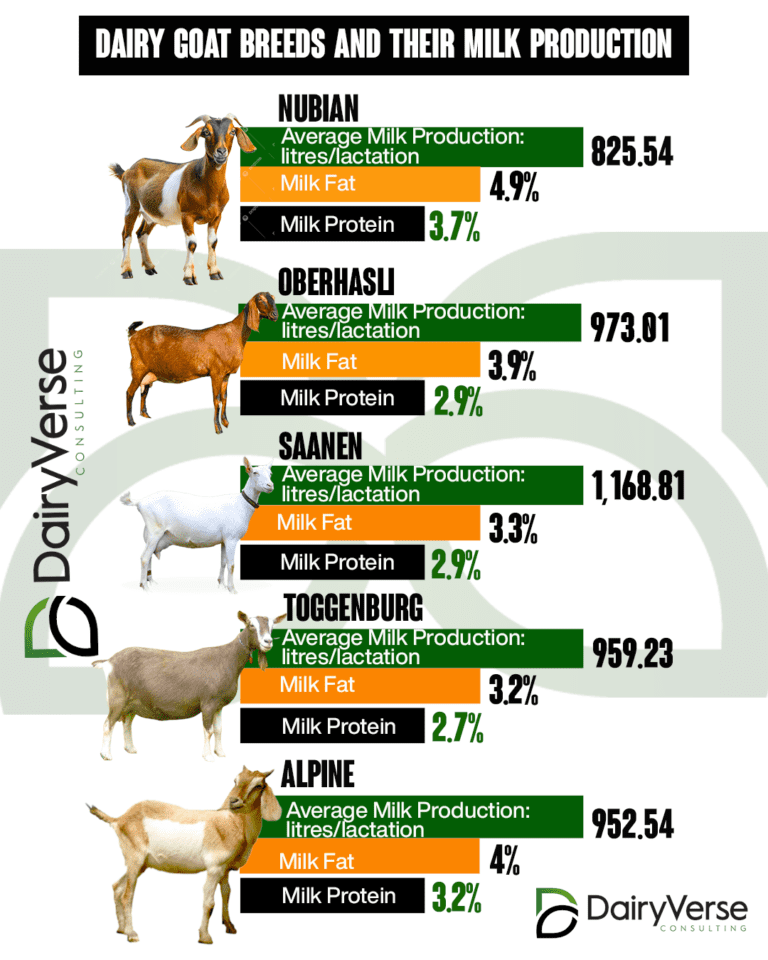
Dairy goats are a valuable source of milk for human consumption, offering nutritious and high-quality dairy products.

Feed intake is a crucial determinant of productivity, health, and reproductive efficiency in dairy cattle. Ensuring optimal nutrition during early lactation is particularly important for maintaining milk yield, body condition, and overall cow health.
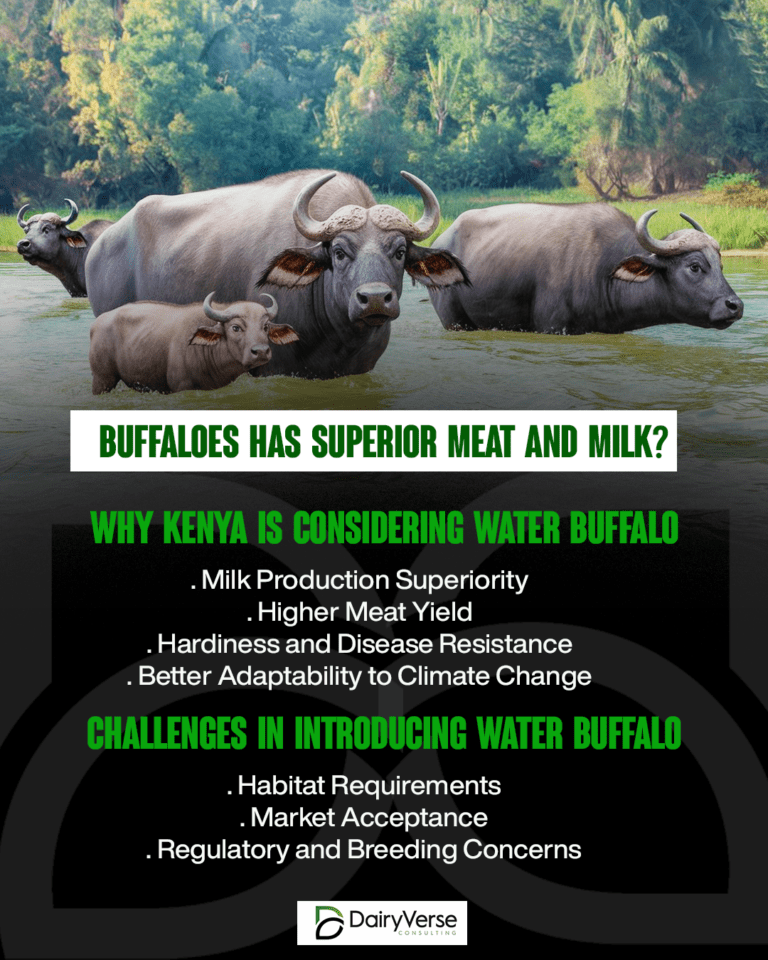
Water buffalo milk is rich in butterfat (7-8%) compared to cow’s milk (3-4%), making it ideal for producing dairy products like cheese, yogurt, and ghee.
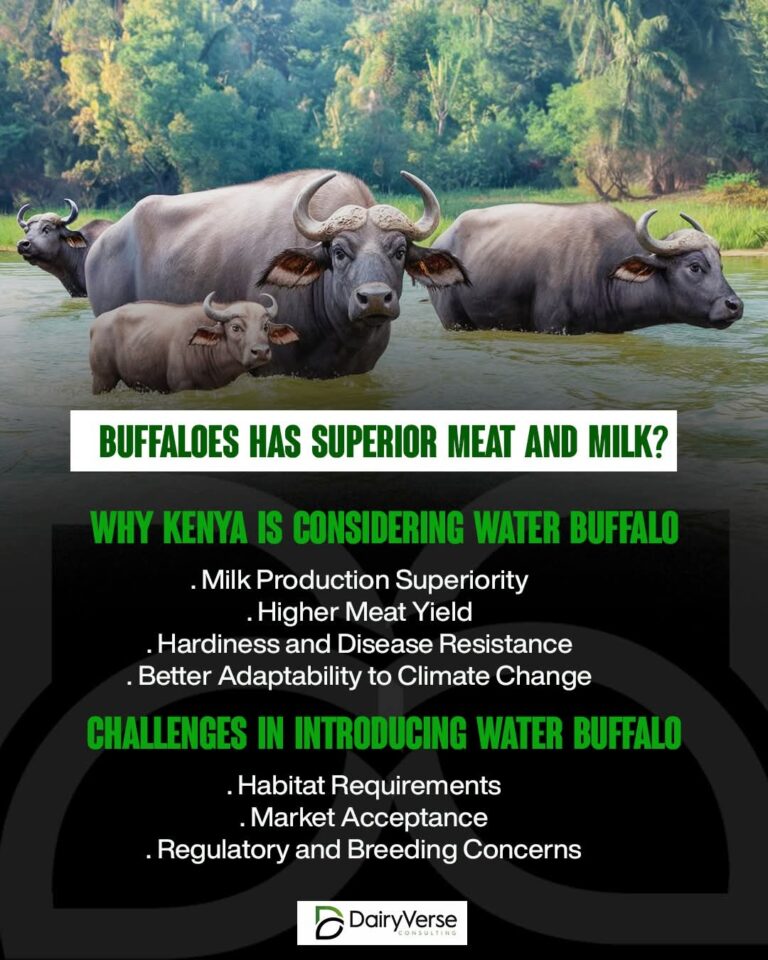
Kenya’s agricultural and livestock sectors are on the verge of a transformative shift with the potential introduction of South Asian water buffalo. Known for their superior meat and milk production, these buffalo species have been a cornerstone of the dairy and meat industries in countries like India, Pakistan, and Bangladesh.
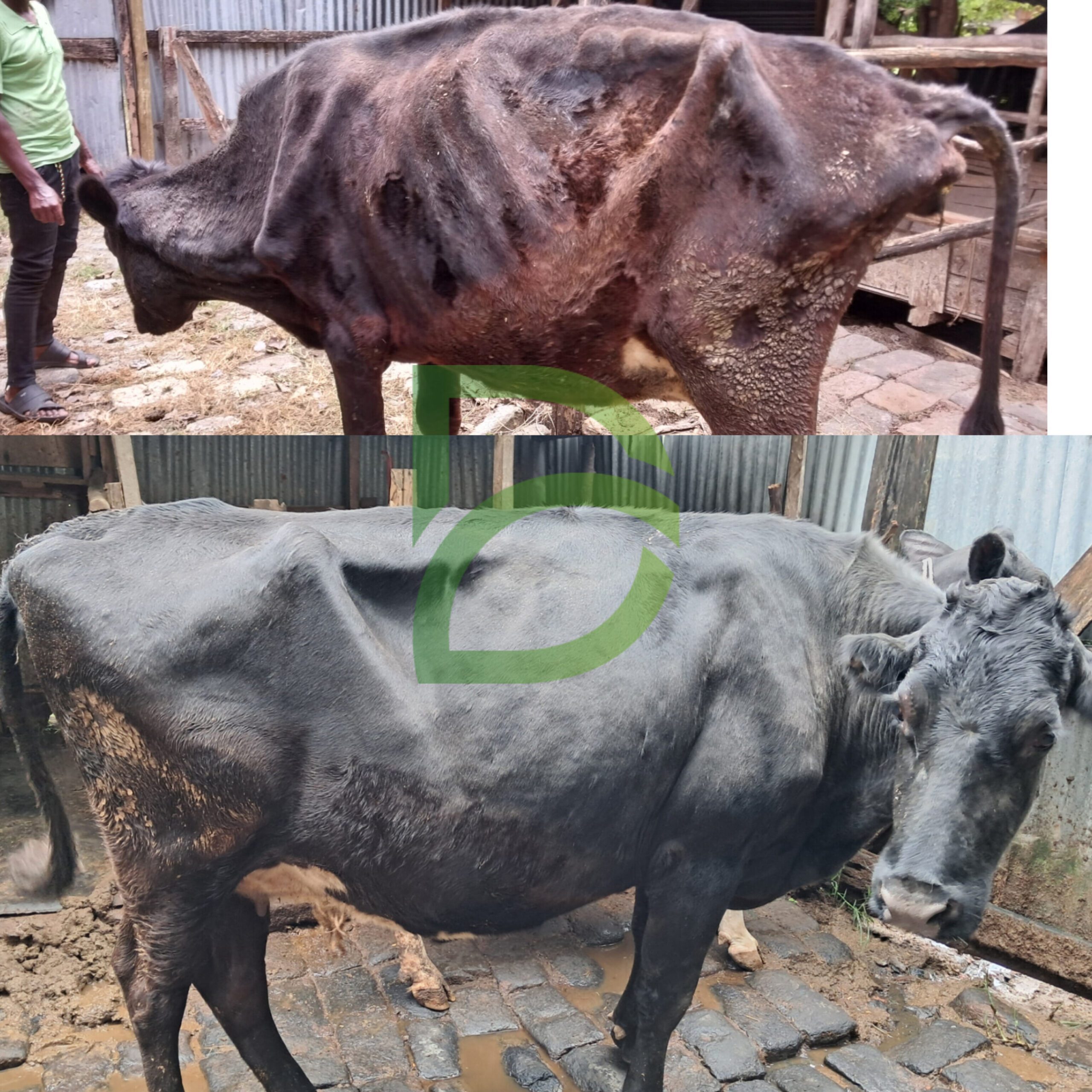
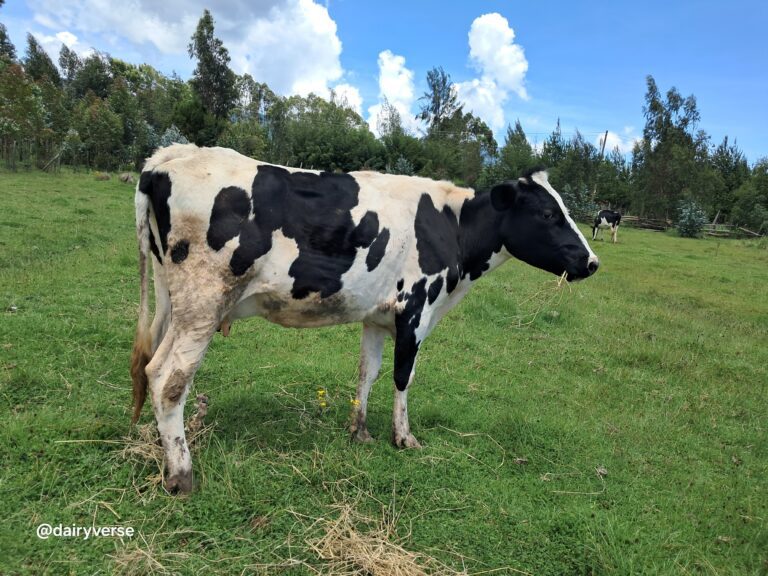
We begun this project at a time when the The animal was in poor body condition, suffered from silent heat and low yields.
This cow was bony, with brown coat and struggled to rise up and walk. This unfortunate case case as a result of post-calving stress that affects cows that calved down recently.
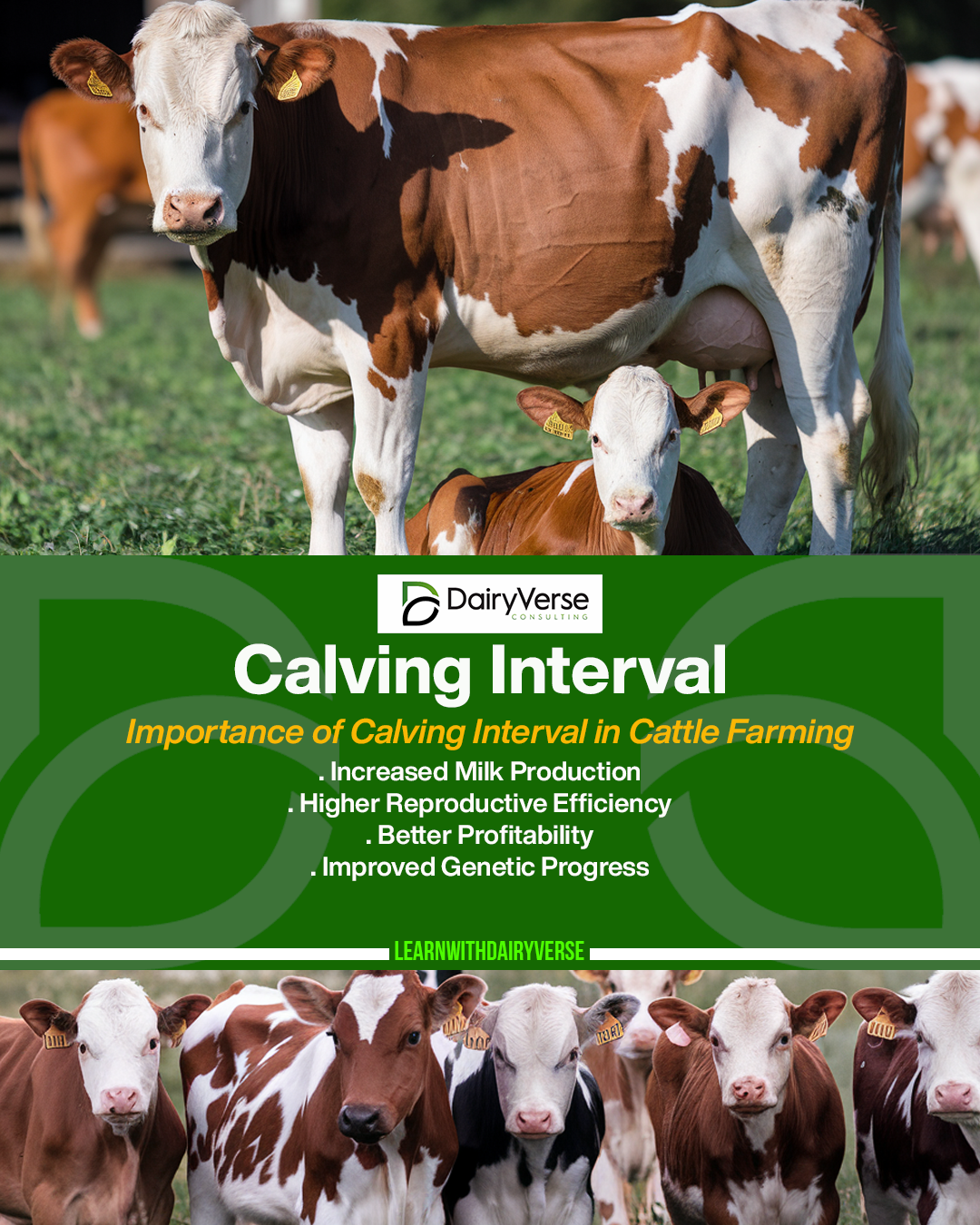
The calving interval is a crucial factor in cattle farming, influencing both productivity and profitability. It refers to the period between the birth of one calf and the subsequent birth of the next calf from the same cow.
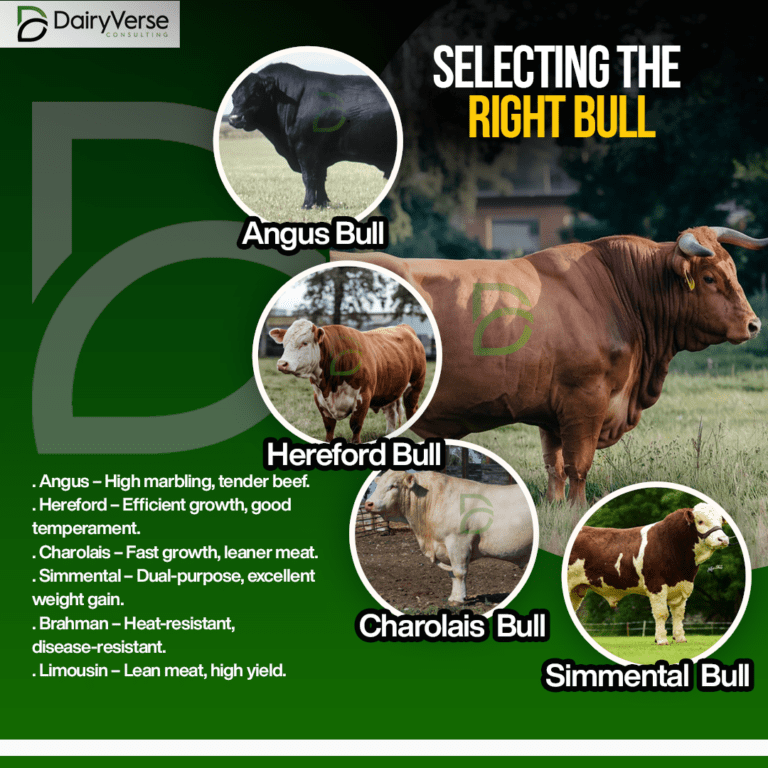
Raising a bull for meat requires careful selection, proper feeding, health management, and humane handling to ensure optimal growth, meat quality, and profitability.