Tranzpro®: Ensuring Safe Calving and Higher Milk Yields

A successful calving process is a crucial milestone for any dairy farmer. The well-being of the cow and the health of the newborn calf significantly impact milk production and farm productivity. Tranzpro®, a powerful solution for dairy producers, has once again proven its effectiveness in ensuring a smooth calving process and enhanced recovery.

One dairy farmer recently shared their experience after using Tranzpro®, expressing gratitude for a safe delivery. The placenta was expelled within just 2 hours and 30 minutes, a key indicator of good reproductive health. Retained placenta is a common challenge among dairy cows and can lead to infections or delayed conception. However, with the right supplementation, such risks are significantly minimized.

Beyond aiding in a smooth calving process, Tranzpro® ensures optimal udder health, boosts appetite during early lactation, and accelerates peak milk production. Farmers using this product can rest assured that their cows will yield heavily, improving overall farm profitability.

Usage Guidelines:

  • Start administering Tranzpro® 18 days before calving and continue for 36 days post-calving.
  • The recommended daily dosage is 50 grams (2 tablespoons).

Where to Get Tranzpro®:

  • Visit RNG Plaza, 5th Floor, Suite OF9, Ronald Ngala Street, Nairobi CBD.
  • Opt for delivery via your nearest Matatu/Bus Sacco.

Give your dairy cows the best chance at a smooth calving process and higher milk yields with Tranzpro®!


HOW TO MILK A COW PROPERLY & WHY IT MATTERS

Milking a cow is a fundamental skill in dairy farming, ensuring the animal’s health, hygiene, and optimal milk production. Following the right process prevents infections, improves milk quality, and ensures a stress-free experience for both the cow and the milker. Below is a step-by-step guide on how to milk a cow correctly and why each step is important.


1: WASH YOUR HANDS & LUBRICATE

  • What to do: Wash your hands thoroughly, then lubricate them with Vaseline or udder cream.
  • Why it’s important: Clean hands prevent bacterial contamination and keep the cow comfortable. Lubrication prevents friction, reducing irritation to the udder.

2: CLEAN THE UDDER & MASSAGE

  • What to do: Use a warm rag to wipe off any dirt, debris, hair, or manure from the udder. Gently massage the udder to relax the muscles.
  • Why it’s important: This step ensures milk remains clean and free from contaminants. The massage stimulates milk letdown, making milking easier and reducing stress for the cow.

3: PROPERLY GRIP THE TEAT

  • What to do: Place the teat at the base of your thumb and forefinger, ensuring a firm but gentle hold.
  • Why it’s important: This grip allows proper control of milk flow while preventing injury or discomfort to the cow.

4: CURL YOUR FINGERS & SQUEEZE DOWNWARD

  • What to do: Curl your fingers around the teat and squeeze in a downward motion against the palm of your hand. Avoid pulling.
  • Why it’s important: Pulling can cause pain and potential damage to the udder. The downward squeeze mimics the natural sucking motion of a calf, ensuring smooth milk release.

5: DISCARD THE FIRST FEW OUNCES

  • What to do: Squeeze the first few ounces of milk onto the ground before collecting the rest.
  • Why it’s important: The initial milk may contain bacteria or debris from the teat canal. Discarding it ensures that only clean, high-quality milk is collected.

6: MAINTAIN A STEADY MILKING RHYTHM

  • What to do: Use both hands, alternating between teats, to maintain a steady flow of milk into a clean bucket.
  • Why it’s important: A consistent rhythm prevents stress in the cow and ensures efficient milking. It also promotes continued milk production and prevents the cow from developing mastitis (udder infection).

FINAL THOUGHTS

Applying these proper milking techniques is essential for: ✅ Preventing udder infections (mastitis)Ensuring clean, high-quality milkKeeping the cow comfortable and stress-freeMaximizing milk production efficiency

By following these steps, farmers can maintain the health and productivity of their dairy cows while producing the best quality milk possible.


5 Natural Ways to Boost Milk Yield Without Chemicals

Milk production is the backbone of dairy farming, and increasing yield naturally can lead to healthier cows and better-quality milk. Many farmers seek ways to enhance milk output without relying on chemicals or artificial boosters. The good news is that several natural, sustainable strategies exist to achieve this. Below are five proven ways to increase milk production in cows without chemicals.

1. Optimize Nutrition with Balanced Feeding

A well-balanced diet is the foundation of high milk production. Cows require a mix of carbohydrates, proteins, minerals, and vitamins for optimal performance.

How to Improve Nutrition Naturally:

  • Provide high-quality forage: Ensure cows access fresh, nutrient-rich grasses and legumes such as alfalfa and clover.
  • Use natural supplements: Incorporate organic feeds like molasses, brewers’ grains, or fermented fodder to boost energy levels.
  • Ensure mineral intake: Calcium, phosphorus, and magnesium are crucial for milk production. Natural mineral licks can help meet their requirements.

2. Proper Hydration and Clean Water Supply

Water is one of the most critical components of milk production, as milk is composed of about 87% water. Ensuring cows have enough clean, fresh water is essential for increased milk yield.

Water Management Tips:

  • Provide 24/7 access to clean drinking water.
  • Regularly clean and refill water troughs to prevent contamination.
  • Use shaded or covered water sources to keep the water cool and fresh, especially in hot climates.

3. Improve Cow Comfort and Stress Management

Stress can significantly reduce milk yield. Comfortable, stress-free cows are healthier and produce more milk.

Ways to Reduce Stress Naturally:

  • Ensure proper housing and ventilation to keep cows cool and comfortable.
  • Maintain a regular milking routine to minimize disruptions and stress.
  • Provide adequate resting space with clean, dry bedding.
  • Allow cows to graze freely whenever possible, as natural movement promotes good health.

4. Use Natural Milking Techniques and Hygiene

Good milking practices can maximize milk output while maintaining udder health.

Best Practices for Natural Milking:

  • Maintain strict hygiene by cleaning the udder before and after milking to prevent infections.
  • Massage the udder gently before milking to stimulate milk letdown.
  • Milk at regular intervals, ideally twice a day, to maintain consistency.
  • Avoid overmilking or undermilking, as this can cause udder infections like mastitis.

5. Promote Natural Health Through Herbal Remedies

Natural herbs and plant-based remedies have been used for centuries to improve dairy production.

Some Effective Natural Remedies:

  • Fenugreek: Helps in increasing milk flow and is widely used as a lactation booster.
  • Garlic and Aloe Vera: Improves immune function and reduces inflammation in cows.
  • Moringa leaves: Rich in essential nutrients that enhance milk yield naturally.
  • Turmeric and neem: Help prevent mastitis and other udder infections.

Final Thoughts

Boosting milk production naturally requires a holistic approach that prioritizes nutrition, hydration, cow comfort, hygiene, and herbal remedies. By implementing these strategies, farmers can increase yield sustainably without the need for chemical additives. Healthy cows lead to higher-quality milk, benefiting both farmers and consumers alike.

By adopting these natural techniques, dairy farmers can create a more sustainable, chemical-free, and profitable dairy business.


Sustainability in Cattle Feeding: The Role of Forages, Byproducts, and Grains

Introduction

Sustainability in agriculture is a growing concern as the world grapples with environmental challenges, resource limitations, and the need to feed a growing population. The beef and dairy industries play a crucial role in this equation, balancing environmental stewardship, social responsibility, and economic viability. One of the key aspects of sustainability in livestock farming is the efficient utilization of feed resources.

Cattle are unique in their ability to convert otherwise indigestible plant materials into high-quality protein for human consumption. This article explores the sustainability of cattle diets, breaking down the composition of their feed and highlighting the importance of utilizing agricultural byproducts and forage.


Understanding Cattle Diet Composition

The diet of cattle, particularly in the beef and dairy industries, is composed of three primary categories:

  1. Forages and Silage (65%)
  2. Upcycled Byproducts (25%)
  3. Grains (10%)

Each component plays a significant role in ensuring that cattle receive proper nutrition while optimizing resource use.

1. Forages and Silage: 65% of the Diet

The majority of a cow’s diet consists of forages, silage, and plants that humans cannot digest. These include grasses, hay, and corn silage. Unlike humans, cattle have a specialized digestive system with a four-chambered stomach, allowing them to break down complex fibers in plant material. This ability makes them an integral part of sustainable agriculture, as they:

  • Convert non-edible biomass into food: Cattle turn inedible plants into milk and meat.
  • Improve land utilization: They graze on land unsuitable for crop farming, preventing land degradation.
  • Enhance soil health: Managed grazing contributes to nutrient cycling and soil fertility.

Without cattle, these fibrous materials would decompose naturally but provide little direct benefit to human nutrition.

2. Upcycled Byproducts: 25% of the Diet

A significant portion of a cattle’s diet consists of upcycled food industry byproducts, including brewer’s grains, citrus pulp, and other food waste that would otherwise contribute to environmental pollution.

By consuming these materials, cattle:

  • Reduce food waste: The FAO estimates that approximately 1.3 billion tons of food is wasted annually. Feeding cattle with safe, nutritious byproducts repurposes what would otherwise be discarded.
  • Decrease competition for human food sources: Many of these byproducts are not fit for direct human consumption, making cattle an efficient way to convert waste into high-value protein.
  • Lower environmental impact: Utilizing agricultural residues helps minimize methane emissions from decomposing organic matter.

Brewer’s grains, for example, are a leftover product from beer production and are rich in protein and fiber. Feeding these to cattle enhances sustainability by integrating food waste management into livestock nutrition.

3. Grains (Corn, Barley, Wheat): 10% of the Diet

Grains such as corn, barley, and wheat make up a smaller fraction of the diet. They are energy-dense and help improve cattle growth rates, milk production, and overall efficiency. While there is concern over the competition between livestock and human food needs, it’s important to note that:

  • Grain feeding is used strategically to enhance meat quality and milk production.
  • Feed grains differ from human-consumption grains: Many of the grains fed to cattle are low-grade or damaged and unsuitable for direct human use.
  • Cattle efficiently utilize grain nutrients, converting them into valuable protein.

Feeding grains in moderation optimizes production while maintaining sustainable feed practices.


Why This Feeding Strategy Matters for Sustainability

Cattle diets have evolved to maximize efficiency while minimizing environmental footprints. The balance between forages, upcycled byproducts, and grains ensures:

  • Reduced land competition: Over 86% of global livestock feed consists of materials not suitable for human consumption.
  • Lower carbon footprint: Feeding cattle byproducts from other industries reduces greenhouse gas emissions.
  • Better resource efficiency: Cattle serve as natural recyclers, making use of waste that would otherwise go unused.

Conclusion

Sustainable livestock feeding is a crucial step toward a more efficient agricultural system. By utilizing forages, food industry byproducts, and limited grain, cattle contribute to environmental conservation and food security. With the growing need to balance nutrition, land use, and climate impact, integrating smart feeding practices ensures that beef and dairy production remains viable for future generations.

The next time you enjoy a dairy product or a beef meal, remember that the cattle behind it have played a key role in recycling nutrients, reducing waste, and promoting sustainability.

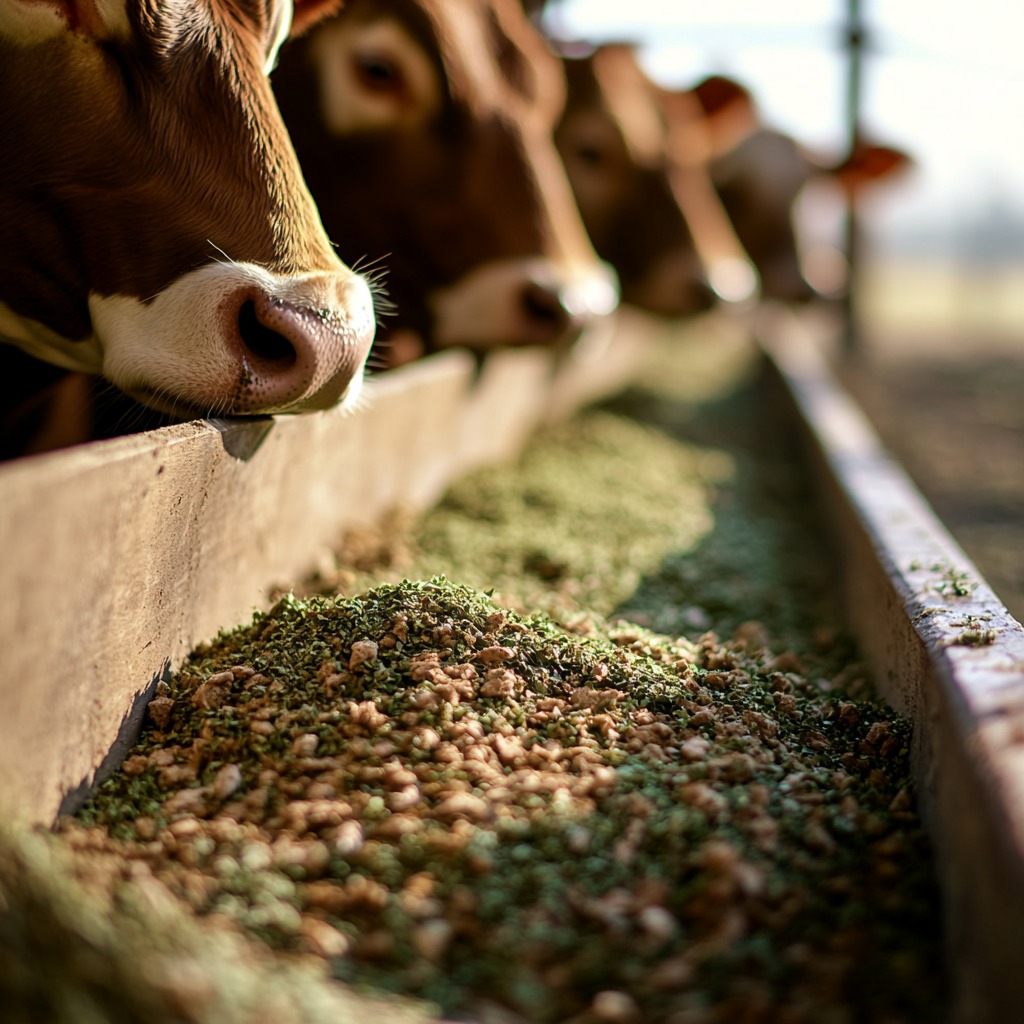


Grass-Fed vs. Grain-Fed Beef: What’s the Difference?

In recent years, the debate between grass-fed and grain-fed beef has gained momentum as consumers become more conscious of their dietary choices and their impact on health and the environment. While both types of beef provide protein and essential nutrients, they differ significantly in how the cattle are raised, their nutritional profiles, and their overall effects on human health. Understanding these differences can help consumers make informed choices.


Raising Methods: How Are They Different?

Grain-Fed Beef:

  • Grain-fed cattle are typically raised in confined feedlots, also known as concentrated animal feeding operations (CAFOs).
  • Their diet consists primarily of grains such as corn and soy, along with grain by-products.
  • These cattle are often given growth hormones and antibiotics to maximize growth and prevent disease.
  • The goal of grain-feeding is to produce larger cattle with more fat, resulting in a marbled texture that is considered desirable in many markets.

Grass-Fed Beef:

  • Grass-fed cattle graze on pasture and consume only grass or forage for their entire lives.
  • They are not typically confined to feedlots and are allowed to roam freely, mimicking their natural environment.
  • Grass-fed cattle generally take longer to reach market weight since they do not consume calorie-dense grains.
  • In many cases, grass-fed beef is raised using organic and sustainable farming practices.

Nutritional Differences

The differences in diet lead to distinct nutritional profiles between grass-fed and grain-fed beef. Here’s how they compare:

Grain-Fed Beef:

  • Higher in total fat and saturated fat, making it more calorie-dense.
  • Contains higher levels of inflammatory omega-6 fatty acids.
  • May have lower levels of essential nutrients like omega-3s and antioxidants.
  • Often criticized for being greasy and less beneficial for heart health.

Grass-Fed Beef:

  • Leaner with a lower total fat content, leading to a slightly different texture and taste.
  • Richer in omega-3 fatty acids, which are known for their anti-inflammatory properties and benefits for heart and brain health.
  • Higher in antioxidants, including vitamin E and beta-carotene, which support immune function and skin health.
  • Contains more conjugated linoleic acid (CLA), which has been linked to improved metabolism and reduced body fat.

Health Implications

Due to its higher omega-3 and antioxidant content, grass-fed beef is often considered the healthier option. Some of the benefits include:

  • Better Heart Health: The higher levels of omega-3s in grass-fed beef can support cardiovascular function and reduce inflammation.
  • Lower Risk of Chronic Disease: The balance of fatty acids in grass-fed beef may lower the risk of conditions like obesity, diabetes, and heart disease.
  • Improved Nutrient Intake: The increased presence of vitamins and antioxidants in grass-fed beef can contribute to overall wellness and immune function.

However, grain-fed beef is often more accessible and affordable, making it the preferred choice for many consumers. While it may have a higher fat content, moderation and a balanced diet can help mitigate potential health risks.


Environmental and Ethical Considerations

Grass-fed beef is often associated with more sustainable and humane farming practices. Since these cattle graze on natural pastures, they contribute to soil health and biodiversity. Conversely, grain-fed cattle raised in feedlots require significant amounts of grain, water, and land, leading to higher environmental impacts such as deforestation, soil degradation, and increased greenhouse gas emissions.

From an ethical standpoint, grass-fed cattle typically have better living conditions compared to those in confined feedlots. The freedom to graze and a more natural diet align with humane farming practices.


Which One Should You Choose?

The decision between grass-fed and grain-fed beef depends on personal preferences, health goals, and budget considerations. Here are some key takeaways:

  • If you prioritize health benefits, grass-fed beef is the superior choice due to its leaner profile and higher levels of beneficial nutrients.
  • If taste and texture are your main concerns, grain-fed beef is often more tender and marbled, which some people prefer.
  • If sustainability and ethics matter to you, grass-fed beef is a more environmentally friendly and humane option.
  • If cost and accessibility are major factors, grain-fed beef is typically more affordable and widely available.

Regardless of the choice, it is essential to consume beef as part of a balanced diet that includes a variety of nutrient-dense foods. Opting for quality sources and considering the impact of your dietary choices can lead to better health and a more sustainable food system.


Final Thoughts

The grass-fed vs. grain-fed beef debate highlights the importance of understanding where food comes from and how it impacts health and the environment. While both options have their advantages, grass-fed beef stands out as a healthier and more sustainable choice. However, personal preferences and budget constraints also play a crucial role in making the best decision for you and your family. As awareness grows, more consumers are seeking transparent labeling and ethical sourcing, making it easier to choose high-quality beef that aligns with their values.


The Difference Between Straw and Hay

Many people confuse straw and hay, but these two materials serve entirely different purposes in farming and animal care. While they may appear similar at first glance, understanding their distinctions is crucial for their proper use.

What Is Straw?

Straw is the dry, yellow stalk left behind after crops such as wheat, barley, or oats have been harvested. These stalks are hollow and lightweight, making them an excellent material for insulation and bedding. Farmers and pet owners often use straw in barns, doghouses, and outdoor animal shelters to provide warmth and comfort. Since straw does not absorb moisture well, it remains dry and helps keep animals warm in colder months.

What Is Hay?

Hay, on the other hand, is a green, nutritious plant material harvested and dried specifically to feed animals. It is made from grasses or legumes such as alfalfa and timothy grass, providing essential nutrients to livestock like cows, goats, horses, and rabbits. Unlike straw, hay is designed to retain moisture, which helps animals stay hydrated and nourished. However, this moisture-retaining quality makes hay unsuitable for bedding, as it can become damp, leading to mold and freezing conditions in cold weather.

What Is More Nutrient-Rich?

When it comes to nutritional value, hay is significantly more nutrient-rich than straw. Hay is grown and harvested specifically for animal consumption, containing essential vitamins, minerals, and proteins that help maintain livestock health. Straw, on the other hand, is a byproduct of harvested crops and has minimal nutritional content, making it unsuitable as a primary food source for animals.

Key Differences

  1. Color & Composition

    • Straw: Yellow, hollow, and dry.
    • Hay: Green, leafy, and moisture-retaining.

  2. Purpose

    • Straw: Used for bedding and insulation.
    • Hay: Used as food for livestock.

  3. Absorption

    • Straw: Does not absorb moisture, keeping animals warm and dry.
    • Hay: Absorbs moisture, making it unsuitable for bedding.

Practical Uses

  • Straw is best used in barns, outdoor shelters, and pet enclosures as bedding material.
  • Hay is essential for feeding animals and should be stored properly to prevent mold growth.

Conclusion

While straw and hay may look alike, their uses are vastly different. Straw is an excellent bedding material due to its insulating properties, while hay provides essential nutrition to livestock. Understanding their differences ensures that animals receive the proper care, whether through comfortable bedding or a nutritious diet.


Top 5 Essential Nutrients for Dairy Cows: A Guide to Optimal Health and Milk Production

Dairy cows require a balanced and nutrient-rich diet to maintain their health, support reproduction, and maximize milk production. Proper nutrition plays a crucial role in boosting milk yield, improving fertility, and ensuring overall well-being. In this article, we’ll break down the top five essential nutrients for dairy cows and their significance.


1. Energy (Carbohydrates & Fats)

Why It’s Important

Energy is the foundation of a dairy cow’s diet. It fuels all bodily functions, including milk production, body maintenance, and reproduction. A lack of sufficient energy can lead to reduced milk yield, poor growth, and metabolic disorders.

Best Energy Sources

  • Carbohydrates: Corn, wheat, barley, oats, silage, molasses
  • Fats: Cottonseed, vegetable oils, animal fats (used in controlled amounts)

Benefits of Energy in Dairy Cows

✔️ Supports milk production
✔️ Prevents weight loss and body condition deterioration
✔️ Ensures efficient digestion and metabolism
✔️ Improves fertility and reproductive performance


2. Protein

Why It’s Important

Protein is essential for muscle development, growth, and milk protein synthesis. Cows require both rumen-degradable protein (RDP) and bypass protein (UDP) to support their metabolic processes.

Best Protein Sources

  • Plant-based proteins: Soybean meal, canola meal, cottonseed meal, alfalfa hay
  • Animal-based proteins: Fish meal, meat, and bone meal (where permitted)

Benefits of Protein in Dairy Cows

✔️ Helps develop strong muscles
✔️ Enhances milk protein quality
✔️ Supports growth in heifers and young stock
✔️ Improves immune function and reproductive health


3. Vitamins

Why They’re Important

Vitamins are critical for immune function, reproduction, and metabolism. Dairy cows require specific vitamins to prevent deficiencies and health issues.

Essential Vitamins & Their Roles

  • Vitamin A – Supports vision, reproduction, and immune health
  • Vitamin D – Essential for calcium absorption and strong bones
  • Vitamin E – Boosts immune function and prevents muscle weakness

Best Vitamin Sources

  • Green forages, pasture grasses, and silage
  • Sunlight exposure (for Vitamin D synthesis)
  • Commercial vitamin supplements

Benefits of Vitamins in Dairy Cows

✔️ Strengthens bones and skeletal health
✔️ Enhances fertility and reproduction
✔️ Prevents oxidative stress and cell damage
✔️ Boosts immune system function


4. Minerals

Why They’re Important

Minerals play a crucial role in milk production, bone health, and metabolic regulation. Deficiencies in key minerals can lead to reduced milk yield, reproductive issues, and metabolic disorders.

Key Minerals & Their Benefits

  • Calcium & Phosphorus – Essential for strong bones and milk production
  • Magnesium – Prevents metabolic disorders like grass tetany
  • Sodium & Potassium – Helps maintain electrolyte balance and hydration
  • Selenium & Zinc – Improves immune response and reproduction

Best Mineral Sources

  • Mineral licks and commercial supplements
  • Legume forages, limestone, and dicalcium phosphate
  • Salt blocks and fortified feed concentrates

Benefits of Minerals in Dairy Cows

✔️ Strengthens bones and skeletal structure
✔️ Improves milk production and quality
✔️ Enhances fertility and reproductive health
✔️ Supports metabolic functions


5. Water

Why It’s Important

Water is the most essential nutrient in a dairy cow’s diet. Milk is approximately 87% water, making hydration crucial for maintaining high milk yields and overall health.

How Much Water Does a Dairy Cow Need?

A lactating dairy cow consumes 80-120 liters (20-30 gallons) of water per day, and even more during hot weather.

Best Water Sources

  • Clean and fresh drinking water
  • Troughs with automatic refill systems
  • Cool, accessible water sources in pastures

Benefits of Water for Dairy Cows

✔️ Supports digestion and nutrient absorption
✔️ Helps maintain body temperature
✔️ Ensures high milk yield and quality
✔️ Prevents dehydration and heat stress


Conclusion

Providing dairy cows with a well-balanced diet rich in energy, protein, vitamins, minerals, and water is essential for optimal milk production, reproductive success, and long-term health. A nutrient-deficient diet can lead to low productivity, poor fertility, and various health issues.

By ensuring that your cows receive these five essential nutrients, you will maximize their milk yield, improve their well-being, and enhance overall farm productivity.

🐄 Healthy cows = High milk production = More farm profits! 🥛


5 Ways to Extend Your Cow’s Lactation Period for Higher Milk Yield

Maintaining a longer lactation period in dairy cows is key to maximizing milk production while ensuring cow health and farm profitability. A well-managed lactation can result in increased milk yields and better reproductive performance. Here are five scientifically-backed methods to extend your cow’s lactation period:


1. Optimize Nutrition Throughout Lactation

Proper feeding is one of the most crucial factors in extending the lactation period. Cows require a balanced diet that meets their changing energy, protein, and mineral needs throughout lactation.

Key Nutritional Strategies:

  • Early Lactation (0–90 Days Post-Calving): Increase energy intake by offering high-quality forages, concentrates, and grains to prevent rapid weight loss.
  • Mid-Lactation (90–180 Days Post-Calving): Maintain a steady diet with a balance of protein and fiber to sustain milk production.
  • Late Lactation (180+ Days Post-Calving): Gradually increase fiber and maintain energy levels to avoid a sharp drop in milk yield.

Tranzpro®: A Powerful Solution for Dairy Producers

One effective way to support optimal nutrition and extend lactation is by incorporating Tranzpro®, a scientifically formulated nutritional supplement that enhances cow health and productivity.

How Tranzpro® Supports Milk Production and Extends Lactation:

  1. Udder Health Improvement:

    • Tranzpro® promotes better udder health, ensuring optimal milk production in pregnant heifers after calving.
    • Healthy udders reduce the risk of mastitis and infections, which can shorten lactation.

  2. Risk Prevention:

    • The supplement reduces the risk of retained afterbirth, a common postpartum issue that can weaken cows and impact their milk yield.
    • A healthier cow means a longer, more productive lactation period.

  3. Appetite Boost in Early Lactation:

    • Many cows experience reduced appetite post-calving, leading to nutritional deficiencies and poor milk production.
    • Tranzpro® stimulates appetite, ensuring cows consume enough energy and nutrients to sustain peak milk production.

  4. Accelerating Peak Milk Production:

    • Tranzpro® helps cows reach their peak milk production faster and sustain it for longer.
    • This translates to higher milk yield over an extended period, benefiting both cow and farm profitability.

  5. Faster Recovery for Postpartum Cows:

    • After giving birth, some cows may struggle with metabolic issues or infections, reducing lactation efficiency.
    • Tranzpro® provides targeted nutritional support, helping cows recover faster and resume high milk production levels.

By incorporating Tranzpro® into dairy nutrition plans, farmers can boost lactation persistency, reduce health risks, and increase overall milk production efficiency.


2. Improve Milking Management and Frequency

Frequent and proper milking stimulates the mammary glands and extends lactation. Cows should be milked consistently at least twice or three times per day, depending on the breed and milk yield.

Best Practices for Milking:

  • Use consistent milking schedules to maintain udder stimulation.
  • Practice proper hygiene to prevent mastitis, which can shorten lactation.
  • Adopt precision milking (automated milking systems) to improve efficiency and cow comfort.

Tip: Studies suggest that three-time daily milking can increase milk production by 10-15% compared to twice-a-day milking.


3. Manage Body Condition Score (BCS) Effectively

Body Condition Score (BCS) directly impacts lactation performance. A cow that is too thin (BCS < 2.5) will struggle to maintain milk production, while an overweight cow (BCS > 4.0) may have metabolic issues.

BCS Recommendations for a Longer Lactation:

  • Target BCS at Calving: 3.0 – 3.5
  • BCS at Peak Lactation: 2.5 – 3.0
  • BCS at Dry-Off: 3.0 – 3.5

Tip: Regular BCS monitoring helps adjust feed intake and prevent metabolic disorders like ketosis and fatty liver disease.


4. Improve Cow Comfort and Stress Management

Stress negatively impacts milk yield and lactation length. Dairy cows need an optimal environment that minimizes heat stress, overcrowding, and discomfort.

Ways to Enhance Cow Comfort:

  • Provide well-ventilated barns or shaded areas to reduce heat stress.
  • Ensure clean, dry bedding for resting comfort.
  • Allow adequate space in barns and grazing areas to minimize aggression and stress.
  • Use fans, misting systems, and proper cooling techniques in hot climates.

Tip: Research indicates that heat-stressed cows may have up to 20% shorter lactations due to lower feed intake and hormonal imbalances.


5. Implement Strategic Breeding and Hormonal Management

Breeding strategies play a role in extending lactation. Cows should not be bred too early, as a new pregnancy can reduce lactation persistency. Instead, timing insemination properly can help maintain milk yield longer.

Breeding Recommendations for Extended Lactation:

  • Delayed breeding: Instead of rebreeding at 60 days post-calving, waiting until 100–150 days can prolong lactation.
  • Use of hormonal synchronization: Proper oxytocin stimulation and reproductive hormone management can maintain lactation persistency.
  • Selective breeding: Choose genetics that favor longer lactation curves and better persistency (e.g., Holstein and Jersey breeds).

Tip: Genetic selection for high-persistency cows can naturally extend lactation periods by 20–30 days longer than average cows.


Final Thoughts

Extending a cow’s lactation period requires a holistic approach combining nutrition, milking frequency, cow comfort, and breeding strategies. Incorporating Tranzpro® into the feeding program can play a crucial role in enhancing udder health, improving appetite, and accelerating milk production, ultimately leading to a longer and more productive lactation period.

📌 Take Action:
✔️ Review and adjust your cows’ feeding regimen with Tranzpro®.
✔️ Maintain a consistent milking schedule and hygiene.
✔️ Monitor Body Condition Score (BCS) regularly.
✔️ Enhance cow comfort to reduce stress.
✔️ Plan strategic breeding for optimal lactation length.


Can I Deworm My Cow a Week After Calving?

Deworming is an essential part of dairy and beef cow management, but the timing matters—especially for a cow that recently calved. If your cow gave birth a week ago, you may be wondering whether it is safe and beneficial to administer deworming medication.

Is It Safe to Deworm a Cow One Week After Calving?

Yes, you can deworm your cow a week after calving, but there are a few important factors to consider:

  1. Cow’s Health Condition – If your cow is weak, struggling with postpartum stress, or showing signs of illness, it is best to wait until she fully recovers before administering dewormers.
  2. Milk Withdrawal Period – If your cow is lactating, ensure the dewormer you choose is safe for milking cows. Some dewormers have a withdrawal period, meaning the milk should not be consumed for a specific number of days after treatment.
  3. Type of Dewormer – Injectable, pour-on, and oral dewormers are available, and the best option depends on the parasite load, farm conditions, and whether the cow is on pasture. Consulting a veterinarian helps determine the most effective product.
  4. Parasite Burden and Environment – If your farm has a high worm load or your cow was not dewormed before calving, treating her now can improve her recovery and milk production.

When Is the Best Time to Deworm After Calving?

The ideal time for deworming depends on your herd’s parasite management plan. Many farmers deworm cows:

  • Before calving (in late pregnancy) to reduce parasite transmission to the calf.
  • A few weeks after calving when the cow has regained strength and resumed a normal feeding routine.

Signs That Your Cow Needs Deworming

If your cow is showing any of the following signs, deworming may be necessary:
Weight loss or poor body condition
Reduced appetite or low milk production
Diarrhea or rough hair coat
Visible worms in manure

Final Recommendation

If your cow is healthy and strong, deworming one week after calving is generally safe. However, always check the type of dewormer, follow dosage recommendations, and ensure it is suitable for lactating cows. For the best results, consult a veterinarian to create a deworming schedule tailored to your farm’s needs.


Reviving a Newborn Calf That Isn’t Breathing: A Farmer’s Guide

The birth of a calf is an exciting moment for any dairy or beef farmer, but sometimes newborns struggle to take their first breath. If a calf is born weak or unresponsive, immediate intervention can mean the difference between life and death. This article explores practical steps to help a newborn calf start breathing.

Why Do Some Calves Struggle to Breathe at Birth?

Several factors can cause a newborn calf to have difficulty breathing:

  1. Difficult Birth (Dystocia) – Prolonged labor can cause oxygen deprivation.
  2. Fluid Blockage – Mucus in the airways can prevent proper breathing.
  3. Weakness or Stress – Some calves are born weak due to poor fetal development or a stressful birth.

Steps to Stimulate Breathing in a Newborn Calf

1. Clear the Airways

  • Gently remove mucus and fluids from the calf’s nose and mouth using a clean cloth or suction bulb.
  • Elevating the calf’s hind legs for a few seconds can help drain excess fluids.

2. Position the Calf Correctly

  • Lay the calf on its chest with its legs tucked underneath. This allows the lungs to expand properly.

3. Stimulate Breathing

If the calf is still not breathing:

  • Rub the chest vigorously – This stimulates circulation and encourages the calf to breathe.
  • Hang the calf upside down briefly – As seen in the illustration, this can help clear fluid from the lungs. However, this should only be done for a short time, as it may also restrict lung expansion.
  • Use a breathing stimulant – If available, medications like Dopram-V can help encourage respiration.

4. Perform Artificial Respiration (if needed)

If the calf remains unresponsive:

  • Close the calf’s mouth and gently blow into one nostril while blocking the other.
  • Repeat at 30-second intervals until the calf starts breathing.

5. Keep the Calf Warm and Monitor Recovery

  • Dry the calf thoroughly and place it in a warm, dry area.
  • Ensure the calf receives colostrum within the first few hours to boost immunity and energy levels.

When to Call a Veterinarian

If the calf remains weak or struggles to breathe after initial efforts, seek veterinary assistance immediately.

Conclusion

Every second counts when reviving a newborn calf. Clearing the airways, stimulating breathing, and providing warmth are critical steps to saving a struggling calf. By understanding these techniques, farmers can improve calf survival rates and ensure a strong start to life.