Address
304 North Cardinal
St. Dorchester Center, MA 02124
Work Hours
Monday to Friday: 7AM - 7PM
Weekend: 10AM - 5PM
Address
304 North Cardinal
St. Dorchester Center, MA 02124
Work Hours
Monday to Friday: 7AM - 7PM
Weekend: 10AM - 5PM


A successful calving process is a crucial milestone for any dairy farmer. The well-being of the cow and the health of the newborn calf significantly impact milk production and farm productivity.

Milking a cow is a fundamental skill in dairy farming, ensuring the animal's health, hygiene, and optimal milk production.
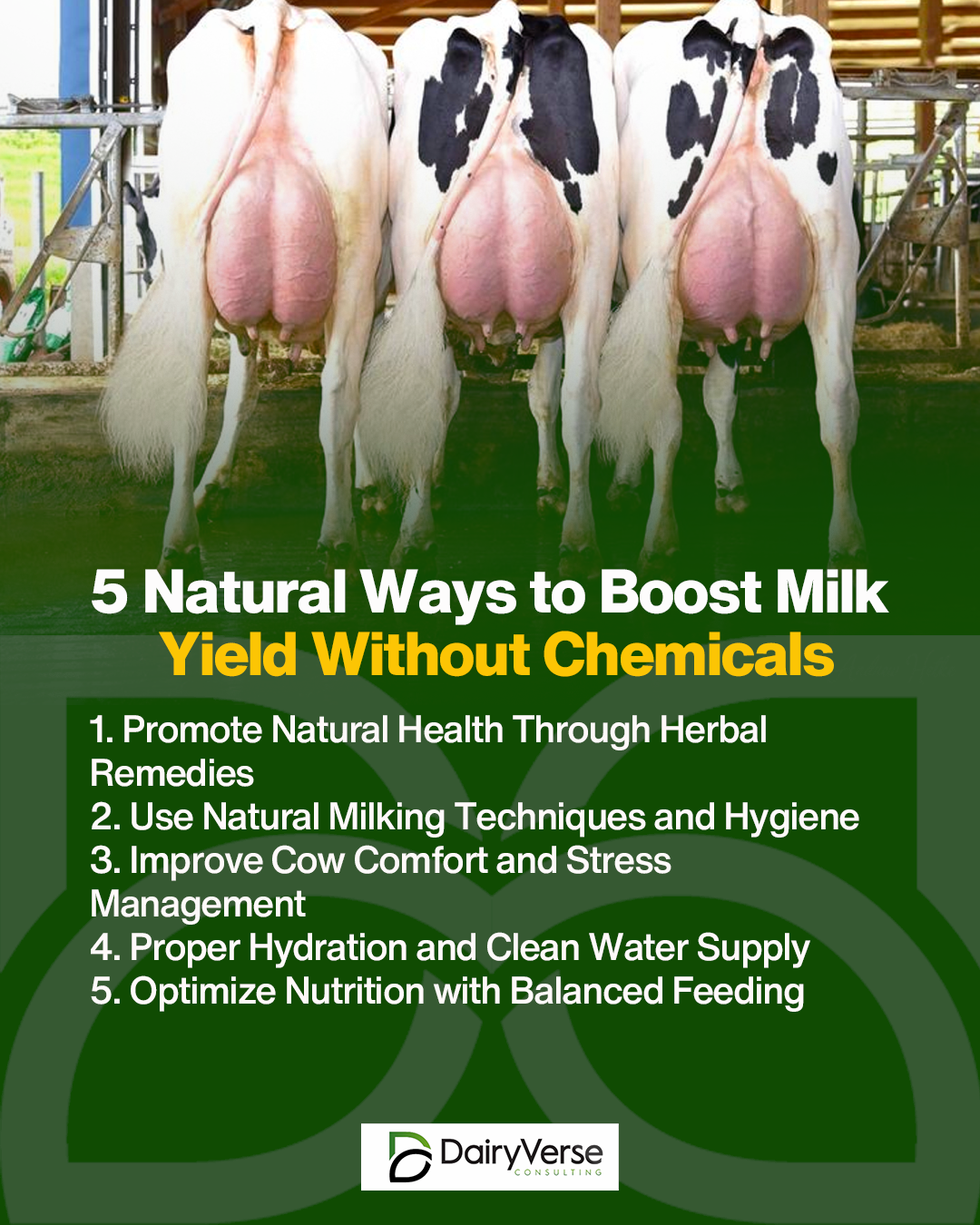
Milk production is the backbone of dairy farming, and increasing yield naturally can lead to healthier cows and better-quality milk.
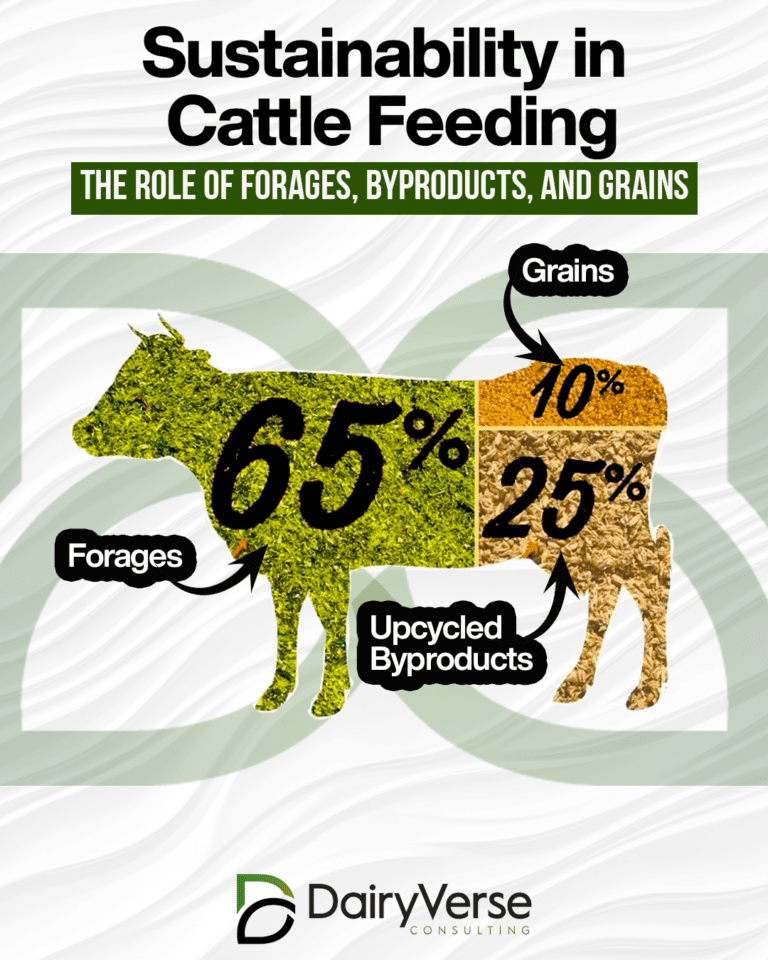
Sustainability in agriculture is a growing concern as the world grapples with environmental challenges, resource limitations, and the need to feed a growing population.
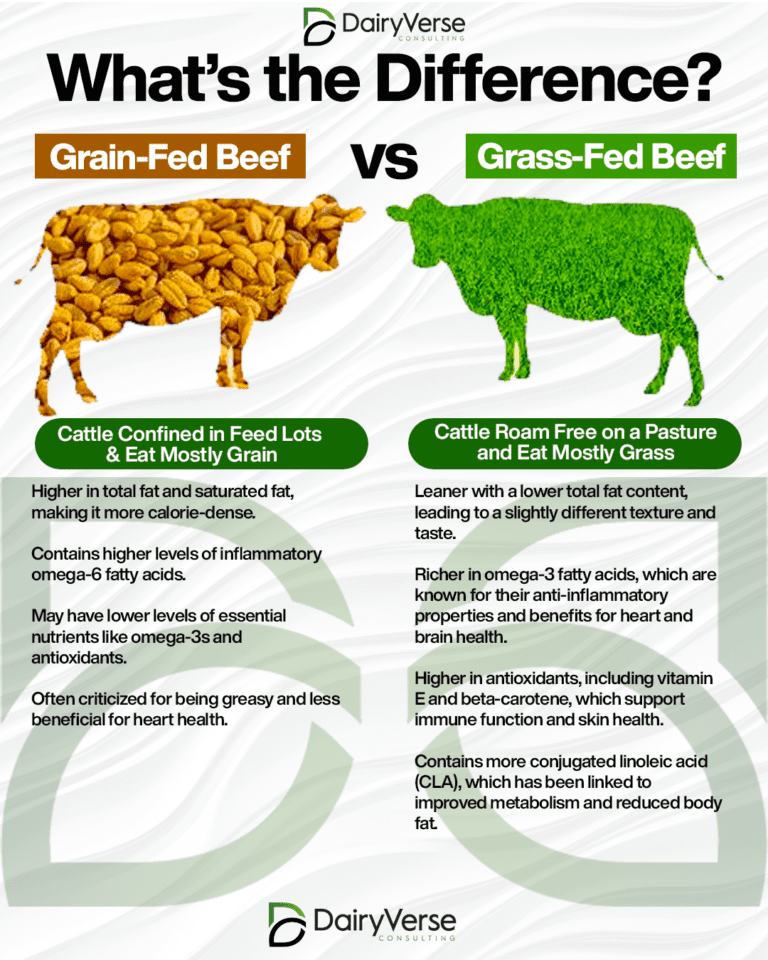
While both types of beef provide protein and essential nutrients, they differ significantly in how the cattle are raised, their nutritional profiles, and their overall effects on human health.
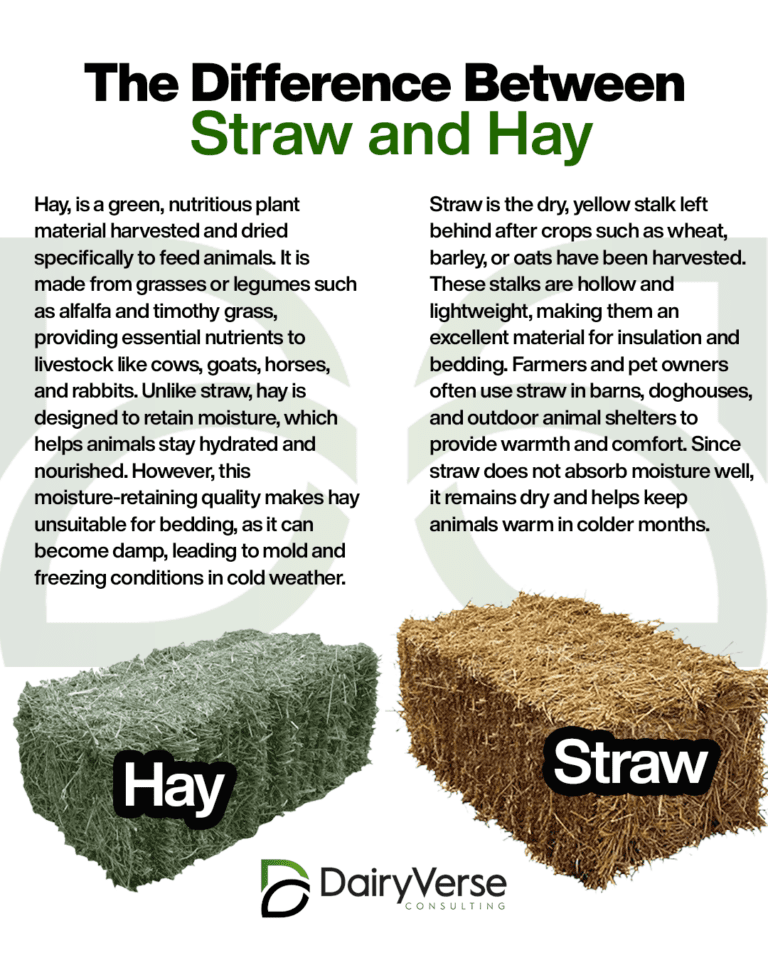
Many people confuse straw and hay, but these two materials serve entirely different purposes in farming and animal care.

Dairy cows require a balanced and nutrient-rich diet to maintain their health, support reproduction, and maximize milk production.

Maintaining a longer lactation period in dairy cows is key to maximizing milk production while ensuring cow health and farm profitability.
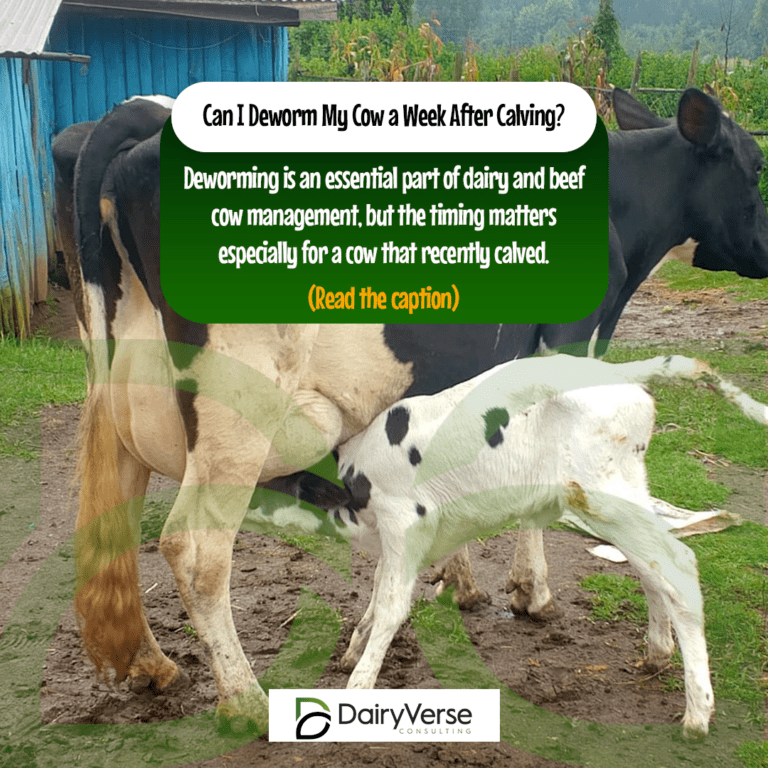
Deworming is an essential part of dairy and beef cow management, but the timing matters—especially for a cow that recently calved.
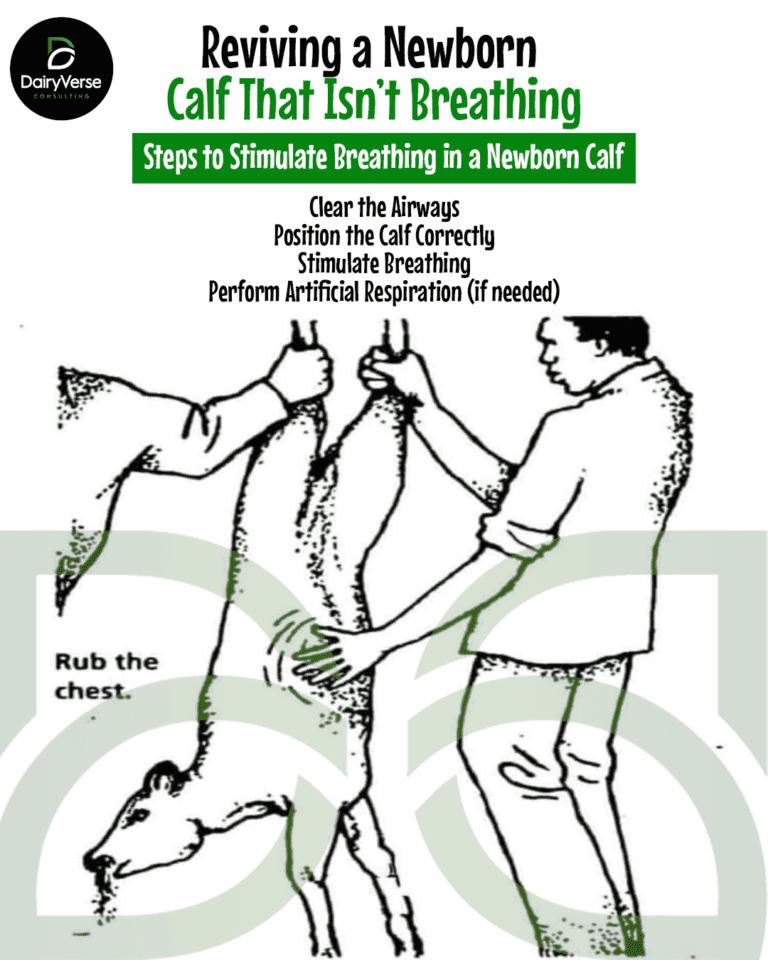
The birth of a calf is an exciting moment for any dairy or beef farmer, but sometimes newborns struggle to take their first breath. If a calf is born weak or unresponsive, immediate intervention can mean the difference between life and death.