Say YES to faster growth in calves, improved fertility and more milk yield!
Embraced across Africa by all dairy investors! Don’t be left behind. These are the silver bullets in realization of your cattle’s best growth, production and reproduction potential!
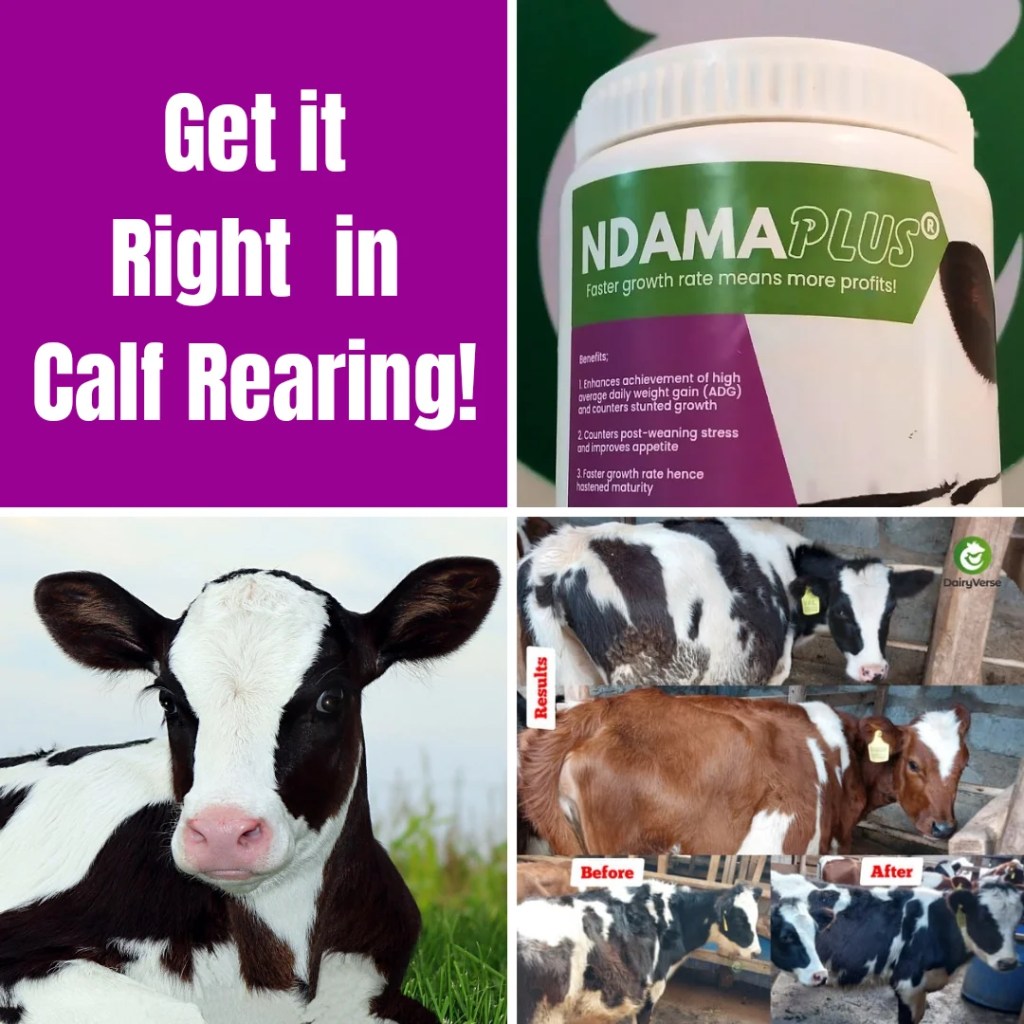
Ndamaplus®️ – Helps your calf aged 3 -12 months meet average daily weight gain and thus mature faster among many other benefits!
More benefits of Ndamaplus include;
It Enhances achievement of average daily weight gain and counters stunted growth.
Counters post weaning stress and improves appetite.
Enhances faster growth rate and early maturity.
Boosts calf’s immunity.
Facilitates timely onset of heat.
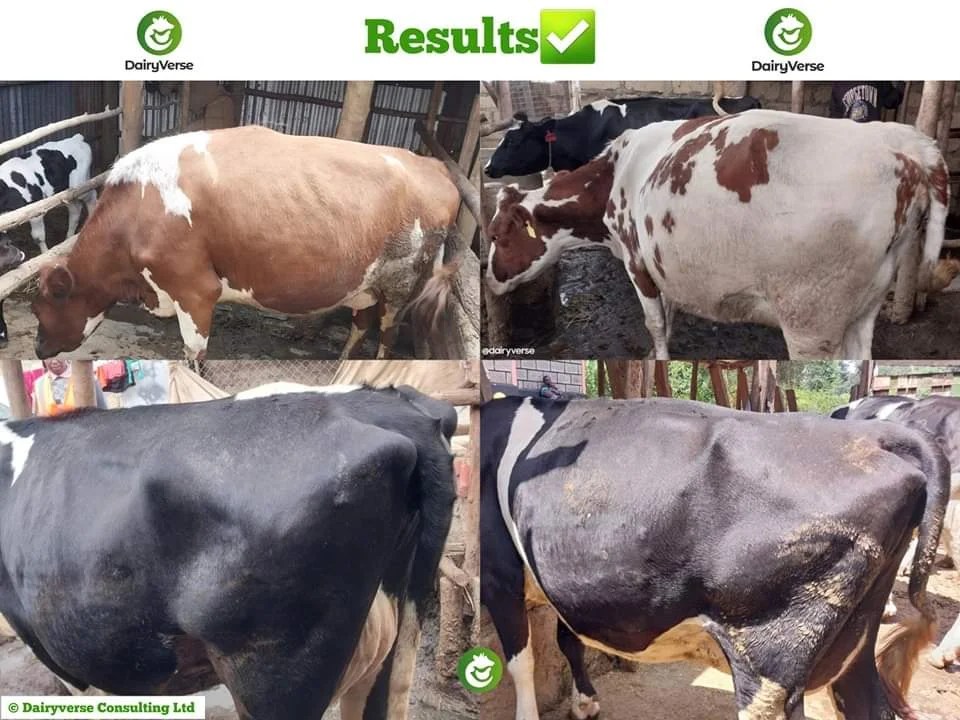
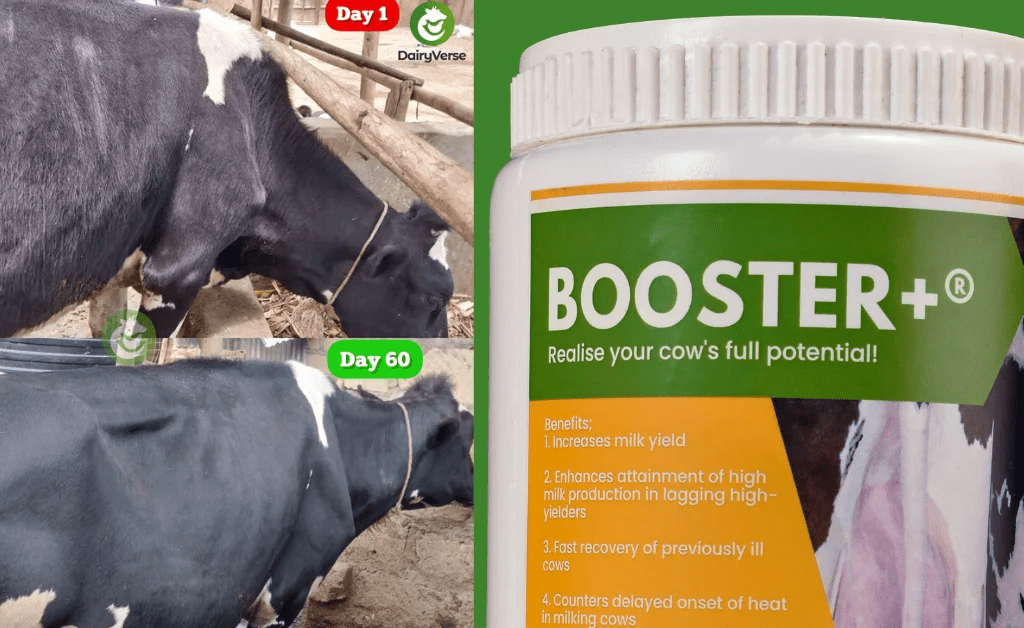
Booster+®️ – Helps you realise your cow’s full milk-yield potential. She will hit peak production and fix poor body condition and silent heat and delayed onset of heat in milking herd!
More benefits include;
It increases milk-yield and enhances achievement of peak production in cows.
Enhances attainment of high milk production in lagging high yielders.
Fast recovery of previously ill cows.
Counters delayed onset of heat in milking cows.
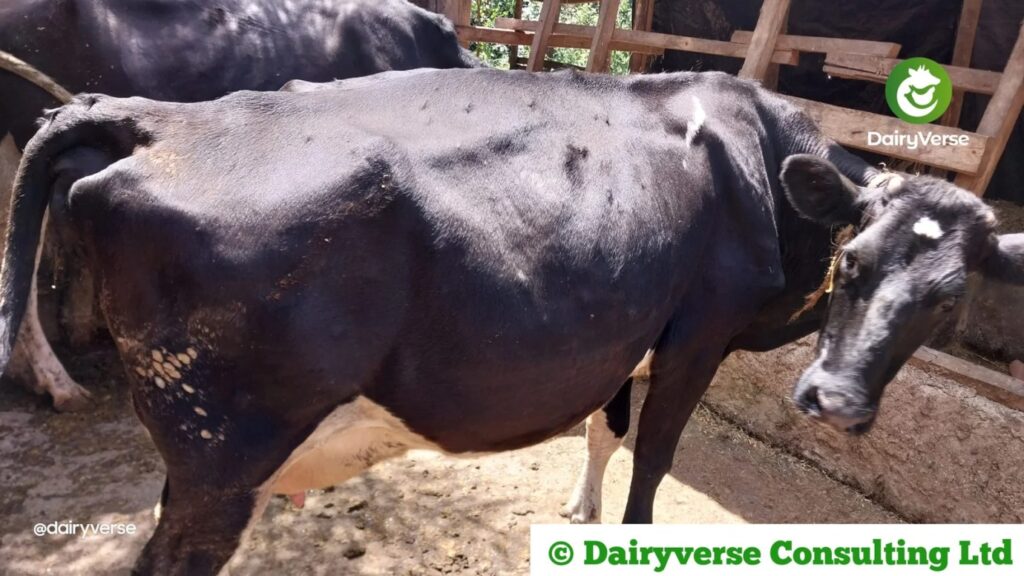
Improves body condition and counters stunted growth.
Fertility+®️ – This is the solutions to delayed onset of heat and silent heat in heifers! The following are its benefits;
It counters delayed and silent heat.
Prepares heifers for prominent heat signs.
Boosts fertility and enhances conception.
Counters reproductive challenges like dystocia and retained afterbirth.
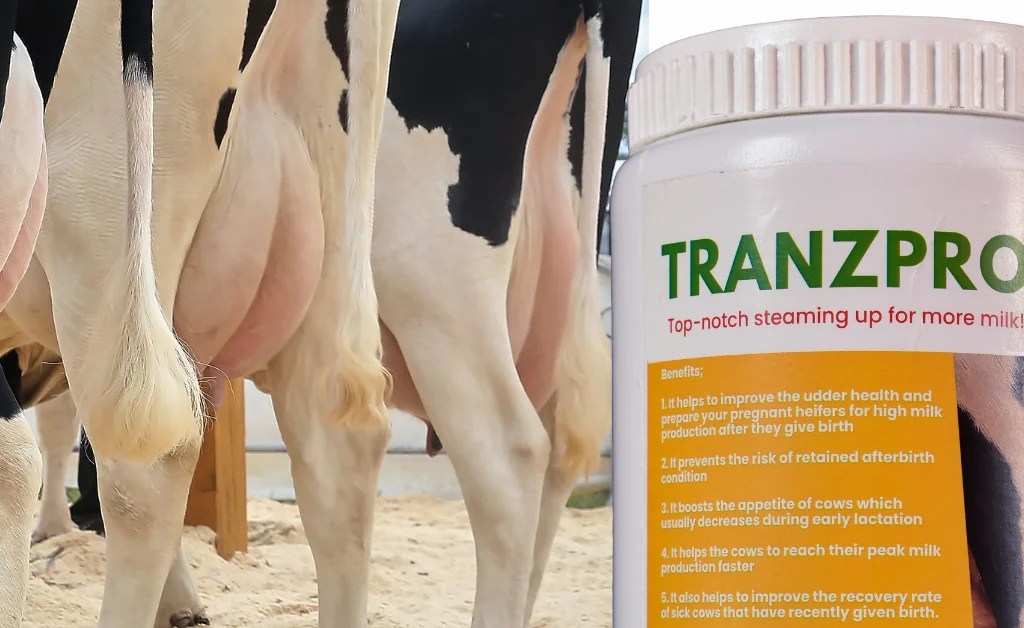
Tranzpro®️ – Works on your incalf cow 18 days towards calving and 18 days after calving. This product enhances multiplication your cow’s udder cells, steams her up, enhances her appetite and ensures that she hits peak production early!
Improving udder health and getting pregnant heifers ready for high milk production after giving birth.
Preventing the risk of retained afterbirth condition.
Boosting the appetite of cows, which usually decreases during early lactation.
Helping cows reach peak milk production faster.
Improving the recovery rate of sick cows that have recently given birth.
We are committed to help you create more wealth.
The danger of using DCP on your incalf heifer or cow
We highly discourage use of high Calcium minerals on heifers and cows at advanced stages of pregnancy. High calcium mineral sources should be limited when the animal is 7 Months incalf.
The major reasons for this include; 1. The animal during late stages of pregnancy needs to train her body to utilize Calcium stored in body reserves – the bones as opposed to that provided through the diet. 2. Provision of high dietary Calcium will hinder the body from training the necessary glands and organs from releasing Calcium into the blood on need basis and this will lead to milk fever after calving. 3. High amounts of Calcium will lead to overgrowth of the developing calf which will in turn result in difficulties while giving birth (Dystocia). This leads to excessive stress on the animal and causes low production after calving. In adverse cases death of the calf or the dam may occur.
So what minerals should we provide the incalf heifer or cow during the last trimester? You should only provide mineral licks that have low amount of Calcium. 5% Calcium will be ideal to stimulate the body to function normally and enhance supply of blood Calcium preventing the animal from the risk of milk fever and enhance milk production. Calcium is important in manufacture of milk. Mineral supplements that contains high levels of protein help in proper development of the udder. This ensures that your cow produces more milk after calving.
Tranzpro®️ a high protein and energy supplement should be introduced 18 days before calving and used for 36 more days after parturition (after calving). It boosts her immunity, maintains her appetite and body condition. To buy Tranzpro®️ please click here.
Learn more on proper care of incalf cows, click here.
How To Get More Milk From A Transition Cow
What is a transition cow?
A transition cow is that cow that just calved down. She moves from the incalf state to being milked. There are many changes that are associated with the transition. Among the changes being how they utilise mineral for example during the incalf period/dry period she did not require a lot of calcium but she now needs more.The cow also develops low appetite. She will be unwilling to consume more feeds. This is normal or physiological but it doesn’t auger well will milk production because milk production is an energy intensive process. You there need to support her so that they can eat more feeds and maintain high yields.
She should be provided with Tranzpro 18 days before calving and 36 days after calving. This provides her with the most needed protein, energy and elements that facilitate utilisation of the energy (metabolism) during this critical phase.Her ration should be well balanced. This helps her increase milk yield and attain peak production faster.You shouldn’t lose track of her heat cycles and she should come on heat 45 to 90 days after calving.
This will guarantee you of a calf every year. Use of Tranzpro will help sustain a high production contributing to profitability of your dairy investments. Read a story of Githunguri who increased her yields from 2 litres to a peak of 38 litres following a successful Restore program.
A guide To Calf Management
Ensuring the health and growth of young calves is crucial for dairy farmers. Healthy calves not only grow into strong cows but also contribute to the overall productivity of the farm.
Colostrum Feeding: A Strong Start The first 24 hours of a calf’s life are critical, and the most important meal they will ever have is colostrum. Colostrum is rich in antibodies, helping the calf to build a strong immune system. Farmers should ensure that calves receive adequate colostrum (at least 10% of their body weight) within the first 6 hours of birth. This not only improves survival rates but also sets the foundation for long-term health.
2. Clean, Comfortable Housing Proper housing plays a big role in keeping calves healthy. Clean, dry, and well-ventilated spaces reduce the risk of disease. Avoid overcrowding and provide individual pens or hutches with enough bedding to keep the calves warm. The stress-free environment minimizes health complications like respiratory infections.
3. Consistent Feeding: Milk, Water, and Beyond Maintaining a consistent feeding schedule is crucial. For the first few months, calves should receive milk or milk replacers two to three times a day. Alongside this, provide fresh water at all times to keep them hydrated and promote digestion. Remember, dehydration can quickly become dangerous for calves, especially during warmer weather.
4. Introducing Solid Feed Early Introducing solid feed, such as a calf starter, at around 1 to 2 weeks of age helps stimulate rumen development. This early transition is key to preparing the calves for weaning, setting them up for a healthy digestive system in the future.
5. Disease Prevention: Vaccinations and Hygiene Calves are vulnerable to diseases like scours and respiratory infections. Ensure that your calves are vaccinated as per the vet’s recommendation, and maintain strict hygiene standards in their living quarters. Clean feeding equipment regularly, and disinfect the pens to minimize disease spread.
6. Weaning: Making the Transition Easier Weaning can be stressful for calves. Gradually reduce milk feedings while increasing access to solid feed. Monitor the calves closely during this period to ensure they are adjusting well.
How Ndamaplus® Boosts Calf Growth and Development
While good management practices are essential, the right nutritional supplement can make all the difference. Ndamaplus® is a high-quality product designed specifically to enhance dairy calf growth and development. Here’s how it works:
Promotes Weight Gain: Ndamaplus® supports average daily weight gain, ensuring calves grow at a healthy rate.
Prevents Stunted Growth: By providing essential nutrients, it helps prevent stunted growth, a common issue in young calves, especially those under stress or lacking proper nutrition.
Minimizes Post-Weaning Stress: The weaning period can be tough for calves, but Ndamaplus® minimizes the stress associated with this transition, ensuring their growth remains steady.
Boosts Immunity: With Ndamaplus®, calves get a significant boost to their immune system, making them less susceptible to diseases and infections.
Facilitates Timely Heat Onset: As your heifers grow, timely heat cycles are essential. Ndamaplus® plays a key role in ensuring calves mature properly, leading to a smooth transition into adulthood.
How to Use Ndamaplus® for Optimal Results
For calves aged 1 to 3 months, simply mix 12.5 grams (1 teaspoon) of Ndamaplus® into their daily feed. For calves aged 3 to 15 months, increase the dosage to 25 grams (1 tablespoon) daily. With regular use, you’ll notice significant improvements in their growth and overall health.
Healthy calf management requires a mix of good practices and the right nutritional support. By focusing on early feeding, proper housing, and disease prevention, you’re giving your calves the best chance at thriving. Adding Ndamaplus® to their diet is a simple yet effective way to enhance their growth, improve immunity, and ensure a smooth transition to adulthood.
Invest in your calves’ future today with Ndamaplus®!
Maximizing Profits in Dairy Cattle Production: Expert Strategies for Success
Understanding Heat Signs for Optimal Breeding
Recognizing heat signs in dairy cattle is a crucial aspect of optimizing breeding efficiency. The identification of these signs directly impacts the reproductive success of a herd, leading to increased milk production and enhanced profitability. A dairy cow typically exhibits various behavioral changes during her estrous cycle, which lasts approximately 21 days. It is essential for producers to understand and monitor these signs to capitalize on breeding opportunities.
Key indicators of heat include heightened activity levels, restlessness, and increased vocalization. Cows in heat often exhibit a desire to mount other cows, along with a visible discharge of clear mucus from the vulva. Additionally, a drop in milk production can signal the onset of estrus. Tracking these behaviors allows producers to determine the most opportune time for artificial insemination or natural breeding.
Physical symptoms can also provide insight into a cow’s reproductive status. For instance, swelling and reddening of the vulva are prominent signs of heat. Furthermore, observing changes in body posture, such as standing still when mounted, aids in recognizing when a cow is in estrus. To enhance breeding frequencies, expert recommendations suggest implementing systematic monitoring techniques, such as the use of estrus detection software or wearable devices that track activity levels.
Timely breeding is vital for maximizing productivity within dairy operations. By scheduling artificial insemination strategically during peak fertility periods, farmers can improve not only their yield but also the genetic quality of the herd. Selecting traits that enhance milk production or disease resistance can lead to more robust animals in subsequent generations. In this context, effective management of breeding schedules not only optimizes output but also contributes to overall sustainability and profitability in dairy cattle production.
Enhancing Calf Growth Rates and Maintaining Good Body Condition
In the realm of dairy cattle production, enhancing the growth rates of calves while ensuring the optimal body condition of milking cows is crucial for maximizing profitability. A tailored nutrition plan stands at the forefront of promoting healthy growth in calves. These plans should focus on providing balanced rations rich in essential nutrients such as proteins, vitamins, and minerals. The early stages of a calf’s life are particularly sensitive; thus, special attention must be paid to colostrum management. High-quality colostrum intake within the first few hours post-birth significantly boosts immunity and sets the stage for robust growth.
Weaning practices also play an essential role in calf development. A gradual weaning process, rather than abrupt removal from milk, can minimize stress and ensure calves are properly transitioned to solid feed. It is advisable to introduce high-quality starter feed around two weeks of age, encouraging early rumen development and promoting a smooth weaning experience. Monitoring growth rates through regular weighing can help detect issues early, prompting interventions if calves fail to meet growth benchmarks.
Turning to the milking cows, maintaining proper body condition scores (BCS) is fundamental. A BCS of 2.75 to 3.5 is typically ideal for maximizing milk production without compromising health. Regular evaluation of cow body condition allows producers to adjust feeding strategies proactively, ensuring cows do not become overly thin or excessively fat. Energy-dense diets during the dry period can help maintain body condition while stimulating colostrum production in the early lactation phase.
Common challenges in calf rearing and body conditioning include infectious diseases, nutritional imbalances, and environmental stressors. To combat these, implementing effective herd health management practices, providing clean and stress-free environments, as well as regular veterinary check-ups are essential preventive measures. Optimizing both calf growth rates and cow body condition not only enhances the health of the herd but also contributes significantly to the overall profitability of dairy operations.
The Future of Dairy Farming in Kenya: Sustainable Practices and Profitable Opportunities
Dairy farming in Kenya has always been a vital part of the country’s agricultural sector, and with sustainable practices and profitable opportunities on the horizon, its future is even brighter. As the demand for dairy products continues to rise, the industry is adapting to new approaches that prioritize both economic success and environmental preservation.
In recent years, sustainable farming practices such as integrated crop-livestock systems, precision feeding, and efficient manure management have gained traction in the dairy sector. These practices not only boost productivity and profitability but also minimize the industry’s ecological footprint. From utilizing renewable energy sources to reducing water usage, Kenyan farmers are committed to mitigating environmental impact and ensuring long-term sustainability.
Moreover, the growing consumer interest in organic and ethically produced dairy products presents profitable opportunities for dairy farmers. By adopting organic practices and implementing animal welfare standards, farmers can tap into a niche market that commands higher prices and fosters customer loyalty.
In this article, we will explore the future of dairy farming in Kenya, examining the sustainable practices and profitable opportunities that can lead to success in the ever-evolving industry. Join us as we delve into the innovative strategies and forward-thinking initiatives shaping the future of Kenyan dairy farming.
Challenges faced by traditional dairy farming methods
Traditional dairy farming methods in Kenya have long been plagued by a range of challenges that have hindered the industry’s growth and sustainability. One of the primary issues is the reliance on outdated practices that fail to address the evolving needs of the sector. Many Kenyan dairy farmers still rely on manual labor-intensive techniques, such as hand-milking and rudimentary feeding methods, which limit their ability to scale up production and improve efficiency.
Another significant challenge is the lack of access to modern technologies and infrastructure. Inadequate storage facilities, poor transportation networks, and limited access to veterinary services have all contributed to the industry’s struggles. This has resulted in high rates of post-harvest losses, increased animal health issues, and reduced overall productivity.
Furthermore, the impact of climate change has exacerbated the challenges faced by traditional dairy farming methods. Erratic weather patterns, prolonged droughts, and unpredictable rainfall have made it increasingly difficult for farmers to maintain consistent feed and water supplies for their livestock. This, in turn, has led to reduced milk yields, increased animal mortality, and heightened financial instability for dairy farmers.
The need for sustainable practices in dairy farming
As the demand for dairy products continues to rise in Kenya, it has become increasingly clear that the traditional dairy farming methods are no longer sufficient to meet the growing needs of the market. Sustainable practices that prioritize long-term viability and environmental stewardship have emerged as a critical solution to the challenges faced by the industry.
Sustainable dairy farming practices not only address the immediate concerns of productivity and profitability but also ensure the long-term resilience of the sector. By adopting integrated crop-livestock systems, precision feeding techniques, and efficient manure management strategies, dairy farmers can enhance their operations’ economic and ecological sustainability.
Moreover, the growing consumer demand for organic and ethically produced dairy products presents a lucrative opportunity for Kenyan dairy farmers to differentiate their offerings and tap into a niche market. By transitioning to organic farming methods and implementing robust animal welfare standards, farmers can command higher prices and foster customer loyalty, ultimately leading to increased profitability and a more secure future for the industry.
Sustainable practices in dairy farming – organic feed, pasture management, and waste management
One of the key pillars of sustainable dairy farming in Kenya is the adoption of better feed practices. By transitioning away from synthetic fertilizers and pesticides, dairy farmers can reduce their environmental impact and produce high-quality, nutrient-rich feed for their livestock. This not only enhances the nutritional value of the milk but also contributes to the overall health and well-being of the animals.
Pasture management is another critical component of sustainable dairy farming. By implementing rotational grazing systems and carefully managing the land, farmers can optimize forage production, improve soil health, and reduce the reliance on imported feed. This approach not only reduces the carbon footprint of the dairy operation but also promotes the natural grazing behavior of the animals, enhancing their welfare and productivity.
Efficient manure management is also a key aspect of sustainable dairy farming. By investing in technologies such as biogas digesters and composting systems, dairy farmers can transform waste into valuable resources, reducing their environmental impact and generating additional revenue streams. The biogas produced can be used to power the farm’s operations, while the nutrient-rich compost can be applied to the land, improving soil fertility and reducing the need for synthetic fertilizers.
Benefits of sustainable dairy farming practices
The adoption of sustainable practices in dairy farming has far-reaching benefits, both for the farmers and the broader Kenyan community. One of the primary advantages is the enhanced productivity and profitability of dairy operations. By optimizing resource use, reducing waste, and improving animal health, farmers can achieve higher milk yields and lower production costs, ultimately increasing their bottom line.
Sustainable dairy farming also contributes to the preservation of the environment. By reducing greenhouse gas emissions, conserving water resources, and promoting biodiversity, these practices help to mitigate the industry’s environmental impact and ensure the long-term sustainability of the sector. This, in turn, benefits the wider community by safeguarding natural resources and promoting a healthier, more resilient ecosystem.
Furthermore, the adoption of sustainable practices can lead to improved food security and nutrition. By producing high-quality, nutrient-dense dairy products, Kenyan farmers can contribute to the country’s efforts to address malnutrition and improve the overall health and well-being of the population. This aligns with the Kenyan government’s commitment to achieving food and nutrition security, as outlined in its various development plans and policies.
Profitable opportunities in dairy farming – value-added products and dairy processing
As the demand for dairy products continues to rise in Kenya, dairy farmers are presented with a range of profitable opportunities that go beyond the traditional sale of raw milk. One of the most promising avenues is the development of value-added dairy products, such as cheese, yogurt, and ice cream.
By investing in dairy processing facilities and leveraging their expertise in sustainable farming practices, dairy farmers can create a diverse portfolio of products that cater to the evolving preferences of Kenyan consumers. These value-added products not only command higher prices but also foster brand loyalty and open up new distribution channels, further enhancing the profitability of the dairy operation.
Another lucrative opportunity lies in the expansion of dairy processing and packaging facilities. By investing in modern equipment and technologies, dairy farmers can improve the efficiency and quality of their processing operations, reducing post-harvest losses and ensuring the consistent supply of dairy products to the market. This, in turn, can lead to increased revenues and a more stable income stream for the farmers.
Government support and initiatives for sustainable dairy farming
The Kenyan government has recognized the importance of sustainable dairy farming and has implemented a range of initiatives and policies to support the industry’s transition towards more environmentally-friendly and profitable practices. One of the key initiatives is the provision of financial incentives and subsidies for dairy farmers who adopt sustainable farming methods.
Through programs such as the National Dairy Development Project and the Kenya Climate Smart Agriculture Project, the government is offering low-interest loans, grants, and technical assistance to help dairy farmers invest in modern technologies, infrastructure, and sustainable practices. This support has been instrumental in enabling smallholder farmers to overcome the financial barriers associated with the adoption of sustainable practices.
In addition to financial support, the Kenyan government has also implemented regulatory frameworks and quality standards to ensure the safety and sustainability of the dairy industry. This includes the development of guidelines for organic dairy production, animal welfare standards, and environmental impact assessments. By setting these standards, the government is creating an enabling environment that encourages dairy farmers to prioritize sustainable practices and produce high-quality, ethically-sourced dairy products.
Training and educational programs for dairy farmers
To ensure the widespread adoption of sustainable dairy farming practices, the Kenyan government and various stakeholders have invested in comprehensive training and educational programs for dairy farmers. These programs aim to equip farmers with the knowledge, skills, and tools necessary to successfully implement sustainable farming techniques and capitalize on the emerging opportunities in the industry.
One of the key initiatives is the establishment of dairy training centers and extension services across the country. These centers provide hands-on training, technical assistance, and access to resources, empowering farmers to adopt best practices in areas such as feed production, pasture management, and waste management. By leveraging the expertise of agricultural extension officers and industry experts, these programs are helping to bridge the knowledge gap and foster a culture of sustainable dairy farming.
In addition to these training centers, the Kenyan government and private sector partners have also developed digital platforms and mobile applications to disseminate information and provide real-time support to dairy farmers. These digital tools offer access to weather forecasts, market prices, and expert advice, enabling farmers to make informed decisions and adapt to changing conditions more effectively. By leveraging technology, these initiatives are making sustainable dairy farming practices more accessible and user-friendly for farmers across the country.
Success stories of sustainable dairy farming in Kenya
As the Kenyan dairy industry continues to embrace sustainable practices, there are numerous success stories that highlight the transformative impact of these approaches. One such example is the Nyala Dairy Cooprative, an operation that has been at the forefront of sustainable dairy farming in the country.
Nyala Dairy Farm has implemented a comprehensive sustainable farming model, incorporating organic feed production, rotational grazing, and advanced waste management systems. By investing in biogas digesters and composting facilities, the farm has not only reduced its environmental footprint but also generated additional revenue streams from the sale of biogas and nutrient-rich compost. This holistic approach has enabled the farm to achieve higher milk yields, lower production costs, and a more resilient business model.
Another success story is that of the Kenyan Organic Farmers Association (KOFA), a cooperative that has been instrumental in promoting organic dairy farming practices among its members. KOFA provides training, technical assistance, and access to organic certification, empowering smallholder farmers to transition to sustainable methods and tap into the growing demand for organic dairy products. The success of KOFA’s members has demonstrated the viability of organic dairy farming and inspired other farmers to follow suit.
Conclusion – the future of dairy farming in Kenya
As the Kenyan dairy industry continues to evolve, the future of dairy farming in the country looks increasingly bright. The adoption of sustainable practices, the emergence of profitable opportunities, and the support of the Kenyan government have all contributed to a more resilient and prosperous dairy sector.
By embracing organic feed production, efficient pasture management, and advanced waste management systems, dairy farmers in Kenya are not only enhancing their productivity and profitability but also safeguarding the environment and contributing to the country’s broader sustainability goals. The growing consumer demand for organic and ethically produced dairy products further reinforces the viability of these sustainable practices, presenting dairy farmers with lucrative opportunities to differentiate their offerings and tap into niche markets.
Moreover, the Kenyan government’s commitment to supporting sustainable dairy farming through financial incentives, regulatory frameworks, and comprehensive training programs has been instrumental in driving the industry’s transformation. These initiatives have empowered dairy farmers, especially smallholder producers, to overcome the barriers to adopting sustainable practices and capitalize on the emerging opportunities in the sector.
As the Kenyan dairy industry continues to evolve, the future looks promising. By building on the successes of sustainable dairy farming and leveraging the support of the government and other stakeholders, Kenyan dairy farmers can look forward to a more prosperous, environmentally-friendly, and socially responsible industry that meets the growing demands of the country and beyond.
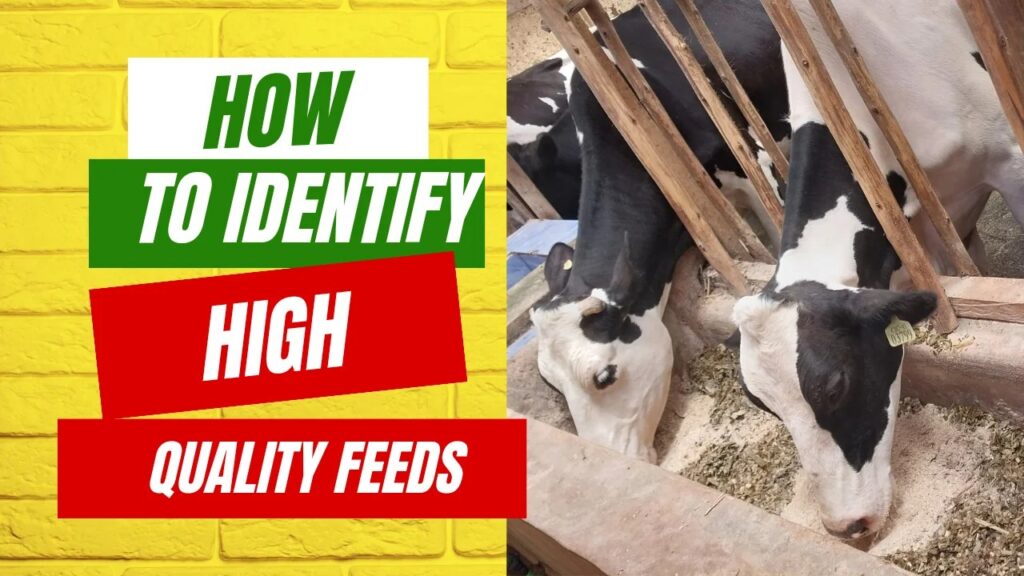
How To Identify High-Quality Dairy Feeds in Kenya
In Kenya, dairy farming plays a crucial role in livelihoods and food security. However, the success of dairy farming heavily depends on the quality of feed provided to the cows. Selecting high-quality dairy feeds is essential for maximizing milk production and maintaining the overall health and well-being of the herd. In this blog, we’ll discuss how dairy farmers in Kenya can identify top-notch feeds to optimize their dairy operations.
1. Understand Nutritional Requirements: – Before selecting dairy feeds, it’s important to understand the nutritional requirements of dairy cows at different stages of production, including lactation, dry period, and gestation. – Consult with a nutritionist or extension officer to determine the ideal nutrient composition for your herd based on factors such as breed, age, weight, and milk production level.
2. Evaluate Ingredient Quality: – Examine the ingredients listed on the feed label and ensure they meet the nutritional needs of dairy cows. – Look for feeds that contain high-quality ingredients such as maize, wheat bran, cottonseed cake, soybean meal, and mineral supplements. – Avoid feeds with excessive amounts of fillers, low-quality grains, or additives that may compromise digestibility or overall feed quality.
3. Check for Consistency and Freshness: – Choose feeds from reputable manufacturers or suppliers known for producing consistent, high-quality products. – Inspect the feed for signs of mold, dust, or foreign contaminants, which can indicate poor storage conditions or spoilage. – Opt for freshly manufactured feeds to ensure maximum nutrient content and palatability.
4. Assess Nutrient Density: – Compare the nutrient composition of different feeds and select options with optimal nutrient density to meet cows’ requirements without overfeeding. – Consider feeds fortified with essential vitamins, minerals, and amino acids to support overall cow health and performance.
5. Analyze Feed Cost and Value: – Evaluate the cost-effectiveness of various feed options by comparing the price per unit of nutrient content (e.g., cost per kilogram of protein or energy). – Factor in additional costs such as transportation, storage, and handling fees when assessing overall feed value. – Keep in mind that investing in high-quality feeds may yield greater returns in terms of improved milk production, reproductive efficiency, and cow longevity.
6. Seek Recommendations and Feedback: – Tap into the knowledge and experience of fellow dairy farmers, veterinarians, and nutritionists for recommendations on reliable feed brands or suppliers. – Attend agricultural fairs, seminars, or workshops where feed manufacturers showcase their products and provide educational resources. – Solicit feedback from other farmers who have experience using specific feeds and inquire about their observations regarding feed performance and cow health outcomes.
Click this photo to access your gift 🎁
Conclusion: Choosing high-quality dairy feeds is paramount for the success and profitability of dairy farming operations in Kenya. By understanding nutritional requirements, evaluating ingredient quality, checking for consistency and freshness, assessing nutrient density, analyzing feed cost and value, and seeking recommendations and feedback, dairy farmers can make informed decisions to ensure their cows receive the best possible nutrition for optimal health and productivity.
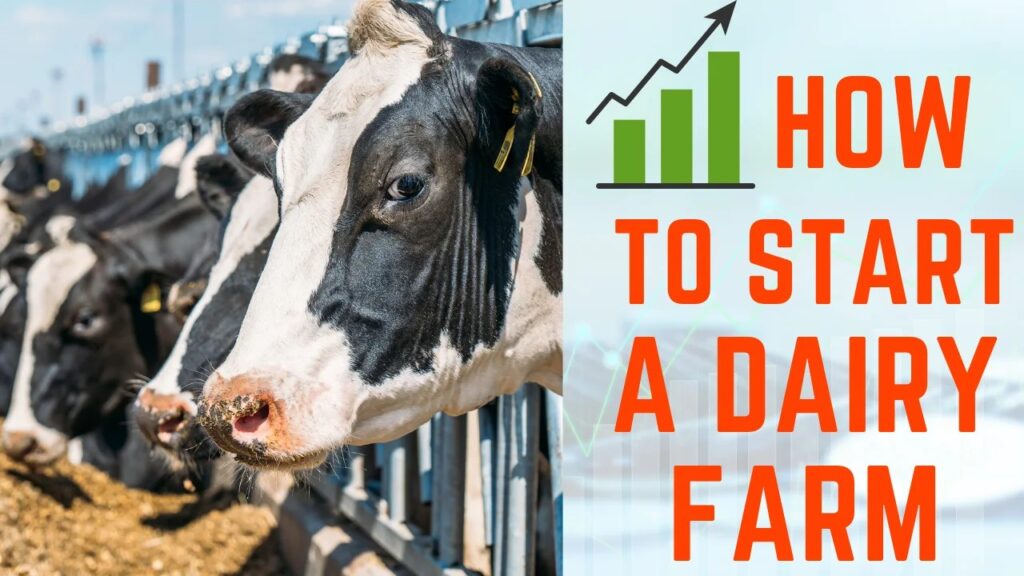
How to start a dairy farm in Kenya
The basics to successful dairy production are: Genetics -Breed, Nutrition & Economics.A pedigree animal is one that has been well bred and has the capacity to produce maximum recorded yield of the bull’s dam/mother. The common ones in Kenya range from 25 to 60 litres of milk yield per day. The yields will be realized through proper nutrition and health.The other key aspects of your project will be;-
i) Proper plan on nutrition
a) Source of forage, type and availability.
b) Source of concentrates, type and availability.
c) Mineral supplementation:- type and administration procedure.
✓Is your farm near a cooperative collection centre?
✓What are the strengths/ reliability of your marketing channel? ie. Cooperative or Retail?
– We advise you to consider a cooperative because it is more reliable. You will be guaranteed of a market for your produce and the prices are better and guaranteed. Read more on dairy cooperatives like Githunguri Dairy Cooperative (Fresha). To learn more, click here.
iii) Labour
✓You will need at least one attendant to your farm.
✓You also need a veterinarian near you for health consultancy.
iv) Dairy cattle housing/ Barn
✓You need to invest in an economical form of housing for health and safety of your livestock.
✓There are choices to this and you need to adopt a proper plan. Consult an Animal Production Specialist.
v) Proper Record Keeping
A good record should capture all the cow’s data. It’s components should include;
– Important milestones like last date of calving among others
– Tracking milk yield (morning, midday and evening production)
– Tracking milk sales
– Tracking home & calf consumption
– Tracking amounts of dairymeal/concentrates used every day
– Heath record (For all treatment on the animal and AI)
– Executive Summary of all yields for every month.
Economics:-Based on the current milk prices (Ksh. 38/- per litre), a cow producing an average of 25 litres per day during the lactation period will give a minimum gross income of Ksh. 25,000/- per month. The average cost of production is Ksh. 27/- per litre of dairy milk. This translates into a net profit of Ksh. 7,500 per month. With a herd size of 2 each costing a maximum of Ksh. 150,000 + Misc costs, Your investment will take a maximum of 24 months to Break-even.
You can get a reprintable file and we advise you to reproduce enough on a good type of copy paper for individual animals and an extra copy for cumulative records of the farm. In so doing, you will be able to analyse all the aspects of your herd. It will also help you in effective decision making. Read more on how to make your dairy investment a success, click here.
Enhancing Dairy Farming Profitability in Kenya: Key Strategies
Enhancing Dairy Farming Profitability in Kenya: Key Strategies
Introduction
Improving the profitability of dairy cows in Kenya and across Africa is essential for sustainable farming practices. With the right strategies, farmers can increase milk yield and enhance the overall health of their herds.
Increasing Milk Yield and Effective Heat Management
One crucial aspect of enhancing dairy farm profitability is ensuring an increased milk yield. Achieving this begins with recognizing the signs of heat in cows and heifers. Timely onset of heat is vital for breeding efficiency, which in turn contributes significantly to milk production. By monitoring cows closely, farmers can ensure they breed at the right time, leading to a more productive lactation cycle.
Upgrading Calf Growth Rates and Body Condition
Fostering faster growth in calves is another focal point that can boost profitability. Implementing a nutrition plan that meets the dietary needs of young animals promotes healthy growth rates. Additionally, maintaining good body condition in cows enhances their productivity, ensuring they are better able to produce milk. Adequate record-keeping plays a key role in tracking these metrics and allows farmers to make data-driven adjustments over time.
Conclusion
By focusing on the increase of milk yield, timely detection of heat signs, fast growth rates in calves, and improved body condition, dairy farmers in Kenya can substantially improve the profitability of their operations. Proper record keeping ensures that these strategies are effectively implemented and adjusted as needed, paving the way for a thriving dairy farming enterprise.
Milk Fever in Dairy Cows
Milk fever, also known as hypocalcemia, is a metabolic disorder in dairy cows that typically occurs around calving. It is caused by a sudden drop in calcium levels in the blood, which is critical for muscle function and other physiological processes.
Causes: Calcium Drain During Lactation: When a cow gives birth, the demand for calcium in milk production increases rapidly. If the cow’s body is unable to mobilize enough calcium from its bones or absorb it from feed, blood calcium levels drop sharply.
Poor Dietary Management: Inadequate calcium, phosphorus, or vitamin D in the diet before calving can prevent the cow from properly regulating calcium levels. Low magnesium can also reduce calcium absorption.
Breed Susceptibility: Some breeds, like Jerseys, are more prone to milk fever due to their higher milk output and calcium demands.
Older Cows: Cows that have had multiple calvings are at greater risk because their bodies may become less efficient at mobilizing calcium from bones.
Symptoms: Muscle tremors or weakness Inability to stand (cow may collapse) Low body temperature and cold ears Difficulty with coordination Eventually, if untreated, milk fever can lead to coma or death.
Preventive measures like dietary adjustments and calcium supplementation can reduce the risk.
Milk fever, caused by a sudden drop in calcium levels post-calving, can severely impact a cow’s health and milk production. Tranzpro® plays a vital role in not only enhancing udder health and boosting recovery but also in preventing milk fever by ensuring cows maintain proper nutrition and calcium levels.
Administer Tranzpro® 18 days before calving and continue for 36 days after calving. The recommended daily consumption rate is 50 grams (equivalent to 2 tablespoons) to ensure optimal nutrition and calcium absorption, reducing the likelihood of milk fever. By incorporating Tranzpro® into your feeding regimen, you not only support cow health but also actively prevent milk fever, ensuring a smoother calving period and healthier lactation cycles. To learn more about milk fever, click here.