Address
304 North Cardinal
St. Dorchester Center, MA 02124
Work Hours
Monday to Friday: 7AM - 7PM
Weekend: 10AM - 5PM
Address
304 North Cardinal
St. Dorchester Center, MA 02124
Work Hours
Monday to Friday: 7AM - 7PM
Weekend: 10AM - 5PM



Starting or expanding a dairy farm requires careful planning, and selecting the right location is one of the most critical decisions you’ll make. The success of your dairy farming business heavily depends on this choice, as it affects operational efficiency, cow comfort, and profitability. Here's what you need to consider:

When choosing the best dairy cow breed, it's important to focus on factors like milk production, adaptability to your climate, feed efficiency, and the purpose of your dairy farm.
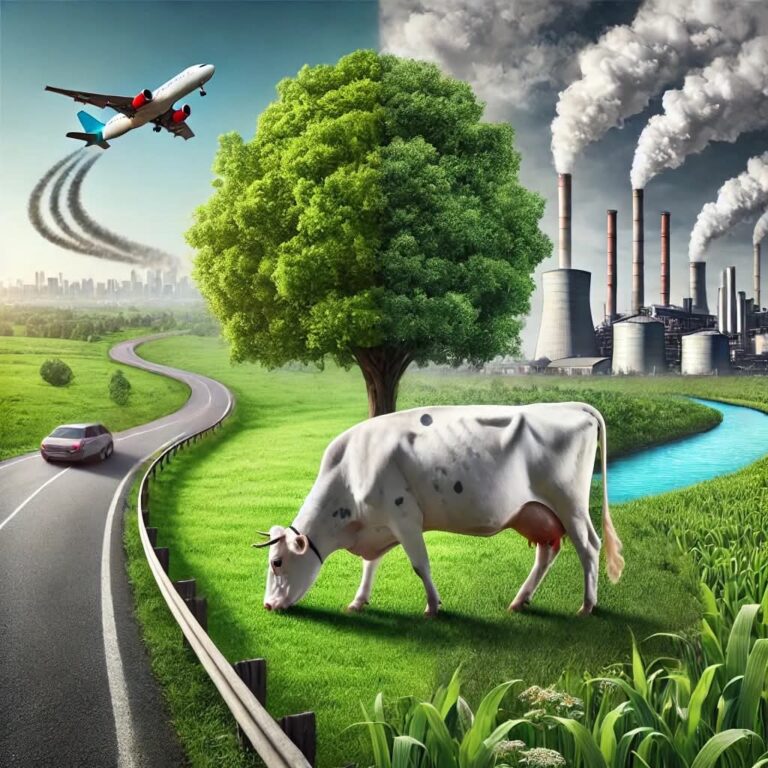
In today’s changing environment, cows can play a vital role in maintaining balance and sustainability. Biodiversity is key to a healthy ecosystem, and rather than eliminating dairy cattle, we must focus on sustainable practices like planting more trees to mitigate environmental challenges
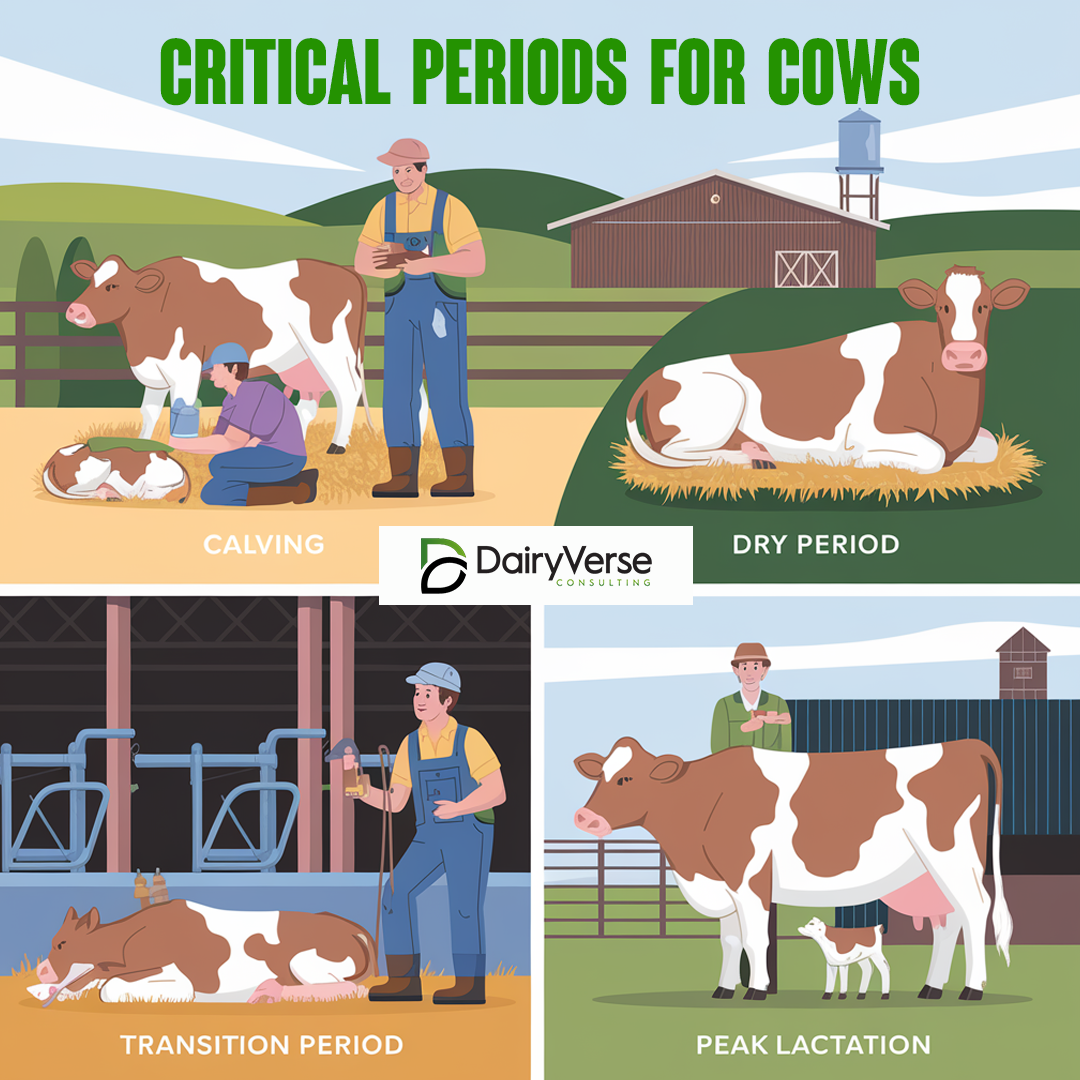
Cows experience several critical periods that require focused care and management to maintain their health and productivity. Proper planning during these stages minimizes risks and maximizes output.
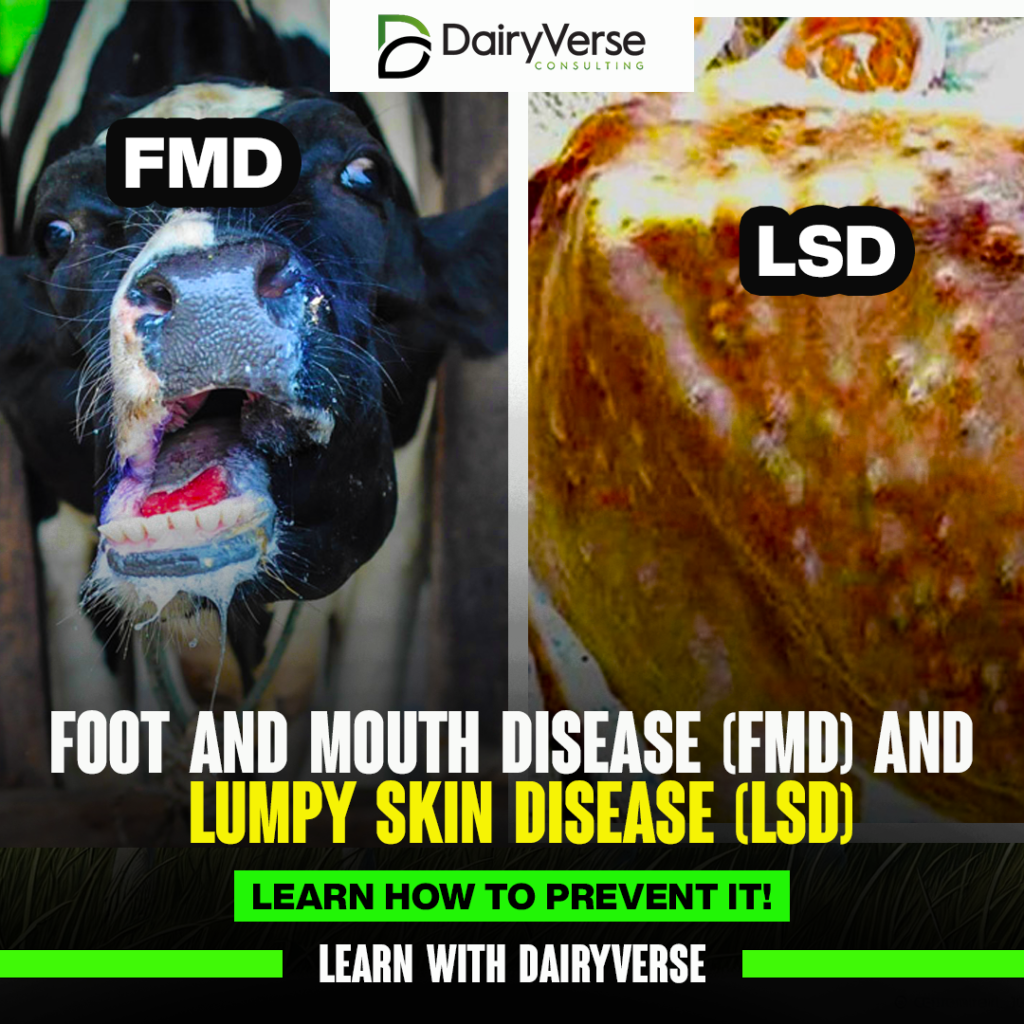
Two prevalent diseases affecting livestock today are Foot and Mouth Disease (FMD) and Lumpy Skin Disease (LSD). In this article, we will break down their causes, signs, and the control measures you can adopt to protect your herd.
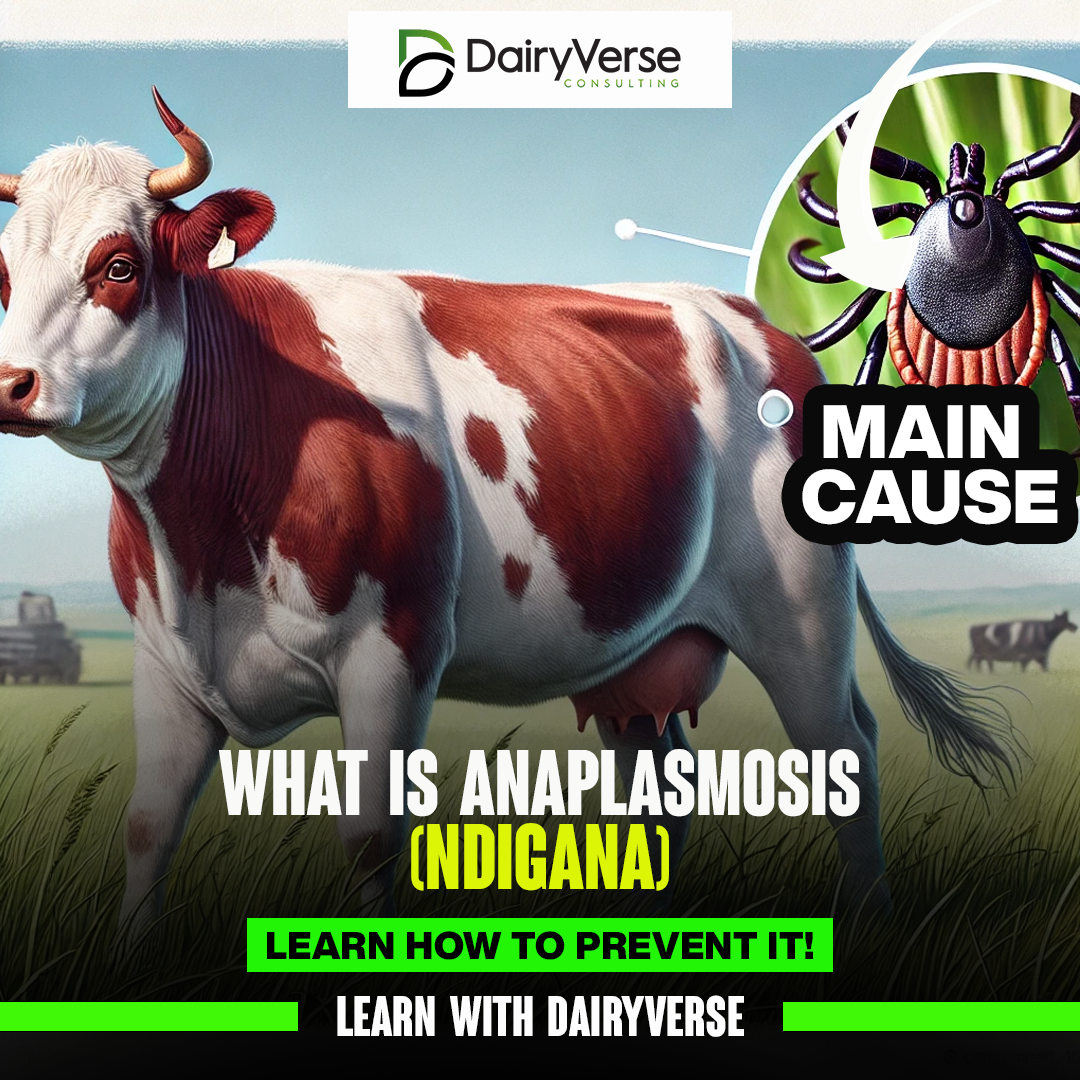
Anaplasmosis is a significant infectious disease in cattle, impacting herds across tropical and subtropical regions. This condition, caused by the bacterium Anaplasma marginale, can lead to severe anemia, reduced productivity, and economic losses if not managed promptly.
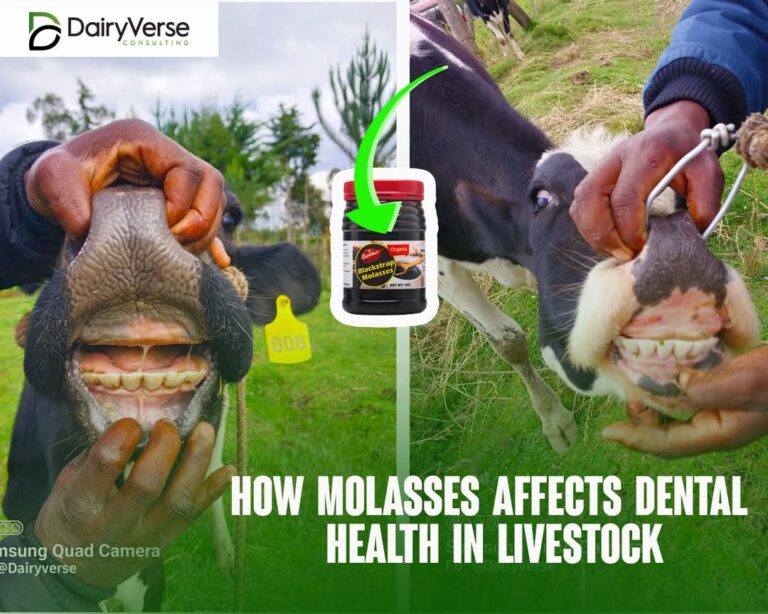
Molasses, a popular feed supplement for livestock, is widely used due to its numerous benefits, including improving feed palatability, increasing energy intake, and promoting better nutrient absorption. However, like all feed additives, it has its potential drawbacks, one of which includes its impact on dental health
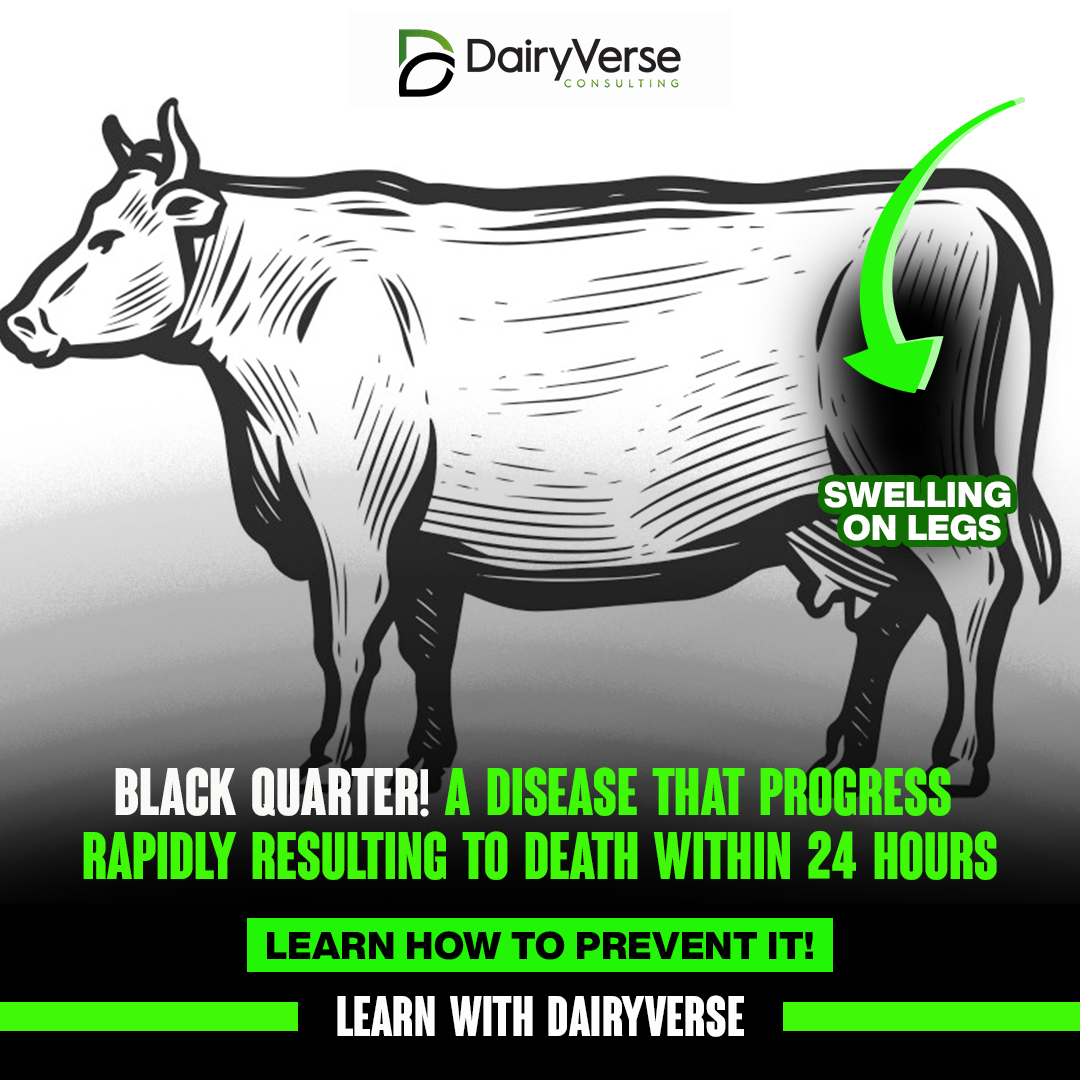
Black Quarter (BQ), also known as Blackleg, is one of the most devastating diseases that can affect cattle. Caused by the bacterium Clostridium chauvoei, this disease is often fatal and requires immediate attention. Understanding its causes, symptoms, prevention, and treatment is essential for cattle farmers to protect their herds.
Cows cannot develop food poisoning in the same way that humans do. Food poisoning in humans is typically caused by consuming food contaminated with bacteria, viruses, or toxins. However, cows have a complex digestive system that is adapted to process a variety of plant-based materials, including potentially harmful substances.
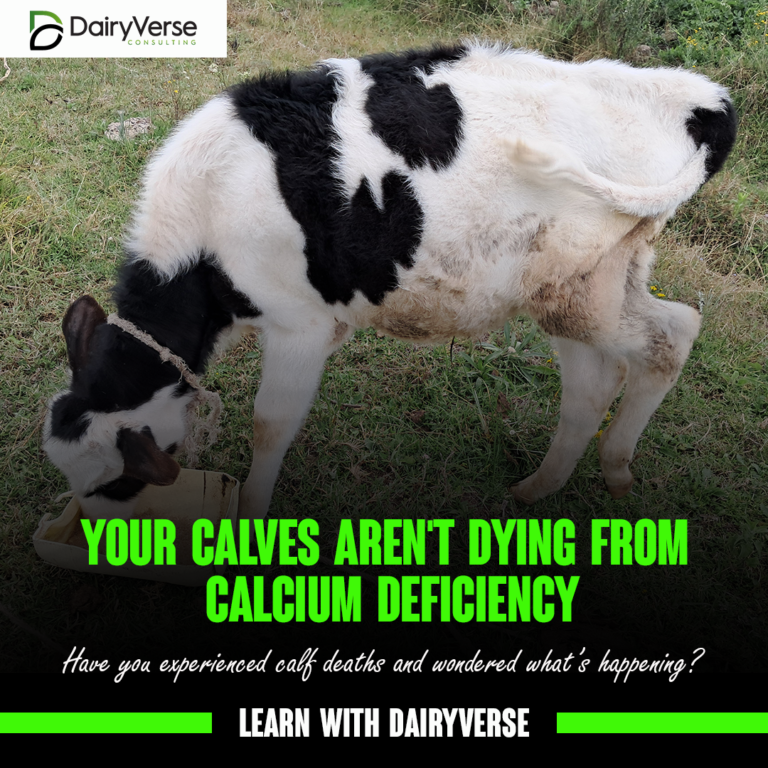
When calves fall sick or fail to thrive, many farmers immediately suspect calcium deficiency. While calcium is vital for growth and skeletal health, it’s rarely the root cause of mortality in young calves. Instead, the problem often lies in management practices, nutrition, or underlying diseases that weaken the calves before calcium deficiency even becomes a concern.