A Guide to Dairy Goat Breeds and Health

Dairy goats are a valuable source of milk for human consumption, offering nutritious and high-quality dairy products. Different breeds have varying levels of milk production, milk fat, and protein content. Below, we explore some of the most common dairy goat breeds and their contributions to milk production.

1. Nubian

  • Average Milk Production: 825.54 litres per lactation
  • Milk Fat Content: 4.9%
  • Milk Protein Content: 3.7%

Nubian goats are well-known for their high butterfat content, making their milk ideal for cheese and yogurt production. They have distinctive long ears and a Roman nose, and they are highly adaptable to various climates.

2. Oberhasli

  • Average Milk Production: 973.01 litres per lactation
  • Milk Fat Content: 3.9%
  • Milk Protein Content: 2.9%

This breed originates from Switzerland and is recognized for its beautiful reddish-brown coat with black markings. Oberhaslis are moderate milk producers and provide well-balanced milk suitable for various dairy products.

3. Saanen

  • Average Milk Production: 1,168.81 litres per lactation
  • Milk Fat Content: 3.3%
  • Milk Protein Content: 2.9%

Saanens are among the highest milk-producing goats, making them a popular choice for commercial dairy farms. They have a white coat, a calm temperament, and excellent milking efficiency.

4. Toggenburg

  • Average Milk Production: 959.23 litres per lactation
  • Milk Fat Content: 3.2%
  • Milk Protein Content: 2.7%

Another Swiss breed, the Toggenburg goat, is easily identified by its light brown coat with white markings. Though they produce slightly less butterfat compared to Nubians, their milk is still of high quality and suitable for cheese making.

5. Alpine

  • Average Milk Production: 952.54 litres per lactation
  • Milk Fat Content: 4%
  • Milk Protein Content: 3.2%

Alpine goats are widely recognized for their excellent milk production and adaptability to different climates. They have no specific color pattern and come in a variety of shades. Their milk contains a good balance of fat and protein, making it suitable for many dairy products.

Choosing the Right Dairy Goat Breed

When selecting a dairy goat breed, it is essential to consider your specific dairy needs. If you require high butterfat for making cheese or yogurt, Nubians might be the best choice. If milk volume is the primary concern, Saanens and Alpines are excellent options. For those looking for an all-rounder with good milk quality and moderate production, Oberhaslis and Toggenburgs are great candidates.

Enhancing Dairy Goat Health and Yield with MbuziPRO

To breed a healthy goat with high milk yield, consider using MbuziPRO. This premium high-protein and energy supplement enhances reproduction, improves body condition, and maximizes milk yield in dairy goats. The benefits of MbuziPRO include:

  • Increased weight gain in sheep and goats.
  • Enhanced fertility in sheep and goats, ensuring optimal reproduction.
  • Faster recovery of previously ill sheep and goats.
  • Increased milk yield in dairy goats.
  • Improved body condition and enhanced skin tone/smooth hair coats.

Final Thoughts

Dairy goats are a fantastic option for sustainable milk production, providing rich and nutritious milk for personal or commercial use. Each breed offers unique benefits, so understanding their milk production capabilities can help farmers and dairy enthusiasts make informed decisions.


Factors Influencing Feed Intake and Early Lactation Targets in Dairy Cattle

Introduction

Feed intake is a crucial determinant of productivity, health, and reproductive efficiency in dairy cattle. Ensuring optimal nutrition during early lactation is particularly important for maintaining milk yield, body condition, and overall cow health. This article explores the key factors influencing feed intake and the essential nutritional targets during early lactation.


Factors Affecting Feed Intake in Dairy Cattle

Several physiological and management-related factors influence the feed intake of dairy cows. Understanding these factors can help improve efficiency and productivity in dairy operations.

1. Level of Production

The feed intake of a dairy cow is directly linked to its milk production level. High-producing cows require more energy and nutrients to sustain milk synthesis, which increases their overall feed consumption. However, during peak lactation, energy demands may surpass the cow’s intake capacity, leading to negative energy balance.

2. Forage Quality and Quantity

Forages provide essential fiber, energy, and protein to dairy cows. Their quality and availability play a significant role in determining overall feed intake. High-quality forage with adequate digestibility and nutrient balance promotes better rumen function and higher intake levels. Poor-quality forage, characterized by excessive fiber content and low digestibility, can limit feed consumption.

3. Feed Digestibility

Feed digestibility is a key determinant of nutrient absorption and utilization. Highly digestible rations ensure efficient nutrient uptake, improving milk yield and body condition. Factors affecting digestibility include:

  • Fiber content (neutral detergent fiber – NDF and acid detergent fiber – ADF)
  • Feed processing methods
  • Inclusion of readily fermentable carbohydrates

4. Feed Processing

The physical form of feed significantly impacts intake. Proper processing, such as chopping forage to the recommended size and pelleting concentrates, enhances digestibility and prevents sorting behavior in cows. Over-processing, however, may reduce fiber effectiveness and increase the risk of metabolic disorders like acidosis.

5. Feeding Frequency

The frequency and timing of feeding influence rumen health and feed intake. Providing multiple small meals throughout the day helps maintain a stable rumen environment, minimizes feed wastage, and prevents digestive upsets. In contrast, infrequent feeding can lead to fluctuations in rumen pH, reducing feed efficiency.

6. Consistency of Ration Ingredients

Maintaining a consistent ration formulation ensures that cows receive a balanced supply of nutrients daily. Sudden changes in diet composition can disrupt rumen microbial populations, leading to reduced intake, digestive disturbances, and metabolic disorders.


Early Lactation Nutritional Targets

Early lactation, typically the first 100 days postpartum, is a critical period in dairy production. During this phase, cows experience a peak in milk yield while struggling to meet their energy demands, often leading to body condition loss. Establishing precise nutritional targets can help mitigate these challenges.

1. Forage (Fiber Requirements)

Forage provides essential fiber, supporting rumen function and preventing digestive disorders such as acidosis. The recommended fiber parameters during early lactation include:

  • Forage-to-Concentrate (F/C) Ratio: 40% forage and 60% concentrate to balance energy supply and fiber intake.
  • Forage Particle Size: At least half of the forage should be chopped to 2.6 cm to optimize rumination and saliva production.
  • Fiber Composition: The diet should contain 28% neutral detergent fiber (NDF) and 19% acid detergent fiber (ADF) to maintain optimal rumen health.
  • Acidosis Prevention: All fiber-related targets aim to reduce the risk of subacute ruminal acidosis (SARA), a common metabolic disorder in high-producing cows.

2. Protein Requirements

Protein plays a vital role in supporting milk synthesis, tissue repair, and reproductive health. The recommended dietary protein concentration for early lactation cows is 17% to 19%. Within this, specific protein fractions should be balanced:

  • Rumen Undegradable Protein (RUP): 35% of total protein should bypass rumen degradation to provide essential amino acids for milk production.
  • Soluble Protein: 30% of the protein should be highly digestible and available for microbial synthesis in the rumen.

A well-balanced protein diet ensures sustained milk production without excessive body condition loss.


Conclusion

Optimizing feed intake and meeting early lactation nutritional targets are critical for maintaining high milk production, preventing metabolic disorders, and supporting overall dairy cow health. Factors such as forage quality, digestibility, feeding frequency, and ration consistency all play essential roles in influencing feed intake. By adhering to recommended fiber and protein guidelines, dairy farmers can enhance productivity, improve cow longevity, and ensure economic sustainability in dairy operations.


Understanding South Asian Water Buffaloes

Introduction

Kenya’s agricultural and livestock sectors are on the verge of a transformative shift with the potential introduction of South Asian water buffalo. Known for their superior meat and milk production, these buffalo species have been a cornerstone of the dairy and meat industries in countries like India, Pakistan, and Bangladesh. The question remains: Can they thrive in Kenya, and will they offer the expected economic and nutritional benefits?

Understanding South Asian Water Buffaloes

South Asian water buffaloes (Bubalus bubalis) are distinct from African buffaloes (Syncerus caffer). Unlike their African counterparts, which are mostly wild and untamed, South Asian water buffaloes have been domesticated for centuries, playing a significant role in dairy farming and meat production. These animals thrive in wetland areas, often submerging themselves in water to regulate body temperature and prevent heat stress.

The two major types of domesticated water buffalo are:

  • River Buffaloes – Primarily used for dairy production, yielding high-fat-content milk.
  • Swamp Buffaloes – More suited for labor and meat production, found predominantly in Southeast Asia and China.

The Appeal: Why Kenya is Considering Water Buffalo

1. Milk Production Superiority

Water buffalo milk is rich in butterfat (7-8%) compared to cow’s milk (3-4%), making it ideal for producing dairy products like cheese, yogurt, and ghee. This higher fat content results in creamier, nutrient-dense dairy products. With Kenya’s rising demand for milk and dairy derivatives, these buffaloes could provide an alternative to traditional cattle dairy farming.

2. Higher Meat Yield

Water buffalo meat is leaner than beef, with lower cholesterol and higher protein content. It is widely consumed in many Asian countries and could become a viable alternative to beef in Kenya, providing a more affordable yet nutritious protein source.

3. Hardiness and Disease Resistance

One of the key challenges facing cattle farming in Kenya is the prevalence of diseases like East Coast Fever and Foot-and-Mouth Disease. Water buffaloes have a higher resistance to these diseases, making them more sustainable for farmers who struggle with veterinary costs.

4. Better Adaptability to Climate Change

Given the unpredictability of climate conditions, water buffaloes’ ability to thrive in wetland ecosystems could be beneficial in Kenya. They are more resistant to droughts compared to traditional cattle and can utilize marshy lands unsuitable for other livestock.

Challenges in Introducing Water Buffalo to Kenya

1. Habitat Requirements

Water buffaloes thrive in environments with access to water bodies like rivers, dams, or swamps. Given Kenya’s semi-arid landscape in many regions, only select areas might be suitable for large-scale water buffalo farming.

2. Market Acceptance

Kenyan consumers are accustomed to cow’s milk and beef. While water buffalo milk is superior in nutrition, it has a distinct taste and composition that may require consumer education and marketing efforts.

3. Regulatory and Breeding Concerns

The introduction of non-native species requires strict biosecurity measures to prevent the spread of foreign diseases. Additionally, breeding programs would need to be established to ensure genetic diversity and adaptability to Kenya’s environment.

Global Success Stories

Countries like India and Pakistan have successfully integrated water buffalo into their agricultural systems, contributing to the world’s largest production of buffalo milk. Similarly, the Philippines has developed a hybrid buffalo breed known as the ‘Murrah Buffalo,’ which significantly boosts dairy output. If well implemented, Kenya could replicate such success in its livestock sector.

Conclusion

The introduction of South Asian water buffalo to Kenya presents promising opportunities for dairy and meat industries. Their superior milk and meat production, resilience to disease, and adaptability to climate change make them a compelling choice for livestock farming. However, success will depend on suitable rearing conditions, consumer acceptance, and regulatory compliance.

Would you be open to trying buffalo milk or meat as part of your diet? Share your thoughts!


Bella’s Improvement Story: From 1 Cup to 5 Litres of Milk and Now 7 Months Incalf and Now Colourful!

We begun this project at a time when the The animal was in poor body condition, suffered from silent heat and low yields. 
This cow was bony, with brown coat and struggled to rise up and walk. This unfortunate case case as a result of post-calving stress that affects cows that calved down recently. This case is normally characterized by loss of appetite making the animal consume less feeds. This results in a reduction in energy and other important nutrients. The overall effect is reduction in milk yield, silent heat, loss of body condition and it might lead to death of the animal. Additionally, the immunity of the animals lowers giving opportunistic diseases a chance to attack then animal causing more harm.

Watch full video:

Bella’s Transformation Story


Understanding Calving Interval in Dairy and Beef Cattle

The calving interval is a crucial factor in cattle farming, influencing both productivity and profitability. It refers to the period between the birth of one calf and the subsequent birth of the next calf from the same cow. For both dairy and beef cattle, the ideal calving interval is approximately one year (12 to 13 months). However, achieving this target requires proper management of nutrition, reproduction, and overall herd health.


1. Importance of Calving Interval in Cattle Farming

A well-managed calving interval is essential for maintaining a high level of efficiency in cattle farming. The key benefits include:

  • Increased Milk Production (in dairy cattle): Shorter calving intervals ensure that cows spend less time in the dry period and more time in lactation, maximizing milk yield.
  • Higher Reproductive Efficiency: A cow that calves regularly every year contributes more efficiently to herd growth and sustainability.
  • Better Profitability: More calves mean more opportunities for farmers to sell or raise young stock for meat or replacement heifers.
  • Improved Genetic Progress: Shorter calving intervals allow for quicker genetic improvement through selective breeding.

2. Factors Affecting the Calving Interval

Maintaining an optimal calving interval requires careful management of several key factors:

a) Nutrition and Body Condition

  • Proper nutrition is crucial for reproductive success. A cow that is either underfed or overfed may struggle with fertility.
  • Body Condition Score (BCS) plays a role in postpartum recovery and estrus cycles. The ideal BCS before calving should be around 3.0 to 3.5 on a scale of 1 to 5.

Using premium reproductive supplements like Fertility+® and Tranzpro® can significantly improve fertility, reproductive health, and overall productivity in dairy and beef cattle.

  • Fertility+® is a specialized reproductive health supplement designed to enhance fertility in heifers. It helps address delayed and silent heat, dystocia (difficult labor), and retained afterbirth, improving conception rates. With a recommended daily dosage of 50 grams per heifer, Fertility+® ensures improved reproductive performance.
  • Tranzpro®, on the other hand, supports udder health, appetite stimulation, and early lactation recovery, helping pregnant heifers transition smoothly into peak milk production. It also reduces the risk of retained afterbirth, which can extend calving intervals if left unaddressed.

b) Heat Detection and Breeding Management

  • Effective heat detection ensures that cows are bred at the right time. Missed heat cycles extend the calving interval.
  • Artificial Insemination (AI) should be done 12-18 hours after the cow shows signs of standing heat.
  • Maintaining accurate records helps farmers track breeding dates and calving patterns.

c) Postpartum Recovery and Uterine Health

  • After calving, cows require time for their reproductive system to recover. This period is called the voluntary waiting period (VWP), typically lasting 45-60 days.
  • Retained placentas, metritis, or uterine infections can delay reproductive cycles and increase the calving interval. Tranzpro® helps prevent these conditions, ensuring smooth postpartum recovery and quicker return to estrus cycles.

3. Challenges in Achieving a One-Year Calving Interval

Many farms struggle to maintain an ideal calving interval due to several challenges, including:

  • Poor Heat Detection: Many farmers miss estrus signs, delaying insemination.
  • Low Conception Rates: Issues like silent heat, poor semen quality, and reproductive disorders reduce pregnancy rates.
  • Calving Difficulties (Dystocia): Difficult births can cause injuries, delaying the next pregnancy. Fertility+® helps reduce dystocia and ensures smoother calving.
  • Prolonged Postpartum Anestrus: Some cows take longer to return to estrus after calving, leading to extended intervals. A balanced diet supplemented with Fertility+® helps restore reproductive efficiency.
  • Disease and Parasites: Health issues such as mastitis, metritis, and retained placentas negatively affect fertility. Tranzpro® reduces the risk of retained afterbirth, ensuring a faster recovery.

4. Strategies to Improve Calving Interval

Farmers can take several steps to ensure a consistent one-year calving interval:

a) Implement a Strict Breeding Calendar

  • Set up a breeding season to ensure cows conceive within a fixed time frame.
  • Use estrus synchronization programs to improve breeding efficiency.

b) Optimize Nutrition

  • Provide high-energy and protein-rich diets to support reproductive performance.
  • Supplement with Fertility+® to improve conception rates and reproductive health.

c) Enhance Heat Detection and AI Timing

  • Use heat detection aids like tail paint, activity monitors, or teaser bulls.
  • Train farmworkers to recognize heat signs accurately.

d) Manage Postpartum Health

  • Ensure proper calving assistance to reduce injuries.
  • Use Tranzpro® to prevent retained afterbirth and support postpartum recovery.

e) Improve Genetic Selection

  • Choose bulls and cows with high fertility traits.
  • Select for easier calving (low birth weight) to minimize dystocia.

Conclusion

A well-maintained calving interval is the backbone of successful cattle farming, impacting milk production, reproductive efficiency, and farm profitability. By focusing on nutrition, heat detection, postpartum care, and breeding management, farmers can achieve the optimal one-year calving interval, leading to a more productive and sustainable herd.

Using Fertility+® and Tranzpro® as part of a reproductive management plan can further enhance fertility, reduce postpartum complications, and improve overall herd health—helping farmers maintain profitable and efficient dairy and beef operations.


How to Raise a Bull for Meat Production

How to Raise a Bull for Meat Production

Raising a bull for meat requires careful selection, proper feeding, health management, and humane handling to ensure optimal growth, meat quality, and profitability.


1. Selecting the Right Bull

Best Breeds for Meat Production

  • Angus – High marbling, tender beef.
  • Hereford – Efficient growth, good temperament.
  • Charolais – Fast growth, leaner meat.
  • Simmental – Dual-purpose, excellent weight gain.
  • Brahman – Heat-resistant, disease-resistant.
  • Limousin – Lean meat, high yield.

Genetic Considerations

  • Select bulls with fast growth rates and good feed efficiency.
  • Muscle development should be well-defined.
  • Avoid bulls with genetic defects that affect meat quality.

2. Housing and Space Requirements

  • Provide ample space (at least 500–1000 square feet per bull in a dry lot system).
  • Ensure good ventilation in barns or shelters.
  • Secure fencing (strong wooden or steel panels) to prevent aggression or escape.
  • Shade and water access are crucial for comfort and stress reduction.

3. Feeding for Optimal Growth

Stages of Feeding

1. Starter Phase (0–6 months)

  • If raised from birth, ensure colostrum intake within the first 24 hours.
  • Feed calf starter feed with 18-22% protein.
  • Provide fresh milk or milk replacer for up to 3 months.
  • Introduce hay and grain slowly.

2. Growing Phase (6–12 months)

  • Feed a mix of quality hay, pasture, and grain.
  • Protein content: 14-16% for muscle development.
  • Minerals & supplements: Calcium, phosphorus, selenium, and vitamins A, D, E.
  • Ensure clean, fresh water at all times.

3. Finishing Phase (12–24 months)

  • Transition to a high-energy diet to improve marbling.
  • Corn, barley, soybean meal, and molasses help with weight gain.
  • Hay and fiber should still be included for digestion.
  • Aim for a 2.5 – 4 lbs daily weight gain.

4. Health & Disease Management

  • Deworming: Every 3–6 months to prevent parasites.
  • Vaccination: Protect against:

    • Bovine Respiratory Disease (BRD)
    • Clostridial diseases (Blackleg)
    • Bovine Viral Diarrhea (BVD)

  • Hoof care: Trim hooves if needed.
  • Regular vet check-ups to monitor weight, growth, and any illnesses.

NyamaPlus – Enhancing Bull Health and Growth

NyamaPlus is a scientifically designed product by Dairyverse Consulting that enhances the health and productivity of beef bulls.

Benefits of NyamaPlus

  • Increased weight gain in finishing bulls and steers.
  • Enhances meat quality and eliminates the risk of white muscle disease.
  • Faster recovery for previously ill bulls.
  • Improves hoof integrity, eliminating the risk of lameness in grazing bulls and steers.
  • Improves body condition, enhances skin tone, and smoothens hair coats.

Directions for Use

  • Suitable for all beef cattle aged 12 months and older with a body weight above 200 kg.
  • This pack lasts for 30 days when used by 1 bull.
  • Dosage: Add 35 grams (1½ Tablespoons) to pollard, other dry minerals, or mineral licks during feeding.

5. Behavior and Handling

  • Bulls can be aggressive; train early for handling.
  • Use calm, consistent interactions to prevent stress.
  • Keep bulls separated from cows unless used for breeding.
  • Use proper handling facilities (chutes, headgates).

6. Processing & Slaughter Timing

  • Best slaughter weight: 1,100 – 1,400 lbs.
  • Best age: 18–24 months (for tender meat).
  • Ensure stress-free transport to slaughter to avoid tough meat.
  • Consider grass-fed vs. grain-fed based on market preference.


Holstein Cattle, The Ultimate Dairy Breed

Holstein cattle are among the most recognizable and productive dairy breeds in the world. Known for their distinctive black and white markings, these cows are prized for their exceptional milk production, making them a preferred choice for dairy farmers globally.

Understanding Lactation

Lactation is the process by which dairy cows produce milk after giving birth. This phase is critical for both the health of the cow and the quality of milk production. Proper nutrition and management during lactation ensure optimal milk yield and cow well-being.

General Features of Holstein Cattle

  • Cow Name: Holstein Cattle
  • Color: Black and White
  • Weight: 680-770 kg
  • Height: 145-165 cm
  • Milk Yield: 6000-8000 kg per lactation

Characteristics and Benefits

1. High Milk Production

Holsteins are renowned for their outstanding milk yield, ranging from 6000 to 8000 kg per lactation. This makes them highly desirable for commercial dairy farming, as their production capacity surpasses many other breeds.

2. Adaptability

These cows can adapt to different climatic conditions, making them suitable for various regions worldwide. With proper management and nutrition, Holsteins thrive in both temperate and tropical environments.

3. Efficient Feed Conversion

Holstein cattle efficiently convert feed into milk, making them cost-effective for dairy farmers. Their high metabolic rate ensures optimal utilization of nutrients, leading to consistent milk production.

4. Large Body Size

Weighing between 680-770 kg and standing at a height of 145-165 cm, Holsteins are among the largest dairy breeds. Their size contributes to their ability to produce significant amounts of milk while maintaining overall health and productivity.

The Main Challenge Facing Holstein Cows

Holstein cows are renowned for their high milk production, but this also presents a significant challenge—metabolic stress. Due to their high milk yield, Holsteins are prone to metabolic disorders such as ketosis, milk fever, and acidosis. These conditions can impact their productivity and overall health, making proper nutrition and management crucial.

Dairyverse Products and Their Impact on Dairy Cows

Dairyverse offers a range of specialized products designed to optimize cow health and productivity. Here’s how they impact dairy cows:

Ndamaplus®: Enhancing Dairy Calf Growth and Development

  1. Promotes Weight Gain: Supports average daily weight gain, ensuring healthy calf growth.
  2. Counters Stunted Growth: Provides essential nutrients to prevent growth deficiencies.
  3. Reduces Post-Weaning Stress: Minimizes stress during the critical post-weaning phase.
  4. Boosts Immunity: Strengthens the immune system, protecting calves from diseases.
  5. Facilitates Timely Heat Onset: Ensures smooth transition to adulthood by promoting timely heat cycles in heifers.

Tranzpro®: A Powerful Solution for Dairy Producers

  1. Udder Health Improvement: Enhances udder health for optimal milk production post-calving.
  2. Risk Prevention: Reduces the risk of retained afterbirth, ensuring cow well-being.
  3. Appetite Boost: Helps maintain proper nutrition during early lactation.
  4. Peak Milk Production: Speeds up the journey to peak milk yield, benefiting both cows and dairy farms.
  5. Recovery Support: Aids in faster recovery for sick cows after calving.

Booster+®: Enhancing Metabolism in Dairy Cows

  1. Metabolism Enhancement: Supports efficient metabolic processes for overall health.
  2. High Protein and Energy Content: Provides essential nutrients for milk yield and cow vitality.
  3. Key Benefits:

    • Increased Milk Yield: Helps cows reach higher milk production levels.
    • Recovery Support: Assists previously ill cows in regaining strength.
    • Heat Onset Enhancement: Addresses delayed heat cycles in milking cows.
    • Body Condition Improvement: Supports better body condition and prevents stunted growth.

Fertility+®: Specialized Reproductive Health Supplement

  1. Product Details:

    • Comes in a 900-gram pack.
    • Recommended daily usage: 50 grams.

  2. Key Benefits:

    • Addresses reproductive challenges like delayed and silent heat, dystocia, and retained afterbirth.
    • Enhances fertility and conception rates in heifers.

Management and Care

To maximize the productivity of Holstein cattle, farmers should focus on the following key management practices:

  • Nutrition: Providing a balanced diet rich in energy, protein, and minerals ensures high milk yield and good health.
  • Housing: A clean, well-ventilated environment reduces stress and enhances comfort.
  • Health Monitoring: Regular check-ups and vaccinations help prevent diseases and improve overall well-being.
  • Reproduction Management: Proper breeding programs and reproductive health monitoring optimize lactation cycles and herd sustainability.

Get Dairyverse Products

Visit our office at RNG Plaza, 5th Floor, Suite OF9, along Ronald Ngala Street in Nairobi CBD to purchase our products. Alternatively, we can arrange delivery via your nearest Matatu/Bus Sacco.

Conclusion

Holstein cattle remain the backbone of the dairy industry due to their superior milk production, adaptability, and efficient feed conversion. With proper management, these cows can significantly boost dairy farming profitability, making them an excellent choice for farmers aiming for high yields and sustainability.


Do not fear anything, dairy farming is extremely profitable!

Dairy farming success story. Meet Mr. Peter Kamau from Njabini, South Kinangop, Nyandarua county. At the foot of Aberdare Ranges, lies a beautiful and vibrant dairy farm. This farm bustling with life and youthful glow drew our attention. We visited the young man who has put his foot forward and decided to invest in a mega dairy project.

From a distance, you will tell the zeal and the hardwork put in establishment of the expertly crafted dairy business. From the barn to the dairy cows kept, health precautions employed, precision in feeding, fodder conservation, milk hygiene protocols in place, you can’t help but marvel at jewel!

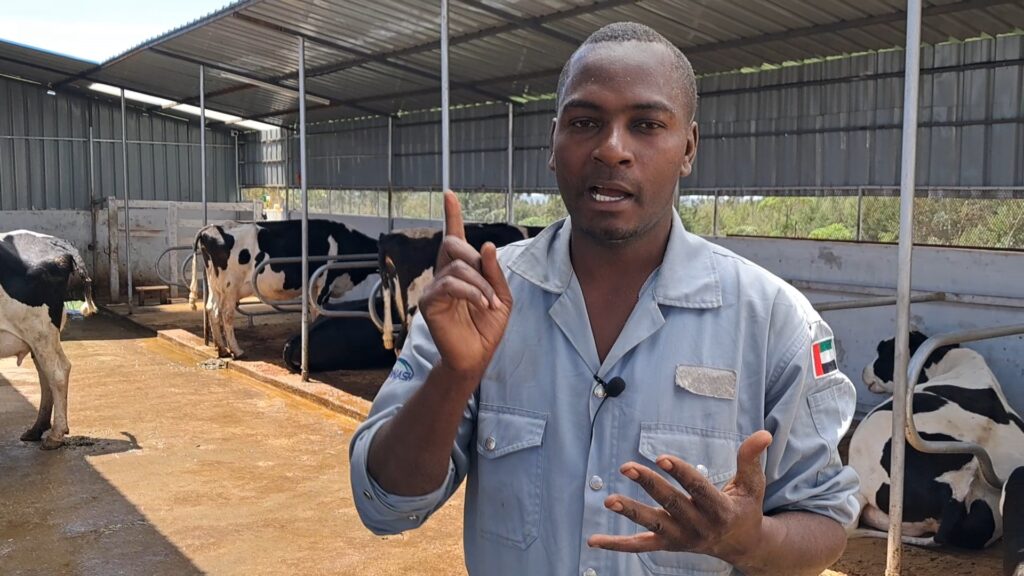
Mr. Kamau gladly welcomed us to his farm and educated us on how he goes about management of his mega dairy farm that has defied the status quo. To start with, Nyandarua County is known for the cold weather, fertile soils that cause the fields yield more Kikuyu grass all year round. This together with the low cost involved inspires dairy farmers to prefer extensive dairy production system that is characterized by paddocking, rotational grazing and tethering over zero grazing. Extensive dairy production system limits profitability since the yields tend to be lower as a result of unbalanced rations and skewed supplementation. On the other hand, zero grazing serves to help dairy investors get maximum benefits from their farm investments through increased milk yield and fosters animal welfare.

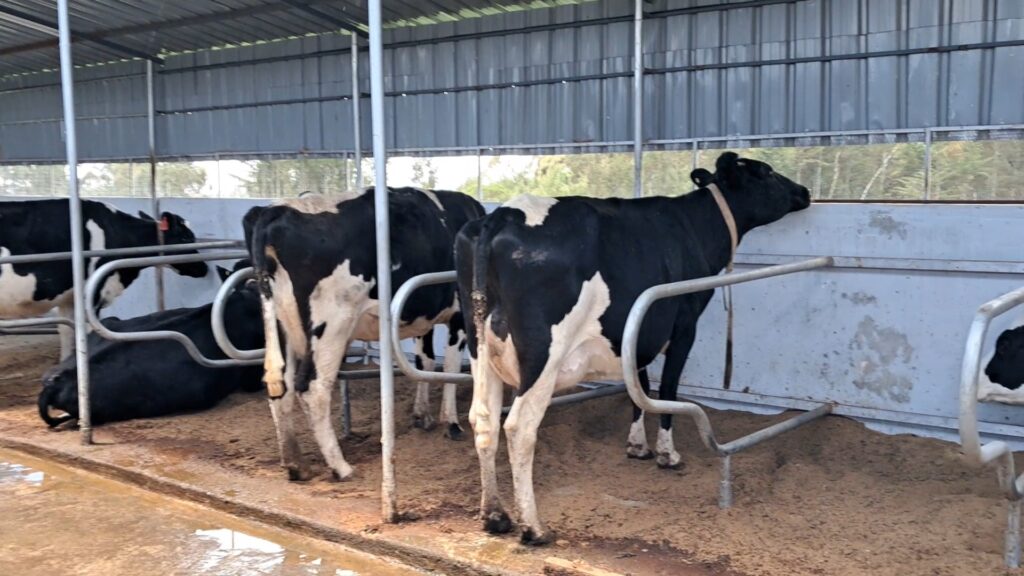
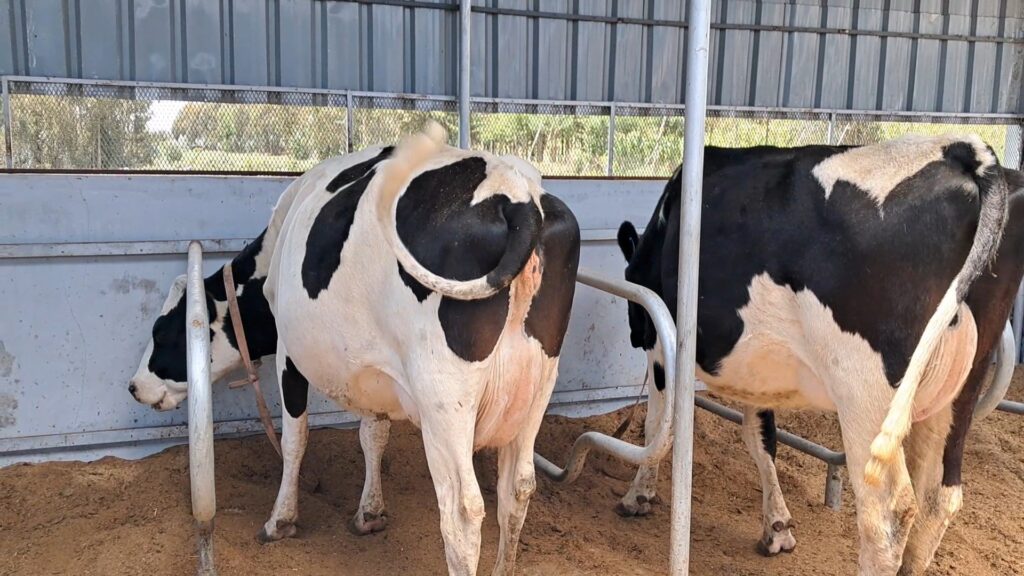
The first step that Mr. Kamau took was to establish fodder. This has helped him escape the loop that forces many prefer letting their animals graze around the fields. The next step was construction of state-of-the-art mega dairy barn, not the usual small-scale cowsheds. He has put together a double sided comprehensive dairy barn that has a capacity of holding 30 dairy cows made of metal and properly concreted floors. The barn offers enough space for dry feeds (hay and staw), concentrates store, silage bunkers, fodder processing space, security control room, well kept cubicles partitioned with metal bars, clean troughs for fodder and water, open resting and socialization area allowing the cows get sunlight, properly ventilated structure ensures constant flow of air and buffers them against cold at night. Additionally, the milking parlor is well constructed allowing for a workspace during milking and easier handling of animals during routine management practices and treatment. Not forgetting that the whole structure is well fitted with CCTV cameras allowing the owner to access the proceeding of the farm remotely in realtime and the calfpen constructed in the right way, raised above the ground leval and properly slated to ensure that the calves are shielded from cold and other vices that occur as a result of cold weather and moisture.

Mr. Kamau has also chosen good breeds of dairy cows with the right dairy characters. All the cows we saw had superb dairy characters. His cows are producing between 25 and 38 litres of milk each. This potential has been realized through hardwork and consistency. All the cows are in good body condition signaling good health which is a prerequisite in realization of success in any dairy farming venture. The calves are growing fast, thanks to the elaborate feeding model adopted.

This story is not only an inspiration to us but also any other dairy investor already practicing dairy farming or planning to kick of this journey as Mr. Kamau says,”Do not fear anything, just start…dairy farming is extremely profitable…”

Take the next step today!

To reach out to Mr. Kamau, call our team via 0719818800 | 0734725728 | 0707198516

or

WhatsApp:- https://wa.me/254743699774

Useful Links:

Get our milk record card template here:– https://dairyversekenya.com/product/milk-record-card/

Calf Rearing Guide:- https://dairyversekenya.com/product/calf-rearing-guide/

High-yield Dairymeal Formula:- https://dairyversekenya.com/product/highyield-dairymeal/

Watch Full Video:

Mr. Kamau’s dairy success

To get our supplements, visit our office located in Nairobi CBD at RNG Plaza 5th Floor Suite OF9 along Ronald Ngala Street.

You can also buy online on; https://www.dairyversekenya.com/shop

Find us on social media;

Facebook:- https://facebook.com/dairyverse

Instagram:- https://Instagram.com/dairyverseke

Tiktok:- https://www.tiktok.com/@dairyverse?_t…

X:- https://x.com/dairyverse_ke?s=09