When it comes to beef production, every farmer knows that not all carcasses are the same. Take a look at two common scenarios:
One carcass is heavily covered in yellow fat. While fat can protect meat during aging, too much reduces yield and lowers the appeal for buyers who prefer lean, tender beef.
The other carcass is much leaner with whiter fat, showing a younger, faster-growing animal. While attractive to butchers and restaurants, without the right nutrition the meat can lack flavor, marbling, and finishing quality.
So, which is the best? 👉 The truth is, the best beef strikes a balance: tender, well-finished, healthy meat with the right fat cover and muscle structure. And this is exactly where NyamaPlus® makes the difference.
Why NyamaPlus® is the Game-Changer for Beef Farmers
✅ Boosts Growth and Weight Gain NyamaPlus® maximizes weight gain, giving you bigger bulls and higher profits at market.
✅ Improves Meat Quality By enhancing muscle development and preventing conditions like white muscle disease, NyamaPlus® ensures your beef stands out in tenderness and flavor.
✅ Supports Animal Health From speeding recovery in previously ill bulls to strengthening hooves and reducing lameness, NyamaPlus® keeps your herd in top condition.
✅ Better Finish, Higher Profits A well-finished bull with the right fat cover sells faster and at better prices, NyamaPlus® guarantees this balance.
CONLUSION
Farmers who depend only on feed and pasture often end up with extremes, either too much fat or too lean animals. With NyamaPlus®, you don’t have to choose. You get balanced, premium beef that satisfies buyers, boosts your reputation, and increases your profits.
Ketosis in Dairy Cows: Causes, Symptoms, and Prevention
Ketosis is one of the most common metabolic diseases in dairy farming, especially during the first few weeks after calving. It occurs when a cow’s energy demands for milk production are greater than the energy she takes in from feed. To bridge the gap, the cow mobilizes body fat, which leads to the production of ketones in the blood, urine, and milk. If not controlled, ketosis causes huge losses in milk production, fertility, and overall cow health.
Causes of Ketosis
Negative Energy Balance (NEB):
After calving, milk production rises sharply, but feed intake lags behind. This imbalance forces the cow to burn body fat for energy, producing ketones.
Over-Conditioned Cows at Calving (Fat Cows):
Cows that are too fat at calving eat less, leading to an even bigger energy gap.
Poor Feeding Practices:
Low-energy rations, poor-quality forages, or sudden feed changes.
Insufficient carbohydrates, which are needed to properly utilize body fat.
Other Stress Factors:
Difficult calving, retained placenta, mastitis, or metritis often trigger ketosis.
Signs and Symptoms of Ketosis
Rapid weight loss and poor body condition (thin, bony appearance).
Reduced appetite, especially refusal to eat concentrates.
Drop in milk production.
Dullness, weakness, or staggering (in severe cases, nervous ketosis).
A sweet, fruity odor (like nail polish remover) in breath, urine, or milk.
Prevention of Ketosis
Proper Transition Cow Management:
Avoid over-conditioning during the dry period. Cows should calve at a Body Condition Score (BCS) of 3.0–3.5 (not too fat, not too thin).
Balanced Rations:
Provide high-quality forage and sufficient concentrates in early lactation.
Include adequate fiber to maintain healthy rumen function.
Feed Additives:
Niacin, rumen-protected choline, and monensin can help lower the risk of ketosis.
Booster+® for Energy Support:
Since ketosis is one of the most common metabolic diseases in dairy farming, supplementing cows with Booster+® can play a vital role in prevention. ✅ Booster+® is given for 18 days and helps improve the cow’s metabolism (how the body uses food and energy). It also adds more protein and energy to the cow’s diet, reducing the risk of negative energy balance that often leads to ketosis. By supporting energy needs during early lactation, Booster+® keeps cows healthier, stronger, and more productive.
Early Detection:
Regularly test cows for ketones (in blood, urine, or milk), especially high-yielders after calving.
Good Calving Management:
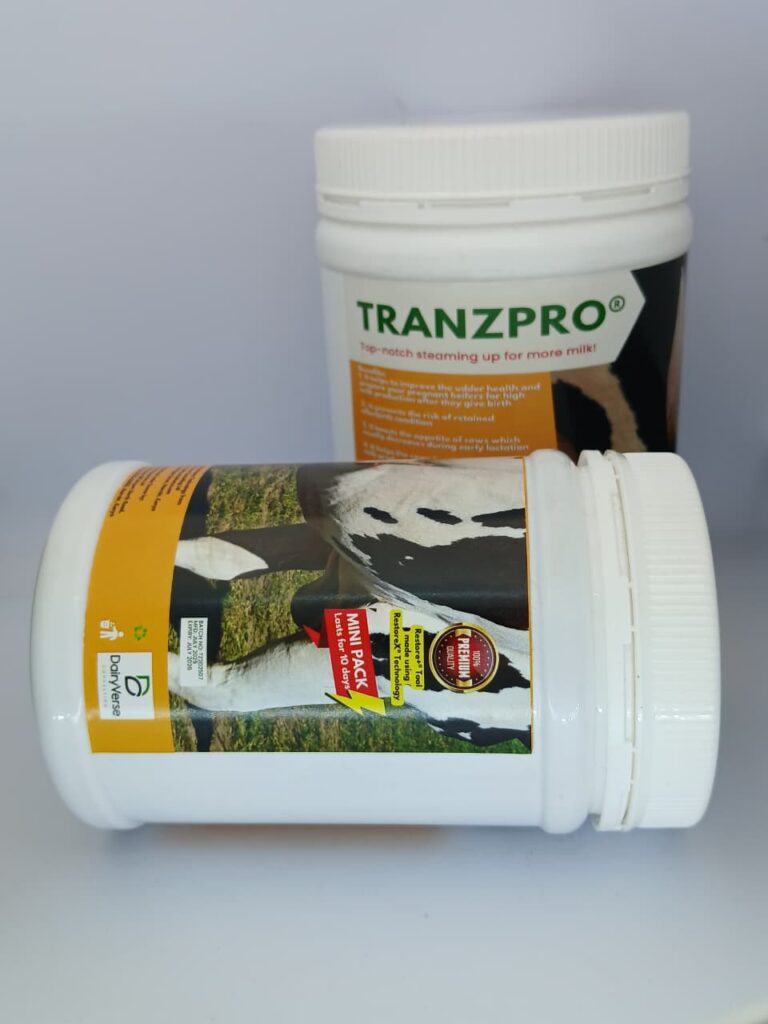
Steam up your cows 3 weeks before calving using Tranzpro®. This prepares the cow’s body, helps her calve smoothly, and ensures the placenta falls within 2 hours.
Minimize stress during calving.
Promptly address retained placenta, milk fever, or infections.
Conclusion
Ketosis is a silent thief in dairy farming, reducing milk yield, affecting fertility, and increasing vet costs. The most effective way to manage ketosis is not treatment, but prevention through proper feeding, transition management, and good calving practices. With the right support such as Booster+® and Tranzpro®, farmers can maintain strong, productive herds and avoid the heavy losses caused by ketosis.
How to Raise a Healthy, Productive Dairy Cow.
Raising a productive cow begins the moment the calf hits the ground. Follow this clean, practical path from day one to peak milk—and use the right Dairyverse support at the right time.
0–24 HOURS: COLOSTRUM = LIFE
Feed 4L within 2 hrs, another 2L by 12 hrs (adjust for breed/size).
Dip the navel, dry the calf, provide warmth and clean bedding.
Offer warm water after first feeding.
Common mistakes to avoid
Late/low‑quality colostrum
Dirty bottles/teats
Cold housing and drafts
WEEK 1–4: MILK PHASE, STRONG START
Milk or replacer at body temp (37–39°C), consistent schedule.
Calf starter + soft hay from week 1.
Clean water available all day.
Dairyverse at this stage (from 1 month): Ndamaplus® — 12.5 g/day
Promotes daily weight gain
Counters stunting
Reduces post‑weaning stress
Boosts immunity
Sets up timely heat later in life
MONTH 1–3: WEANING WITHOUT SETBACKS
Wean gradually once the calf eats enough starter (target 1–1.5 kg/day).
Keep feed fresh; avoid sudden ration changes.
Keep pens dry; control flies and coccidia.
Continue Ndamaplus® — 12.5 g/day (1–3 months) Keeps growth on track and prevents the classic post‑weaning slump.
Fertility+® — 50 g/day (900 g pack) for heifers with heat/fertility challenges
Fixes delayed & silent heat
Improves conception rates
Supports safe delivery later (helps reduce dystocia & retained afterbirth)
PREGNANCY & DRY PERIOD: BUILD A STRONG FINISH
Good comfort, clean water, low‑stress handling.
Final 60 days (“dry period”): high‑quality forage, controlled energy, minerals.
Tranzpro® — 18 days BEFORE calving + continue 36 days AFTER
Improves udder health
Prevents retained afterbirth
Boosts appetite around calving
Speeds recovery and pushes faster to peak milk
FRESH COW & EARLY LACTATION (DAY 1–60): TURN ON THE TAP
Plenty of comfy lying space, cool water, total mixed ration (TMR) or balanced feeds.
Watch for milk fever, ketosis, metritis; act early.
Stay on Tranzpro® for the first 36 days postpartum to maintain appetite, recovery, and udder health. Add Booster+® — 18‑day course (use for fresh cows that need a lift or any milking cow lagging in yield):
Enhances metabolism (high protein & energy)
Increases milk yield
Aids recovery after illness
Improves body condition
Helps counter delayed heat onset in milking cows
(You can run Booster+® during early lactation while on Tranzpro® if the cow needs both support streams; if unsure, consult your vet/nutritionist.)
THE PAYOFF
Follow this lifecycle plan and you’ll see:
Fewer calf losses & growth checks
Heifers that cycle on time and conceive earlier
Smoother calvings and quicker return to feed
Higher, more persistent milk yields
Healthy calves become champion cows. Dairyverse just makes the road smoother.
Where to get Dairyverse products
Find us at Tumaini House, 5th Floor, Moi Avenue (next to Kencom House), Nairobi. We also deliver free nationwide via your nearest bus/Sacco. DM/call with your location and contact.
Important: Always keep your vet/AI provider involved for vaccinations, disease control, and breeding timing specific to your herd.
Why Your Cow Wakes Up with Whitish Discharge in the Eyes
It’s not unusual for farmers to notice whitish or thick discharge in the eyes of their cows early in the morning. While it may look like a minor problem, it could signal underlying health issues that need attention.
Possible Causes
Eye Infections (Pinkeye / Conjunctivitis) – Caused by bacteria, viruses, or irritants like dust and flies. – Symptoms include watery or whitish discharge, redness, and sometimes cloudiness in the eye.
Irritation from Dust or Feed Particles – Chaff, napier grass particles, or dust can irritate the eye, leading to discharge.
Vitamin A Deficiency – Poor nutrition can cause weak eye health, making cows prone to discharge and infections.
Parasitic Infestation (Thelazia worms / Eye worms) – Worms transmitted by flies can lodge in the eye, causing thick discharge and discomfort.
Early Signs of Serious Disease – Some systemic infections like New Castle or Malignant Catarrhal Fever (MCF) can show eye discharge as an early sign.
What You Should Do
✅ Clean the Eyes daily with clean water or a mild saline solution. ✅ Control Flies & Dust in the cowshed to reduce irritation and infection. ✅ Check Nutrition – provide feeds rich in Vitamin A (e.g., carrots, pumpkin, green fodder). ✅ Use Eye Drops / Antibiotic Ointments if infection is suspected (consult a vet). ✅ Deworm against eye worms if necessary. ✅ Call a Vet immediately if the discharge is persistent, worsening, or the cow shows signs of blindness, fever, or loss of appetite.
The Dairyverse Solution
At Dairyverse, we emphasize that eye health = productivity. A sick cow with eye infections will feed poorly, get stressed, and reduce milk or growth performance.
👉 Timely action not only saves the eye but also improves overall herd health and farm yields.
✅ Remember: Don’t ignore eye discharge in cows. Early detection and treatment can prevent blindness and boost your farm’s productivity.
Lumpy Skin Disease in Cattle: What Farmers Need to Know
What is Lumpy Skin Disease? Lumpy Skin Disease (LSD) is a contagious viral disease affecting cattle, characterized by the appearance of firm, round skin nodules all over the body. It spreads rapidly through biting insects such as mosquitoes, flies, and ticks, and can also spread through contaminated equipment, feed, or direct contact with infected animals.
Signs to Look Out For:
Firm, raised lumps on the skin, which may cover large areas of the body.
Swelling of the limbs and under the skin.
Fever and reduced appetite.
Drop in milk production.
Watery eyes and nasal discharge.
General weakness and reluctance to move.
Why It’s a Problem: LSD affects productivity — infected cows produce less milk, lose weight, and their hides become damaged. In severe cases, it can lead to death, especially in weak or young animals.
Solutions & Control Measures:
Isolation: Immediately separate infected animals from healthy ones to prevent spread.
Veterinary Intervention:
There is no direct cure for LSD, but supportive care helps in recovery.
Your vet may recommend antibiotics to prevent secondary bacterial infections.
Anti-inflammatory drugs can reduce pain and fever.
Vaccination: The most effective way to control LSD is through timely vaccination of the herd with an approved LSD vaccine.
Vector Control:
Regular spraying with acaricides and insect repellents to control ticks, flies, and mosquitoes.
Maintain clean, dry animal housing to discourage insects.
Nutrition & Support: Provide balanced, high-quality feed and plenty of clean water to help infected cows recover faster.
Prevention Tip: Vaccinate your animals annually and maintain strict farm hygiene. Avoid bringing in animals from unknown sources without proper health checks.
3 Signs of Silent Heat in Cows, and How to Solve It.
ilent heat occurs when a cow is in heat but shows little or no obvious signs, making it difficult for farmers to detect. This can lead to missed breeding opportunities and reduced fertility rates.
Common Signs of Silent Heat:
Stands Alone – The cow isolates herself from the herd.
Restless – Increased movement, pacing, or unusual behavior.
Low Milk – A sudden drop in milk production without illness.
Why It Matters: When silent heat goes unnoticed, cows may miss their breeding window, leading to extended calving intervals and lower overall productivity on the farm.
How to Manage It:
Keep accurate breeding and heat detection records.
Observe cows during early morning and late evening when signs are more visible.
Work closely with a vet or breeding expert to identify and manage reproductive challenges.
Fertility+® – Your Solution to Silent Heat
Fertility+® is a specialized reproductive health supplement designed to enhance fertility in dairycows
Product Details:
Comes in a 900-gram pack.
Recommended daily usage rate: 50 grams.
Benefits:
Addresses reproductive challenges, including delayed and silent heat, dystocia (difficult labor), and retained afterbirth.
Guarantees improved fertility and conception rates in heifers.
Uterine Irrigation in Cows: What It Is & Why It Matters
Uterine irrigation is the process of flushing a cow’s uterus with a sterile solution to remove infections, debris, or retained fluids after calving. It’s a simple but effective practice that supports reproductive health and boosts conception chances.
✅ When is Uterine Irrigation Needed?
After retained placenta or difficult calving
In cases of metritis (uterine infection)
When there’s foul-smelling discharge
After artificial insemination failure in suspect cows
🧴 What’s Used for Irrigation?
Normal saline
Diluted antiseptic solutions (like Lugol’s iodine or mild povidone-iodine)
Herbal preparations (sometimes used under vet guidance)
🚜 Benefits of Uterine Irrigation:
Clears infection and pus from the uterus
Prepares the cow for better conception
Improves overall reproductive performance
Reduces the risk of systemic infections
⚠️ Important Notes:
Always done under veterinarian supervision
Proper hygiene is critical to avoid further contamination
Should not be done too frequently or without reason
🔟 Key Points Every Successful Dairy Farmer Must Master, by Dairyverse
Success in dairy farming doesn’t happen by luck, it’s a result of consistency, care, and smart systems. At Dairyverse, we believe in empowering farmers with the knowledge that transforms ordinary routines into profitable practices.
Here are 10 must-follow principles every dairy farmer should live by:
1. Excellent Animal Care 🐮 Your cows are the heart of your dairy farm. Prioritize their comfort, health, hygiene, and stress-free environment. A cared-for cow will reward you with good milk and long productive life.
2. Smart Feeding Practices 🌾 Feeding is more than quantity, it’s about quality and balance. Ensure the feed meets the cow’s nutritional needs at every stage. Invest in quality fodder, supplements, and minerals for high milk yields.
3. Reproductive & Health Management 🩺 Early detection of heat, timely insemination, and proper vet care are crucial. Prevent diseases before they spread, vaccinate on time, and use fertility boosters wisely.
4. Clean & Consistent Milking Routine 🥛 Milk in a clean environment and on a regular schedule. Hygiene during milking prevents mastitis and contamination, keeping milk clean and cows healthy.
5. Record Keeping & Business Focus 📋 Track every cow, every liter, and every shilling. Good records help you understand performance trends and make better decisions. Dairy is not just farming, it’s a business.
6. Quality Infrastructure 🏗️ Strong sheds, clean water troughs, proper drainage, and a well-organized layout keep cows safe and make work easier. Don’t compromise on your farm’s physical structure.
7. Daily Commitment ⏰ Success in dairy doesn’t allow for laziness. Be present, be attentive, and show up daily. The cow’s routine is your routine.
8. Market & Value Addition 💰 Think beyond selling raw milk. Yogurt, cheese, ghee, or even packaging milk attract higher profits. Know your market and innovate your offering.
9. Continuous Learning 📚 Agriculture evolves. Keep learning,through training, digital platforms like Dairyverse, fellow farmers, and extension officers. Stay updated.
10. Sustainability Matters 🌱 Reuse water, manage waste, grow your own fodder, and practice environmentally friendly farming. Long-term success depends on responsible choices today.
🟢 At Dairyverse, we say: “A farmer with knowledge is a farmer with power.” Implement these 10 principles and watch your dairy farm move from survival to success.
The Importance of Deworming Your Cattle: A Vital Routine in Dairy Farming
Deworming is often overlooked in dairy farming, yet it is a critical routine management practice that can significantly impact the health and productivity of your cattle. Parasitic infections can lead to weight loss, reduced milk yield, and overall poor performance, making regular deworming essential for maintaining a thriving herd. Here’s a comprehensive guide on when and how to deworm your cattle effectively, based on expert recommendations.
Why Deworming Matters
Internal parasites, such as worms, can cause a range of health issues in cattle, including anemia, digestive problems, and stunted growth. For dairy farmers, this translates to lower milk production and increased veterinary costs. By implementing a consistent deworming schedule, you can prevent these issues, ensuring your cattle remain healthy and productive.
Deworming Schedule by Cattle Category
The deworming frequency and method vary depending on the age and reproductive status of the cattle. Here’s a tailored approach:
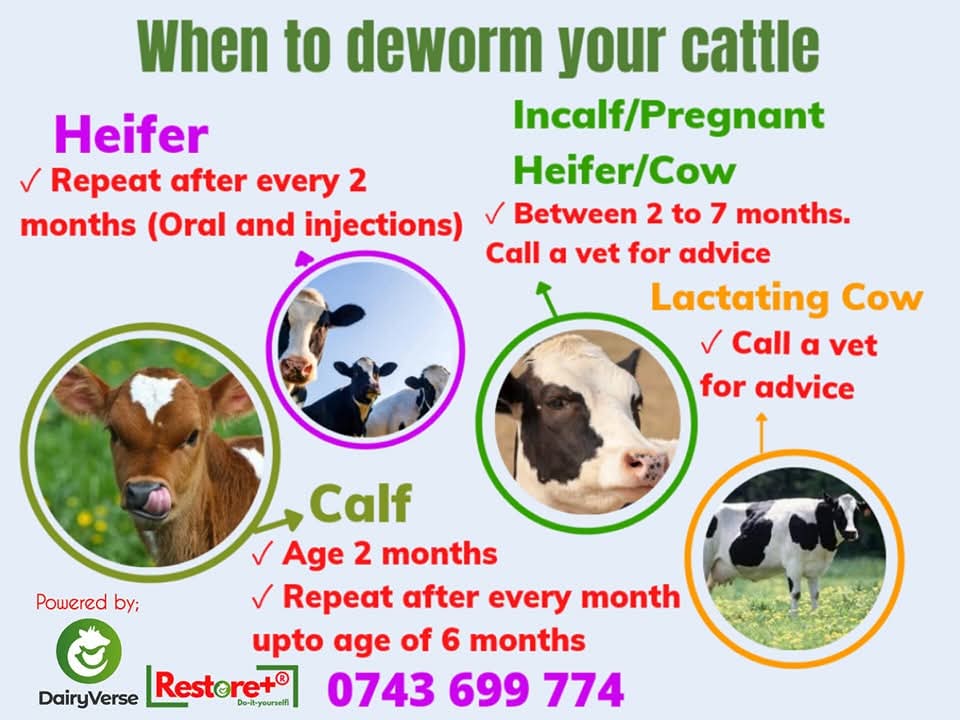
• Calves: Begin deworming at 2 months of age. Repeat every month until the calf reaches 6 months to protect their developing immune systems.
• Heifers: Deworm heifers every 2 months using a combination of oral treatments and injections to maintain optimal health as they mature.
• Incalf/Pregnant Heifers and Cows: Deworm between 2 to 7 months of pregnancy. Always consult a veterinarian for advice to ensure the safety of both the cow and the calf.
• Lactating Cows: Deworming should be guided by a veterinarian to avoid any adverse effects on milk production or quality.
Best Practices
• Veterinary Consultation: Always seek advice from a vet, especially for pregnant or lactating cows, to determine the safest and most effective deworming products and schedules.
• Regular Monitoring: Observe your cattle for signs of parasitic infection, such as weight loss or lethargy, and adjust your deworming plan as needed.
• Record Keeping: Maintain a log of deworming dates and treatments to ensure consistency and track the health of your herd.
Partnering with Experts
Powered by DairyVerse and Restore+, this guide emphasizes the importance of professional support. For personalized advice or to schedule a consultation, contact the experts at 0743 699 774.
Conclusion
Deworming is a simple yet powerful practice that can safeguard your cattle’s health and boost your dairy farm’s productivity. By following a tailored deworming schedule and consulting with veterinarians, you can ensure your herd thrives. Don’t underestimate this routine—make it a cornerstone of your dairy management strategy today!
Why Ayrshire Cattle Are a Good Choice for Nigeria’s Sahel Region
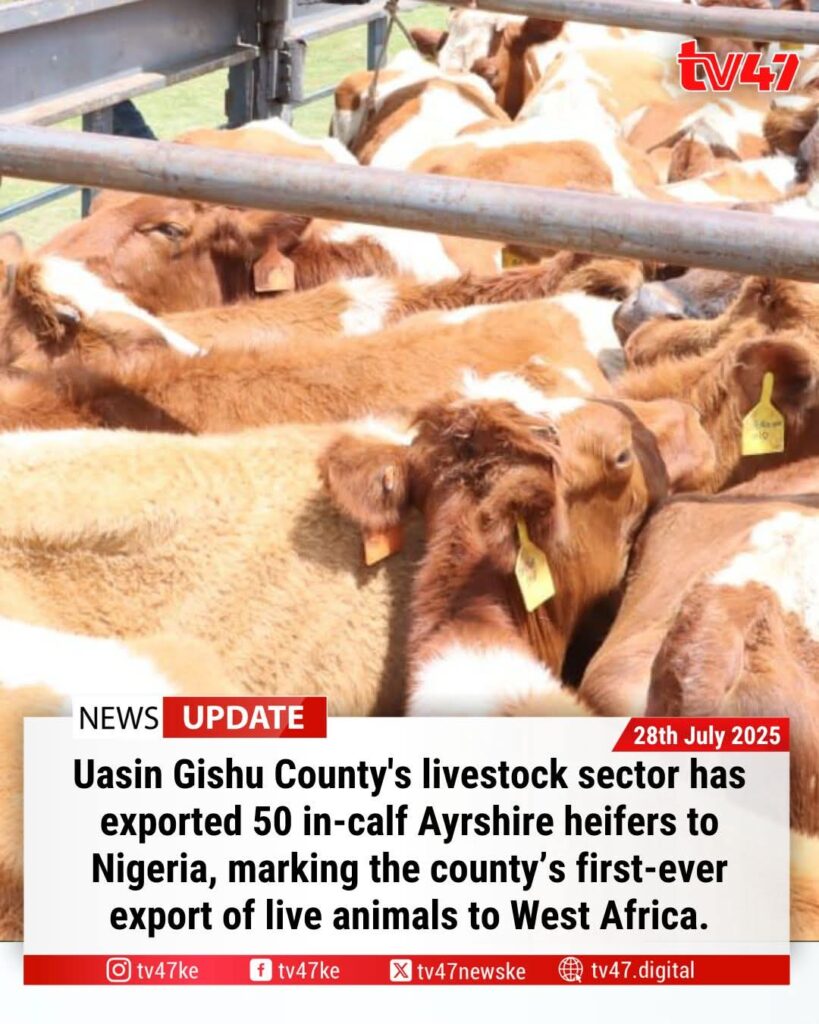
The Ayrshire breed of cattle can be a valuable addition to dairy farming in Nigeria’s Sahel region due to their productivity and adaptability under managed conditions. Below are key reasons, followed by a comparison with the White Fulani and other native Nigerian breeds to provide a comprehensive perspective. • High Milk Production: Ayrshires are known for their high-quality milk, with a fat content of around 4.7% and potential yields of up to 30 liters per day under optimal conditions (average 10 liters/day). This makes them ideal for meeting Nigeria’s growing dairy demand, especially in urban areas near the Sahel, where milk consumption is rising.
• Moderate Heat Tolerance: Although Ayrshires are Bos taurus cattle, adapted to cooler climates, their medium body size (average 450 kg) and efficient feed conversion allow them to cope better in the Sahel’s hot, dry climate compared to heavier breeds like Holsteins. With shade, water, and proper nutrition, they can thrive, as demonstrated in tropical regions like Kenya.
• Disease Resistance with Management: The Sahel region, particularly northern Nigeria, has areas cleared of tsetse flies since the 1950s (e.g., parts of Kano and Bornu States), reducing the risk of trypanosomiasis for exotic breeds like Ayrshires. While not naturally trypanotolerant, Ayrshires can be raised successfully with veterinary care and trypanocides.
• Crossbreeding Potential: Ayrshires can be crossed with indigenous breeds like White Fulani or Sokoto Gudali to combine their high milk yield with the hardiness and disease resistance of native cattle. This approach has been effective in other African countries, improving dairy productivity while maintaining adaptability to local conditions.
• Efficient Feed Utilization: Ayrshires produce high milk yields on moderate-quality forage, which is critical in the Sahel, where grazing resources are limited during the dry season (January–June). Their medium size reduces feed requirements compared to larger exotic breeds, aligning with the region’s pastoral and mixed crop-livestock systems.
• Longevity and Fertility: Ayrshires are noted for their fertility and long productive lifespans, as seen in Kenyan breeding programs. This ensures consistent reproduction and herd sustainability, with heifers typically producing milk by two years of age.
Comparison with White Fulani and Other Native Nigerian Breeds To understand the suitability of Ayrshires, it’s helpful to compare them with indigenous Nigerian breeds like the White Fulani, Sokoto Gudali, Muturu, and N’Dama, which are naturally adapted to the Sahel and other Nigerian environments. Below are key characteristics of these native breeds and how they complement or contrast with Ayrshires.
White Fulani (Bunaji): Description: A Zebu (Bos indicus) breed, the White Fulani is one of Nigeria’s most common cattle breeds, widely raised by Fulani pastoralists in the Sahel and northern regions. They have a distinctive white coat, long horns, and a hump, with an average weight of 250–350 kg for cows. – Adaptability: White Fulani are highly adapted to the Sahel’s arid climate, with excellent heat and drought tolerance. They can survive on sparse vegetation and migrate long distances during the dry season, making them ideal for nomadic pastoral systems. – Milk Production: They produce 2–5 liters of milk per day, significantly less than Ayrshires, but their milk is sufficient for traditional pastoralist needs. Their milk has a higher fat content (around 5–6%), suitable for local dairy products like butter and cheese. – Disease Resistance: While not fully trypanotolerant, White Fulani have better resistance to tropical diseases than Ayrshires, though they are still susceptible to trypanosomiasis in tsetse-infested areas.
Advantages: – Their hardiness, low maintenance costs, and ability to thrive in harsh conditions make them a staple for Sahelian farmers. They require minimal infrastructure compared to Ayrshires. – Crossbreeding Potential: Crossing White Fulani with Ayrshires can produce hybrids with improved milk yield (closer to Ayrshire levels) while retaining heat tolerance and some disease resistance, making them a practical choice for smallholder farmers aiming to balance productivity and resilience.
Sokoto Gudali: Description: Another Zebu breed, the Sokoto Gudali is larger than the White Fulani (350–450 kg for cows) and has a shorter hump and horns. It is common in northwestern Nigeria, including the Sahel region. – Adaptability: Like the White Fulani, Sokoto Gudali are well-suited to the Sahel’s dry climate and can tolerate heat and limited water availability. They are often used in mixed farming systems. – Milk and Meat Production: They produce slightly more milk than White Fulani (3–6 liters/day) and are valued for both milk and meat, with good carcass quality. However, their milk yield is still lower than Ayrshires. – Disease Resistance: They have moderate resistance to tropical diseases but are not trypanotolerant, requiring similar disease management as White Fulani in tsetse-prone areas. Advantages: – Their dual-purpose nature (milk and meat) and adaptability make them versatile for Sahelian farmers. Crossbreeding with Ayrshires could enhance milk production while maintaining some environmental resilience.
Muturu: Description: A small, trypanotolerant Bos taurus breed (150–200 kg), the Muturu is native to southern Nigeria but has been raised in northern regions with tsetse presence. – Adaptability: Muturu are less suited to the Sahel’s extreme aridity compared to Zebu breeds but excel in tsetse-infested areas due to their natural trypanotolerance, making them a low-risk option in partially cleared zones. – Production: They produce very low milk yields (1–2 liters/day) and are primarily valued for meat or cultural purposes. Their small size limits their commercial dairy potential compared to Ayrshires. Advantages: – Their disease resistance and low feed requirements make them ideal for low-input systems, but they are not a direct competitor to Ayrshires for dairy production.
N’Dama: Description: A trypanotolerant Bos taurus breed (200–300 kg), introduced to Nigeria from West Africa, the N’Dama is less common but valued in tsetse-prone areas. – Adaptability: Like Muturu, N’Dama are better suited to humid or semi-arid regions with tsetse presence rather than the dry Sahel. They have good heat tolerance but require more water than Zebu breeds. – Production: Milk yield is low (1–3 liters/day), and they are primarily used for meat. Their productivity is lower than Ayrshires for dairy purposes. Advantages: – Their trypanotolerance is a significant advantage in areas where tsetse control is incomplete, but their limited milk output makes them less competitive for dairy-focused systems.
Complementary Strategies • Crossbreeding: Ayrshires can be crossed with White Fulani or Sokoto Gudali to create hybrids that combine Ayrshire milk production with the heat tolerance and disease resistance of native breeds. For example, in Kenya, Ayrshire crosses with Zebu breeds have improved dairy output while maintaining adaptability, a model that could work in Nigeria’s Sahel. • Management Systems: White Fulani and Sokoto Gudali thrive in extensive pastoral systems, while Ayrshires require semi-intensive or intensive systems with better infrastructure (e.g., shade, water, and veterinary care). Farmers could maintain native breeds for resilience and Ayrshires or their crosses for commercial dairy production. • Disease Control: In tsetse-free zones, Ayrshires are viable, but in areas with residual tsetse presence, Muturu or N’Dama may be better for low-input systems, or White Fulani crosses with Ayrshires could balance productivity and disease resistance.
Challenges and Considerations • Climate: The Sahel’s extreme heat and dry season (January–June) favor White Fulani and Sokoto Gudali over Ayrshires, which need shade and water to avoid heat stress. Native breeds require less intervention to survive harsh conditions. • Cost and Infrastructure: Ayrshires are more expensive to acquire and maintain, requiring housing, supplemental feed, and veterinary care. White Fulani and Sokoto Gudali are cheaper and better suited to low-input systems, while Muturu and N’Dama require minimal resources but offer lower productivity. • Market Access: Ayrshires’ high milk yield is advantageous if farmers have access to dairy markets in urban centers like Kano. Native breeds, with lower yields, are better for subsistence or local markets with limited infrastructure.
Conclusion Ayrshire cattle are a strong choice for dairy production in Nigeria’s Sahel region, particularly in tsetse-free zones with adequate management, due to their high milk yield, efficient feed use, and crossbreeding potential. However, native breeds like White Fulani and Sokoto Gudali offer superior heat and drought tolerance, making them ideal for extensive pastoral systems. Muturu and N’Dama, while trypanotolerant, are less suited for dairy due to low yields but excel in disease-prone areas. A mixed strategy—using Ayrshires for commercial dairy and crossing them with White Fulani or Sokoto Gudali for resilience—could optimize productivity in the Sahel. #dairyfarmingnigeria #dairyfarming #ayrshire #dairyverse #dairyversemarketplace