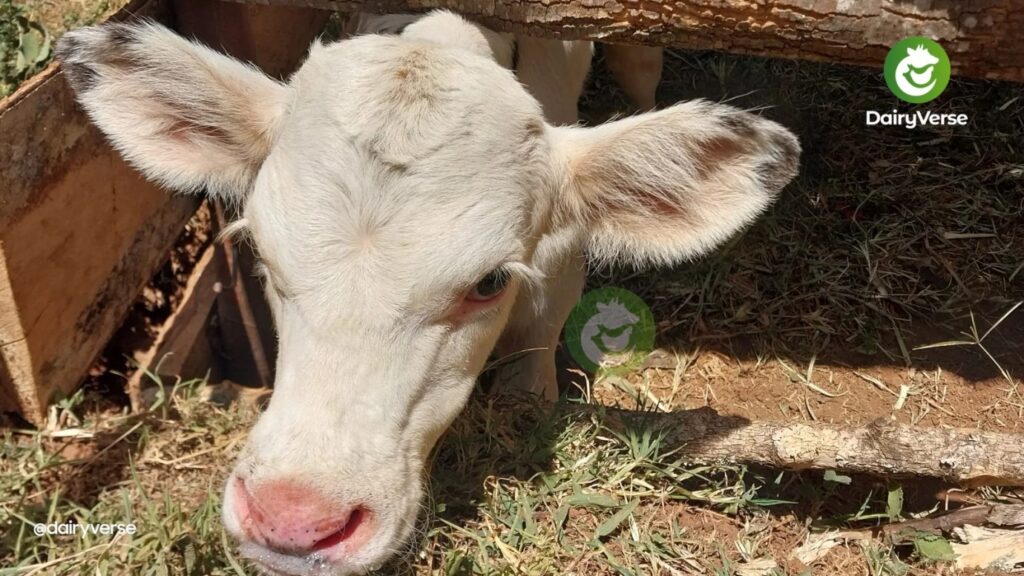
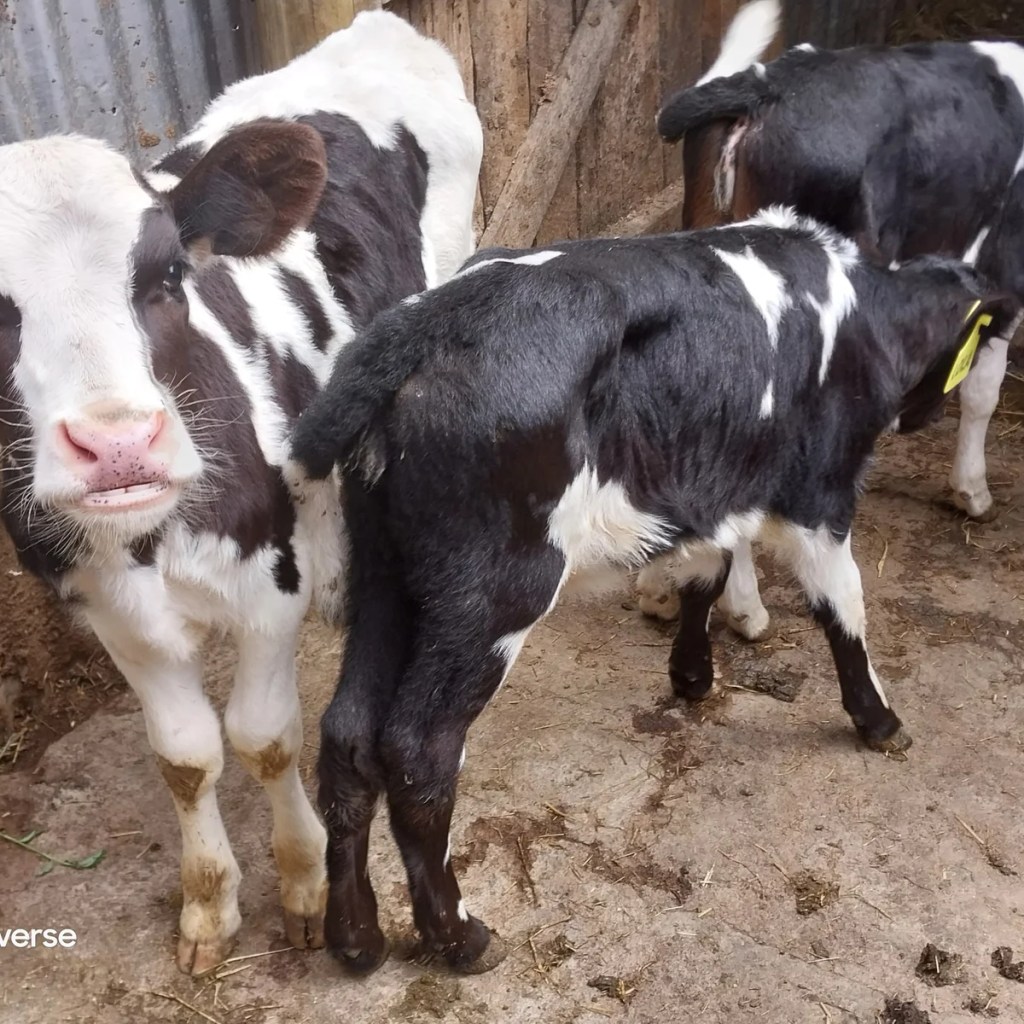
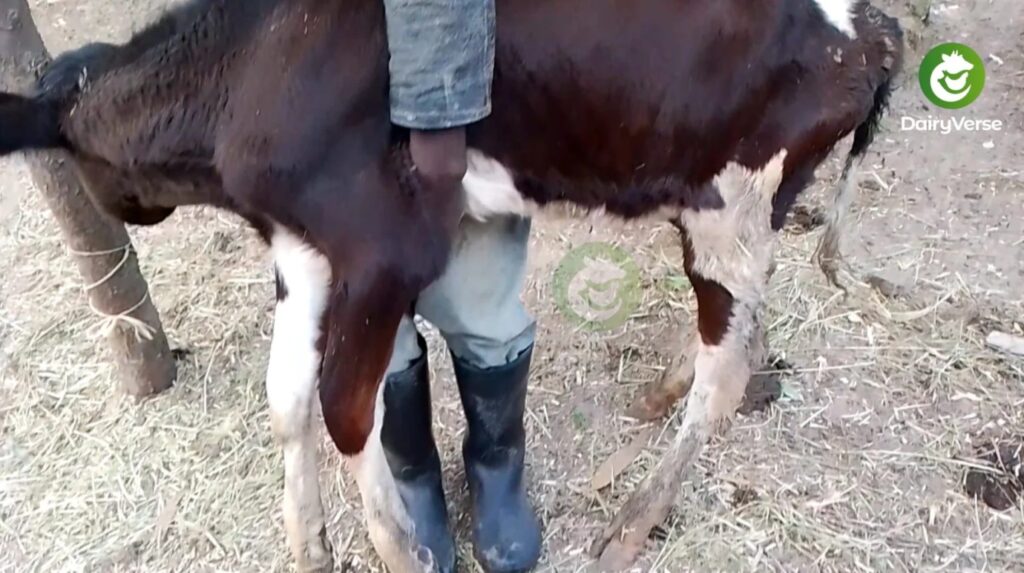
A thriving dairy herd is founded on a strong foundation. This involves proper rearing of dairy calves. Apart from proper nutrition (colostrum, milk, water, starter feeds & concentrates), GOOD HOUSING is a critical area in calf rearing. You need to invest in proper calf pen;- Positioned along the direction of wind, well ventilated, well slated floor, a trough and watering point.
Please note;~ Poorly ventilated house will expose your calf to heat stress and diseases like pneumonia. The house should always be clean and all equipments therein hygienic. This will help you avoid losses through diseases like calf scours(diarrhoea).
How does a proper calf pen look like?
Raised atleast 2 feet above the ground
The floor has spaces wide enough to allow droppings to pass through but no injuries to the calf
It shouldn’t be slippery at all
Has a properly constructed trough
Has a provisional for watering and placing buckets used to feed them on milk
Has a provision for mineral block that is accessible to the calf ad libitum (on free choice)
Properly roofed to shield the youngling from harsh environmental conditions
Well positioned to prevent excessive flow of air that can cause draughts
You can use locally available materials to build an economical calf pen that is of high quality. Comfort fosters animal welfare and proper growth.
How To Get More Milk From A Transition Cow
What is a transition cow?
A transition cow is that cow that just calved down. She moves from the incalf state to being milked. There are many changes that are associated with the transition. Among the changes being how they utilise mineral for example during the incalf period/dry period she did not require a lot of calcium but she now needs more.The cow also develops low appetite. She will be unwilling to consume more feeds. This is normal or physiological but it doesn’t auger well will milk production because milk production is an energy intensive process. You there need to support her so that they can eat more feeds and maintain high yields.
She should be provided with Tranzpro 18 days before calving and 36 days after calving. This provides her with the most needed protein, energy and elements that facilitate utilisation of the energy (metabolism) during this critical phase.Her ration should be well balanced. This helps her increase milk yield and attain peak production faster.You shouldn’t lose track of her heat cycles and she should come on heat 45 to 90 days after calving.
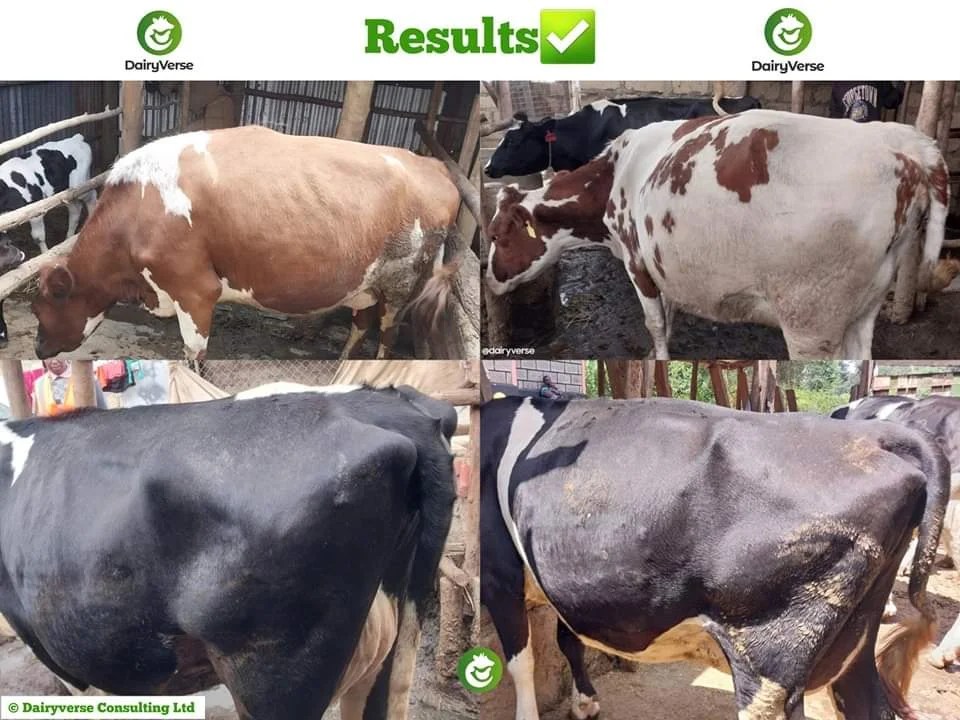
This will guarantee you of a calf every year. Use of Tranzpro will help sustain a high production contributing to profitability of your dairy investments. Read a story of Githunguri who increased her yields from 2 litres to a peak of 38 litres following a successful Restore program.
Key factors to consider in young heifer management
Ensure that your calves get enough colostrum and milk at their early stages (1 – 3 months of age).
– Introduce concentrates as early as from 2 weeks of age (Starter pellets).
– Introduce mineral licks early enough
– Feed her Right;- Enough and properly cured fodder that is rich in major nutrients.
– Manage post weaning stress effectively.
Provide high quality supplements that mimic and have same quality as milk in order to enhance her growth;
Ndamaplus®️ is your perfect companion in this endeavour!
Get more insights on our website. Call/WhatsApp:- 0743 699 774/0707 198 516 #tele_farmers #mkulimawatao #ask_dairyverse_experts #highmilkyieldseries #restoredairycow #colourfulandcenty #dairyinvestors #dairyverse
A guide To Calf Management
Ensuring the health and growth of young calves is crucial for dairy farmers. Healthy calves not only grow into strong cows but also contribute to the overall productivity of the farm.
Colostrum Feeding: A Strong Start The first 24 hours of a calf’s life are critical, and the most important meal they will ever have is colostrum. Colostrum is rich in antibodies, helping the calf to build a strong immune system. Farmers should ensure that calves receive adequate colostrum (at least 10% of their body weight) within the first 6 hours of birth. This not only improves survival rates but also sets the foundation for long-term health.
2. Clean, Comfortable Housing Proper housing plays a big role in keeping calves healthy. Clean, dry, and well-ventilated spaces reduce the risk of disease. Avoid overcrowding and provide individual pens or hutches with enough bedding to keep the calves warm. The stress-free environment minimizes health complications like respiratory infections.
3. Consistent Feeding: Milk, Water, and Beyond Maintaining a consistent feeding schedule is crucial. For the first few months, calves should receive milk or milk replacers two to three times a day. Alongside this, provide fresh water at all times to keep them hydrated and promote digestion. Remember, dehydration can quickly become dangerous for calves, especially during warmer weather.
4. Introducing Solid Feed Early Introducing solid feed, such as a calf starter, at around 1 to 2 weeks of age helps stimulate rumen development. This early transition is key to preparing the calves for weaning, setting them up for a healthy digestive system in the future.
5. Disease Prevention: Vaccinations and Hygiene Calves are vulnerable to diseases like scours and respiratory infections. Ensure that your calves are vaccinated as per the vet’s recommendation, and maintain strict hygiene standards in their living quarters. Clean feeding equipment regularly, and disinfect the pens to minimize disease spread.
6. Weaning: Making the Transition Easier Weaning can be stressful for calves. Gradually reduce milk feedings while increasing access to solid feed. Monitor the calves closely during this period to ensure they are adjusting well.
How Ndamaplus® Boosts Calf Growth and Development
While good management practices are essential, the right nutritional supplement can make all the difference. Ndamaplus® is a high-quality product designed specifically to enhance dairy calf growth and development. Here’s how it works:
Promotes Weight Gain: Ndamaplus® supports average daily weight gain, ensuring calves grow at a healthy rate.
Prevents Stunted Growth: By providing essential nutrients, it helps prevent stunted growth, a common issue in young calves, especially those under stress or lacking proper nutrition.
Minimizes Post-Weaning Stress: The weaning period can be tough for calves, but Ndamaplus® minimizes the stress associated with this transition, ensuring their growth remains steady.
Boosts Immunity: With Ndamaplus®, calves get a significant boost to their immune system, making them less susceptible to diseases and infections.
Facilitates Timely Heat Onset: As your heifers grow, timely heat cycles are essential. Ndamaplus® plays a key role in ensuring calves mature properly, leading to a smooth transition into adulthood.
How to Use Ndamaplus® for Optimal Results
For calves aged 1 to 3 months, simply mix 12.5 grams (1 teaspoon) of Ndamaplus® into their daily feed. For calves aged 3 to 15 months, increase the dosage to 25 grams (1 tablespoon) daily. With regular use, you’ll notice significant improvements in their growth and overall health.
Healthy calf management requires a mix of good practices and the right nutritional support. By focusing on early feeding, proper housing, and disease prevention, you’re giving your calves the best chance at thriving. Adding Ndamaplus® to their diet is a simple yet effective way to enhance their growth, improve immunity, and ensure a smooth transition to adulthood.
Invest in your calves’ future today with Ndamaplus®!
Maximizing Profits in Dairy Cattle Production: Expert Strategies for Success
Understanding Heat Signs for Optimal Breeding
Recognizing heat signs in dairy cattle is a crucial aspect of optimizing breeding efficiency. The identification of these signs directly impacts the reproductive success of a herd, leading to increased milk production and enhanced profitability. A dairy cow typically exhibits various behavioral changes during her estrous cycle, which lasts approximately 21 days. It is essential for producers to understand and monitor these signs to capitalize on breeding opportunities.
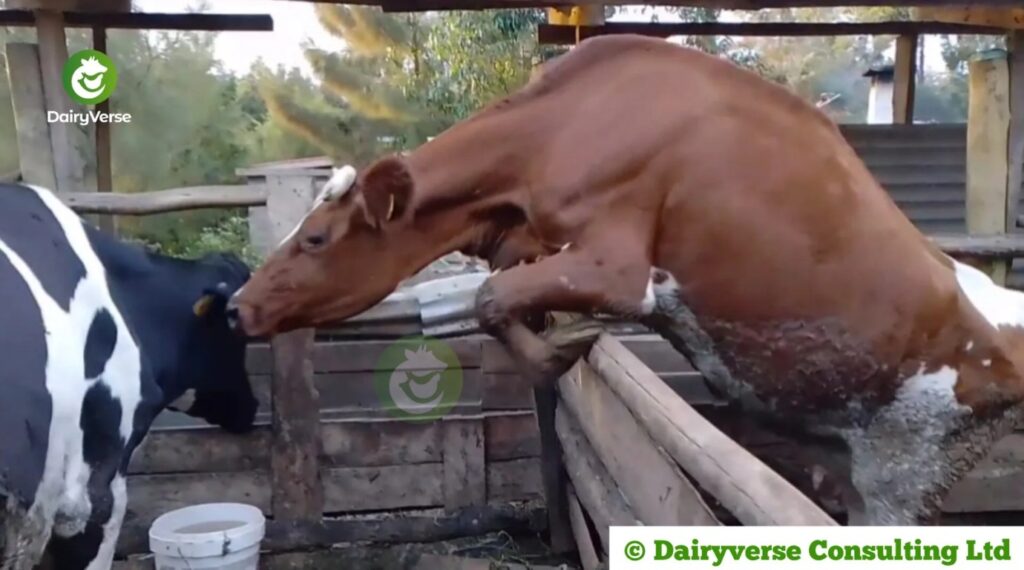
Key indicators of heat include heightened activity levels, restlessness, and increased vocalization. Cows in heat often exhibit a desire to mount other cows, along with a visible discharge of clear mucus from the vulva. Additionally, a drop in milk production can signal the onset of estrus. Tracking these behaviors allows producers to determine the most opportune time for artificial insemination or natural breeding.
Physical symptoms can also provide insight into a cow’s reproductive status. For instance, swelling and reddening of the vulva are prominent signs of heat. Furthermore, observing changes in body posture, such as standing still when mounted, aids in recognizing when a cow is in estrus. To enhance breeding frequencies, expert recommendations suggest implementing systematic monitoring techniques, such as the use of estrus detection software or wearable devices that track activity levels.
Timely breeding is vital for maximizing productivity within dairy operations. By scheduling artificial insemination strategically during peak fertility periods, farmers can improve not only their yield but also the genetic quality of the herd. Selecting traits that enhance milk production or disease resistance can lead to more robust animals in subsequent generations. In this context, effective management of breeding schedules not only optimizes output but also contributes to overall sustainability and profitability in dairy cattle production.
Enhancing Calf Growth Rates and Maintaining Good Body Condition
In the realm of dairy cattle production, enhancing the growth rates of calves while ensuring the optimal body condition of milking cows is crucial for maximizing profitability. A tailored nutrition plan stands at the forefront of promoting healthy growth in calves. These plans should focus on providing balanced rations rich in essential nutrients such as proteins, vitamins, and minerals. The early stages of a calf’s life are particularly sensitive; thus, special attention must be paid to colostrum management. High-quality colostrum intake within the first few hours post-birth significantly boosts immunity and sets the stage for robust growth.
Weaning practices also play an essential role in calf development. A gradual weaning process, rather than abrupt removal from milk, can minimize stress and ensure calves are properly transitioned to solid feed. It is advisable to introduce high-quality starter feed around two weeks of age, encouraging early rumen development and promoting a smooth weaning experience. Monitoring growth rates through regular weighing can help detect issues early, prompting interventions if calves fail to meet growth benchmarks.
Turning to the milking cows, maintaining proper body condition scores (BCS) is fundamental. A BCS of 2.75 to 3.5 is typically ideal for maximizing milk production without compromising health. Regular evaluation of cow body condition allows producers to adjust feeding strategies proactively, ensuring cows do not become overly thin or excessively fat. Energy-dense diets during the dry period can help maintain body condition while stimulating colostrum production in the early lactation phase.
Common challenges in calf rearing and body conditioning include infectious diseases, nutritional imbalances, and environmental stressors. To combat these, implementing effective herd health management practices, providing clean and stress-free environments, as well as regular veterinary check-ups are essential preventive measures. Optimizing both calf growth rates and cow body condition not only enhances the health of the herd but also contributes significantly to the overall profitability of dairy operations.
Feeding your dairy calves during the first 3 days of life
In order to enhance reproduction, a heifer needs minerals in sufficient quantities. Calcium is important for physical growth as well as proper muscle functioning. The first 3 days of life are a critical period to achieving these objectives. Once a calf is born, she can only feed on liquid feed. This is naturally provided by the dam in form of colostrum. True colostrum is produced during the first two and a half days. Failure to provide the calf with colostrum will make her susceptible to diseases. Colostrum is secreted by the udder of the dam shortly before and after calving. Studies indicate that it contains twice as much dry matter and total solids compared to normal milk. It also contains various hormones and growth factors that are necessary for growth and development of the digestive system.
Calves are born with weak immune systems and are therefore vulnerable to diseases. Since colostrum consists of antibodies that transmits immunity to the body of the young calf, it is a source of the much needed passive form of immunity. A calf’s digestive system is able to absorb the antibodies optimally during the first 6 hours of life. We advise you to provide your calf with the first colostrum within 6 hours after birth. The calf should consume as much colostrum as possible. Majority take upto 2 litres per interval. Over the next two days she should be able to take upto 6 litres per day. This will serve to strengthen the immunity of your calf minimizing cases of diseases such as diarrhoea or scours among others. Timely feeding of your dairy calf with adequate amounts of clean and high quality colostrum will result in strong immunity. It will ultimately reduce cases of disease and enhance her growth rate.
Avoid delayed onset of heat by proper rearing of your heifer
Proper management of heifers from a young age is key in achieving mature body weight for heat and high milk yield. Our approach at Dairyverse is objective. We advise dairy investors to be focused on achieving the following; 1. The heifer to gain two thirds of mature body weight. 2. Be served at 15 months of age. 3. Get the her first calf at 24 Months of age.
Attainment of 2/3 of mature bodyweight at the appropriate age guarantees you of of timely onset of heat and high milk yield after calving. Also it sets a firm foundation for subsequent calvings at 1 calf per year. This means you’ll reap big through milk sales! Proper feeding and minimizing energy losses helps greatly to achieve the set objectives. We need to get feeds that are of high quality and offer optimal quantities to our heifers. These feeds include high quality corn silage (preferably full-corn silage), bhoma rhodes, Super napier grass (cheaper and has high protein and energy content) and well grown pastures. It is important to note that a heifer has high demand for energy, protein and minerals at this stage since her body is growing rapidly towards achieving maturity. Do not make a mistake of limiting her feed intake lest you risk delayed onset of heat and exposure to high production cost. Allow them to limit themselves.
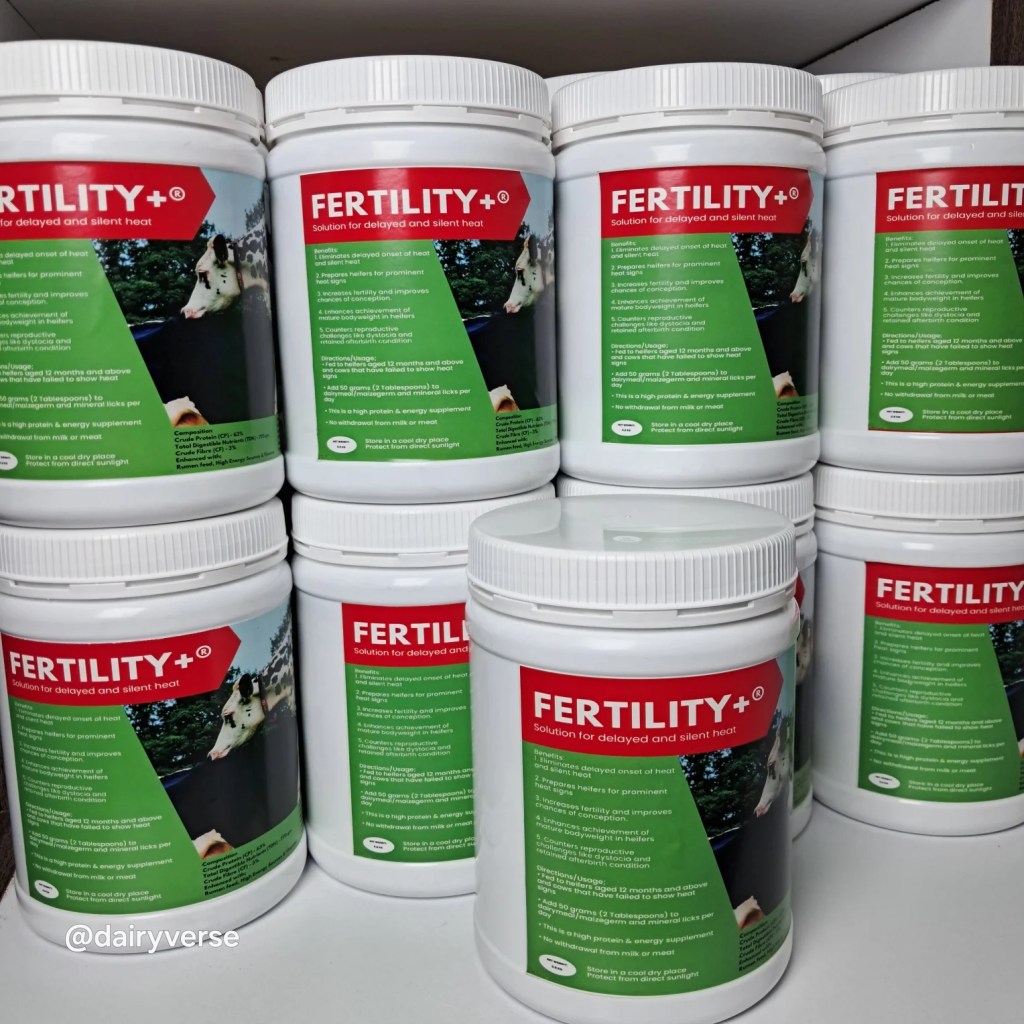
In order to enhance reproduction, a heifer needs minerals in sufficient quantities. Calcium is important for physical growth as well as proper muscle functioning. Other trace elements including Selenium, Manganese and Cobalt are important in maturity proper functioning of the reproductive system. You should ensure that you use a well formulated mineral lick for heifers. A good mineral lick for heifers should be introduced to the heifer from the age of 12 Months regularly till she is 7 months incalf. At 14 months and 1 week of age, you should introduce Fertility+®️ to your heifer for 36 days. This will help her sow clear heat signs at exactly 15 months of age and also improve conception rate. It contains protein, energy and trace elements that are important in reproductive health.
Proper feeding that is, provision of high energy and protein feeds, sufficient minerals and low stress to your heifer will work along way towards achieving your goal of building a profitable dairy empire.
It isn’t Calcium deficiency that is killing your calves!
During the first 90 days of your calf’s life growth takes place very rapidly. Your calf needs to triple her birthweight in the first 3 months. This means that mineral demands are also high yet the amount of minerals she receives from her mother’s milk is limited. Mineral and vitamin deficiencies predisposes your calf to health issues such as unthriftness and general weakness often confused with Calcium deficiency. Major deficiencies in calves include; Copper. Zinc, Selenium, Manganese, Cobalt, Vitamin A and Vitamin E deficiencies. These give way to diarrhoea, reduced feed and water intake, stunted growth and weak immune systems exposing your calf to diseases like pneumonia among others.
Which is the way out?
The dam is our saviour in this context! During the last trimester of pregnancy (Dry phase), the calf’s mother has the ability to transfer the mentioned minerals to the neonate (unborn calf). This builds mineral reserves in the calf’s body. When properly built, these reserves are able to last your newborn calf for 3 months and this will bridge your calf through the most critical phase and set a firm foundation for a longer and productive life.
How exactly will we build these mineral reserves?
Do proper dry cow management and steaming up to your cow.
What should I do to prevent my calf from being affected and help those that are already challenged?
Introduce Ndamaplus® to your calf from day 30 of life and continue using it she’s 5 months of age. This should be done alongside proper feeding as outline in our feeding article. Click here to learn more.
The Future of Dairy Farming in Kenya: Sustainable Practices and Profitable Opportunities
Dairy farming in Kenya has always been a vital part of the country’s agricultural sector, and with sustainable practices and profitable opportunities on the horizon, its future is even brighter. As the demand for dairy products continues to rise, the industry is adapting to new approaches that prioritize both economic success and environmental preservation.
In recent years, sustainable farming practices such as integrated crop-livestock systems, precision feeding, and efficient manure management have gained traction in the dairy sector. These practices not only boost productivity and profitability but also minimize the industry’s ecological footprint. From utilizing renewable energy sources to reducing water usage, Kenyan farmers are committed to mitigating environmental impact and ensuring long-term sustainability.
Moreover, the growing consumer interest in organic and ethically produced dairy products presents profitable opportunities for dairy farmers. By adopting organic practices and implementing animal welfare standards, farmers can tap into a niche market that commands higher prices and fosters customer loyalty.
In this article, we will explore the future of dairy farming in Kenya, examining the sustainable practices and profitable opportunities that can lead to success in the ever-evolving industry. Join us as we delve into the innovative strategies and forward-thinking initiatives shaping the future of Kenyan dairy farming.
Challenges faced by traditional dairy farming methods
Traditional dairy farming methods in Kenya have long been plagued by a range of challenges that have hindered the industry’s growth and sustainability. One of the primary issues is the reliance on outdated practices that fail to address the evolving needs of the sector. Many Kenyan dairy farmers still rely on manual labor-intensive techniques, such as hand-milking and rudimentary feeding methods, which limit their ability to scale up production and improve efficiency.
Another significant challenge is the lack of access to modern technologies and infrastructure. Inadequate storage facilities, poor transportation networks, and limited access to veterinary services have all contributed to the industry’s struggles. This has resulted in high rates of post-harvest losses, increased animal health issues, and reduced overall productivity.
Furthermore, the impact of climate change has exacerbated the challenges faced by traditional dairy farming methods. Erratic weather patterns, prolonged droughts, and unpredictable rainfall have made it increasingly difficult for farmers to maintain consistent feed and water supplies for their livestock. This, in turn, has led to reduced milk yields, increased animal mortality, and heightened financial instability for dairy farmers.
The need for sustainable practices in dairy farming
As the demand for dairy products continues to rise in Kenya, it has become increasingly clear that the traditional dairy farming methods are no longer sufficient to meet the growing needs of the market. Sustainable practices that prioritize long-term viability and environmental stewardship have emerged as a critical solution to the challenges faced by the industry.
Sustainable dairy farming practices not only address the immediate concerns of productivity and profitability but also ensure the long-term resilience of the sector. By adopting integrated crop-livestock systems, precision feeding techniques, and efficient manure management strategies, dairy farmers can enhance their operations’ economic and ecological sustainability.
Moreover, the growing consumer demand for organic and ethically produced dairy products presents a lucrative opportunity for Kenyan dairy farmers to differentiate their offerings and tap into a niche market. By transitioning to organic farming methods and implementing robust animal welfare standards, farmers can command higher prices and foster customer loyalty, ultimately leading to increased profitability and a more secure future for the industry.
Sustainable practices in dairy farming – organic feed, pasture management, and waste management
One of the key pillars of sustainable dairy farming in Kenya is the adoption of better feed practices. By transitioning away from synthetic fertilizers and pesticides, dairy farmers can reduce their environmental impact and produce high-quality, nutrient-rich feed for their livestock. This not only enhances the nutritional value of the milk but also contributes to the overall health and well-being of the animals.
Pasture management is another critical component of sustainable dairy farming. By implementing rotational grazing systems and carefully managing the land, farmers can optimize forage production, improve soil health, and reduce the reliance on imported feed. This approach not only reduces the carbon footprint of the dairy operation but also promotes the natural grazing behavior of the animals, enhancing their welfare and productivity.
Efficient manure management is also a key aspect of sustainable dairy farming. By investing in technologies such as biogas digesters and composting systems, dairy farmers can transform waste into valuable resources, reducing their environmental impact and generating additional revenue streams. The biogas produced can be used to power the farm’s operations, while the nutrient-rich compost can be applied to the land, improving soil fertility and reducing the need for synthetic fertilizers.
Benefits of sustainable dairy farming practices
The adoption of sustainable practices in dairy farming has far-reaching benefits, both for the farmers and the broader Kenyan community. One of the primary advantages is the enhanced productivity and profitability of dairy operations. By optimizing resource use, reducing waste, and improving animal health, farmers can achieve higher milk yields and lower production costs, ultimately increasing their bottom line.
Sustainable dairy farming also contributes to the preservation of the environment. By reducing greenhouse gas emissions, conserving water resources, and promoting biodiversity, these practices help to mitigate the industry’s environmental impact and ensure the long-term sustainability of the sector. This, in turn, benefits the wider community by safeguarding natural resources and promoting a healthier, more resilient ecosystem.
Furthermore, the adoption of sustainable practices can lead to improved food security and nutrition. By producing high-quality, nutrient-dense dairy products, Kenyan farmers can contribute to the country’s efforts to address malnutrition and improve the overall health and well-being of the population. This aligns with the Kenyan government’s commitment to achieving food and nutrition security, as outlined in its various development plans and policies.
Profitable opportunities in dairy farming – value-added products and dairy processing
As the demand for dairy products continues to rise in Kenya, dairy farmers are presented with a range of profitable opportunities that go beyond the traditional sale of raw milk. One of the most promising avenues is the development of value-added dairy products, such as cheese, yogurt, and ice cream.
By investing in dairy processing facilities and leveraging their expertise in sustainable farming practices, dairy farmers can create a diverse portfolio of products that cater to the evolving preferences of Kenyan consumers. These value-added products not only command higher prices but also foster brand loyalty and open up new distribution channels, further enhancing the profitability of the dairy operation.
Another lucrative opportunity lies in the expansion of dairy processing and packaging facilities. By investing in modern equipment and technologies, dairy farmers can improve the efficiency and quality of their processing operations, reducing post-harvest losses and ensuring the consistent supply of dairy products to the market. This, in turn, can lead to increased revenues and a more stable income stream for the farmers.
Government support and initiatives for sustainable dairy farming
The Kenyan government has recognized the importance of sustainable dairy farming and has implemented a range of initiatives and policies to support the industry’s transition towards more environmentally-friendly and profitable practices. One of the key initiatives is the provision of financial incentives and subsidies for dairy farmers who adopt sustainable farming methods.
Through programs such as the National Dairy Development Project and the Kenya Climate Smart Agriculture Project, the government is offering low-interest loans, grants, and technical assistance to help dairy farmers invest in modern technologies, infrastructure, and sustainable practices. This support has been instrumental in enabling smallholder farmers to overcome the financial barriers associated with the adoption of sustainable practices.
In addition to financial support, the Kenyan government has also implemented regulatory frameworks and quality standards to ensure the safety and sustainability of the dairy industry. This includes the development of guidelines for organic dairy production, animal welfare standards, and environmental impact assessments. By setting these standards, the government is creating an enabling environment that encourages dairy farmers to prioritize sustainable practices and produce high-quality, ethically-sourced dairy products.
Training and educational programs for dairy farmers
To ensure the widespread adoption of sustainable dairy farming practices, the Kenyan government and various stakeholders have invested in comprehensive training and educational programs for dairy farmers. These programs aim to equip farmers with the knowledge, skills, and tools necessary to successfully implement sustainable farming techniques and capitalize on the emerging opportunities in the industry.
One of the key initiatives is the establishment of dairy training centers and extension services across the country. These centers provide hands-on training, technical assistance, and access to resources, empowering farmers to adopt best practices in areas such as feed production, pasture management, and waste management. By leveraging the expertise of agricultural extension officers and industry experts, these programs are helping to bridge the knowledge gap and foster a culture of sustainable dairy farming.
In addition to these training centers, the Kenyan government and private sector partners have also developed digital platforms and mobile applications to disseminate information and provide real-time support to dairy farmers. These digital tools offer access to weather forecasts, market prices, and expert advice, enabling farmers to make informed decisions and adapt to changing conditions more effectively. By leveraging technology, these initiatives are making sustainable dairy farming practices more accessible and user-friendly for farmers across the country.
Success stories of sustainable dairy farming in Kenya
As the Kenyan dairy industry continues to embrace sustainable practices, there are numerous success stories that highlight the transformative impact of these approaches. One such example is the Nyala Dairy Cooprative, an operation that has been at the forefront of sustainable dairy farming in the country.
Nyala Dairy Farm has implemented a comprehensive sustainable farming model, incorporating organic feed production, rotational grazing, and advanced waste management systems. By investing in biogas digesters and composting facilities, the farm has not only reduced its environmental footprint but also generated additional revenue streams from the sale of biogas and nutrient-rich compost. This holistic approach has enabled the farm to achieve higher milk yields, lower production costs, and a more resilient business model.
Another success story is that of the Kenyan Organic Farmers Association (KOFA), a cooperative that has been instrumental in promoting organic dairy farming practices among its members. KOFA provides training, technical assistance, and access to organic certification, empowering smallholder farmers to transition to sustainable methods and tap into the growing demand for organic dairy products. The success of KOFA’s members has demonstrated the viability of organic dairy farming and inspired other farmers to follow suit.
Conclusion – the future of dairy farming in Kenya
As the Kenyan dairy industry continues to evolve, the future of dairy farming in the country looks increasingly bright. The adoption of sustainable practices, the emergence of profitable opportunities, and the support of the Kenyan government have all contributed to a more resilient and prosperous dairy sector.
By embracing organic feed production, efficient pasture management, and advanced waste management systems, dairy farmers in Kenya are not only enhancing their productivity and profitability but also safeguarding the environment and contributing to the country’s broader sustainability goals. The growing consumer demand for organic and ethically produced dairy products further reinforces the viability of these sustainable practices, presenting dairy farmers with lucrative opportunities to differentiate their offerings and tap into niche markets.
Moreover, the Kenyan government’s commitment to supporting sustainable dairy farming through financial incentives, regulatory frameworks, and comprehensive training programs has been instrumental in driving the industry’s transformation. These initiatives have empowered dairy farmers, especially smallholder producers, to overcome the barriers to adopting sustainable practices and capitalize on the emerging opportunities in the sector.
As the Kenyan dairy industry continues to evolve, the future looks promising. By building on the successes of sustainable dairy farming and leveraging the support of the government and other stakeholders, Kenyan dairy farmers can look forward to a more prosperous, environmentally-friendly, and socially responsible industry that meets the growing demands of the country and beyond.
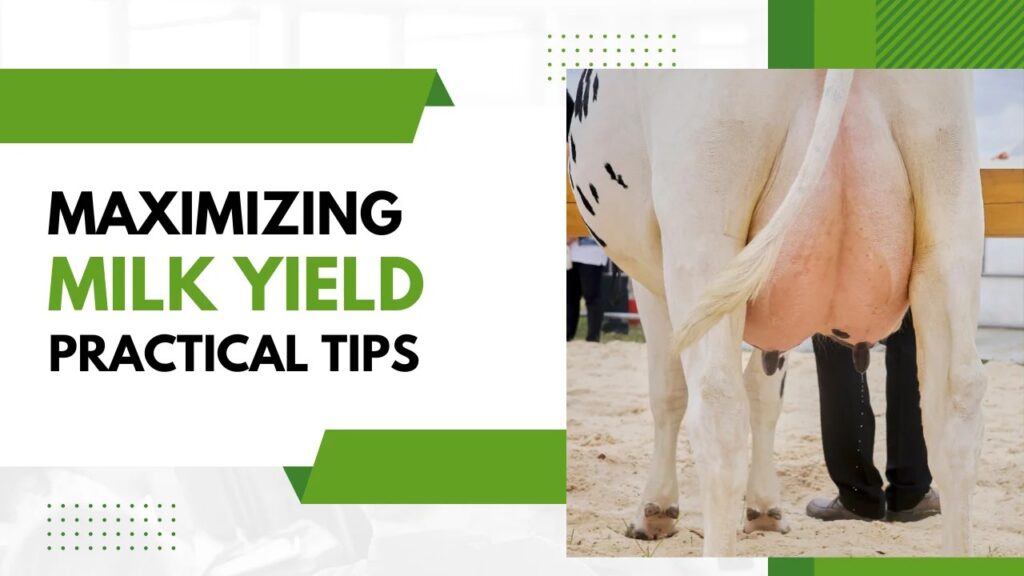
Boosting Milk Yield: Practical Tips for Dairy Farmers in Kenya
In Kenya, dairy farming is a vital source of income for many smallholder farmers. Maximizing milk yield from dairy cows is essential for profitability and sustainability. This blog will explore actionable strategies and best practices for improving milk yield in dairy cows across Kenya.
1. Selecting Quality Breeds: – Choose dairy cow breeds known for high milk production, such as Friesians, Ayrshires, or Jerseys. – Consider crossbreeding programs to capitalize on hybrid vigor and improved milk production traits.
2. Nutrition Management: – Provide a balanced diet rich in nutrients, including protein, energy, vitamins, and minerals. – Utilize locally available feed resources such as Napier grass, maize stover, and leguminous forages. – Supplement with commercial dairy concentrates to meet cows’ nutritional requirements, especially during lactation. You can make dairymeal at your farm, to get a formula, click here.
3. Proper Feeding Practices: – Implement a consistent feeding schedule to maintain rumen health and optimize digestion. – Ensure access to clean water at all times, as hydration is crucial for milk production. – Monitor body condition scores and adjust feeding regimes accordingly to prevent under or overfeeding.
4. Improved Breeding Techniques: – Embrace artificial insemination (AI) services to access superior genetics and improve the overall quality of the herd. – Implement strategic breeding programs to synchronize calving intervals and maximize lactation periods. Heifers should come on heat at 15 months of age and milking cows should come on heat 45 to 60 days after calving. Incase of any delays, consult our experts for personalized solutions.
5. Health and Disease Management: – Establish a proactive herd health program, including regular vaccinations, deworming, and parasite control. – Conduct routine health checks and promptly treat any illnesses or infections to minimize production losses. – Practice proper mastitis prevention techniques, such as maintaining clean udders and implementing proper milking hygiene protocols.
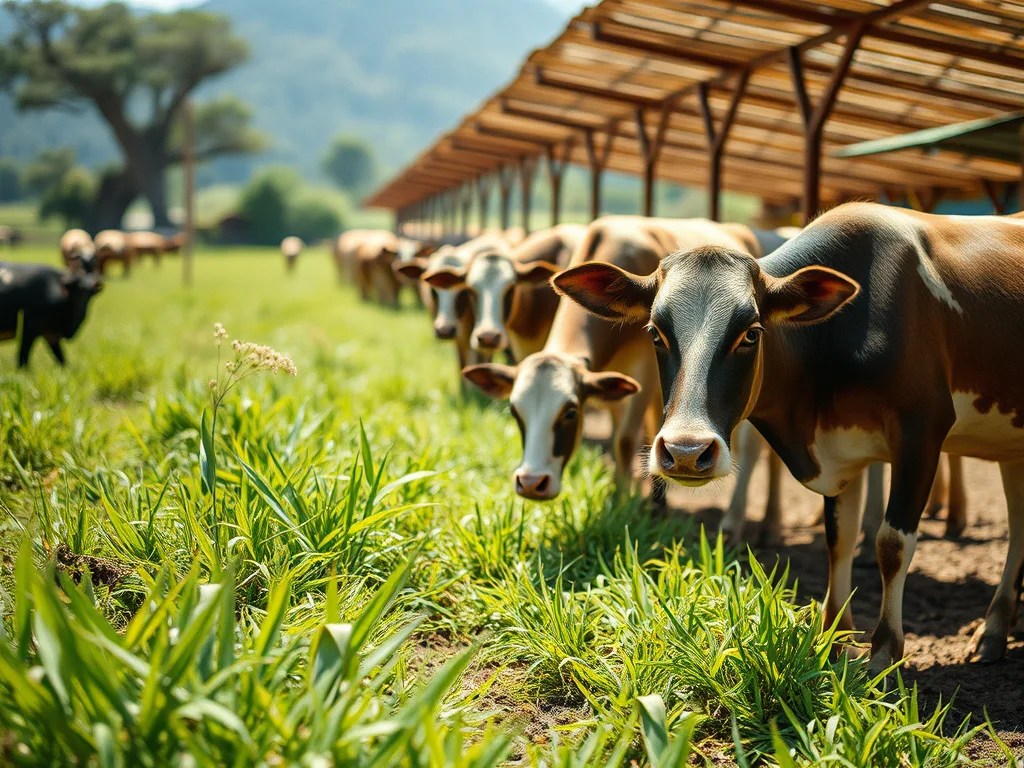
6. Optimal Housing and Comfort: – Provide well-ventilated, clean, and spacious housing facilities to minimize stress and promote cow comfort. – Implement proper bedding management to reduce the risk of lameness and improve overall welfare. – Invest in shade structures to mitigate heat stress during hot weather periods.
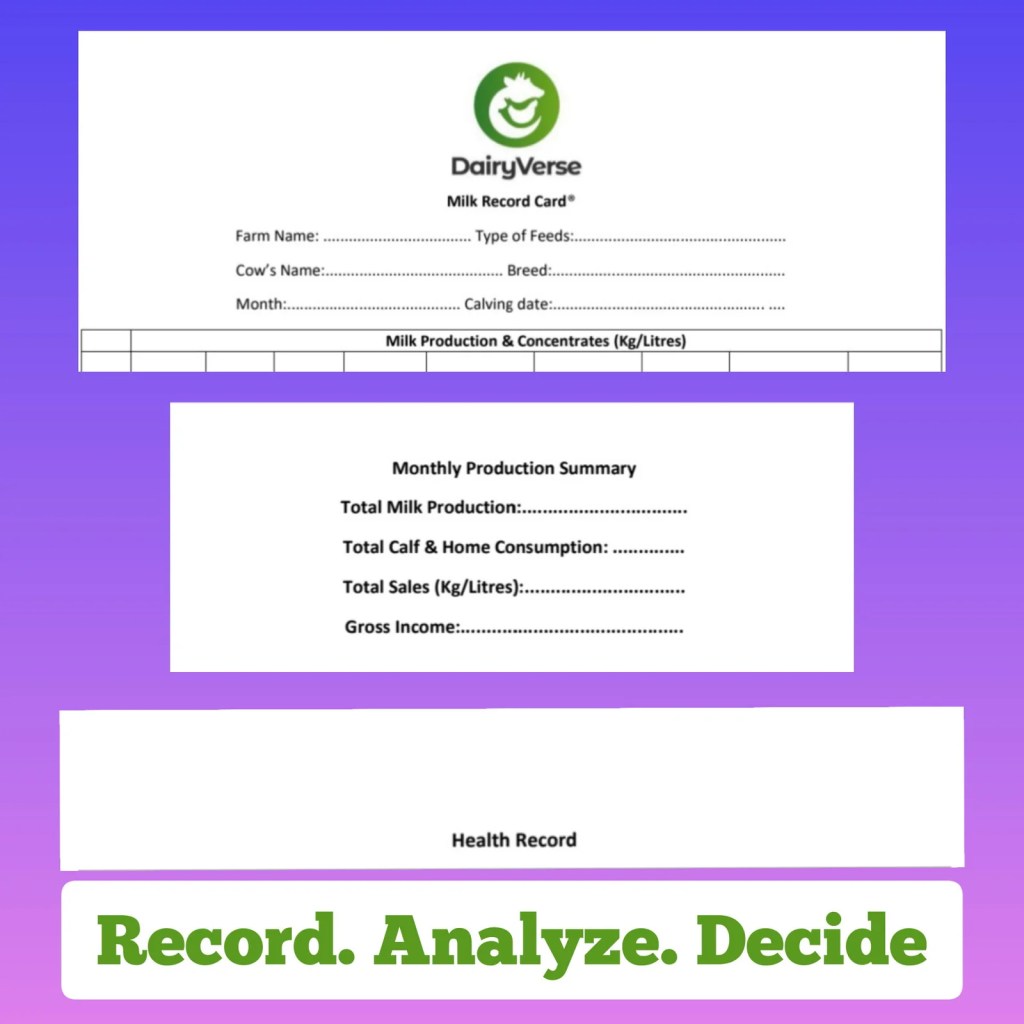
7. Effective Herd Management: – Implement a robust record-keeping system to track individual cow performance, including milk yield, reproductive status, and health history. To get our Comprehensive Milk RecordCard, click here. – Utilize technology solutions such as milk meters or milk recording systems to accurately measure milk production and identify high-performing cows. – Rotate pastures and implement grazing management strategies to optimize forage utilization and maintain pasture quality.
8. Continuous Learning and Adaptation: – Stay informed about advancements in dairy farming practices through training programs, workshops, and extension services. Learn more on how to improve – Network with fellow dairy farmers and industry experts to exchange knowledge and learn from each other’s experiences. – Embrace innovation and be open to adopting new technologies and techniques that can enhance milk production efficiency.
Conclusion: Improving milk yield in dairy cows requires a holistic approach that encompasses genetics, nutrition, management, and health. By implementing these practical tips and embracing a continuous improvement mindset, dairy farmers in Kenya can optimize milk production, enhance profitability, and contribute to the growth and sustainability of the dairy industry.