Holstein Cattle, The Ultimate Dairy Breed

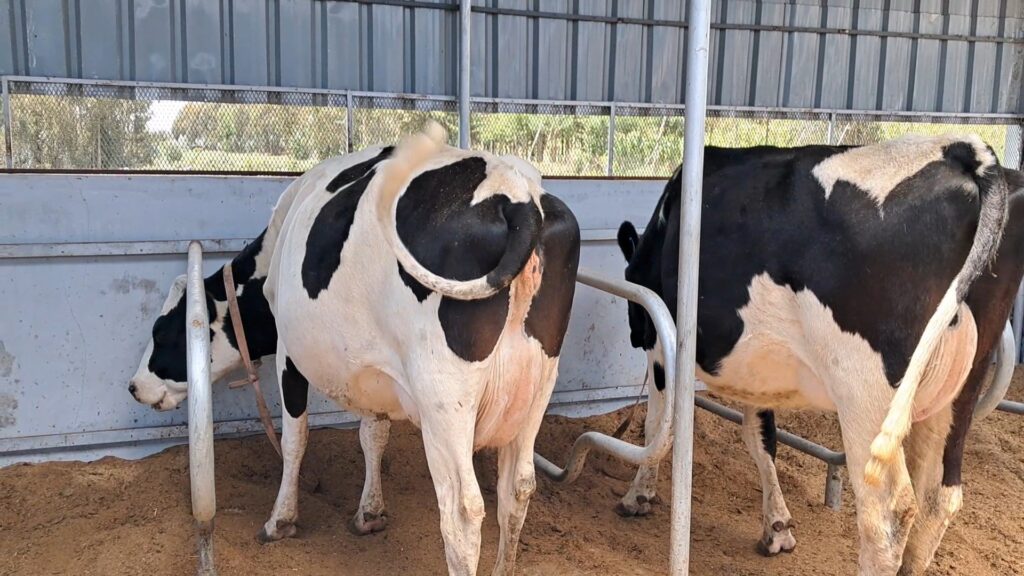
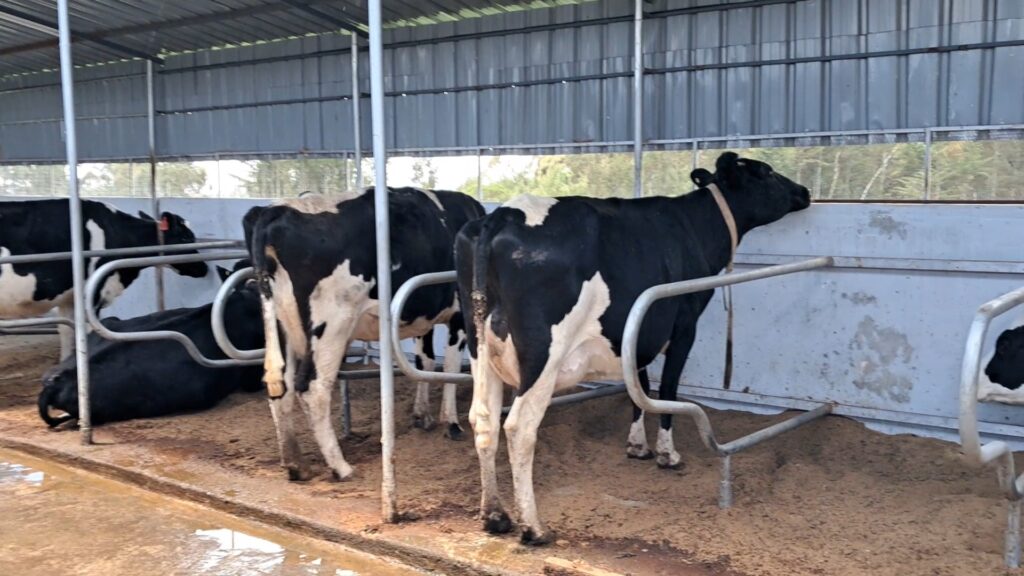
Holstein cattle are among the most recognizable and productive dairy breeds in the world. Known for their distinctive black and white markings, these cows are prized for their exceptional milk production, making them a preferred choice for dairy farmers globally.

Understanding Lactation

Lactation is the process by which dairy cows produce milk after giving birth. This phase is critical for both the health of the cow and the quality of milk production. Proper nutrition and management during lactation ensure optimal milk yield and cow well-being.

General Features of Holstein Cattle

  • Cow Name: Holstein Cattle
  • Color: Black and White
  • Weight: 680-770 kg
  • Height: 145-165 cm
  • Milk Yield: 6000-8000 kg per lactation

Characteristics and Benefits

1. High Milk Production

Holsteins are renowned for their outstanding milk yield, ranging from 6000 to 8000 kg per lactation. This makes them highly desirable for commercial dairy farming, as their production capacity surpasses many other breeds.

2. Adaptability

These cows can adapt to different climatic conditions, making them suitable for various regions worldwide. With proper management and nutrition, Holsteins thrive in both temperate and tropical environments.

3. Efficient Feed Conversion

Holstein cattle efficiently convert feed into milk, making them cost-effective for dairy farmers. Their high metabolic rate ensures optimal utilization of nutrients, leading to consistent milk production.

4. Large Body Size

Weighing between 680-770 kg and standing at a height of 145-165 cm, Holsteins are among the largest dairy breeds. Their size contributes to their ability to produce significant amounts of milk while maintaining overall health and productivity.

The Main Challenge Facing Holstein Cows

Holstein cows are renowned for their high milk production, but this also presents a significant challenge—metabolic stress. Due to their high milk yield, Holsteins are prone to metabolic disorders such as ketosis, milk fever, and acidosis. These conditions can impact their productivity and overall health, making proper nutrition and management crucial.

Dairyverse Products and Their Impact on Dairy Cows

Dairyverse offers a range of specialized products designed to optimize cow health and productivity. Here’s how they impact dairy cows:

Ndamaplus®: Enhancing Dairy Calf Growth and Development

  1. Promotes Weight Gain: Supports average daily weight gain, ensuring healthy calf growth.
  2. Counters Stunted Growth: Provides essential nutrients to prevent growth deficiencies.
  3. Reduces Post-Weaning Stress: Minimizes stress during the critical post-weaning phase.
  4. Boosts Immunity: Strengthens the immune system, protecting calves from diseases.
  5. Facilitates Timely Heat Onset: Ensures smooth transition to adulthood by promoting timely heat cycles in heifers.

Tranzpro®: A Powerful Solution for Dairy Producers

  1. Udder Health Improvement: Enhances udder health for optimal milk production post-calving.
  2. Risk Prevention: Reduces the risk of retained afterbirth, ensuring cow well-being.
  3. Appetite Boost: Helps maintain proper nutrition during early lactation.
  4. Peak Milk Production: Speeds up the journey to peak milk yield, benefiting both cows and dairy farms.
  5. Recovery Support: Aids in faster recovery for sick cows after calving.

Booster+®: Enhancing Metabolism in Dairy Cows

  1. Metabolism Enhancement: Supports efficient metabolic processes for overall health.
  2. High Protein and Energy Content: Provides essential nutrients for milk yield and cow vitality.
  3. Key Benefits:

    • Increased Milk Yield: Helps cows reach higher milk production levels.
    • Recovery Support: Assists previously ill cows in regaining strength.
    • Heat Onset Enhancement: Addresses delayed heat cycles in milking cows.
    • Body Condition Improvement: Supports better body condition and prevents stunted growth.

Fertility+®: Specialized Reproductive Health Supplement

  1. Product Details:

    • Comes in a 900-gram pack.
    • Recommended daily usage: 50 grams.

  2. Key Benefits:

    • Addresses reproductive challenges like delayed and silent heat, dystocia, and retained afterbirth.
    • Enhances fertility and conception rates in heifers.

Management and Care

To maximize the productivity of Holstein cattle, farmers should focus on the following key management practices:

  • Nutrition: Providing a balanced diet rich in energy, protein, and minerals ensures high milk yield and good health.
  • Housing: A clean, well-ventilated environment reduces stress and enhances comfort.
  • Health Monitoring: Regular check-ups and vaccinations help prevent diseases and improve overall well-being.
  • Reproduction Management: Proper breeding programs and reproductive health monitoring optimize lactation cycles and herd sustainability.

Get Dairyverse Products

Visit our office at RNG Plaza, 5th Floor, Suite OF9, along Ronald Ngala Street in Nairobi CBD to purchase our products. Alternatively, we can arrange delivery via your nearest Matatu/Bus Sacco.

Conclusion

Holstein cattle remain the backbone of the dairy industry due to their superior milk production, adaptability, and efficient feed conversion. With proper management, these cows can significantly boost dairy farming profitability, making them an excellent choice for farmers aiming for high yields and sustainability.
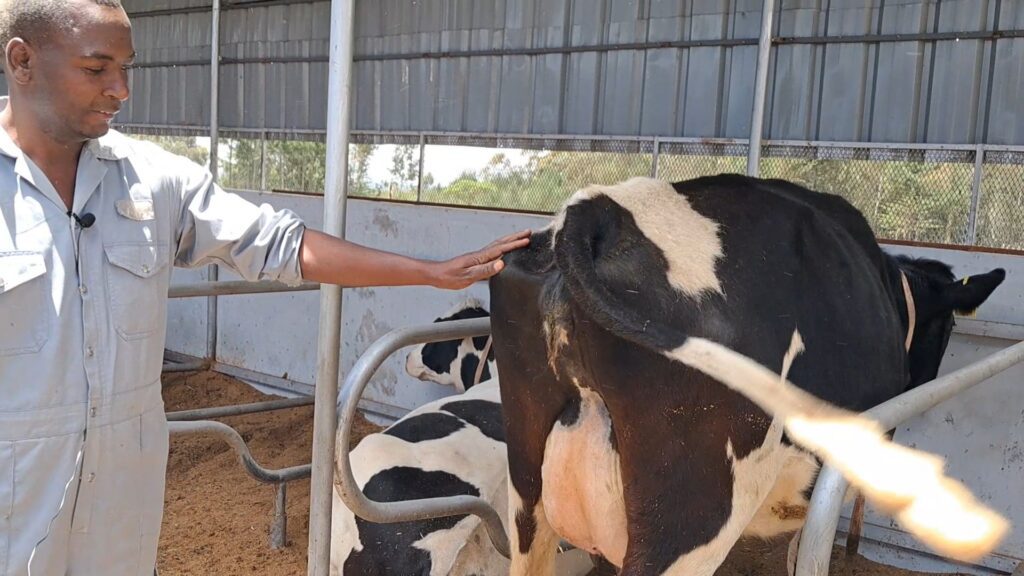


What is dry matter and dry matter intake?

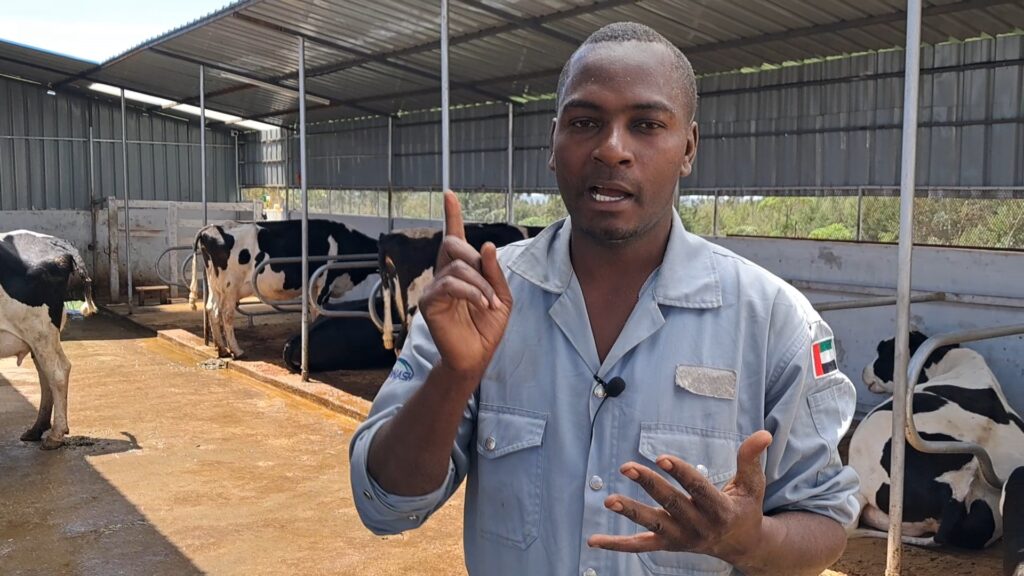
Dry Matter (DM) refers to the portion of feed that remains after all moisture has been removed. It includes essential nutrients such as carbohydrates, proteins, fats, vitamins, and minerals. Since moisture content varies in different feedstuffs, evaluating dry matter allows for an accurate comparison of their nutritional value.

Importance of Dry Matter in Livestock Nutrition.
Understanding dry matter is crucial because:

Accurate Nutrient Assessment – Feed moisture content varies, so dry matter provides a true measure of the nutrients available to animals.

Diet Formulation – Balancing rations requires knowledge of the actual nutrient intake from dry matter rather than the total weight of the feed.

Performance Optimization – Ensuring livestock receive adequate nutrients helps maintain productivity, growth, and health.

What is Dry Matter Intake (DMI)?

Dry Matter Intake (DMI) is the amount of dry matter an animal consumes within a given period, typically measured in kilograms per day. It is a key factor in livestock feeding because it directly impacts energy and nutrient intake, affecting animal performance.

Factors Affecting DMI

Several factors influence an animal’s dry matter intake:

Animal Factors:
Body size and weight

Stage of production (growth, lactation, maintenance)

Health status

Appetite and metabolic needs

Feed Factors:

Palatability and digestibility

Nutrient composition

Processing and physical form (pellets, chopped, silage, etc.)

Moisture content

Environmental Factors:

Temperature and humidity

Availability of clean water

Stocking density and feeding management

Estimating DMI

The DMI of livestock can be estimated using the following general guideline:

Cattle (Dairy): 2.5 – 4.5% of body weight per day

Beef Cattle: 2 – 3% of body weight per day

Sheep and Goats: 3 – 4% of body weight per day

Horses: 1.5 – 3% of body weight per day

For example, a dairy cow weighing 600 kg may consume about 18 – 24 kg of dry matter per day.

Importance of Monitoring DMI

Monitoring DMI is essential because it affects:

Growth Rates: Sufficient nutrient intake ensures optimal weight gain.

Milk Production: Dairy cows require consistent DMI to sustain milk yield.

Feed Efficiency: Higher DMI can lead to better feed conversion ratios.

Health and Well-being: Poor intake can lead to nutritional deficiencies and metabolic disorders.

Practical Tips for Optimizing DMI

Provide High-Quality Feed – Ensure feed is fresh, palatable, and nutritionally balanced.

Maintain Consistent Feeding Schedules – Regular feeding times encourage stable intake.

Ensure Water Availability – Clean and fresh water is necessary for proper digestion and feed intake.

Monitor Feed Waste and Adjust Diets – Observing uneaten feed can indicate palatability issues or incorrect ration formulation.

Manage Environmental Stress – Shade, ventilation, and proper housing conditions can improve intake during extreme weather conditions.

Understanding dry matter and dry matter intake is essential for effective livestock nutrition management. By focusing on DMI, farmers and animal nutritionists can ensure optimal animal health, productivity, and economic returns. Regular monitoring and diet adjustments based on dry matter calculations help maximize feed efficiency and overall farm profitability.

For any questions related to dairy farming, feel free to reach out to our team on Call/WhatsApp:- 0743 699 774.
#Dairyfarmingtips #HealthyCalves #CalfCare #HealthyHerds #dairyinvestors #restoredairycow #ask_dairyverse_experts #colourfulandcenty #highmilkyieldseries #HappyCows #dairyverse #calves #fyp #farming #restoreplus #boosterplus #fertilityplus #ndamaplus #tranzpro


Say No To Milk Fever, Ketosis and Low Milk Yield with Dairyverse High-yielder Protocol (DHYP Protocol)

Milk fever, ketosis and low milk yield  in recent calvers is preventable!

Adopt Dairyverse High-yielder Protocol (DHP Protocol);
1. Dry-off your cow exactly 8 weeks before calving. Give her dry cow mineral licks, 2 kg of dairymeal and plenty of fodder. Silage should be limited. Keep off DCP or any high calcium supplements.

2. 18 days before calving, increase quantity of dairymeal to 5 Kgs per day and introduce Tranzpro® at the rate of 2 tablespoons every morning. This will provide your cow with the necessary trace elements, proteins and energy guaranteeing over 20 litres in milk yield and zero cases of Milk fever and ketosis.

3. Proper transition cow management. Introduce maziwa mineral lick immediately after your cow calves down. Increase silage and dairymeal quantities based on milk yield.  Furthermore,  continue using Tranzpro® for 36 more days. This will help your cow hit peak production of over 30 litres and help her come on heat 45 to 60 days after calving.

Do you have a dry cow?
Have you adopted Dairyverse High-yielder Protocol (DHP Protocol)?


Do not fear anything, dairy farming is extremely profitable!

Dairy farming success story. Meet Mr. Peter Kamau from Njabini, South Kinangop, Nyandarua county. At the foot of Aberdare Ranges, lies a beautiful and vibrant dairy farm. This farm bustling with life and youthful glow drew our attention. We visited the young man who has put his foot forward and decided to invest in a mega dairy project.

From a distance, you will tell the zeal and the hardwork put in establishment of the expertly crafted dairy business. From the barn to the dairy cows kept, health precautions employed, precision in feeding, fodder conservation, milk hygiene protocols in place, you can’t help but marvel at jewel!

Mr. Kamau gladly welcomed us to his farm and educated us on how he goes about management of his mega dairy farm that has defied the status quo. To start with, Nyandarua County is known for the cold weather, fertile soils that cause the fields yield more Kikuyu grass all year round. This together with the low cost involved inspires dairy farmers to prefer extensive dairy production system that is characterized by paddocking, rotational grazing and tethering over zero grazing. Extensive dairy production system limits profitability since the yields tend to be lower as a result of unbalanced rations and skewed supplementation. On the other hand, zero grazing serves to help dairy investors get maximum benefits from their farm investments through increased milk yield and fosters animal welfare.

The first step that Mr. Kamau took was to establish fodder. This has helped him escape the loop that forces many prefer letting their animals graze around the fields. The next step was construction of state-of-the-art mega dairy barn, not the usual small-scale cowsheds. He has put together a double sided comprehensive dairy barn that has a capacity of holding 30 dairy cows made of metal and properly concreted floors. The barn offers enough space for dry feeds (hay and staw), concentrates store, silage bunkers, fodder processing space, security control room, well kept cubicles partitioned with metal bars, clean troughs for fodder and water, open resting and socialization area allowing the cows get sunlight, properly ventilated structure ensures constant flow of air and buffers them against cold at night. Additionally, the milking parlor is well constructed allowing for a workspace during milking and easier handling of animals during routine management practices and treatment. Not forgetting that the whole structure is well fitted with CCTV cameras allowing the owner to access the proceeding of the farm remotely in realtime and the calfpen constructed in the right way, raised above the ground leval and properly slated to ensure that the calves are shielded from cold and other vices that occur as a result of cold weather and moisture.

Mr. Kamau has also chosen good breeds of dairy cows with the right dairy characters. All the cows we saw had superb dairy characters. His cows are producing between 25 and 38 litres of milk each. This potential has been realized through hardwork and consistency. All the cows are in good body condition signaling good health which is a prerequisite in realization of success in any dairy farming venture. The calves are growing fast, thanks to the elaborate feeding model adopted.

This story is not only an inspiration to us but also any other dairy investor already practicing dairy farming or planning to kick of this journey as Mr. Kamau says,”Do not fear anything, just start…dairy farming is extremely profitable…”

Take the next step today!

To reach out to Mr. Kamau, call our team via 0719818800 | 0734725728 | 0707198516

or

WhatsApp:- https://wa.me/254743699774

Useful Links:

Get our milk record card template here:– https://dairyversekenya.com/product/milk-record-card/

Calf Rearing Guide:- https://dairyversekenya.com/product/calf-rearing-guide/

High-yield Dairymeal Formula:- https://dairyversekenya.com/product/highyield-dairymeal/

Watch Full Video:

Mr. Kamau’s dairy success

To get our supplements, visit our office located in Nairobi CBD at RNG Plaza 5th Floor Suite OF9 along Ronald Ngala Street.

You can also buy online on; https://www.dairyversekenya.com/shop

Find us on social media;

Facebook:- https://facebook.com/dairyverse

Instagram:- https://Instagram.com/dairyverseke

Tiktok:- https://www.tiktok.com/@dairyverse?_t…

X:- https://x.com/dairyverse_ke?s=09


The Ideal Diet for Prepartum Cows: Ensuring Optimal Health and Productivity

Prepartum cows, or cows in the final stage of pregnancy, require a well-balanced diet to ensure a smooth transition into lactation and to prevent metabolic disorders. Proper nutrition during this period is crucial for the health of both the mother and the newborn calf. Below, we explore the key dietary components necessary for prepartum cows and how to optimize their feeding regimen.

The Importance of Consistency in Diet

One of the main objectives of feeding dairy cows, especially in the prepartum stage, is to ensure consistency. Sudden dietary changes can lead to metabolic disturbances, affecting both milk production and overall cow health. Maintaining a steady intake of essential nutrients supports the cow’s ability to adapt to the demands of calving and lactation.

Key Nutritional Components for Prepartum Cows

1. Starch Content

Starch plays a significant role in maintaining liver health and metabolic balance. Research suggests that an average starch content of 16.4% in the diet benefits liver function, particularly in older cows. Proper starch levels help reduce the risk of disorders such as fatty liver, which can impair productivity post-calving.

2. Crude Protein Content

Crude protein is vital for fetal development and mammary tissue regeneration. Experts recommend that crude protein levels be adjusted to around 14.4% to support the cow’s physiological needs. Extreme variations, particularly between 10% and 17%, should be avoided, as they can negatively impact milk production and overall health.

3. Dry Matter Content

The dry matter content of prepartum cow diets should be carefully monitored. Studies indicate that an average dry matter content of 49.6%, within an acceptable range of 41% to 63%, is ideal. Ensuring the right moisture levels in feed prevents reduced intake and helps maintain digestive efficiency.

4. High-Quality Forage

Forage forms the foundation of a prepartum cow’s diet. Corn silage is the preferred forage, used by 68% of farms due to its high-energy content and digestibility. However, straw, used on 24% of farms, provides a low-energy alternative that helps prevent metabolic disorders such as ketosis, particularly in cows close to calving.

Tranzpro®: A Powerful Solution for Dairy Producers

Tranzpro® is an advanced nutritional supplement designed to enhance cow health and optimize productivity in dairy operations. It provides several key benefits:

1. Udder Health Improvement

  • Tranzpro® enhances udder health, ensuring optimal milk production in pregnant heifers after calving.

2. Risk Prevention

  • By using Tranzpro®, you minimize the risk of retained afterbirth condition, promoting overall cow well-being.

3. Appetite Boost

  • During early lactation, cows often experience decreased appetite. Tranzpro® counters this, ensuring they maintain proper nutrition.

4. Peak Milk Production

  • Tranzpro® accelerates the journey to peak milk production, benefiting both the cow and the dairy operation.

5. Recovery Support

  • Sick cows that have recently given birth recover faster with Tranzpro®, thanks to its targeted nutritional support.

Usage Guidelines

  • Administer Tranzpro® 18 days before calving and continue for 36 days after calving for optimal results.

Balancing Energy and Nutrient Intake

Prepartum cows require a controlled energy intake to avoid excessive weight gain while ensuring sufficient nutrient supply for fetal growth. Overfeeding energy-dense diets can increase the risk of metabolic disorders like milk fever, while underfeeding can lead to poor body condition and low milk yields.

Conclusion

A well-balanced diet tailored to the specific needs of prepartum cows is essential for optimizing health and productivity. By maintaining consistency, ensuring adequate starch and protein intake, and providing high-quality forage, farmers can enhance the well-being of their dairy cows and improve post-calving performance.

For those looking to refine their dairy feeding strategies, specialized training programs like Dairy Feeding and Management, led by industry experts, can provide valuable insights into formulating efficient diets for every stage of dairy cow development.


Teat Warts in Dairy Cows: Causes, Treatment, and Prevention

Introduction

Teat warts, also known as bovine papillomatosis, are a common issue in dairy cows. These wart-like growths can cause discomfort during milking and may lead to secondary infections if not managed properly. This article will explore the causes, symptoms, treatment options, and preventive measures for teat warts in dairy cattle.

What Are Teat Warts?

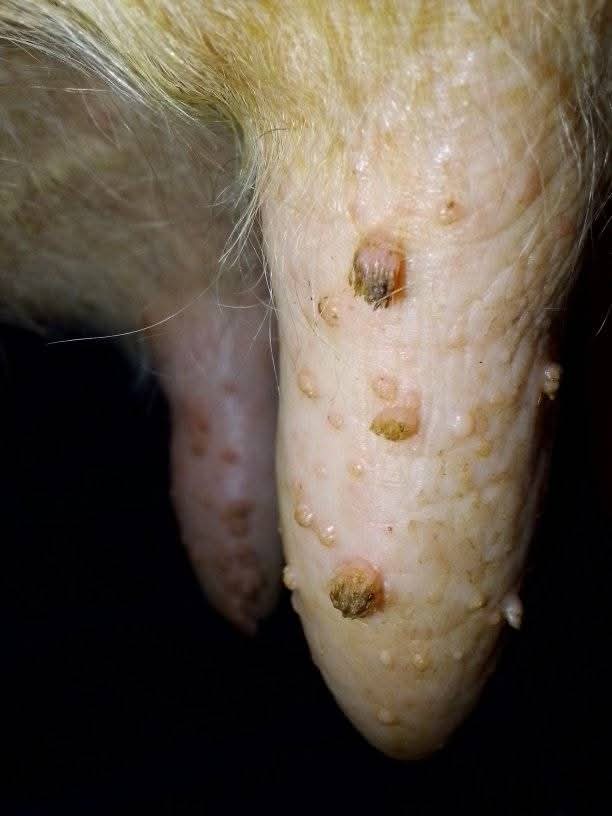
Teat warts are benign growths that appear on the teats of dairy cows due to an infection with the bovine papillomavirus (BPV). These warts can vary in size and texture, often forming rough, raised, or cauliflower-like lesions. While teat warts are generally not life-threatening, they can interfere with milking, cause discomfort, and lead to secondary bacterial infections if not managed properly.

Causes of Teat Warts

Teat warts are caused by the bovine papillomavirus (BPV), which spreads through direct contact with infected cows, contaminated milking equipment, or unclean hands. Factors that can contribute to the development of teat warts include:

  • Poor milking hygiene – Contaminated hands or milking equipment can introduce the virus.
  • Skin trauma – Small cuts or abrasions on the teats increase susceptibility to infection.
  • Weakened immunity – Cows with poor nutrition or stress are more prone to infections.
  • Hot water exposure – Using excessively warm water for washing can damage the skin barrier.

Symptoms of Teat Warts

Teat warts appear as:

  • Rough, raised, or cauliflower-like lesions on the teats.
  • Small to large wart clusters that may spread over time.
  • Mild to severe discomfort during milking.
  • Possible secondary bacterial infections if warts become damaged or ulcerated.

Treatment and Management of Teat Warts

Although teat warts may resolve on their own, treatment can help manage the condition and reduce discomfort. Some effective treatment options include:

1. Improving Milking Hygiene

  • Always clean and disinfect hands before milking.
  • Use sanitized milking equipment to prevent cross-contamination.
  • Apply a teat disinfectant spray or dip after each milking session.

3. Boosting the Cow’s Immunity

  • Ensure a balanced diet rich in essential vitamins, especially Vitamin A and E.
  • Provide proper mineral supplementation to maintain skin health.
  • Reduce stress levels by maintaining a clean and comfortable environment for the cows.
  • Enhance udder health and facilitate quick recovery with Dairyverse products like TranzPro—scientifically formulated to support dairy productivity and animal well-being.

4. Veterinary Intervention

  • In severe cases, a veterinarian may recommend cryotherapy (freezing the warts) or surgical removal.
  • Some farms use autogenous vaccines, which are made from the cow’s own warts to help build immunity.

Prevention Strategies

Preventing teat warts is crucial to maintaining a healthy herd. The following steps can help reduce the risk:

  • Regularly clean and disinfect milking areas and equipment.
  • Use disposable gloves when milking infected cows to prevent the spread of the virus.
  • Isolate new cows before introducing them to the herd to prevent infections.
  • Avoid excessive hot water use on teats, as it may weaken the skin barrier.
  • Regularly inspect cows for early signs of warts to begin treatment promptly.

Conclusion

Teat warts in dairy cows, while common, can be effectively managed with proper hygiene, topical treatments, and immune support. By implementing preventive measures and seeking veterinary care when necessary, farmers can minimize the impact of bovine papillomatosis and ensure the well-being of their dairy cows. If a cow shows persistent or worsening symptoms, consulting a veterinarian is highly recommended.


Best Practices in Concentrate Feeding for Dairy Cows

Proper concentrate feeding is crucial in dairy farming, as it directly impacts milk production, cow health, and overall farm profitability. Concentrates provide essential nutrients that forage alone may not supply in sufficient quantities. Below are the best practices to ensure optimal results in dairy cow concentrate feeding.


1. Understanding Concentrate Feeds

Concentrates are high-energy feeds that provide essential nutrients like carbohydrates, proteins, fats, vitamins, and minerals. They are typically classified into:

  • Energy concentrates – e.g., maize, wheat bran, molasses
  • Protein concentrates – e.g., soybean meal, cottonseed cake
  • Mineral and vitamin supplements – e.g., calcium, phosphorus, salt

2. Assessing Nutritional Requirements

The concentrate requirements depend on factors such as:

  • Milk production level – High-yielding cows require more concentrates.
  • Body weight – Larger cows need more energy.
  • Stage of lactation – Early lactation demands more nutrients to sustain milk production.
  • Health status – Sick or recovering cows may require specific nutrients.

A balanced ration should meet the cow’s energy, protein, and mineral needs while avoiding deficiencies or excesses.


3. Balancing Forage and Concentrates

  • Forage (pasture, silage, hay) should be the foundation of a dairy cow’s diet.
  • Concentrates should complement forage, not replace it.
  • An ideal ratio is 60-70% forage and 30-40% concentrate in a total mixed ration (TMR).
  • Overfeeding concentrates can cause acidosis, laminitis, and reduced rumen function.

4. Feed Quality and Processing

  • Use high-quality grains and oilseeds free from toxins, molds, and contaminants.
  • Processing (e.g., grinding, pelleting, or flaking) enhances digestibility and nutrient absorption.
  • Avoid finely ground grains as they can increase rumen acidity.

5. Gradual Introduction and Consistent Feeding

  • Introduce concentrate feeds gradually over 7–10 days to prevent digestive upsets.
  • Maintain a consistent feeding schedule to avoid stress and milk fluctuations.
  • Split concentrates into 2-3 feedings per day to reduce the risk of rumen disorders.

6. Avoiding Overfeeding and Underfeeding

  • Overfeeding can lead to metabolic disorders, excessive weight gain, and low fertility.
  • Underfeeding results in low milk production and poor body condition.
  • Adjust feeding based on milk yield, weight changes, and feed intake patterns.

7. Ensuring Proper Protein and Energy Balance

  • Dairy cows require 16-18% crude protein in their diet.
  • Energy-rich feeds (e.g., maize) should be paired with fiber sources to maintain rumen health.
  • Excess protein can lead to high ammonia levels, affecting fertility.

8. Providing Essential Minerals and Vitamins

  • Calcium and phosphorus – Essential for milk production and bone strength.
  • Magnesium – Prevents grass tetany.
  • Sodium and chloride – Regulate body functions.
  • Vitamins A, D, and E – Support immune function and reproduction.
  • Offer mineral licks or supplement minerals in concentrates.

9. Monitoring and Adjusting Feed Based on Performance

  • Observe milk yield, body condition, and manure consistency.
  • Conduct regular feed analysis to check nutrient composition.
  • Adjust feeding as needed, especially in response to seasonal changes.

10. Water Availability

  • Cows require 60-120 liters of water daily, depending on milk yield.
  • Fresh, clean water enhances feed digestion and milk production.
  • Position water troughs close to feeding areas for easy access.

Conclusion

Proper concentrate feeding plays a vital role in optimizing milk production, maintaining cow health, and improving farm profitability. By balancing forage with quality concentrates, monitoring cow performance, and providing essential nutrients, dairy farmers can maximize efficiency and sustainability in dairy production.

By implementing these best practices, farmers can achieve higher milk yields, better cow health, and improved farm efficiency while minimizing the risk of metabolic disorders.


Sudden Death in Cattle: Causes and Prevention

Introduction

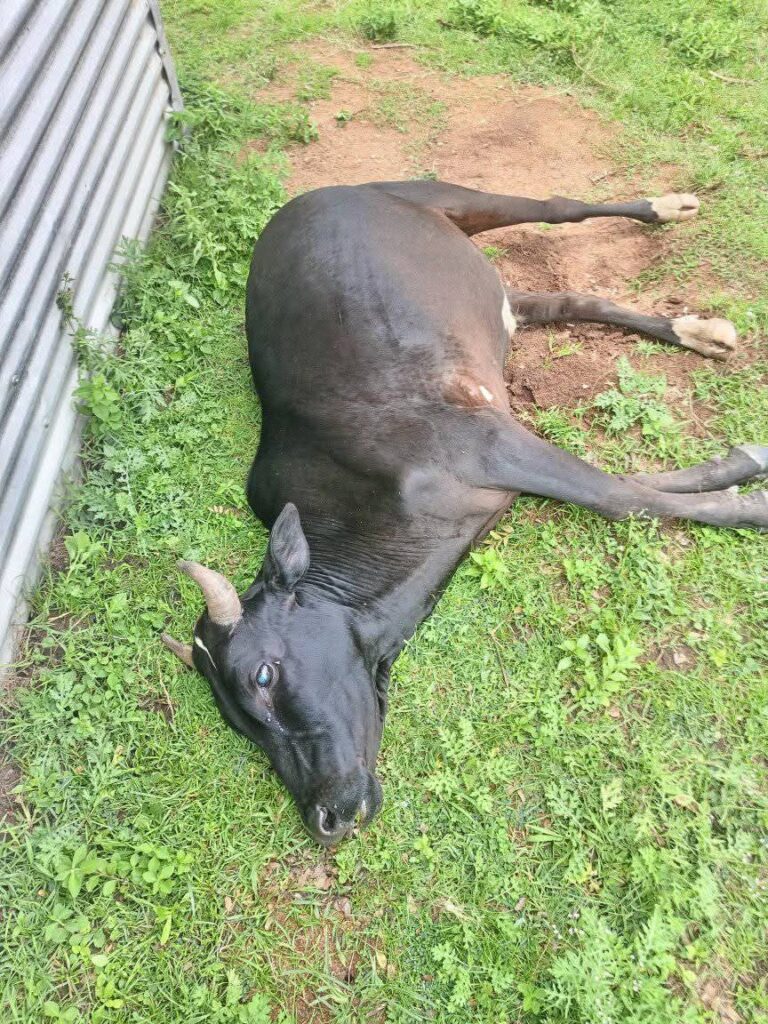
Imagine waking up one morning and finding your cow lying lifeless on the ground. The cow you have raised with care, fed with the best feed, and nurtured with the hope that she will bring you profit and sustain your farm. The loss is not just emotional but also financial, leaving you with unanswered questions—what went wrong? Understanding the possible causes of sudden cattle deaths and preventive measures can help farmers mitigate such losses.

Possible Causes of Sudden Death in Cattle

1. Toxicity and Poisoning

  • Plant Poisoning: Certain toxic plants, such as oleander, nightshade, or wild cherry leaves, can be lethal if ingested.
  • Chemical Poisoning: Accidental ingestion of pesticides, herbicides, or contaminated water can result in sudden death.
  • Nitrate Poisoning: Consumption of high-nitrate forages, such as certain grasses or silage, can cause fatal toxicity.

2. Metabolic Disorders

  • Bloat: A sudden accumulation of gas in the stomach, especially from consuming lush pasture, can cause suffocation and death.
  • Milk Fever (Hypocalcemia): Common in dairy cows, a sudden drop in calcium levels can lead to heart failure.
  • Grass Tetany: A magnesium deficiency in lactating cows can cause sudden collapse and death.

3. Infectious Diseases

  • Anthrax: A deadly bacterial disease that causes sudden bleeding and rapid death.
  • Blackleg: Caused by Clostridium chauvoei, this bacterial infection affects the muscles and leads to sudden death.
  • Botulism: Caused by ingesting spoiled feed or carcass-contaminated fodder, botulism affects the nervous system and can be fatal.
  • Leptospirosis: A bacterial infection that can cause sudden organ failure.

4. Heart and Respiratory Conditions

  • Heart Failure: Heat stress, poor genetics, or underlying conditions can trigger sudden cardiac arrest.
  • Respiratory Distress: Severe pneumonia or inhaling toxins like ammonia from unclean sheds can cause sudden collapse.

5. Trauma and Accidents

  • Lightning Strikes: If a cow is struck by lightning, especially in open fields, it can die instantly.
  • Falls or Head Injuries: Slipping or hitting an object forcefully can cause fatal trauma.
  • Predator Attacks: In some cases, wild animals or aggressive dogs can fatally injure a cow.

What to Do When a Cow Dies Suddenly

  1. Inspect the Environment: Check for signs of poisoning, spoiled feed, or unusual objects around the area.
  2. Look for Symptoms: If possible, examine the cow for bloating, external injuries, or signs of bleeding.
  3. Contact a Veterinarian: A post-mortem examination can help determine the cause and prevent future losses.
  4. Proper Disposal: Dispose of the carcass safely to prevent disease spread.

Preventive Measures

  • Regular Health Checks: Ensure cows receive vaccinations and routine veterinary care.
  • Proper Nutrition: Provide balanced diets, especially for lactating and pregnant cows.
  • Secure the Environment: Avoid access to toxic plants, chemicals, or contaminated water.
  • Monitor for Early Signs: Observe cattle behavior for signs of distress, weakness, or illness.

Conclusion

While sudden cattle deaths can be distressing, identifying the cause is crucial for preventing future occurrences. Farmers should maintain good management practices, work closely with veterinarians, and ensure a safe environment for their livestock. By implementing preventive measures, farmers can reduce the risk of unexpected losses and safeguard their herds.


Dairymeal Making: A Guide to Nutritious and Cost-Effective Feed for Dairy Cows

Introduction

Dairy farming requires careful attention to animal nutrition to ensure high milk production and overall herd health. Dairymeal, a formulated livestock feed, plays a crucial role in providing essential nutrients to dairy cows. Making your own dairy meal can be cost-effective and allow for quality control, ensuring that your cows get the best nutrition.

Importance of Dairymeal in Dairy Farming

Dairymeal is a high-energy and protein-rich feed that supplements roughages like hay, silage, and fresh fodder. It helps in:

  • Enhancing milk yield and quality
  • Improving animal health and reproductive efficiency
  • Reducing feeding costs compared to commercial feeds
  • Providing a balanced nutrient intake

Key Ingredients for Dairymeal

A well-balanced dairy meal contains carbohydrates, proteins, fats, vitamins, and minerals. Here are the main ingredients:

1. Energy Sources

  • Maize germ
  • Wheat bran
  • Pollard
  • Molasses (for palatability and energy boost)

2. Protein Sources

  • Sunflower cake
  • Cottonseed cake
  • Soya meal
  • Cotton cake
  • Lucerne

3. Minerals and Vitamins

  • Di-calcium phosphate (DCP) or bone meal (for calcium and phosphorus)
  • Cattle salt (for sodium)
  • Premixes (vitamins and trace minerals)

4. Fats and Oils

  • Vegetable oils (enhances energy levels)

Dairymeal Formulation

Ingredient Quantity (kg)
Maize germ 30
Wheat bran 7.5
Pollard 5
Sunflower cake 10
Soya Roasted 5
Cotton cake 5
Brown lime & DCP 3 (1.5 Kg each)
Cattle salt 2
Yeast Powder 3
©Dairyverse

Steps in Dairymeal Production

  1. Sourcing Ingredients: Ensure high-quality raw materials free from contaminants.
  2. Weighing and Mixing: Measure each ingredient accurately and mix thoroughly.
  3. Storage: Store in a dry, well-ventilated area to prevent mold growth.
  4. Feeding: Introduce gradually to avoid digestive upsets.

Feeding Guidelines

  • High-yielding cows require 2-3 kg of dairy meal per day per 5 liters of milk produced.
  • Always provide clean water and roughages alongside dairy meal.

Conclusion

Making dairy meal at home is an excellent way for dairy farmers to control feed quality while reducing costs. By using the right ingredients and formulation techniques, farmers can boost milk production and ensure the well-being of their dairy herd.


Feeding Guidelines for Silage: A Comprehensive Guide

Silage is an essential feed source for livestock, offering a cost-effective and nutritious alternative during periods of feed scarcity. Made from fermented green forage crops such as maize, sorghum, or grass, silage provides a rich source of energy, fiber, and essential nutrients for animals. To maximize its benefits and ensure the health and productivity of your livestock, it’s crucial to follow proper feeding guidelines. Below is a detailed guide on feeding silage to your animals effectively.


1. Understand Your Livestock’s Nutritional Needs

Different animals have varying nutritional requirements depending on their age, stage of production, and purpose. For example:

  • Dairy cows need silage high in energy to support milk production.
  • Beef cattle benefit from silage for weight gain.
  • Goats and sheep require a smaller amount of silage with a balance of forage and concentrate feeds.
  • Growing calves need silage as part of a diet supplemented with protein-rich feeds.

Understanding these needs will help you determine the quantity and quality of silage to feed.


2. Harvest and Store Silage Correctly

The nutritional quality of silage depends on how well it is harvested and stored. Poorly prepared silage can lead to nutrient loss and even health issues for livestock. Follow these tips:

  • Harvest at the Right Stage: For maize silage, harvest when the dry matter content is between 30-35%. For grasses, cut before flowering.
  • Ensure Proper Packing: Compress silage tightly in a silo or trench to remove air and promote anaerobic fermentation.
  • Cover Properly: Use plastic sheeting to prevent air and water infiltration, which can cause spoilage.

3. Introduce Silage Gradually

When transitioning animals to silage, introduce it gradually to avoid digestive problems:

  • Start Small: Feed small amounts of silage mixed with regular feed for the first 5-7 days.
  • Monitor Health: Watch for any signs of digestive upset, such as diarrhea or reduced appetite.
  • Increase Slowly: Gradually increase the proportion of silage in the diet until it makes up the desired percentage.

4. Feed the Right Amount

The amount of silage to feed depends on the type of livestock and their production goals. Here are general guidelines:

  • Dairy Cows: 25-40 kg per cow per day.
  • Beef Cattle: 20-30 kg per animal per day.
  • Sheep and Goats: 2-5 kg per animal per day.
  • Growing Calves: 10-15 kg per calf per day. Adjust these amounts based on body weight, forage quality, and the availability of supplementary feeds.

5. Combine Silage with Other Feeds

Silage alone may not meet all the nutritional requirements of livestock. It’s important to supplement it with:

  • Protein Sources: Legume hay, soybean meal, or cottonseed cake.
  • Minerals: Provide mineral blocks or fortified feed supplements.
  • Energy Feeds: Grains or molasses for high-energy diets.

A balanced diet ensures optimal growth, reproduction, and productivity.


6. Avoid Feeding Spoiled Silage

Spoiled silage can harm livestock, leading to reduced performance and health issues. Signs of spoiled silage include:

  • A foul smell.
  • Visible mold or discoloration.
  • Slimy or excessively wet texture. Always discard spoiled silage and ensure fresh feed is provided daily.

7. Feed at the Right Time

Feed silage at consistent times each day to maintain a routine. This helps optimize digestion and reduces stress in livestock. Ensure feed is evenly distributed and easily accessible to all animals.


8. Monitor Animal Performance

Regularly assess the performance and health of your livestock:

  • Milk Production: Monitor milk yield in dairy cows to gauge the effectiveness of the silage diet.
  • Weight Gain: For beef cattle, track weight gain to ensure the diet meets growth targets.
  • Behavior and Appetite: Healthy animals will have a good appetite and exhibit normal behavior.

If performance is not as expected, consider adjusting the silage quality or supplementing the diet.


9. Ensure Clean Water Availability

Silage is relatively dry compared to fresh forage, so animals will need access to clean drinking water at all times to aid digestion and prevent dehydration.


10. Work with a Nutritionist

If you’re unsure about formulating a balanced diet, consult an animal nutritionist. They can help analyze the silage quality and design a feeding program tailored to your livestock’s needs.


Conclusion

Silage is an excellent feed source for livestock when fed correctly. By following these guidelines, you can ensure that your animals receive the nutrition they need for optimal health and productivity. Proper preparation, storage, and feeding practices will maximize the value of your silage, making it a sustainable and efficient choice for your farm.

For more tips on livestock feeding and farm management, stay tuned to our resources!