Mastering the Transition Period for Peak Dairy Production

The success of any profitable dairy enterprise hinges on how well a farmer manages the cow’s transition period—the critical 60 days around calving. This period, encompassing the dry period and early lactation, is where the foundation for the cow’s entire next production cycle is laid. A well-managed transition, drawing from best practices championed by experts in the East African dairy sector, ensures smooth calving, maximum milk yield, and timely re-conception.

This comprehensive guide details the crucial steps from stopping milking to achieving peak production and securing the next pregnancy.

Phase 1: Ending Lactation and The Dry Period

The golden standard in dairy farming is the 365-day calving interval, which necessitates a 305-day lactation period followed by a 60-day dry period. Adhering to this cycle is non-negotiable for sustainable high production.

1. Stopping to Milk Your Cow & The 305-Day Standard

The decision to stop milking—the Drying Off process—should be calculated to ensure the cow receives a full 60 days of rest before her expected calving date (estimated at around 7 months or 220 days of gestation).

The Dangers/Risks Associated with Milking a Cow More Than 305 Days After Calving

Extending lactation beyond the ideal 305-day window poses several significant risks that severely undermine farm profitability:

Over-conditioning (Fat Cow Syndrome): Cows in late lactation naturally partition nutrients away from milk production and towards body reserves. Milking past 305 days, especially when pregnant, increases the risk of the cow becoming over-conditioned (Body Condition Score, or BCS, > 3.5). This excess fat predisposes her to severe metabolic disorders like Ketosis and Milk Fever (hypocalcemia) after calving, drastically reducing early lactation performance and health.

Poor Feed Efficiency: Milk yield drops dramatically in late lactation. Every kilogram of feed consumed produces less milk, meaning the cow spends more time in an inefficient state, reducing overall profitability.

Reduced Lifetime Yield: A cow needs 60 days to rejuvenate her udder and prepare for the next lactation. Missing this window compromises the following lactation’s peak and total yield.

Whether Shortening the Lactation Cycle is Good or Bad for the Farmer’s Income

Shortening the lactation cycle (e.g., drying off at 280 days) is generally detrimental to the farmer’s income. While it ensures a proper dry period, it sacrifices valuable milk that the cow could still produce efficiently, thus reducing the total annual milk income. The goal is to maximize milk in 305 days while guaranteeing the 60-day dry rest.

2. The Process of Drying Off

Drying off involves the deliberate, usually abrupt, cessation of milking. To minimize pressure and mastitis risk, the cow’s milk yield should ideally be reduced to less than 12 kg per day in the week leading up to drying off.

Abrupt Cessation: The most common and recommended method is to abruptly stop milking once the target date is reached.

Immediate Treatment: On the day of drying off, the cow’s udder must be thoroughly cleaned and treated. A Dry Cow Therapy (DCT) antibiotic infusion is inserted into all four quarters (to clear existing subclinical infections), followed by an Internal Teat Sealant (ITS), which forms a physical barrier against new infections during the dry period.

3. Changes in Feeding During Drying Off (The Far-Off Period)

Once dry, the cow enters the “Far-Off” period (Days 60 to 21 pre-calving). The feeding strategy is crucial for BCS management and preventing milk fever.

Lower Energy/Protein: The diet must be drastically reduced in energy and protein compared to lactation to prevent over-conditioning. Focus on quality, bulky roughage like good quality hay or dry straw.

Limit Calcium: This is counter-intuitive, but limiting calcium intake during the Far-Off and Close-Up periods primes the cow’s system to efficiently mobilize her own calcium reserves after calving. This is the cornerstone strategy for Milk Fever Prevention.

4. The Mineral Licks to Use During the Dry Period

Mineral supplementation during the dry period must be specialized to prevent Milk Fever.

Low-Calcium Mineral Licks: These mineral mixes are formulated with low calcium and often include Anionic Salts (e.g., magnesium chloride, calcium sulfate). Anionic salts create a negative charge (lowering the dietary cation-anion difference, or DCAD) in the cow’s blood, forcing her body to activate mechanisms to pull calcium from her bones. This activation prevents the sluggish response that causes Milk Fever post-calving.

Essential Trace Elements: Licks should still provide essential trace elements (like Selenium, Copper, Zinc, and Vitamin E) crucial for the cow’s immune system and calf development.

Phase 2: Steaming Up and Udder Rejuvenation

The last three weeks (21 days) before calving constitute the Close-Up Period, also known as Steaming Up. This phase is the highest-impact nutritional strategy for high production.

5. What is Steaming Up?

Steaming Up is the practice of gradually introducing high-energy, high-protein concentrate feed to the cow’s diet during the last 3 weeks of pregnancy.

The Goal: The primary aim is to prepare the rumen microbes for the high-concentrate diet of early lactation, increase the cow’s nutrient intake to meet the demands of the rapidly growing foetus and udder, and prevent the severe Negative Energy Balance (NEB) that follows calving.

6. How to Do Steaming Up Properly

Steaming Up must be done gradually to avoid digestive upset (acidosis):

Start 21 Days Pre-Calving: Move the close-up cows into a separate, clean pen with access to fresh water.

Gradual Increase: Begin feeding the lactation concentrate (or a specialized dry-cow ration) in small quantities (e.g., 1 kg per day).

Ration Target: Gradually increase the concentrate to the level of 3 to 6 kg per day by the day of calving. The exact amount depends on the cow’s expected peak yield and BCS, but must be introduced in small increments over the 3 weeks.

High-Quality Roughage: Ensure the cow still has access to highly palatable, quality roughage (hay or silage) to maintain rumen fill and health.

7. Udder Development and Rejuvenation Before and After Calving

The dry period is the only time the udder tissue can repair, develop, and rejuvenate new milk-producing cells.

  • Before Calving: The dry period allows for the regeneration of mammary gland tissue, significantly increasing the capacity of the udder for the next lactation. The final stages of development occur during Steaming Up, as the concentrated nutrients fuel cell growth and the final surge of colostrum formation.

  • After Calving: Within the first few hours, the cow must be properly milked out (especially the high-quality colostrum) to relieve pressure and initiate the full function of the mammary gland. Continued proper milking frequency and let-down (oxytocin release) are vital for the full rejuvenation of the cells and maximizing daily yield.

8. The Role of Supplementation using Tranzpro

Specialized supplementation is critical during the close-up period to bridge the nutrient gap and mitigate transition disorders.Tranzpro (a supplement providing protein, energy, trace elements, and a rumen feed stimulant) plays a vital role by initiating a 54-day nutritional program focused on protecting the cow’s health and boosting performance:

Application Phase Days Role of Tranzpro®
Pre-calving 18 days before calving Prepares the rumen microflora for the sudden increase in feed intake post-calving. Supplies bypass protein and readily available energy to meet the demands of the foetus and udder development, ensuring smooth calving and reducing the risk of stillbirths.
Post-calving Continue for 36 more days after calving Provides critical protein and energy precursors to support the rapidly increasing milk production while the cow’s appetite is lagging (NEB period). The trace elements and rumen feed components help maximize dry matter intake and mineral status, reducing the incidence of Ketosis and Milk Fever, and accelerating the onset of heat.

Phase 3: Early Lactation and Peak Production

The period from calving up to 100 days is the most demanding and crucial for profitability. The goal is to maximize milk yield before the inevitable post-peak decline.

9. Early Lactation Strategies

The primary challenge in early lactation is the Negative Energy Balance (NEB), where the cow’s energy output (milk) exceeds her energy input (feed).

  • Maximize Dry Matter Intake (DMI): Cows cannot eat enough immediately after calving to meet their energy needs. The strategy is to feed a highly palatable, high-energy-density diet (concentrates/dairy meal) frequently throughout the day to encourage intake.

  • Forage Quality: Provide the highest quality hay/silage available to ensure rumen health and nutrient density.

  • Water: Ensure unlimited access to clean, fresh water, as milk is 87% water.

10. How to Attain Peak Milk Yield and How to Navigate Reduced Dry Matter Intake

Peak production is the point (usually 30–60 days post-calving) where a cow reaches her maximum daily milk yield potential. This peak yield largely determines her total lactation volume.

To maximize peak yield, especially while DMI is reduced:

  • High-Octane Ration: Feed a high-density dairy meal (20–24% crude protein) formulated with readily available energy (starches and sugars).

  • Strategic Feeding: The cow’s DMI typically lags behind her milk production curve. To navigate this, feed smaller amounts of concentrate more frequently (e.g., 3-4 times daily) to keep the rumen stable and active.

  • Body Reserves: Accept that the cow will lose some weight (up to 10% of body weight) in the first 60 days, as she mobilizes fat to fuel milk production. Effective Steaming Up (using supplements like Tranzpro) minimizes this loss.

11. How to Handle Illnesses During Early Lactation

The transition period accounts for nearly 75% of all disease incidents. Rapid and correct management is vital:

  • Milk Fever (Hypocalcemia): Treat immediately with IV or subcutaneous calcium solution. Prevention (DCAD diet during the dry period) is the best cure.

  • Ketosis (Acetonemia): Typically occurs 2–6 weeks post-calving due to excessive fat mobilization (severe NEB). Treat with glucose precursors (Propylene Glycol) and IV dextrose.

  • Mastitis: Monitor udder health daily. Treat clinical mastitis with intra-mammary antibiotics and anti-inflammatories, following veterinary guidance.

12. How and When to Deworm Your Cows During Early Lactation

Deworming during early lactation is important to maximize nutrient absorption and minimize stress on the cow, but timing is crucial.

Timing: Consult your local veterinarian, but a common best practice is to deworm the cow 30 to 45 days after calving. This avoids compounding stress immediately post-calving and helps ensure the cow can fully utilize the high-nutrient feed being supplied to maximize peak yield. Use a broad-spectrum dewormer effective against both internal and external parasites.

13. How to Ensure That Your Cow Comes on Heat 45 to 60 Days After Calving

Achieving a timely pregnancy is the biggest determinant of a 365-day calving interval and, therefore, farm profitability. The goal is to breed the cow within the Voluntary Waiting Period (VWP), aiming for successful conception by 60–90 days post-calving.

Minimize Negative Energy Balance (NEB): This is the key. The cow will not release hormones (Luteinizing Hormone, or LH) needed for a proper heat cycle until her energy balance begins to stabilize. Steaming Up and maximizing DMI (with the help of supplements like Tranzpro) in early lactation shortens the NEB period.

Mineral and Vitamin Status: Ensure adequate intake of reproductive minerals like Phosphorus, Selenium, and Vitamin A/E.

Heat Detection: Maintain accurate records and use aids (tail paint, heat detection patches) to spot signs of oestrus early, as cows in NEB often exhibit weak heat signs.

Best Way to Prepare a Cow’s Udder for Calving and High Milk Production

Preparing the Udder for Calving

A cow’s udder plays a vital role in milk production, it’s where all the hard work of turning nutrients into milk happens. As calving time approaches, the udder starts to develop rapidly, preparing to store milk for the newborn calf. For farmers, ensuring that the udder develops well and remains healthy before and after calving is key to getting high milk yields and keeping the cow comfortable.

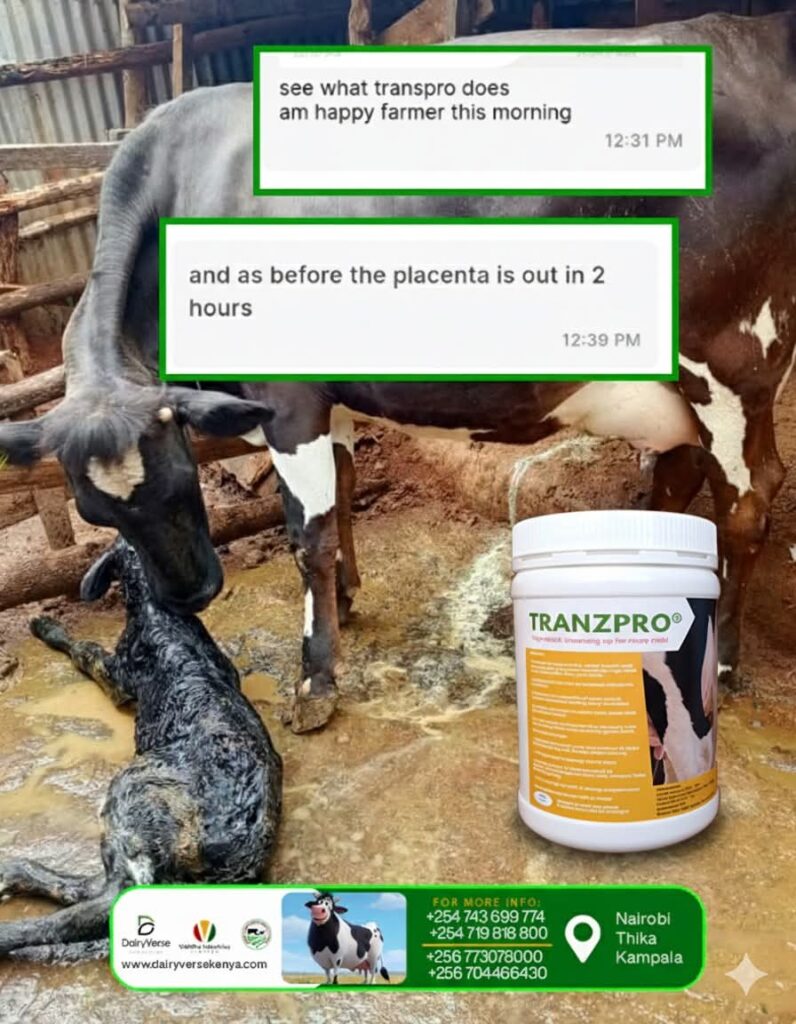
One of the best ways to support udder development is through Tranzpro®.
Tranzpro® is given 18 days before calving and continued for 36 days after. It helps the cow’s body prepare for milk production by promoting good udder health and strong tissue development. A well-developed udder means better milk let-down, more capacity for milk storage, and an easier start to lactation.

Beyond that, Tranzpro® also helps:

  • Keep the udder healthy and reduce swelling or infection risks
  • Prevent retained afterbirth
  • Improve appetite after calving
  • Speed up recovery in weak or sick cows
  • Boost milk production, especially in first-time heifers

In short, when you prepare the udder early, you prepare the cow for success after calving, and Tranzpro® is your partner in that journey.


End Delayed and Silent Heat with Fertility+®

When your cow delays coming on heat or shows no heat signs at all, it becomes hard to plan breeding — and that means lost time, milk, and income.
Fertility+® is specially formulated to help solve these problems.

It restores normal heat cycles, helps cows show clear heat signs, and promotes smoother, stress-free calving. With consistent daily use (50g per cow), Fertility+® boosts fertility, improves conception rates, and keeps your herd healthy and productive.

Comes in a 900-gram pack
🐄 For delayed and silent heat, and difficult calving

#FertilityPlus #DairyverseKenya #HealthyCows #BetterBreeding #DairyFarming #MilkProduction


What Happens When a Dairy Cow Lacks Nutrients and Minerals

A dairy cow’s body is like a factory, and milk is its final product. For that factory to run efficiently, it needs a balanced supply of nutrients and minerals every single day. When these essentials are missing, the cow’s system begins to break down from the inside out.

Nutrient deficiency affects every part of a cow’s life, from milk production and fertility to immunity and calf growth. Over time, it leads to poor performance, health challenges, and lower profits for the farmer.


1. Declining Milk Production and Energy

When a cow lacks vital nutrients, her metabolism slows down, and energy levels drop. This results in reduced milk yield, watery milk, or inconsistent quality.
Over time, she may lose body condition, become weaker, and struggle to reach her production peak.

How Dairyverse helps:
Booster+® enhances metabolism and energy use, allowing cows to convert feed efficiently into milk. It promotes faster recovery in cows that were previously sick, improves body condition, and increases overall milk yield — especially in cows that have been underperforming.


2. Reproductive Challenges and Delayed Heat

Nutrient and mineral imbalances often cause delayed heat cycles, silent heats, and low conception rates. These reproductive problems extend the calving interval and reduce long-term herd productivity.

How Dairyverse helps:
Fertility+® supports reproductive health by improving fertility, preventing silent and delayed heat, and reducing cases of difficult calving and retained placenta. It ensures better conception rates and healthier pregnancies in heifers and milking cows.


3. Weak Immunity and Slow Recovery

Deficiencies in minerals like selenium, zinc, and vitamins A, D, and E weaken a cow’s immune system. This exposes her to infections such as mastitis, retained afterbirth, and metabolic disorders.

How Dairyverse helps:
Tranzpro® strengthens the immune system and promotes udder health, helping cows resist infections. It boosts appetite after calving, speeds up recovery for sick or stressed cows, and supports faster transition into peak milk production.


4. Poor Growth and Stunted Calves

Young calves depend entirely on nutrition for growth and immunity. If the mother or calf lacks essential minerals and proteins, growth slows down, and immunity weakens. This can lead to stunted development and poor future performance.

How Dairyverse helps:
Ndamaplus® promotes steady weight gain, prevents stunted growth, reduces post-weaning stress, and builds strong immunity in calves. It also helps heifers reach maturity faster and come on heat at the right time, setting the foundation for a productive dairy future.


5. The Chain Reaction of Deficiency

Once nutrient imbalance starts, it triggers a chain reaction:

  • Milk yield drops
  • Fertility declines
  • Recovery slows
  • Calves grow weaker
  • Diseases increase

Eventually, the cow’s overall lifespan and productivity reduce, meaning higher costs and lower returns for the farmer.


Balanced Feeding: The Foundation of All Success

Even the best supplements can only perform their magic when the cow’s feeding is good. Proper roughage, water, and balanced rations create the foundation upon which Dairyverse products deliver their full benefits.

When feeding and supplementation work hand in hand, the result is visible:
💧 Higher milk yields
💪 Stronger immunity
❤️ Better fertility
🐄 Healthier cows and calves


Final Thought

Nutrients and minerals are not luxuries — they are life. A deficiency today becomes a costly problem tomorrow. Investing in the right balance of nutrition and Dairyverse products is the smartest way to protect your herd and boost productivity.

Dairyverse Kenya — Powering Dairy Farmers with Smart Nutrition Solutions.


What a Lactating Cow Really Needs to Keep Milk Flowing

A lactating cow is a cow that has recently calved and is producing milk to feed her calf—or for dairy production. During this period, her body requires high amounts of nutrients and energy to sustain milk production, recover from calving, and prepare for the next reproductive cycle.

To achieve high and consistent milk yield, it’s important to focus on what truly matters in her daily diet and management.


1. Balanced Energy and Protein Intake

A lactating cow uses a large portion of her energy for milk production. Feed her a diet rich in carbohydrates (for energy) and protein (for milk solids). Feeds such as maize silage, hay, and quality dairy meal should form the foundation of her daily ration.


2. Clean and Constant Water Supply

Milk is about 87% water, meaning dehydration can cause a sudden drop in milk yield. Provide clean, fresh water at all times, ideally allowing her to drink after every feeding session.


3. Mineral and Vitamin Supplements

Deficiencies in calcium, phosphorus, or trace minerals can affect both milk quality and the cow’s health. Always ensure she gets enough minerals and vitamins through mineral blocks or formulated mineral mixes to maintain her body functions and prevent metabolic diseases.


4. Proper Rest and Comfortable Environment

Resting promotes better rumination and milk letdown. Keep the shed dry, well-bedded, and well-ventilated to reduce stress and infections.


5. Use of Booster+® for Peak Performance

For even better results, give your cow Booster+® for 18 days.
It helps:
✅ Improve metabolism (how the body uses food and energy)
✅ Add more protein and energy to her diet
✅ Increase milk production
✅ Help cows come on heat at the right time
✅ Improve body condition and recovery after calving

With Booster+®, your lactating cow stays strong, productive, and in excellent body condition—ensuring a consistent milk flow and healthy reproductive cycle.


The Ultimate Heat Detection Playbook: Boost Your Dairy Farm’s Success Today”

best roducts for your cows


Mastering Heat Detection: A Simple Guide for Dairy Farmers


Mastering Heat Detection: A Simple Guide for Dairy Farmers on Spotting Cow Heat and Saving Your Herd with Fertility Plus

Hello, farmers. I am your lecturer today, talking straight like we are in a classroom on the farm. No big words, just clear talk. Listen well: if your cows don’t get pregnant on time, no milk comes, no calves grow, and your whole farm can fall apart. Debts pile up, money stops, and you lose everything you worked for. This is serious danger. In this lesson, I teach you how to see heat signs in cows, fight hidden problems like silent heat, and use Dairyverse’s Fertility Plus to fix things fast. Pay attention and act quick. Your farm needs this to survive.

Why Missing Heat is So Dangerous

A cow’s body cycle happens every span of 21 days or so. Heat time is short, only 12 to 18 hours. That’s when you must breed her. Miss it many times, and cows stay dry too long, no new babies, milk drops low. This is not small mistake. It leads to big loss in tough times when feed costs high and every empty cow eats your money without giving back. Bad food, stress, sickness make it worse, hiding the cycle and putting your farm at real risk.

Step 1: How to Spot Heat Signs in Your Cows

You must watch like a hawk. Check herd two times a day, morning and evening, for 20 to 30 minutes when cows move most. Put signs in two groups: main one (sure proof) and extra ones (helpful clues). Skip the small hints, and you lose the whole cycle, pushing your farm into trouble.

The Main Sign: Standing Still to Be Mounted

This proves she is ready. Cow stands quiet when others climb on her back, tail up, back bent. Don’t see this in field or shed? You miss breeding chance, and herd suffers more, money leaks away.

Extra Signs to Watch Close

These show near heat time, need fast notice. One alone may mean coming soon, many together mean do something now. Ignore, and problems grow big:

  • Restlessness and Upset: Walking back and forth, ears straight up, loud mooing, or staying alone. These warn of body changes inside. Miss them, cycles vanish.
  • Mounting Others: She climbs on cows but won’t stand for them. Sign heat close, wait too long and chance gone.
  • Body Changes: Private part swollen and red, clear sticky discharge like string, messy hair on tail or mud on sides from moving. See these? Act or breeding fails bad.
  • More Behaviors: Pee more, sniff others a lot, eat less, milk goes down a bit. Small things, but they predict big disaster if not fixed quick.
Helpful Tools: Big herd? Use paint on tail, stick-on patches, or trackers that count steps. Hot weather or slippery ground hide signs, make danger bigger. Don’t guess, use help.

Step 2: Fighting the Hidden Danger of Silent Heat

Silent heat means cycle runs but no signs show. It’s a quiet killer, from wrong hormones, womb infection, poor feed, or slow recovery after birth. Hits without warning, leaves cows empty, eating your feed for nothing, profits gone, farm close to end. Cow no heat by 60 days after calf, or cycles messy? Your business in big danger right now. Jump in fast, or watch everything crash.

Step 3: Using Fertility Plus to Stop Crisis and Bring Back Cycles

Dairyverse Fertility Plus is strong help, uses special Restore+ to clean womb toxins, fix hormones, start heat again. Real farm tests show heat back in 18 to 36 days, cuts failed breedings, saves farms from edge. No this, problems kill all. Grab it to take back power.

How to Use It Right:

  • When to Start: First trouble sign, like delay after birth, young cows not ready, or silent heat sure. Wait, and damage stays forever.
  • Dose and Way: 900-gram pack full of good stuff. Give 50 grams each day in feed or water. Keep going till heat shows, watch close every day.
  • What Happens: Hormones balance quick, silent heat ends, signs strong, breeding success up maybe 50%. Add vet check and good food to make strong.
  • Careful Notes: Follow rules exact, keep pack cool dry place. Talk doctor for deep sickness. Fertility Plus saves, but daily care prevents worse.

Farms with this see steady cows, milk back, danger gone. Shows quick move works.

Last Word: Protect Your Farm Today

Breeding fails not just problem, it’s threat to all you have. Learn heat watch, kill silent risks, add Fertility Plus to guard herd and future. Call Dairyverse now at +254 743 699 774 or go dairyversekenya.com. Do nothing today, farm dies tomorrow. Make this priority, keep your dairy alive strong. Questions? Ask in class end.

Did you know that you can check your herd to test if your cow is in calf? Yes, simple ways like watching for no heat signs after breeding, feeling a bump in the belly later on, or calling a vet for a quick rectal check or ultrasound around 45 to 60 days after. Catch it early, and your herd stays on track!
Follow us on Dairyverse Academy, dairyverse.net, and Dairyverse to learn more.


Canola Meal: A Powerful Nutritional Booster for Your Cows

Feeding cows a balanced diet is essential for maintaining their health, productivity, and overall well-being. One feed ingredient that has gained significant attention in modern dairy and beef nutrition is canola meal. Derived from the seeds of the canola plant after oil extraction, canola meal is a protein-rich supplement that provides numerous benefits for cattle.

1. High-Quality Protein Source

Canola meal is packed with highly digestible protein, which is crucial for the growth and maintenance of cows. Proteins are the building blocks of muscles, tissues, and enzymes, and they play a key role in milk production. Feeding cows canola meal ensures that they get enough amino acids, which directly improve milk yield and quality in dairy cows and support weight gain in beef cattle.

2. Improves Digestive Health

Cows are ruminants, which means their digestive system relies heavily on microbial activity in the rumen to break down feed. Canola meal is rich in fiber and essential nutrients that promote healthy rumen function. This supports proper fermentation, nutrient absorption, and reduces the risk of digestive problems like bloating.

3. Supports Immunity and Overall Health

Canola meal contains essential vitamins and minerals, including calcium, phosphorus, and magnesium, which help strengthen the cow’s immune system. A healthy cow is less prone to diseases, infections, and stress-related conditions, which ultimately reduces veterinary costs and improves productivity.

4. Enhances Fertility and Reproductive Performance

Adequate protein and nutrient supply from canola meal can positively impact reproductive health. Well-nourished cows tend to come into heat on time and have better conception rates. This is particularly important for maintaining an efficient breeding program in both dairy and beef herds.

5. Economical and Efficient Feed Supplement

Canola meal is not only nutritious but also cost-effective. It can be included in various feeding systems, mixed with other grains, forage, or concentrates, allowing farmers to optimize their feed without significantly increasing costs. Its balanced nutrient profile ensures cows get the maximum benefit from every kilogram fed.


How to Feed Canola Meal to Cows

  • Incorporate gradually: Introduce canola meal slowly to allow the rumen microbes to adapt.
  • Mix with other feeds: Combine with silage, hay, or grains for a balanced diet.
  • Follow recommended amounts: Typically, canola meal can make up 10–20% of the total diet for dairy or beef cows, but consult a nutritionist for precise recommendations.

Conclusion:
Canola meal is a nutrient-dense, high-protein feed that benefits cows at every stage, whether they are growing calves, lactating cows, or breeding stock. By supporting growth, milk production, immunity, and reproductive health, it ensures your herd stays healthy and productive. For any farmer aiming to boost efficiency and cow wellness, canola meal is a simple, natural, and effective solution.


How to Identify a High Yielder in Your Dairy Herd

In dairy farming, not all cows perform at the same level. Some produce significantly more milk, maintain strong fertility, and stay healthier compared to others. These cows are known as high yielders, and identifying them is crucial if you want to maximize your farm’s productivity and profits. But how do you spot a true high yielder in your herd? Here are the key signs and traits to look for:


1. Milk Production Records

The most reliable way to identify a high yielder is by consistent milk production records. A high-yielding cow should produce milk steadily throughout her lactation cycle, not just peak for a few weeks.

  • Check your daily or weekly yield records.
  • Compare each cow’s output against the herd average.
  • A high yielder will always be above the average.

2. Strong Fertility and Calving Regularity

High-yielding cows don’t just produce more milk, they also reproduce efficiently.

  • A high yielder often has a regular calving interval (12–14 months).
  • She comes on heat quickly after calving and conceives easily.
  • Each successful calving means a fresh lactation cycle, keeping her production high.

3. Good Body Condition and Feed Efficiency

A high yielder uses feed efficiently. She doesn’t waste energy but converts feed into milk effectively.

  • She maintains a balanced body condition score (BCS) – not too thin, not overly fat.
  • She shows good appetite and rarely struggles with feed intake.
  • Her rumen activity is active and healthy, meaning she digests and absorbs nutrients well.

4. Healthy Udder and Teats

Udder health is directly linked to milk yield.

  • A high yielder has a well-developed udder with strong suspensory ligaments.
  • Teats are evenly spaced, making milking easy and efficient.
  • She has low cases of mastitis or udder infections.

5. Behavior and General Health

High-yielding cows often stand out because of their vitality.

  • They are alert, active, and move comfortably.
  • They rarely fall sick because their immunity is stronger.
  • They adapt well to changes in feed or environment compared to low yielders.

6. Genetic Background

Sometimes, the secret to high yield is in the bloodline.

  • Cows from high-producing families are more likely to yield more milk.
  • Keeping proper breeding records helps you trace and maintain strong genetics in your herd.

In summary: A high yielder is not just a cow that produces more milk today. She is a cow that combines consistent high production, good fertility, feed efficiency, udder health, and strong genetics. Identifying and keeping such cows in your herd is one of the best long-term strategies for profitable dairy farming.


Understanding Mastitis in Dairy Cows: Types, Causes, Prevention, and Veterinary Guidance

Mastitis remains one of the most common and costly diseases in dairy farming. It affects milk production, compromises animal welfare, and reduces farm profitability. This inflammation of the mammary gland, often triggered by bacterial infections, can lead to serious losses if not prevented or managed early.

In this guide, we’ll break down the types of mastitis, its causes (animal, feed, and environmental), prevention strategies, and when to involve a veterinarian.


What is Mastitis in Dairy Cows?

Mastitis is an inflammation of the udder tissue, usually caused by bacteria entering through the teat canal. It disrupts milk production and quality, resulting in:

  • Economic losses (discarded milk, lower yields, higher culling rates)
  • Animal stress and poor udder health

While bacteria are the main culprits, other triggers like trauma, poor environment, or weak immunity can contribute.

👉 Early detection and good management are key to protecting your herd.


Forms and Types of Mastitis

1. Clinical Mastitis

  • Easy to spot with swelling, redness, pain, or abnormal milk (clots, watery, or discolored).
  • Severe cases may include fever and loss of appetite.

2. Subclinical Mastitis

  • No visible symptoms but detected by high somatic cell counts (SCC).
  • Leads to gradual yield and quality losses.

3. Contagious Mastitis

  • Spreads cow-to-cow during milking through equipment or hands.
  • Pathogens: Staphylococcus aureus, Streptococcus agalactiae.

4. Environmental Mastitis

  • Originates from bedding, manure, or water.
  • Pathogens: E. coli, Klebsiella.
  • Worse in poorly ventilated or dirty housing.

5. Other Forms

  • Summer Mastitis: Carried by flies in pastures, especially in dry cows or heifers.
  • Gangrenous Mastitis: Rare, severe type with tissue death (udder turns cold/blue).

Causes of Mastitis

Animal Factors

  • Poor teat or udder shape (damaged, inverted)
  • Older cows with worn teat muscles
  • Low immunity after calving or stress
  • Previous infections leaving scar tissue
  • Genetic predisposition

Feeding & Nutrition

  • Deficient diets → weak immune system
  • Lack of vitamins A, E and trace minerals like selenium, zinc, copper
  • Poor transition-period feeding (dry-off & early lactation)
  • Overfeeding/underfeeding → metabolic stress

Environment & Management

  • Dirty, wet bedding → bacteria thrive
  • High stocking density → manure buildup
  • Poor milking hygiene or faulty equipment
  • Hot, humid conditions, poor ventilation
  • Fly infestations in pastures

Preventing Mastitis

Hygiene & Milking Practices

  • Pre- and post-milking teat disinfection
  • Clean, well-maintained machines
  • Milk infected cows last or separately

Housing & Environment

  • Keep bedding clean and dry
  • Provide good ventilation and space
  • Control flies and pests, especially in summer

Nutrition & Immunity

  • Balanced rations with high-quality forage & concentrates
  • Add trace element supplements for immunity support
  • Supplements like Restore+ (Booster+, Tranzpro) from the Dairyverse range help:

    • Improve antioxidant defenses
    • Strengthen white blood cell activity
    • Reduce mastitis recurrence
    • Support smooth recovery during calving or dry-off

👉 A cow with strong immunity resists mastitis naturally.


Monitoring and Herd Health

  • Regular milk testing (SCC) to detect subclinical cases
  • Vaccinations where applicable
  • Record mastitis cases to identify chronic cows
  • Routine udder checks by trained staff

Signs to Watch For

Call a vet if you notice:

  • Abnormal milk (clots, flakes, watery, bloody)
  • Udder swelling, hardness, or pain
  • Cow isolates herself, eats less, or appears dull
  • Severe cases: fever, rapid breathing, or cold/discolored udder

🚨 Emergency Vet Call:

  • High fever, depression, or toxemia
  • Multiple quarters affected
  • Milk production suddenly drops
  • No improvement after supportive care

Final Takeaway

Mastitis is best managed through hygiene, environment, balanced feeding, and strong immunity.
By combining good practices with nutritional support like Restore+ supplements, farmers can protect their herds, reduce losses, and maintain productivity.


Dairyverse Products: Powering Healthier, More Productive Herds

The success of any dairy farm depends on the health, fertility, and productivity of its cows. At Dairyverse, we understand the everyday challenges farmers face—milk fever, low yields, poor fertility, and disease outbreaks—and we provide science-backed solutions tailored to Kenya’s dairy realities.

Our product line includes:

  • Restore+® – A mineral-rich supplement that boosts immunity, improves calcium absorption, and reduces risks of milk fever, mastitis, and weak calvings.
  • Booster+® – A high-energy supplement that increases appetite, supports higher milk yields, and restores body condition during early lactation.
  • Fertility+® – Packed with essential vitamins and trace elements to strengthen reproductive health, reduce retained placenta, and enhance conception rates.
  • Tranzpro® – A transition-period support formula that smooths calving, prevents metabolic disorders, and ensures healthier fresh cows.
  • MimbaCheck® – A simple, reliable pregnancy test kit for cows, goats, and sheep—helping farmers confirm early and plan breeding effectively.

Every Dairyverse product is designed with one goal in mind: to help farmers get more from every cow, every season. By combining proper nutrition, health monitoring, and farmer-friendly innovations, Dairyverse is turning challenges into opportunities—ensuring happier cows, healthier herds, and profitable farms.