Grass-Fed vs. Grain-Fed Beef: What’s the Difference?

In recent years, the debate between grass-fed and grain-fed beef has gained momentum as consumers become more conscious of their dietary choices and their impact on health and the environment. While both types of beef provide protein and essential nutrients, they differ significantly in how the cattle are raised, their nutritional profiles, and their overall effects on human health. Understanding these differences can help consumers make informed choices.


Raising Methods: How Are They Different?

Grain-Fed Beef:

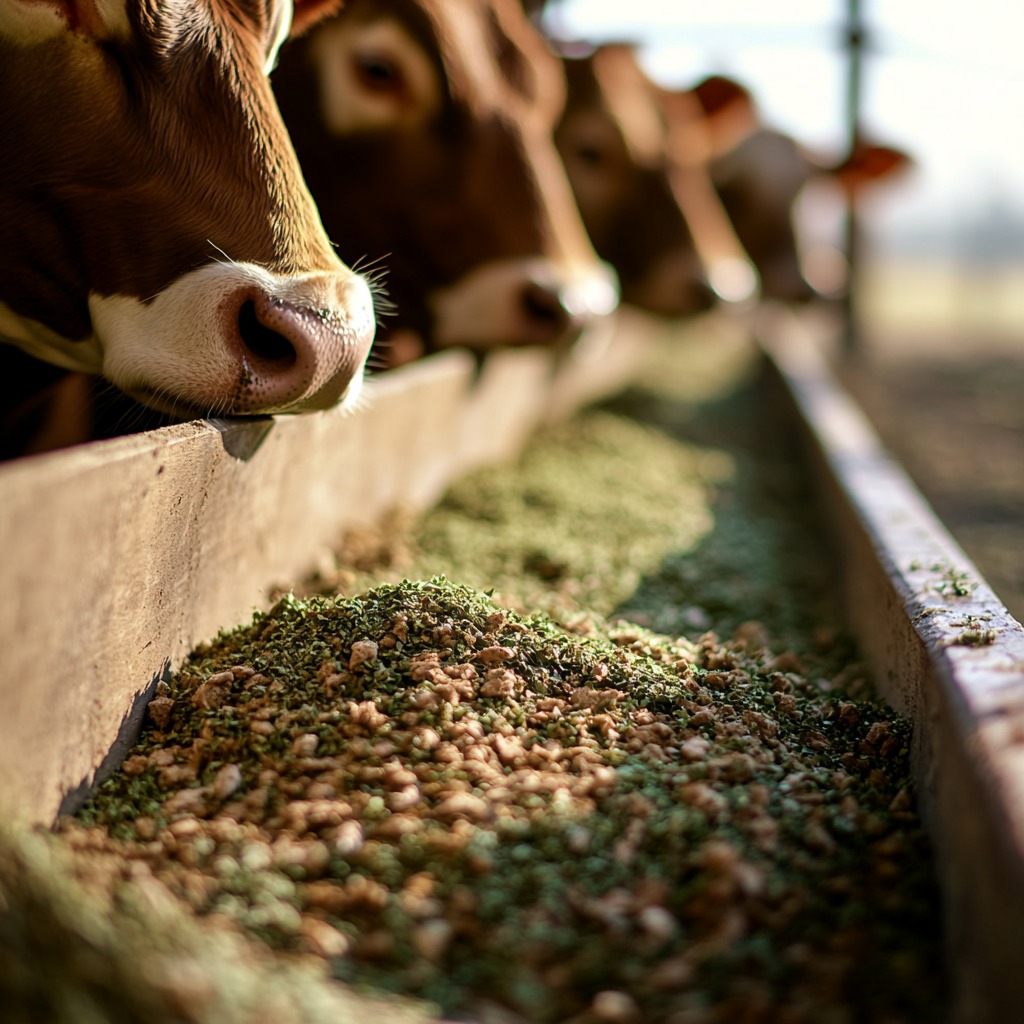
  • Grain-fed cattle are typically raised in confined feedlots, also known as concentrated animal feeding operations (CAFOs).
  • Their diet consists primarily of grains such as corn and soy, along with grain by-products.
  • These cattle are often given growth hormones and antibiotics to maximize growth and prevent disease.
  • The goal of grain-feeding is to produce larger cattle with more fat, resulting in a marbled texture that is considered desirable in many markets.

Grass-Fed Beef:

  • Grass-fed cattle graze on pasture and consume only grass or forage for their entire lives.
  • They are not typically confined to feedlots and are allowed to roam freely, mimicking their natural environment.
  • Grass-fed cattle generally take longer to reach market weight since they do not consume calorie-dense grains.
  • In many cases, grass-fed beef is raised using organic and sustainable farming practices.

Nutritional Differences

The differences in diet lead to distinct nutritional profiles between grass-fed and grain-fed beef. Here’s how they compare:

Grain-Fed Beef:

  • Higher in total fat and saturated fat, making it more calorie-dense.
  • Contains higher levels of inflammatory omega-6 fatty acids.
  • May have lower levels of essential nutrients like omega-3s and antioxidants.
  • Often criticized for being greasy and less beneficial for heart health.

Grass-Fed Beef:

  • Leaner with a lower total fat content, leading to a slightly different texture and taste.
  • Richer in omega-3 fatty acids, which are known for their anti-inflammatory properties and benefits for heart and brain health.
  • Higher in antioxidants, including vitamin E and beta-carotene, which support immune function and skin health.
  • Contains more conjugated linoleic acid (CLA), which has been linked to improved metabolism and reduced body fat.

Health Implications

Due to its higher omega-3 and antioxidant content, grass-fed beef is often considered the healthier option. Some of the benefits include:

  • Better Heart Health: The higher levels of omega-3s in grass-fed beef can support cardiovascular function and reduce inflammation.
  • Lower Risk of Chronic Disease: The balance of fatty acids in grass-fed beef may lower the risk of conditions like obesity, diabetes, and heart disease.
  • Improved Nutrient Intake: The increased presence of vitamins and antioxidants in grass-fed beef can contribute to overall wellness and immune function.

However, grain-fed beef is often more accessible and affordable, making it the preferred choice for many consumers. While it may have a higher fat content, moderation and a balanced diet can help mitigate potential health risks.


Environmental and Ethical Considerations

Grass-fed beef is often associated with more sustainable and humane farming practices. Since these cattle graze on natural pastures, they contribute to soil health and biodiversity. Conversely, grain-fed cattle raised in feedlots require significant amounts of grain, water, and land, leading to higher environmental impacts such as deforestation, soil degradation, and increased greenhouse gas emissions.

From an ethical standpoint, grass-fed cattle typically have better living conditions compared to those in confined feedlots. The freedom to graze and a more natural diet align with humane farming practices.


Which One Should You Choose?

The decision between grass-fed and grain-fed beef depends on personal preferences, health goals, and budget considerations. Here are some key takeaways:

  • If you prioritize health benefits, grass-fed beef is the superior choice due to its leaner profile and higher levels of beneficial nutrients.
  • If taste and texture are your main concerns, grain-fed beef is often more tender and marbled, which some people prefer.
  • If sustainability and ethics matter to you, grass-fed beef is a more environmentally friendly and humane option.
  • If cost and accessibility are major factors, grain-fed beef is typically more affordable and widely available.

Regardless of the choice, it is essential to consume beef as part of a balanced diet that includes a variety of nutrient-dense foods. Opting for quality sources and considering the impact of your dietary choices can lead to better health and a more sustainable food system.


Final Thoughts

The grass-fed vs. grain-fed beef debate highlights the importance of understanding where food comes from and how it impacts health and the environment. While both options have their advantages, grass-fed beef stands out as a healthier and more sustainable choice. However, personal preferences and budget constraints also play a crucial role in making the best decision for you and your family. As awareness grows, more consumers are seeking transparent labeling and ethical sourcing, making it easier to choose high-quality beef that aligns with their values.



The Difference Between Straw and Hay

Many people confuse straw and hay, but these two materials serve entirely different purposes in farming and animal care. While they may appear similar at first glance, understanding their distinctions is crucial for their proper use.

What Is Straw?

Straw is the dry, yellow stalk left behind after crops such as wheat, barley, or oats have been harvested. These stalks are hollow and lightweight, making them an excellent material for insulation and bedding. Farmers and pet owners often use straw in barns, doghouses, and outdoor animal shelters to provide warmth and comfort. Since straw does not absorb moisture well, it remains dry and helps keep animals warm in colder months.

What Is Hay?

Hay, on the other hand, is a green, nutritious plant material harvested and dried specifically to feed animals. It is made from grasses or legumes such as alfalfa and timothy grass, providing essential nutrients to livestock like cows, goats, horses, and rabbits. Unlike straw, hay is designed to retain moisture, which helps animals stay hydrated and nourished. However, this moisture-retaining quality makes hay unsuitable for bedding, as it can become damp, leading to mold and freezing conditions in cold weather.

What Is More Nutrient-Rich?

When it comes to nutritional value, hay is significantly more nutrient-rich than straw. Hay is grown and harvested specifically for animal consumption, containing essential vitamins, minerals, and proteins that help maintain livestock health. Straw, on the other hand, is a byproduct of harvested crops and has minimal nutritional content, making it unsuitable as a primary food source for animals.

Key Differences

  1. Color & Composition

    • Straw: Yellow, hollow, and dry.
    • Hay: Green, leafy, and moisture-retaining.

  2. Purpose

    • Straw: Used for bedding and insulation.
    • Hay: Used as food for livestock.

  3. Absorption

    • Straw: Does not absorb moisture, keeping animals warm and dry.
    • Hay: Absorbs moisture, making it unsuitable for bedding.

Practical Uses

  • Straw is best used in barns, outdoor shelters, and pet enclosures as bedding material.
  • Hay is essential for feeding animals and should be stored properly to prevent mold growth.

Conclusion

While straw and hay may look alike, their uses are vastly different. Straw is an excellent bedding material due to its insulating properties, while hay provides essential nutrition to livestock. Understanding their differences ensures that animals receive the proper care, whether through comfortable bedding or a nutritious diet.


Top 5 Essential Nutrients for Dairy Cows: A Guide to Optimal Health and Milk Production

Dairy cows require a balanced and nutrient-rich diet to maintain their health, support reproduction, and maximize milk production. Proper nutrition plays a crucial role in boosting milk yield, improving fertility, and ensuring overall well-being. In this article, we’ll break down the top five essential nutrients for dairy cows and their significance.


1. Energy (Carbohydrates & Fats)

Why It’s Important

Energy is the foundation of a dairy cow’s diet. It fuels all bodily functions, including milk production, body maintenance, and reproduction. A lack of sufficient energy can lead to reduced milk yield, poor growth, and metabolic disorders.

Best Energy Sources

  • Carbohydrates: Corn, wheat, barley, oats, silage, molasses
  • Fats: Cottonseed, vegetable oils, animal fats (used in controlled amounts)

Benefits of Energy in Dairy Cows

✔️ Supports milk production
✔️ Prevents weight loss and body condition deterioration
✔️ Ensures efficient digestion and metabolism
✔️ Improves fertility and reproductive performance


2. Protein

Why It’s Important

Protein is essential for muscle development, growth, and milk protein synthesis. Cows require both rumen-degradable protein (RDP) and bypass protein (UDP) to support their metabolic processes.

Best Protein Sources

  • Plant-based proteins: Soybean meal, canola meal, cottonseed meal, alfalfa hay
  • Animal-based proteins: Fish meal, meat, and bone meal (where permitted)

Benefits of Protein in Dairy Cows

✔️ Helps develop strong muscles
✔️ Enhances milk protein quality
✔️ Supports growth in heifers and young stock
✔️ Improves immune function and reproductive health


3. Vitamins

Why They’re Important

Vitamins are critical for immune function, reproduction, and metabolism. Dairy cows require specific vitamins to prevent deficiencies and health issues.

Essential Vitamins & Their Roles

  • Vitamin A – Supports vision, reproduction, and immune health
  • Vitamin D – Essential for calcium absorption and strong bones
  • Vitamin E – Boosts immune function and prevents muscle weakness

Best Vitamin Sources

  • Green forages, pasture grasses, and silage
  • Sunlight exposure (for Vitamin D synthesis)
  • Commercial vitamin supplements

Benefits of Vitamins in Dairy Cows

✔️ Strengthens bones and skeletal health
✔️ Enhances fertility and reproduction
✔️ Prevents oxidative stress and cell damage
✔️ Boosts immune system function


4. Minerals

Why They’re Important

Minerals play a crucial role in milk production, bone health, and metabolic regulation. Deficiencies in key minerals can lead to reduced milk yield, reproductive issues, and metabolic disorders.

Key Minerals & Their Benefits

  • Calcium & Phosphorus – Essential for strong bones and milk production
  • Magnesium – Prevents metabolic disorders like grass tetany
  • Sodium & Potassium – Helps maintain electrolyte balance and hydration
  • Selenium & Zinc – Improves immune response and reproduction

Best Mineral Sources

  • Mineral licks and commercial supplements
  • Legume forages, limestone, and dicalcium phosphate
  • Salt blocks and fortified feed concentrates

Benefits of Minerals in Dairy Cows

✔️ Strengthens bones and skeletal structure
✔️ Improves milk production and quality
✔️ Enhances fertility and reproductive health
✔️ Supports metabolic functions


5. Water

Why It’s Important

Water is the most essential nutrient in a dairy cow’s diet. Milk is approximately 87% water, making hydration crucial for maintaining high milk yields and overall health.

How Much Water Does a Dairy Cow Need?

A lactating dairy cow consumes 80-120 liters (20-30 gallons) of water per day, and even more during hot weather.

Best Water Sources

  • Clean and fresh drinking water
  • Troughs with automatic refill systems
  • Cool, accessible water sources in pastures

Benefits of Water for Dairy Cows

✔️ Supports digestion and nutrient absorption
✔️ Helps maintain body temperature
✔️ Ensures high milk yield and quality
✔️ Prevents dehydration and heat stress


Conclusion

Providing dairy cows with a well-balanced diet rich in energy, protein, vitamins, minerals, and water is essential for optimal milk production, reproductive success, and long-term health. A nutrient-deficient diet can lead to low productivity, poor fertility, and various health issues.

By ensuring that your cows receive these five essential nutrients, you will maximize their milk yield, improve their well-being, and enhance overall farm productivity.

🐄 Healthy cows = High milk production = More farm profits! 🥛


5 Ways to Extend Your Cow’s Lactation Period for Higher Milk Yield

Maintaining a longer lactation period in dairy cows is key to maximizing milk production while ensuring cow health and farm profitability. A well-managed lactation can result in increased milk yields and better reproductive performance. Here are five scientifically-backed methods to extend your cow’s lactation period:


1. Optimize Nutrition Throughout Lactation

Proper feeding is one of the most crucial factors in extending the lactation period. Cows require a balanced diet that meets their changing energy, protein, and mineral needs throughout lactation.

Key Nutritional Strategies:

  • Early Lactation (0–90 Days Post-Calving): Increase energy intake by offering high-quality forages, concentrates, and grains to prevent rapid weight loss.
  • Mid-Lactation (90–180 Days Post-Calving): Maintain a steady diet with a balance of protein and fiber to sustain milk production.
  • Late Lactation (180+ Days Post-Calving): Gradually increase fiber and maintain energy levels to avoid a sharp drop in milk yield.

Tranzpro®: A Powerful Solution for Dairy Producers

One effective way to support optimal nutrition and extend lactation is by incorporating Tranzpro®, a scientifically formulated nutritional supplement that enhances cow health and productivity.

How Tranzpro® Supports Milk Production and Extends Lactation:

  1. Udder Health Improvement:

    • Tranzpro® promotes better udder health, ensuring optimal milk production in pregnant heifers after calving.
    • Healthy udders reduce the risk of mastitis and infections, which can shorten lactation.

  2. Risk Prevention:

    • The supplement reduces the risk of retained afterbirth, a common postpartum issue that can weaken cows and impact their milk yield.
    • A healthier cow means a longer, more productive lactation period.

  3. Appetite Boost in Early Lactation:

    • Many cows experience reduced appetite post-calving, leading to nutritional deficiencies and poor milk production.
    • Tranzpro® stimulates appetite, ensuring cows consume enough energy and nutrients to sustain peak milk production.

  4. Accelerating Peak Milk Production:

    • Tranzpro® helps cows reach their peak milk production faster and sustain it for longer.
    • This translates to higher milk yield over an extended period, benefiting both cow and farm profitability.

  5. Faster Recovery for Postpartum Cows:

    • After giving birth, some cows may struggle with metabolic issues or infections, reducing lactation efficiency.
    • Tranzpro® provides targeted nutritional support, helping cows recover faster and resume high milk production levels.

By incorporating Tranzpro® into dairy nutrition plans, farmers can boost lactation persistency, reduce health risks, and increase overall milk production efficiency.


2. Improve Milking Management and Frequency

Frequent and proper milking stimulates the mammary glands and extends lactation. Cows should be milked consistently at least twice or three times per day, depending on the breed and milk yield.

Best Practices for Milking:

  • Use consistent milking schedules to maintain udder stimulation.
  • Practice proper hygiene to prevent mastitis, which can shorten lactation.
  • Adopt precision milking (automated milking systems) to improve efficiency and cow comfort.

Tip: Studies suggest that three-time daily milking can increase milk production by 10-15% compared to twice-a-day milking.


3. Manage Body Condition Score (BCS) Effectively

Body Condition Score (BCS) directly impacts lactation performance. A cow that is too thin (BCS < 2.5) will struggle to maintain milk production, while an overweight cow (BCS > 4.0) may have metabolic issues.

BCS Recommendations for a Longer Lactation:

  • Target BCS at Calving: 3.0 – 3.5
  • BCS at Peak Lactation: 2.5 – 3.0
  • BCS at Dry-Off: 3.0 – 3.5

Tip: Regular BCS monitoring helps adjust feed intake and prevent metabolic disorders like ketosis and fatty liver disease.


4. Improve Cow Comfort and Stress Management

Stress negatively impacts milk yield and lactation length. Dairy cows need an optimal environment that minimizes heat stress, overcrowding, and discomfort.

Ways to Enhance Cow Comfort:

  • Provide well-ventilated barns or shaded areas to reduce heat stress.
  • Ensure clean, dry bedding for resting comfort.
  • Allow adequate space in barns and grazing areas to minimize aggression and stress.
  • Use fans, misting systems, and proper cooling techniques in hot climates.

Tip: Research indicates that heat-stressed cows may have up to 20% shorter lactations due to lower feed intake and hormonal imbalances.


5. Implement Strategic Breeding and Hormonal Management

Breeding strategies play a role in extending lactation. Cows should not be bred too early, as a new pregnancy can reduce lactation persistency. Instead, timing insemination properly can help maintain milk yield longer.

Breeding Recommendations for Extended Lactation:

  • Delayed breeding: Instead of rebreeding at 60 days post-calving, waiting until 100–150 days can prolong lactation.
  • Use of hormonal synchronization: Proper oxytocin stimulation and reproductive hormone management can maintain lactation persistency.
  • Selective breeding: Choose genetics that favor longer lactation curves and better persistency (e.g., Holstein and Jersey breeds).

Tip: Genetic selection for high-persistency cows can naturally extend lactation periods by 20–30 days longer than average cows.


Final Thoughts

Extending a cow’s lactation period requires a holistic approach combining nutrition, milking frequency, cow comfort, and breeding strategies. Incorporating Tranzpro® into the feeding program can play a crucial role in enhancing udder health, improving appetite, and accelerating milk production, ultimately leading to a longer and more productive lactation period.

📌 Take Action:
✔️ Review and adjust your cows’ feeding regimen with Tranzpro®.
✔️ Maintain a consistent milking schedule and hygiene.
✔️ Monitor Body Condition Score (BCS) regularly.
✔️ Enhance cow comfort to reduce stress.
✔️ Plan strategic breeding for optimal lactation length.


Can I Deworm My Cow a Week After Calving?

Deworming is an essential part of dairy and beef cow management, but the timing matters—especially for a cow that recently calved. If your cow gave birth a week ago, you may be wondering whether it is safe and beneficial to administer deworming medication.

Is It Safe to Deworm a Cow One Week After Calving?

Yes, you can deworm your cow a week after calving, but there are a few important factors to consider:

  1. Cow’s Health Condition – If your cow is weak, struggling with postpartum stress, or showing signs of illness, it is best to wait until she fully recovers before administering dewormers.
  2. Milk Withdrawal Period – If your cow is lactating, ensure the dewormer you choose is safe for milking cows. Some dewormers have a withdrawal period, meaning the milk should not be consumed for a specific number of days after treatment.
  3. Type of Dewormer – Injectable, pour-on, and oral dewormers are available, and the best option depends on the parasite load, farm conditions, and whether the cow is on pasture. Consulting a veterinarian helps determine the most effective product.
  4. Parasite Burden and Environment – If your farm has a high worm load or your cow was not dewormed before calving, treating her now can improve her recovery and milk production.

When Is the Best Time to Deworm After Calving?

The ideal time for deworming depends on your herd’s parasite management plan. Many farmers deworm cows:

  • Before calving (in late pregnancy) to reduce parasite transmission to the calf.
  • A few weeks after calving when the cow has regained strength and resumed a normal feeding routine.

Signs That Your Cow Needs Deworming

If your cow is showing any of the following signs, deworming may be necessary:
Weight loss or poor body condition
Reduced appetite or low milk production
Diarrhea or rough hair coat
Visible worms in manure

Final Recommendation

If your cow is healthy and strong, deworming one week after calving is generally safe. However, always check the type of dewormer, follow dosage recommendations, and ensure it is suitable for lactating cows. For the best results, consult a veterinarian to create a deworming schedule tailored to your farm’s needs.


Reviving a Newborn Calf That Isn’t Breathing: A Farmer’s Guide

The birth of a calf is an exciting moment for any dairy or beef farmer, but sometimes newborns struggle to take their first breath. If a calf is born weak or unresponsive, immediate intervention can mean the difference between life and death. This article explores practical steps to help a newborn calf start breathing.

Why Do Some Calves Struggle to Breathe at Birth?

Several factors can cause a newborn calf to have difficulty breathing:

  1. Difficult Birth (Dystocia) – Prolonged labor can cause oxygen deprivation.
  2. Fluid Blockage – Mucus in the airways can prevent proper breathing.
  3. Weakness or Stress – Some calves are born weak due to poor fetal development or a stressful birth.

Steps to Stimulate Breathing in a Newborn Calf

1. Clear the Airways

  • Gently remove mucus and fluids from the calf’s nose and mouth using a clean cloth or suction bulb.
  • Elevating the calf’s hind legs for a few seconds can help drain excess fluids.

2. Position the Calf Correctly

  • Lay the calf on its chest with its legs tucked underneath. This allows the lungs to expand properly.

3. Stimulate Breathing

If the calf is still not breathing:

  • Rub the chest vigorously – This stimulates circulation and encourages the calf to breathe.
  • Hang the calf upside down briefly – As seen in the illustration, this can help clear fluid from the lungs. However, this should only be done for a short time, as it may also restrict lung expansion.
  • Use a breathing stimulant – If available, medications like Dopram-V can help encourage respiration.

4. Perform Artificial Respiration (if needed)

If the calf remains unresponsive:

  • Close the calf’s mouth and gently blow into one nostril while blocking the other.
  • Repeat at 30-second intervals until the calf starts breathing.

5. Keep the Calf Warm and Monitor Recovery

  • Dry the calf thoroughly and place it in a warm, dry area.
  • Ensure the calf receives colostrum within the first few hours to boost immunity and energy levels.

When to Call a Veterinarian

If the calf remains weak or struggles to breathe after initial efforts, seek veterinary assistance immediately.

Conclusion

Every second counts when reviving a newborn calf. Clearing the airways, stimulating breathing, and providing warmth are critical steps to saving a struggling calf. By understanding these techniques, farmers can improve calf survival rates and ensure a strong start to life.


The Benefits of Goat Milk

Goat milk is a highly nutritious dairy product, packed with essential vitamins, minerals, and proteins that promote good health. It is easier to digest than cow milk and contains lower lactose levels, making it a suitable alternative for individuals with lactose intolerance. Additionally, goat milk offers the following benefits:

  • Rich in Nutrients: It contains calcium, magnesium, phosphorus, and vitamins A, B2, and D, which support strong bones, immune function, and overall health.
  • Easier Digestion: The fat molecules in goat milk are smaller than those in cow milk, making it easier to digest and absorb.
  • Boosts Immunity: Goat milk has natural antimicrobial properties, helping protect against infections and diseases.
  • Supports Heart Health: The high levels of medium-chain fatty acids in goat milk help regulate cholesterol and maintain a healthy heart.
  • Ideal for Kids and Adults: Due to its high protein and essential nutrient content, goat milk is an excellent choice for growing children and adults looking to maintain a balanced diet.

Maximizing Goat Milk Production

Increasing goat milk production requires proper nutrition, adequate care, and maintaining the overall health of the goats. Some essential tips to enhance milk yield include:

  1. Proper Nutrition: A well-balanced diet rich in proteins, vitamins, and minerals is crucial. Supplementing with high-energy feeds improves milk yield.
  2. Hydration: Ensuring goats have access to clean water enhances digestion and overall milk production.
  3. Good Breeding Practices: Selecting high-yielding dairy goat breeds such as Alpine, Saanen, and Toggenburg improves production.
  4. Regular Milking: Milking goats at consistent intervals helps maintain a steady milk supply.
  5. Disease Prevention: Vaccinations, parasite control, and regular health checks prevent diseases that can reduce milk yield.

Introducing MbuziPro – The Ultimate Supplement for Sheep and Goats

To further boost the productivity and health of goats and sheep, MbuziPro is a revolutionary high-protein and energy supplement designed for livestock. It is an ideal product for farmers looking to enhance milk production, fertility, and overall body condition in their herds.

Key Benefits of MbuziPro

  • Increases Weight Gain: MbuziPro supports healthy growth in sheep and goats, ensuring better meat yield.
  • Enhances Fertility: It improves reproductive efficiency, leading to better kidding rates.
  • Speeds up Recovery: MbuziPro aids in the fast recovery of previously ill goats and sheep.
  • Maximizes Milk Yield: Ideal for dairy goat farmers, it boosts milk production significantly.
  • Improves Body Condition & Coat Health: Enhances the overall body condition of livestock, making them look healthier with smoother, shinier coats.

Why Choose MbuziPro?

MbuziPro is formulated with high-quality ingredients to meet the specific nutritional needs of dairy goats and sheep. It is easy to use and ensures optimal health, higher productivity, and greater profitability for farmers.

Conclusion

Goat milk is an excellent nutritional powerhouse, and maximizing its production requires proper feeding and care. MbuziPro offers an effective solution to boost milk yield, enhance fertility, and improve the overall well-being of sheep and goats. Whether you’re a dairy farmer or a livestock keeper, incorporating MbuziPro into your feeding program can lead to healthier and more productive animals.

Order MbuziPro today and experience the difference in your livestock’s health and productivity!


How Tagetes minuta Affects Milk Flavor

Introduction

Tagetes minuta, commonly known as Mexican Marigold or Stinking Roger, is a fast-growing herbaceous plant that belongs to the Asteraceae family. While it is valued for its medicinal and insect-repelling properties, it is often considered a problematic weed in livestock farming. The plant is notorious for tainting milk when accidentally included in cattle feed, causing undesirable flavors that can affect dairy quality.

Identifying Tagetes minuta

Tagetes minuta is characterized by its:

  • Strong, pungent smell
  • Finely divided, feathery leaves
  • Small yellow or orange flowers
  • Erect, bushy growth, often reaching 1 to 2 meters in height

It thrives in disturbed soils, roadsides, pastures, and cultivated lands, often growing alongside napier grass and other livestock fodder crops.

How Tagetes minuta Affects Milk Flavor

When cows consume Tagetes minuta, the compounds present in the plant are metabolized and transferred into the milk. The primary effects include:

  1. Unpleasant Odor and Taste: The milk develops a strong, bitter, and sometimes medicinal flavor, making it unpalatable for consumers.
  2. Lower Milk Quality: Farmers may struggle to sell tainted milk, leading to financial losses.
  3. Reduced Consumer Appeal: Dairy processors may reject milk contaminated with off-flavors, impacting the entire supply chain.

Compounds Responsible for Tainting

Tagetes minuta contains volatile organic compounds, including:

  • Thiophenes: Responsible for the strong smell and bitter taste.
  • Terpenoids: These compounds contribute to the plant’s insecticidal properties but also affect the flavor profile of milk.
  • Essential Oils: While beneficial in traditional medicine, these oils can cause off-flavors when consumed by dairy animals.

Other Negative Effects on Livestock

Aside from tainting milk, Tagetes minuta can have additional effects on livestock:

  1. Gastrointestinal Discomfort: Ingesting large amounts may lead to bloating or digestive issues.
  2. Reduced Feed Palatability: Livestock often avoid eating fodder contaminated with this plant due to its strong odor.
  3. Toxicity Risks: While not highly toxic, excessive consumption may cause mild poisoning symptoms in sensitive animals.

Other Livestock Feeds That Affect Milk and Egg Flavor

Several other feed materials can influence the taste and quality of milk and eggs, including:

  • Onion and Garlic: Cause a strong, pungent odor in dairy and eggs.
  • Brassicas (Cabbage, Kale, Mustard Greens): May lead to a sulfuric taste in milk.
  • Certain Weeds (Ragwort, Bitterweed, Wild Garlic): Introduce bitterness or medicinal flavors.
  • Lucerne/Alfalfa (Excessive Amounts): Can sometimes result in grassy-tasting milk.
  • Fish Meal (In Poultry Feeds): Often leads to a fishy taste in eggs.

Prevention and Control

To minimize the risk of Tagetes minuta contamination in milk production:

  • Manual Removal: Regularly weed pastures and fodder crops to prevent accidental ingestion.
  • Proper Fodder Harvesting: Carefully inspect and clean harvested napier grass and other forages.
  • Pasture Management: Maintain well-managed grazing areas with high-quality forage to reduce the chance of livestock consuming undesirable plants.
  • Alternative Feeds: Supplement diets with high-quality commercial feeds to reduce reliance on wild vegetation.

Conclusion

Tagetes minuta may have medicinal benefits, but its impact on livestock farming—particularly in tainting milk—makes it a concern for dairy farmers. By identifying, controlling, and eliminating this plant from fodder sources, farmers can maintain the quality and marketability of their dairy products while ensuring the well-being of their livestock. Proper pasture management and vigilant feed selection remain key to preventing milk contamination and maintaining high agricultural standards.


Unveiling the World of Dairy: Inside the Extensive Dairy Production System

Dive deep into the heart of dairy farming with our latest video, where we explore the extensive dairy production system that feeds millions around the globe.

What You’ll Learn:
Understanding Extensive Dairy Farming: Discover what sets extensive dairy systems apart from others, focusing on pasture-based methods and open land usage.
The Dairy Cow’s Life: We’ll walk you through the daily life of dairy cows in an extensive system, from grazing to milking, highlighting welfare and environmental considerations.
Sustainability and Efficiency: Learn how these systems can be both environmentally friendly and economically sustainable, balancing productivity with ecological health.
Challenges and Innovations: Explore common challenges such as land management, water usage, and adapting to climate change, alongside innovations that are shaping the future of dairy farming.
Global Perspectives: See how different regions around the world implement extensive dairy farming, adapting practices to local climates, cultures, and market demands.

Why Watch?
Whether you’re a consumer curious about your milk’s journey from farm to glass, an agriculture student, or a professional in the dairy industry looking for insights into sustainable practices, this video offers valuable knowledge and perspective.

Watch;

Timestamps:
00:00 – Introduction to Dairy Farming
00:15 – What is Extensive Dairy Production?
01:00 – A Day in the Life of a Dairy Cow
03:20 – Sustainability in Dairy Farming
04:45 – Overcoming Challenges
05:30 – Innovations in the Field
06:10 – Worldwide Practices
07:00 – Conclusion & Future Outlook

Subscribe for More:
Don’t forget to hit that subscribe button for more videos on agriculture, food production, and sustainability. Turn on notifications to stay updated with our latest content!

Hashtags:
#DairyFarming #Agriculture #SustainableFarming #DairyCows #FarmLife #EcoFriendly #FoodProduction

Join the conversation in the comments below! Share your thoughts, ask questions, or share your experiences with dairy farming.

Disclaimer: This video is for educational purposes only. Practices may vary based on location and regulatory frameworks. Always consult local guidelines when considering dairy production methods.

Reach our team via 0719 818 800/ 0734 725 728/ 0707 198 516 or
Whatsapp:- https://wa.me/254743699774


A Guide to Dairy Goat Breeds and Health

Dairy goats are a valuable source of milk for human consumption, offering nutritious and high-quality dairy products. Different breeds have varying levels of milk production, milk fat, and protein content. Below, we explore some of the most common dairy goat breeds and their contributions to milk production.

1. Nubian

  • Average Milk Production: 825.54 litres per lactation
  • Milk Fat Content: 4.9%
  • Milk Protein Content: 3.7%

Nubian goats are well-known for their high butterfat content, making their milk ideal for cheese and yogurt production. They have distinctive long ears and a Roman nose, and they are highly adaptable to various climates.

2. Oberhasli

  • Average Milk Production: 973.01 litres per lactation
  • Milk Fat Content: 3.9%
  • Milk Protein Content: 2.9%

This breed originates from Switzerland and is recognized for its beautiful reddish-brown coat with black markings. Oberhaslis are moderate milk producers and provide well-balanced milk suitable for various dairy products.

3. Saanen

  • Average Milk Production: 1,168.81 litres per lactation
  • Milk Fat Content: 3.3%
  • Milk Protein Content: 2.9%

Saanens are among the highest milk-producing goats, making them a popular choice for commercial dairy farms. They have a white coat, a calm temperament, and excellent milking efficiency.

4. Toggenburg

  • Average Milk Production: 959.23 litres per lactation
  • Milk Fat Content: 3.2%
  • Milk Protein Content: 2.7%

Another Swiss breed, the Toggenburg goat, is easily identified by its light brown coat with white markings. Though they produce slightly less butterfat compared to Nubians, their milk is still of high quality and suitable for cheese making.

5. Alpine

  • Average Milk Production: 952.54 litres per lactation
  • Milk Fat Content: 4%
  • Milk Protein Content: 3.2%

Alpine goats are widely recognized for their excellent milk production and adaptability to different climates. They have no specific color pattern and come in a variety of shades. Their milk contains a good balance of fat and protein, making it suitable for many dairy products.

Choosing the Right Dairy Goat Breed

When selecting a dairy goat breed, it is essential to consider your specific dairy needs. If you require high butterfat for making cheese or yogurt, Nubians might be the best choice. If milk volume is the primary concern, Saanens and Alpines are excellent options. For those looking for an all-rounder with good milk quality and moderate production, Oberhaslis and Toggenburgs are great candidates.

Enhancing Dairy Goat Health and Yield with MbuziPRO

To breed a healthy goat with high milk yield, consider using MbuziPRO. This premium high-protein and energy supplement enhances reproduction, improves body condition, and maximizes milk yield in dairy goats. The benefits of MbuziPRO include:

  • Increased weight gain in sheep and goats.
  • Enhanced fertility in sheep and goats, ensuring optimal reproduction.
  • Faster recovery of previously ill sheep and goats.
  • Increased milk yield in dairy goats.
  • Improved body condition and enhanced skin tone/smooth hair coats.

Final Thoughts

Dairy goats are a fantastic option for sustainable milk production, providing rich and nutritious milk for personal or commercial use. Each breed offers unique benefits, so understanding their milk production capabilities can help farmers and dairy enthusiasts make informed decisions.