Address
304 North Cardinal
St. Dorchester Center, MA 02124
Work Hours
Monday to Friday: 7AM - 7PM
Weekend: 10AM - 5PM
Address
304 North Cardinal
St. Dorchester Center, MA 02124
Work Hours
Monday to Friday: 7AM - 7PM
Weekend: 10AM - 5PM


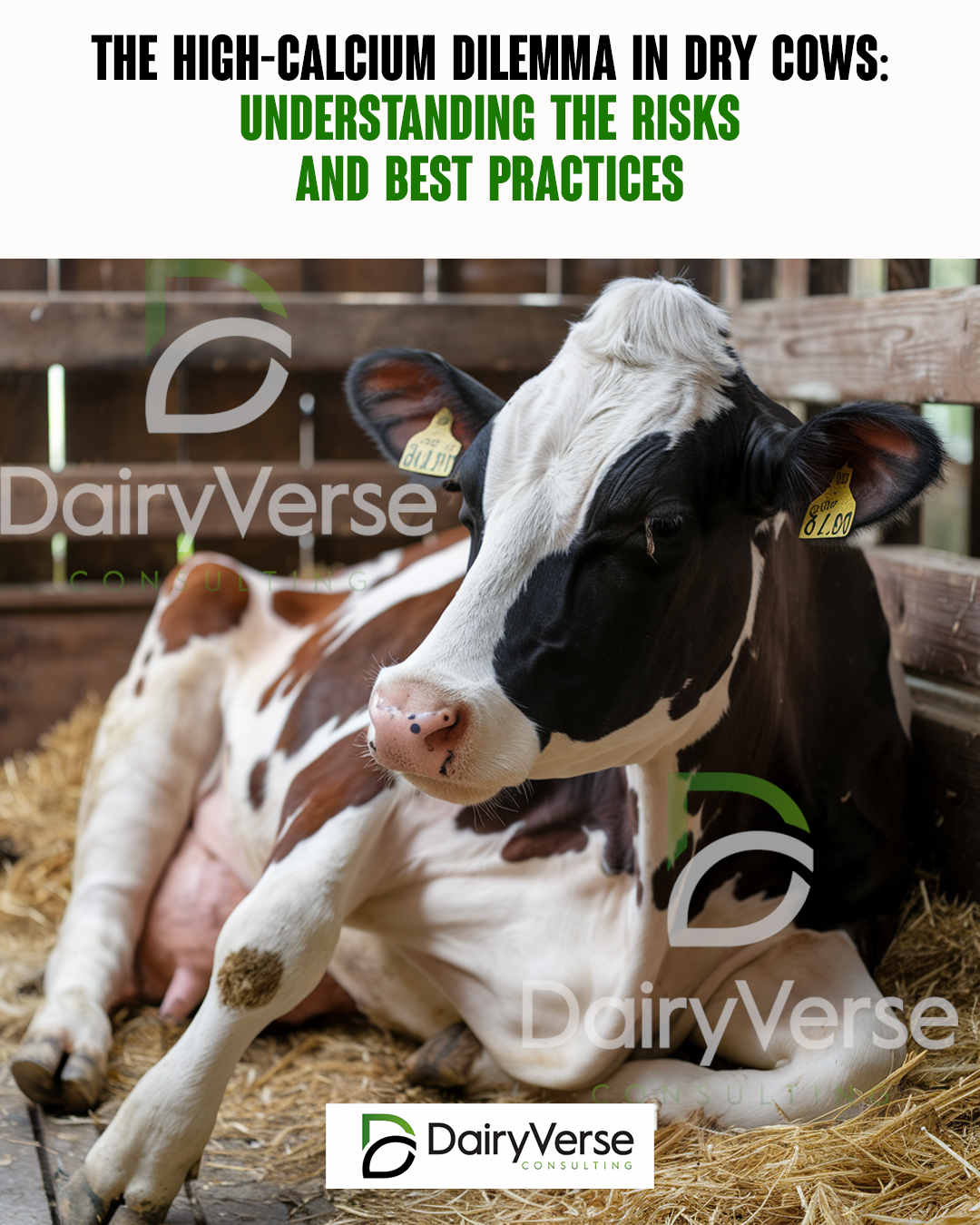
When dairy cows approach the end of pregnancy (the “dry period”), their nutritional needs shift drastically. One management challenge commonly faced by farmers is preventing milk fever (clinical hypocalcemia)—a condition caused by low blood calcium levels around calving.
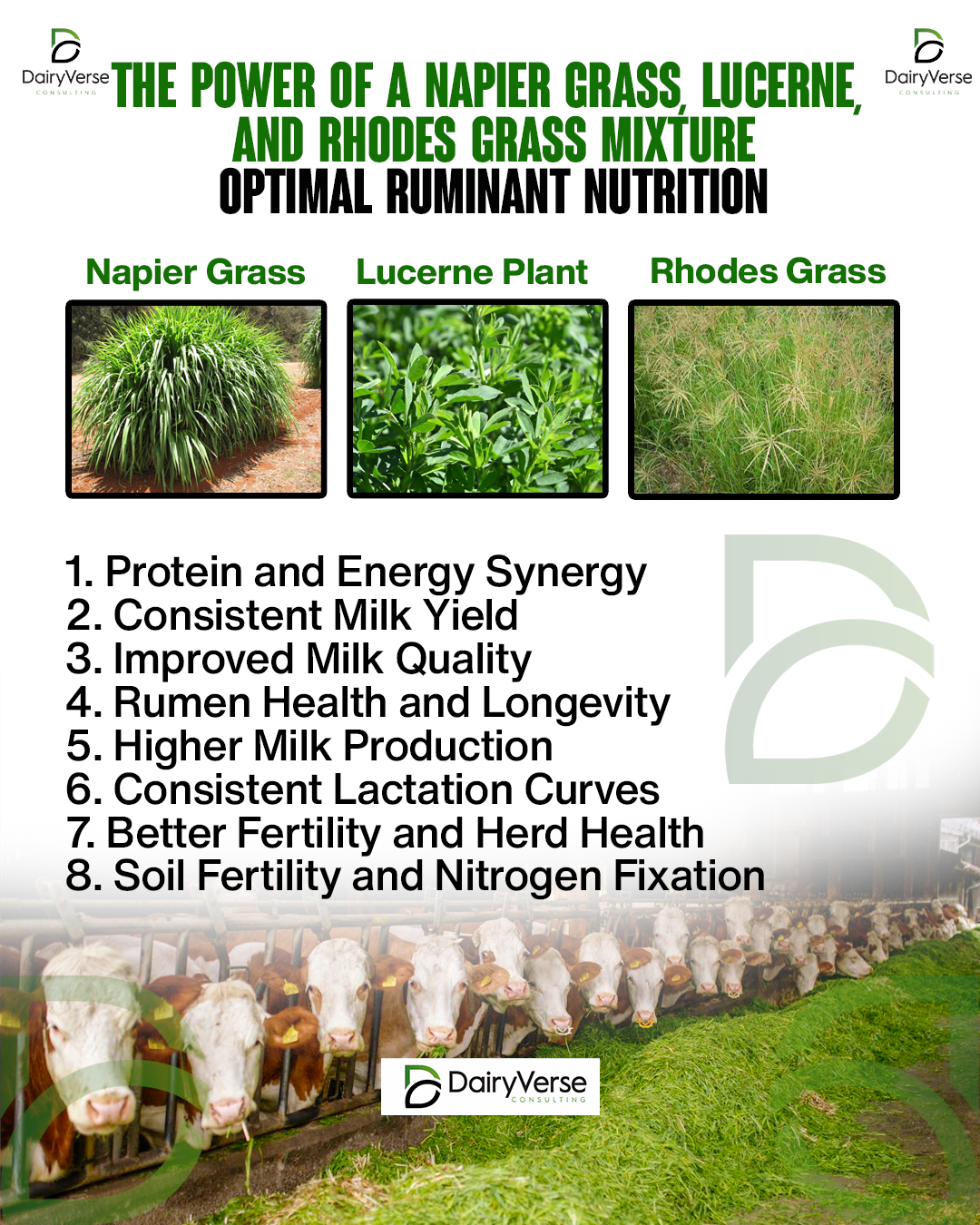
feeding dairy cows a mixed forage diet specifically comprising Napier Grass, Lucerne (Alfalfa), and Rhodes Grass. This combination offers a balanced, high-quality feed that supports optimal milk production, health, and longevity in dairy herds.
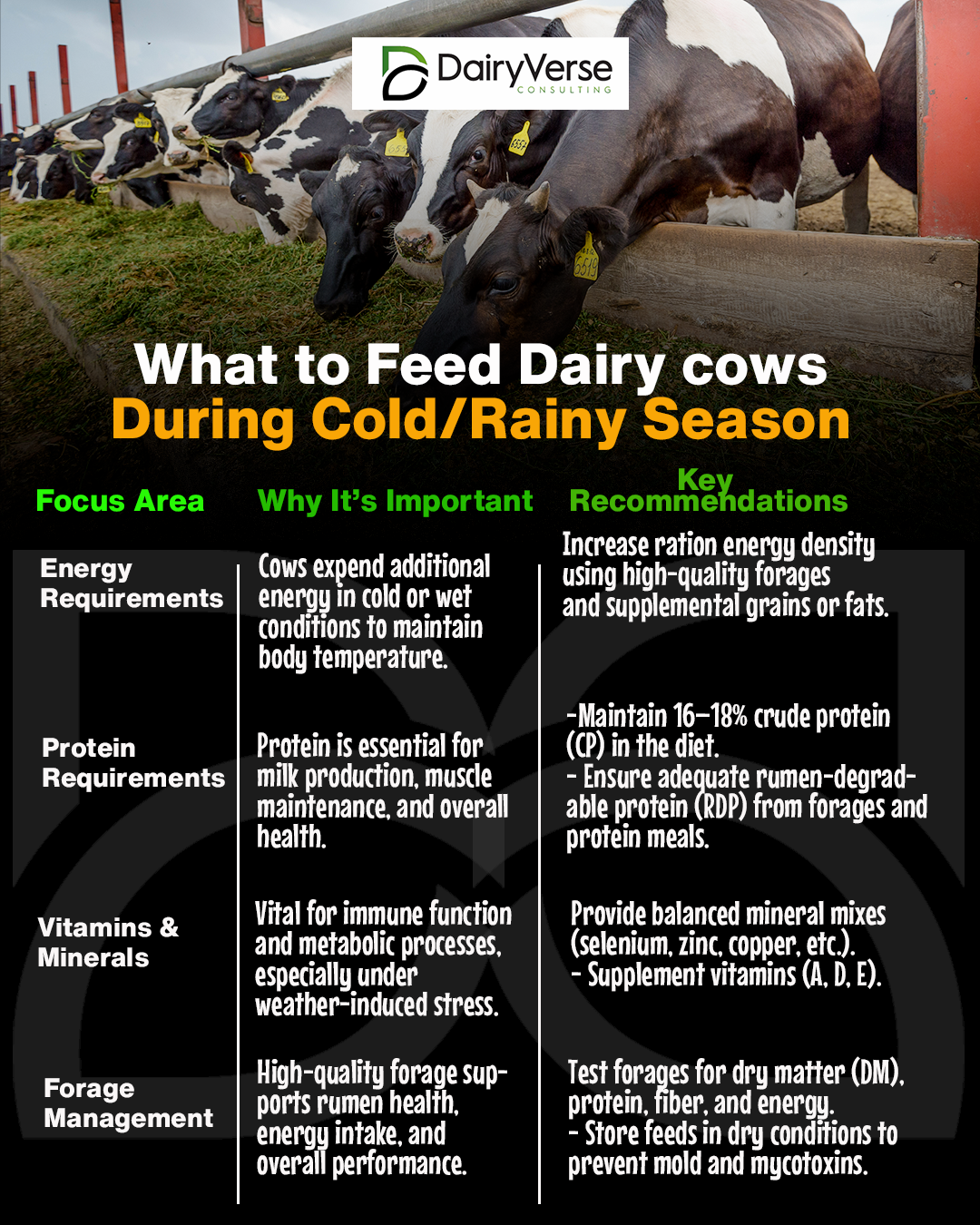
Feeding dairy cows during cold or rainy seasons poses unique challenges that can impact herd productivity, health, and overall profitability.
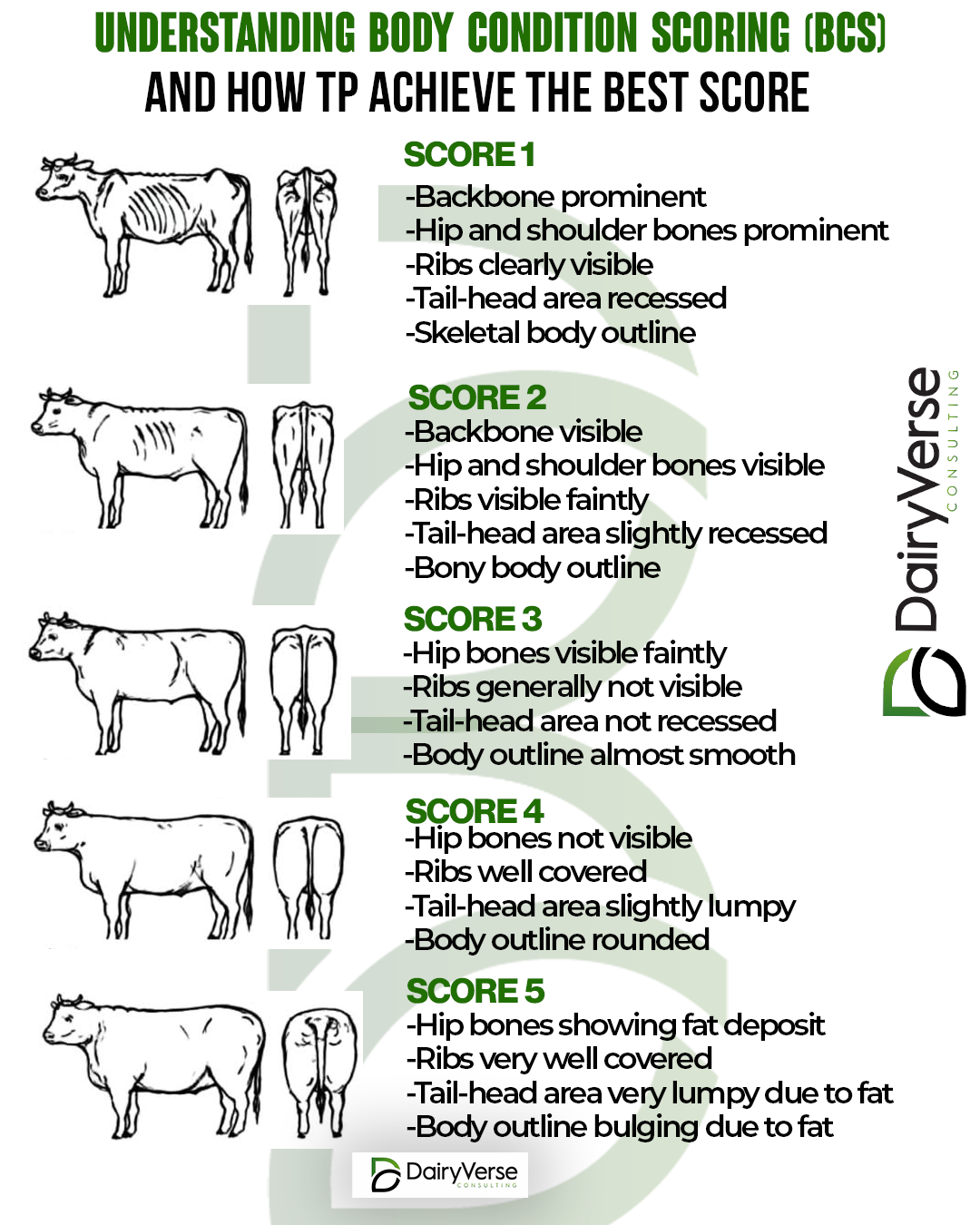
Body Condition Scoring is typically based on a numerical scale—commonly 1 to 5—where 1 indicates extremely thin cows, 3–4 denotes moderate or ideal condition, and 5 signifies excessively fat cows
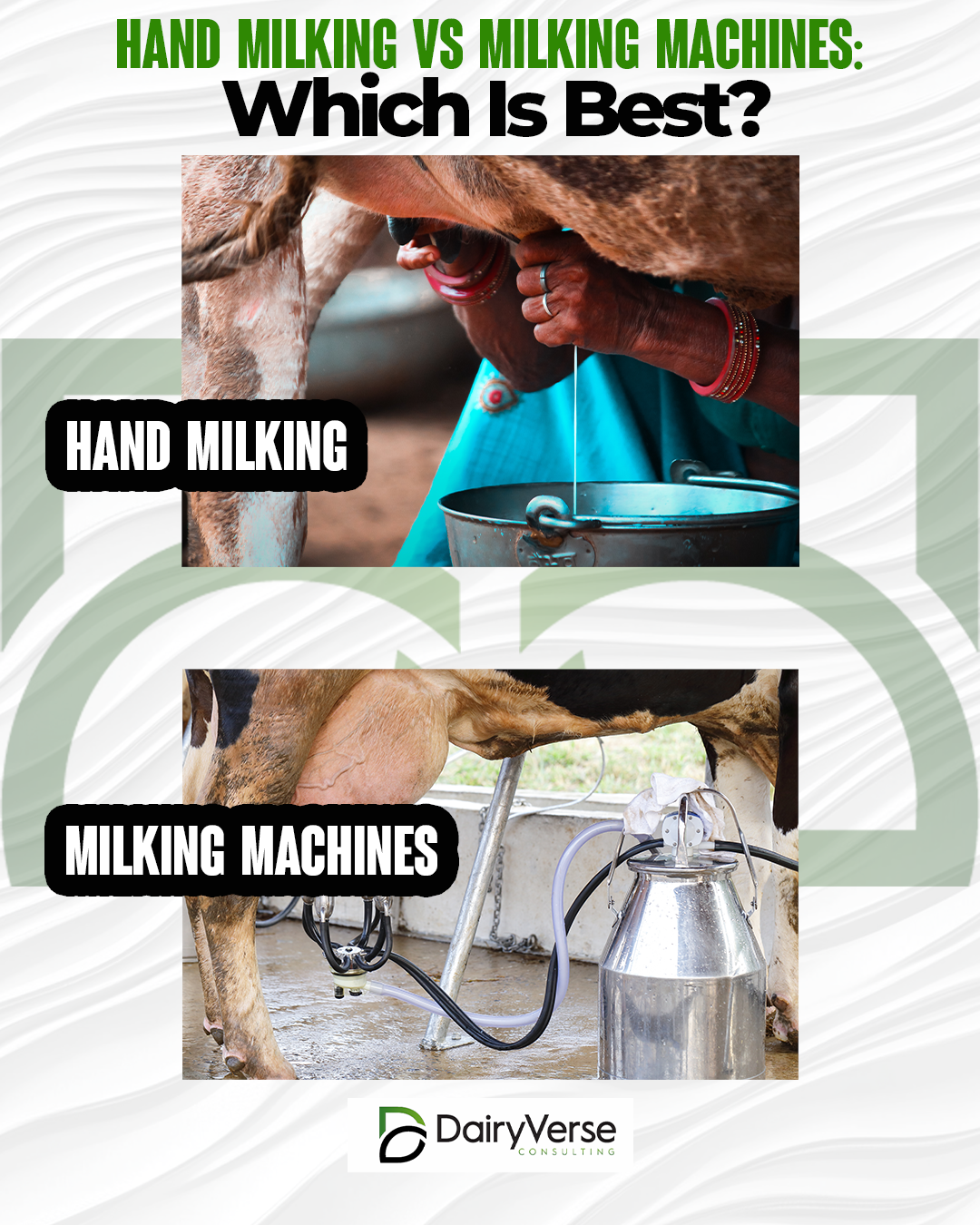
For centuries, hand milking was the only option for obtaining milk from cows. Over time, modern technology introduced milking machines, revolutionizing dairy operations worldwide.
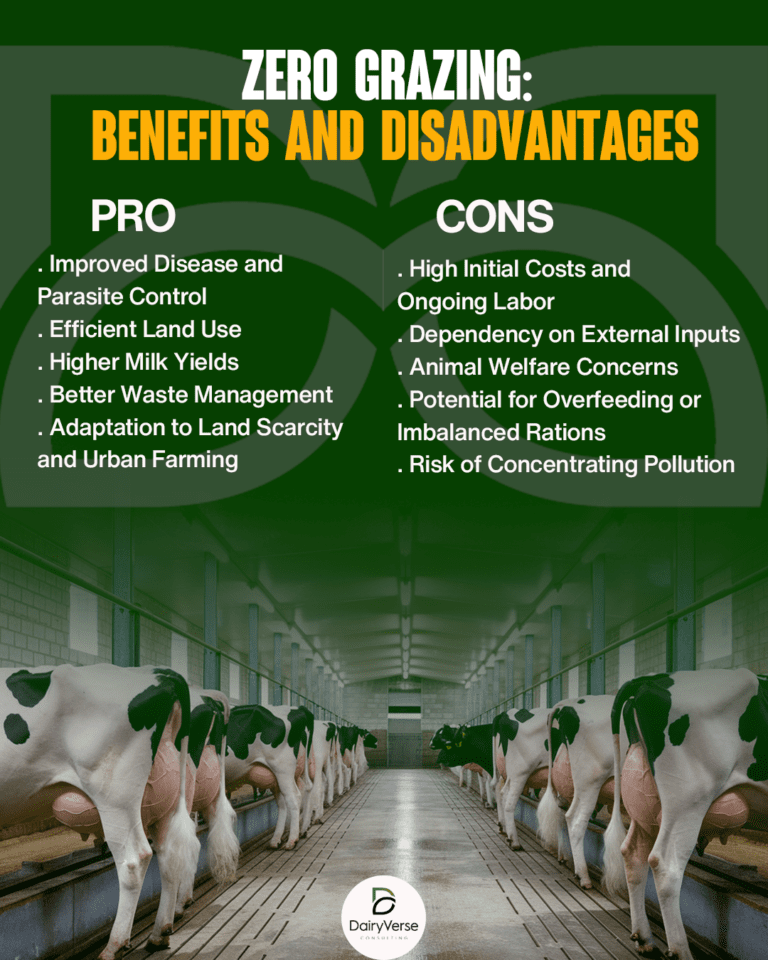
Zero grazing (also known as “cut-and-carry” feeding) is a livestock management system in which animals—often dairy cows—are kept in a confined area or stall and fed with fresh fodder that is cut and brought to them.

A successful calving process is a crucial milestone for any dairy farmer. The well-being of the cow and the health of the newborn calf significantly impact milk production and farm productivity.

Milking a cow is a fundamental skill in dairy farming, ensuring the animal's health, hygiene, and optimal milk production.
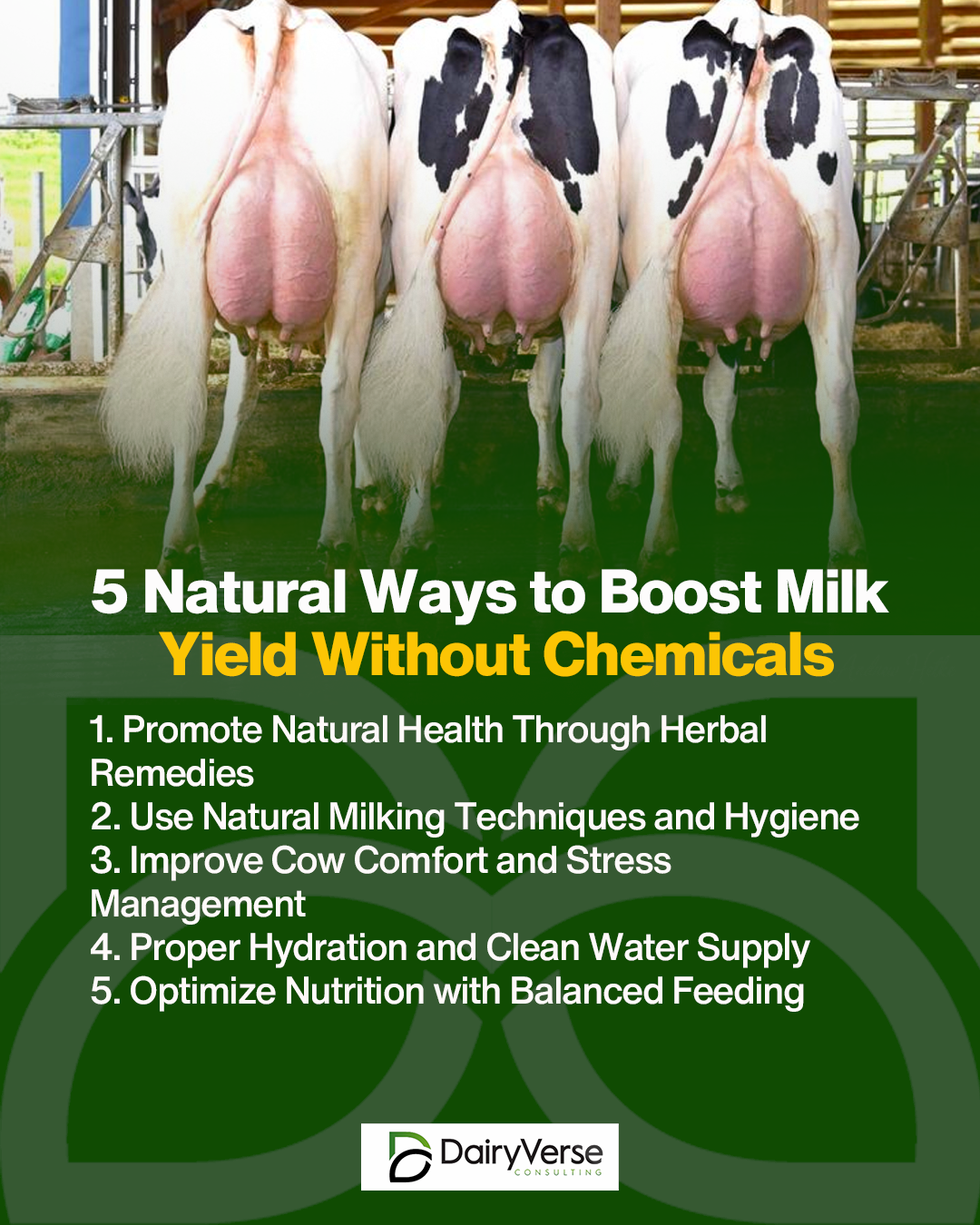
Milk production is the backbone of dairy farming, and increasing yield naturally can lead to healthier cows and better-quality milk.
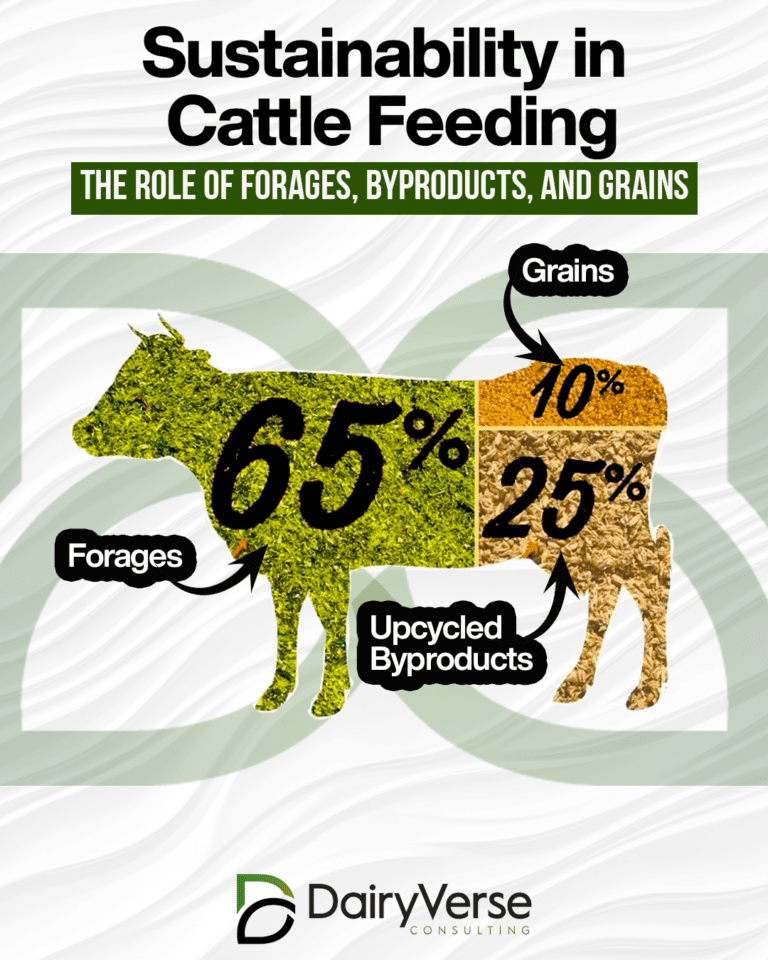
Sustainability in agriculture is a growing concern as the world grapples with environmental challenges, resource limitations, and the need to feed a growing population.