Address
304 North Cardinal
St. Dorchester Center, MA 02124
Work Hours
Monday to Friday: 7AM - 7PM
Weekend: 10AM - 5PM
Address
304 North Cardinal
St. Dorchester Center, MA 02124
Work Hours
Monday to Friday: 7AM - 7PM
Weekend: 10AM - 5PM


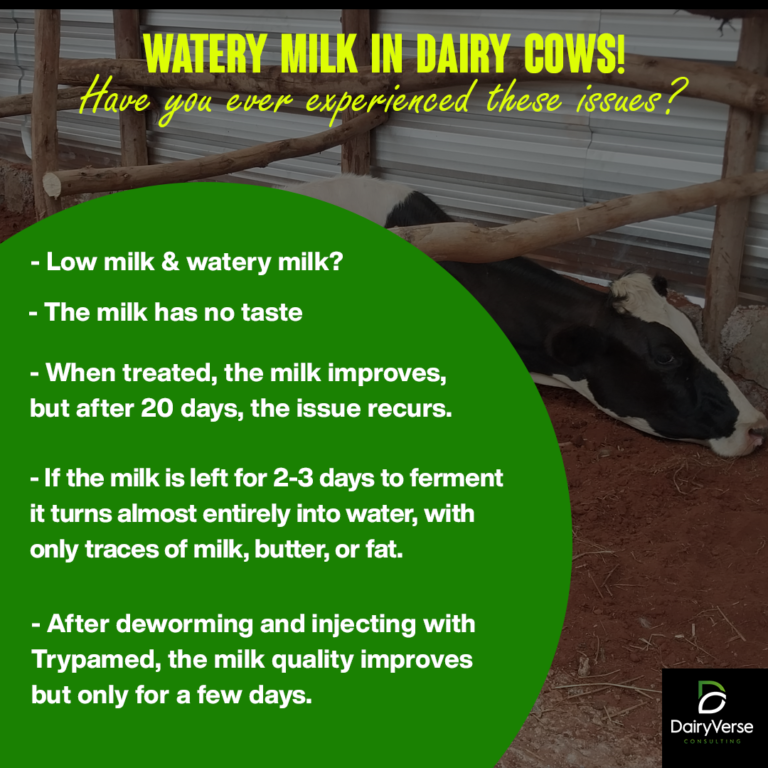
In this article, we’ll explore a specific case where a cow produces watery milk with little to no butterfat. While treatment temporarily improves the situation, the problem reoccurs after about 20 days. Let’s dive into what might be happening and how to address it.

Rainy seasons can significantly impact dairy nutrition, exposing your herd to various challenges that can reduce productivity and overall health. Understanding these effects and taking preventive measures can help you maintain your herd's well-being and productivity.

A bottle calf refers to a young calf that is hand-fed milk or milk replacer using a bottle instead of nursing from its mother. This method is often used for orphaned calves, those rejected by their mothers, or in dairy operations where calves are separated for management purposes. Raising a bottle calf requires proper care, nutrition, and attention to ensure healthy growth and development.
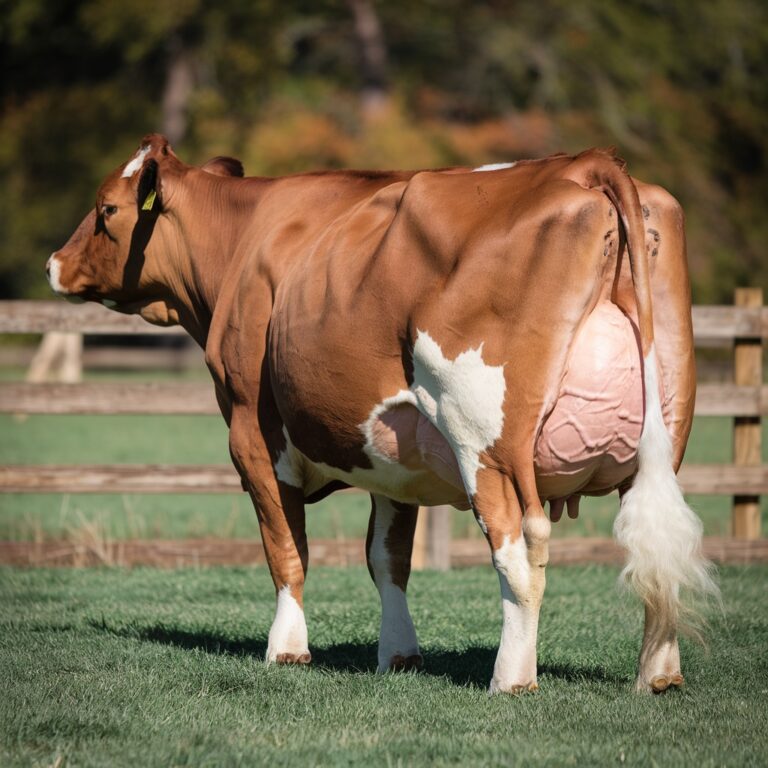
This story was shared by a friend, and it highlights how a lack of knowledge led to the loss of a beloved cow, Kared. Kared was an Ayrshire cow with excellent milk production. Her milk was always sold because we never drank it ourselves, as it was lighter than Holstein milk. But one year, after calving, Kared's health started to decline.
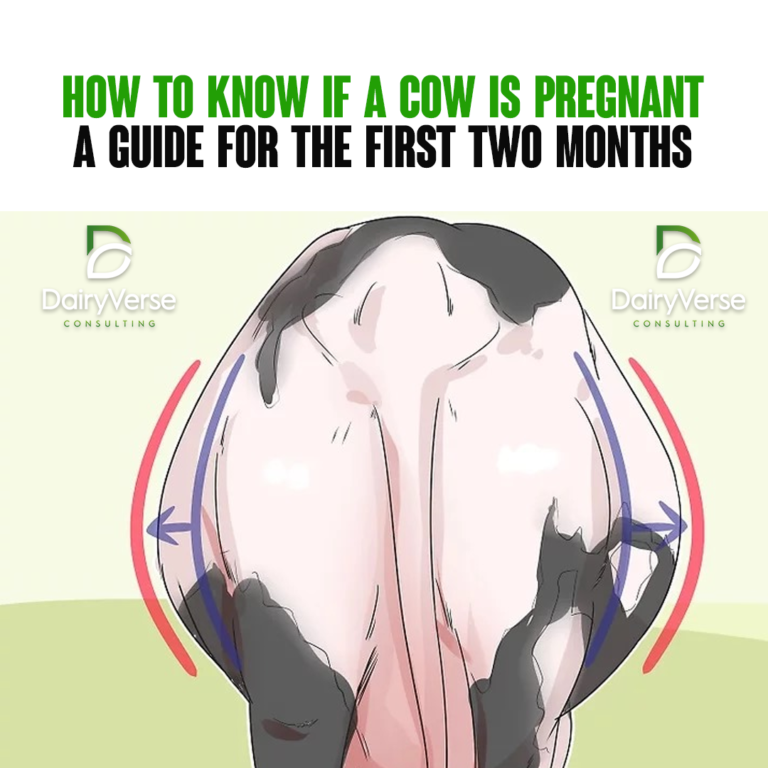
Determining if a cow is pregnant, especially during the first two months, can be challenging but is essential for effective herd management. Early detection helps farmers provide proper care, adjust feeding schedules, and ensure the health of both the cow and the developing calf. Here are some practical ways to identify pregnancy in your cows during the early stages.

While genetics are important, they’re just one part of achieving high milk production. A cow’s potential is maximized by its genetic makeup and proper nutrition, health management, and environmental care. Dairyverse offers a suite of products under the “Restore” category…

Udder edema is a common condition in dairy cows, especially during the period leading up to and shortly after calving. Characterized by a buildup of fluid in the udder, this swelling can be uncomfortable and may complicate milking, impacting both the cow's health and milk production. Understanding the causes, symptoms, and treatment options for udder edema can help dairy farmers manage this condition effectively and promote herd health
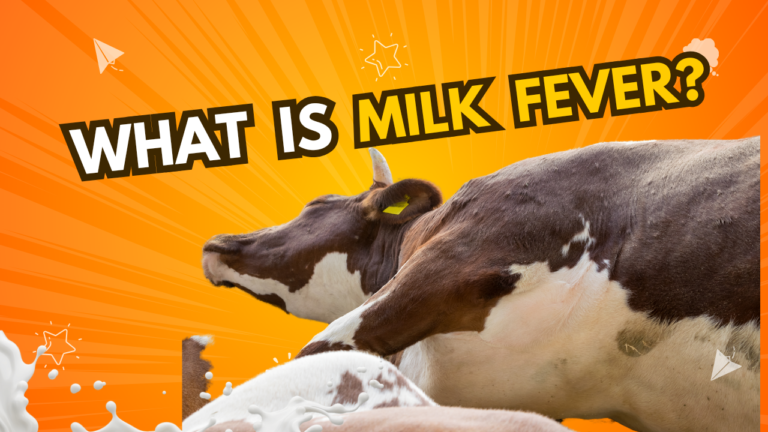
Milk fever and lameness are two significant health issues in dairy cows, especially around the time of calving. Though they may seem similar due to some overlapping symptoms, they have distinct causes and require different treatments. This article will explain these conditions, highlighting their differences, causes, symptoms, and potential solutions.

Milk curdling, also known as “kuganda” in some regions, is a common issue that affects milk quality and can lead to significant losses for dairy farmers. Curdled milk is often unusable for drinking or processing, which impacts both farmers and…

Natural treatments are an effective way to manage diarrhea in dairy cows, especially when caught early. Remedies like apple cider vinegar