Days in Milk in Dairy Cows

Understanding Dairy Production Cycles

For dairy farmers aiming for optimal milk production, managing the days in milk (DIM) is crucial. DIM refers to the period after calving during which a cow produces milk. The target for an all-year-round calving herd is to maintain an average of 180 days in milk.

Why is 180 Days Ideal?

Milk yield naturally declines as cows progress through their lactation cycles, with an average decline of 10% per month. Beyond the ideal DIM, productivity decreases significantly. For instance:

  • A cow that typically produces 30 liters/day during peak lactation could see a loss of up to 3 liters/day if it reaches 210 days in milk.

This decline emphasizes the importance of closely monitoring calving intervals and herd fertility.


Maximizing Efficiency with Booster+®

To maintain consistent production and combat challenges associated with extended DIM, Booster+® is a valuable product designed to enhance the metabolism of dairy cows.

Key Features of Booster+®

  1. Metabolism Enhancement:

    • Booster+® improves metabolic processes in dairy cows, promoting overall health and productivity.

  2. High Protein and Energy Content:

    • This supplement is rich in protein and energy, essential for milk yield and overall well-being.

  3. Benefits of Booster+®:

    • Increased Milk Yield: Helps cows achieve higher milk production, particularly those lagging in yield.
    • Recovery Support: Aids in the swift recovery of previously ill cows.
    • Heat Onset Enhancement: Counters delayed heat onset in milking cows.
    • Body Condition Improvement: Contributes to better body condition and combats stunted growth.


Additional Tips for Dairy Herd Management

To optimize milk production and minimize losses:

  • Shorten Calving Intervals: Maintain calving intervals of around 12-13 months to avoid prolonged periods of declining yield.
  • Optimize Nutrition: Provide balanced diets tailored to the specific lactation phases.
  • Monitor Herd Health: Keep an eye on stress levels, diseases, and udder health to sustain productivity.

By combining proper herd management strategies with supplements like Booster+®, farmers can significantly improve milk yields and overall herd health, ensuring profitability and sustainability.


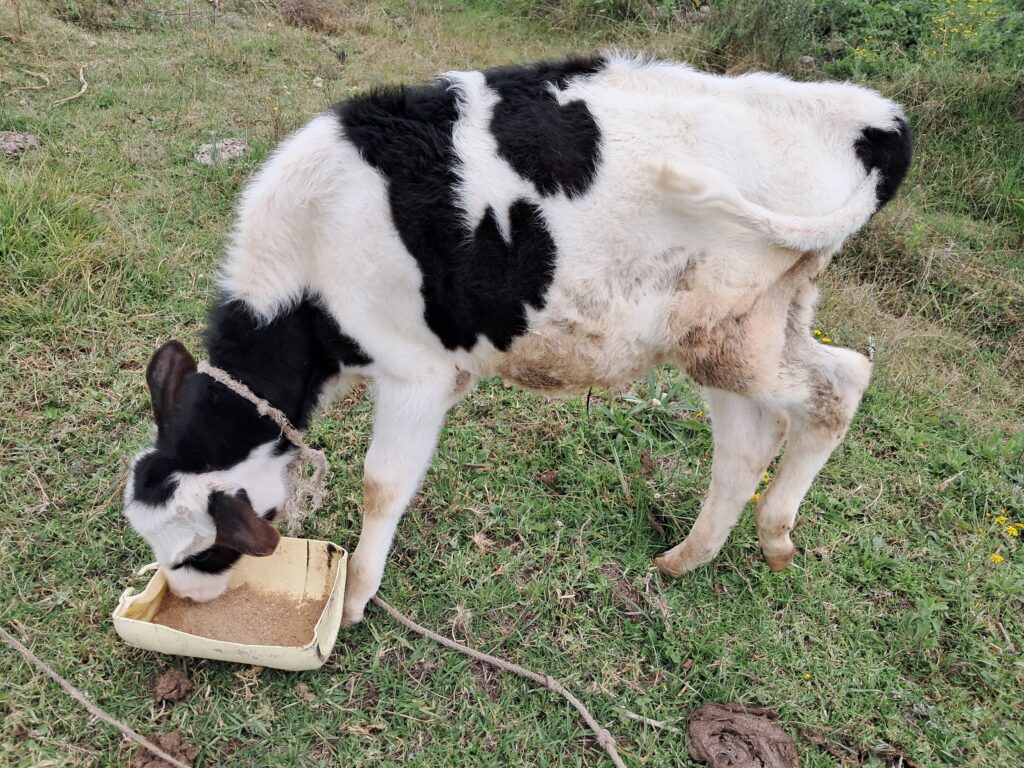
The Role of Dairy Cows in Supporting Biodiversity and Financial Growth

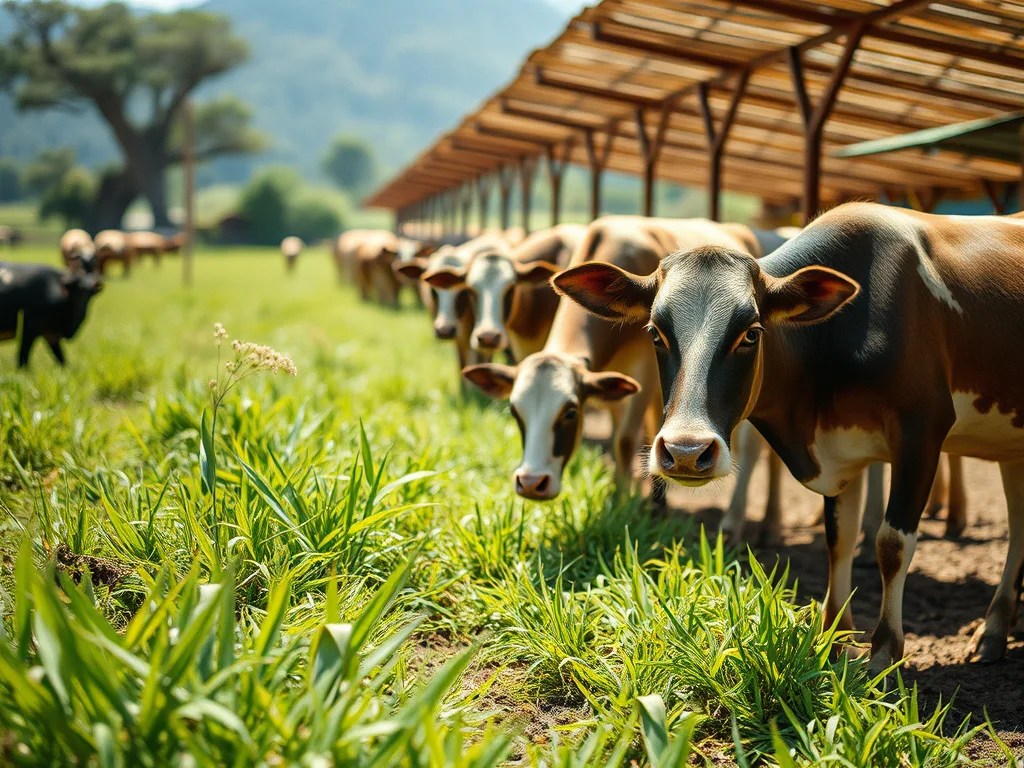
In today’s changing environment, cows can play a vital role in maintaining balance and sustainability. Biodiversity is key to a healthy ecosystem, and rather than eliminating dairy cattle, we must focus on sustainable practices like planting more trees to mitigate environmental challenges.

Cows contribute more than just milk; in Africa, a dairy cow represents a path to financial freedom. Owning cows empowers families by creating tangible wealth through dairy farming. From feeding families to educating children, the benefits go beyond economic gain—they secure futures.

Let’s recognize the value of cows in sustainable agriculture and biodiversity while committing to greener practices. By embracing both cattle farming and afforestation, we can ensure harmony between progress and the planet. #protectcows


Critical Periods for Cows: Ensuring Health and Productivity

Cows experience several critical periods that require focused care and management to maintain their health and productivity. Proper planning during these stages minimizes risks and maximizes output.


1. Postpartum Period

Challenges:

  • Milk fever
  • Uterine inflammation or retained placenta
  • Low calcium and energy (ketosis)

Management:

  • Ensure proper nutrition before and after calving.
  • Administer calcium and energy supplements.
  • Regularly monitor udder and uterine health to detect issues early.

2. Dry Period

Challenges:

  • Cows need adequate rest to rejuvenate udder tissues.
  • Preparation for the next lactation cycle.

Management:

  • Divide the period into two stages:

    • Far-off Dry Period: Lasting 40–60 days with low-energy feed to prevent obesity.
    • Close-up Dry Period: Focus on balanced nutrition to prepare for calving.


3. Transition Period

Duration:
From three weeks before calving to three weeks after.

Challenges:

  • Significant shifts in nutritional demands.
  • Risks of ketosis and digestive disorders.

Management:

  • Provide transitional feed to ease the cow into dietary changes.
  • Supplement with minerals and vitamins to support energy balance and immunity.
  • Administer Tranzpro® starting 18 days before calving and continue for 36 days after calving to:

    • Enhance udder health for optimal milk production in pregnant heifers.
    • Reduce the risk of retained afterbirth, improving overall well-being.
    • Boost appetite during early lactation, ensuring proper nutrition.
    • Accelerate peak milk production, benefiting both the cow and the operation.
    • Support recovery in cows post-calving with targeted nutritional aid.


4. Breeding and Early Pregnancy

Challenges:

  • Maintaining an ideal body condition score (BCS).
  • Enhancing fertility.

Management:

  • Closely monitor the estrus cycle for optimal breeding timing.
  • Provide a balanced diet rich in nutrients essential for reproductive health.

5. Peak Lactation

Challenges:

  • Elevated energy and protein requirements.
  • Risk of weight loss due to high milk production.

Management:

  • Offer energy-dense and protein-rich feed.
  • Regularly assess the cow’s body condition to prevent overproduction-related stress.

The Importance of Effective Management in Critical Periods

  1. Risk Mitigation: Proper care reduces health issues, ensuring the cow’s longevity and productivity.
  2. Enhanced Productivity: Optimized feeding programs and the use of technologies like Precision Nutrition improve performance.

By following these guidelines and incorporating Tranzpro®, dairy farmers can ensure healthy, productive cows and a thriving operation.


Anaplasmosis in Cattle: Causes, Symptoms, and Prevention

Anaplasmosis is a significant infectious disease in cattle, impacting herds across tropical and subtropical regions. This condition, caused by the bacterium Anaplasma marginale, can lead to severe anemia, reduced productivity, and economic losses if not managed promptly.

This article delves into the causes, symptoms, and prevention strategies to help you protect your cattle from anaplasmosis.


What Causes Anaplasmosis?

Anaplasmosis spreads primarily through:

  1. Ticks – Certain tick species act as carriers, transmitting the disease during feeding.
  2. Insects – Blood-feeding insects, such as biting flies, can also play a role in spreading the infection.
  3. Contaminated Equipment – Sharing needles, dehorners, or other blood-contact tools without sterilization can transmit the disease.

Symptoms of Anaplasmosis

The disease primarily affects red blood cells, leading to anemia and other health issues. Look out for the following symptoms:

  • Lethargy: Reduced energy and movement.
  • Pale or Yellow Mucous Membranes: Signs of anemia or jaundice in the gums or eyes.
  • Fever: High body temperature during the acute stage.
  • Weight Loss: Rapid loss of weight due to decreased appetite.
  • Constipation: Reduced bowel movements, which can occur as the animal’s health declines.
  • Abortion: Pregnant cows may abort because of stress caused by the disease.
  • Death: Severe cases, especially in older animals, may result in fatalities if not addressed.

What to Do if You Suspect Anaplasmosis

If you observe these symptoms in your cattle, contact a veterinarian immediately for diagnosis and guidance. Early intervention is crucial to manage the disease and prevent its spread within the herd.


Preventing Anaplasmosis

Prevention is the most effective approach to avoid anaplasmosis. Here’s what you can do:

  1. Tick and Insect Control: Implement measures to reduce tick and fly populations, including sprays, dips, and farm hygiene practices.
  2. Clean Equipment: Always sterilize tools and needles before using them on multiple animals.
  3. Monitoring and Isolation: Keep an eye on your herd for symptoms and isolate sick animals promptly.
  4. Vaccination: In some regions, vaccines may be available to reduce the severity of the disease.

Post-Treatment Care

After consulting your veterinarian and following their treatment plan, consider incorporating Restore Plus® products into the recovery process. These products:

  • Help sick cows recover faster by providing targeted nutrients.
  • Boost immunity, ensuring that the cow regains strength.
  • Support recovery, making the cow healthier, stronger, and more productive.

By combining veterinary care with effective recovery solutions like Restore Plus®, you can give your cattle the best chance to recover fully and thrive.

Protecting your herd from anaplasmosis begins with proactive measures and prompt action. Regular health monitoring, proper farm hygiene, and professional veterinary advice will keep your cattle healthy and your farm productive.


How Molasses Affects Dental Health in Livestock

Molasses, a popular feed supplement for livestock, is widely used due to its numerous benefits, including improving feed palatability, increasing energy intake, and promoting better nutrient absorption. However, like all feed additives, it has its potential drawbacks, one of which includes its impact on dental health.

The Composition of Molasses
Molasses is a byproduct of sugar production, rich in carbohydrates (primarily sucrose), vitamins, and minerals like potassium, calcium, and magnesium. Its high sugar content is what makes it an effective energy booster and a palatability enhancer in livestock diets. However, this same sugar content can pose risks to dental health.

How Molasses Affects Dental Health
Sugar and Dental Decay:
The high sugar concentration in molasses creates an ideal environment for bacteria to thrive in the animal’s mouth.
These bacteria break down sugars into acids, which can erode the enamel (the hard outer layer of teeth) and cause dental decay over time.

Plaque Build-Up:
The sticky texture of molasses can adhere to teeth, promoting the formation of plaque. If not naturally cleaned, plaque can harden into tartar, leading to gum inflammation and eventual dental issues.

Wear and Tear:
While molasses itself is not abrasive, mixing it with fibrous feed or roughage can sometimes lead to uneven wear on teeth, especially in older livestock.

Indirect Effects:
Poor dental health caused by prolonged exposure to sugary feeds may result in difficulty chewing, reduced feed intake, and decreased nutrient absorption, ultimately affecting overall health and productivity.

Signs of Dental Issues in Livestock
Difficulty Chewing: Animals may chew more slowly or drop feed while eating.
Weight Loss: Inability to chew properly leads to reduced feed intake and weight loss.
Drooling or Bad Breath: Indicators of oral infections or tooth decay.
Behavioral Changes: Livestock may appear irritable or refuse feed due to dental discomfort.

Preventing and Mitigating Dental Issues
To ensure that molasses remains a beneficial feed supplement without compromising dental health, the following strategies can be employed:
Moderation in Usage:
Limit molasses intake to recommended levels (2-3% of the total dry matter diet) to prevent excessive sugar exposure

Balanced Diet:
Combine molasses with fibrous feed like hay or silage to encourage natural cleaning of the teeth through chewing.

Regular Access to Clean Water:
Providing constant access to clean water helps rinse off any sugar residues from the teeth, reducing the risk of plaque build-up.

Regular Dental Checks:
Schedule routine dental inspections for livestock, especially older animals, to detect and address potential dental issues early.

Additives for Dental Health:
Consider feed additives that promote oral health, such as minerals that strengthen enamel or ingredients that prevent bacterial growth.

Feeding Time Management:
Avoid feeding molasses continuously throughout the day; instead, offer it in measured portions to reduce prolonged exposure to sugar.

While molasses is a valuable addition to livestock diets, its high sugar content and sticky texture can contribute to dental health challenges if not used carefully. By adhering to proper feeding practices, providing a balanced diet, and monitoring livestock health regularly, farmers can enjoy the benefits of molasses while mitigating potential risks to dental health.

A well-balanced approach ensures livestock remain healthy, productive, and free from preventable dental issues.


Black Quarter Disease in Cattle: Causes, Symptoms, Prevention, and Treatment

Black Quarter (BQ), also known as Blackleg, is one of the most devastating diseases that can affect cattle. Caused by the bacterium Clostridium chauvoei, this disease is often fatal and requires immediate attention. Understanding its causes, symptoms, prevention, and treatment is essential for cattle farmers to protect their herds.


What Causes Black Quarter?

Black Quarter is caused by Clostridium chauvoei, a spore-forming bacterium found in soil and the gastrointestinal tract of healthy animals. The spores can remain dormant in the environment for years and are activated under certain conditions, such as trauma or injury to muscle tissue.

The disease typically occurs in well-fed, healthy cattle between six months and two years of age, as they are more active and prone to injuries, which can create an entry point for the bacteria.


How Is Black Quarter Transmitted?

The disease spreads through:

  • Ingestion: Cattle consume the spores from contaminated soil, water, or feed.
  • Wounds: Spores enter through cuts or bruises in the skin, often from handling or rough terrain.
  • Environmental Triggers: Events like flooding or excavation can disturb spore-laden soil, increasing the risk of exposure.

Symptoms of Black Quarter

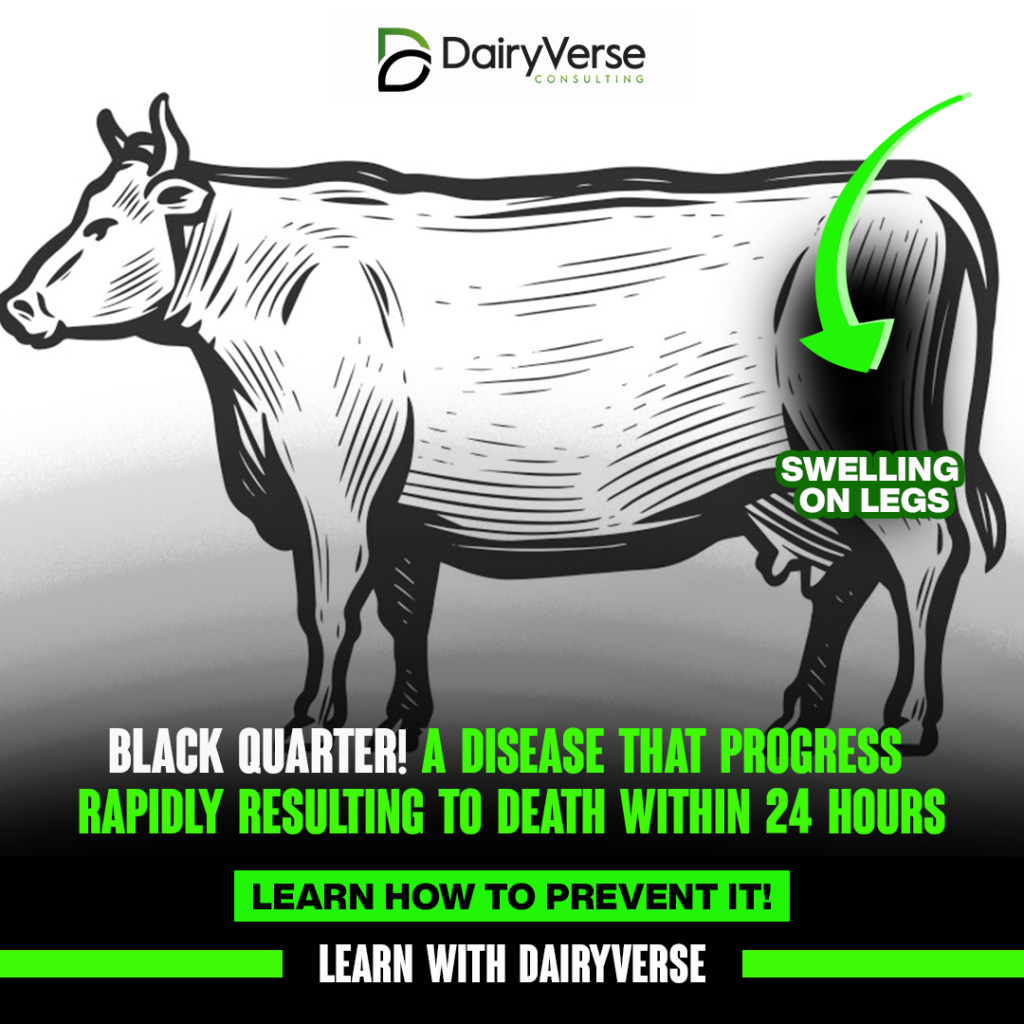
The symptoms of Black Quarter can progress rapidly, with the disease often resulting in death within 24 hours. Common signs include:

  • High fever: A sudden rise in body temperature.
  • Swelling: Affected muscles (usually in the legs, shoulders, or back) become swollen, hot, and painful.
  • Crepitus: A crackling sound or sensation when the swollen area is pressed, due to gas buildup.
  • Lameness: Difficulty moving or reluctance to stand.
  • Rapid deterioration: Animals may appear healthy one moment and succumb to the disease the next.

In most cases, animals are found dead without showing noticeable symptoms, making prevention crucial.


Prevention of Black Quarter

Prevention is the most effective way to manage Black Quarter:

  1. Vaccination:

    • Administering a multivalent vaccine (e.g., a 7-in-1 or 8-in-1 vaccine) protects cattle against Clostridium chauvoei and related bacteria.
    • Vaccinate calves at 3-6 months of age and provide annual boosters.

  2. Proper hygiene:

    • Maintain clean and dry housing environments.
    • Avoid disturbing potentially contaminated soil, especially during wet seasons.

  3. Careful wound management:

    • Treat any cuts or injuries promptly to minimize the risk of bacterial entry.

  4. Nutritional balance:

    • Ensure cattle receive a balanced diet to support their immune system.


Treatment of Black Quarter

Treatment is only effective if administered very early. The following steps can help:

  • Antibiotics: High doses of penicillin or other antibiotics effective against Clostridium bacteria should be given immediately.
  • Supportive care: Anti-inflammatory drugs and fluids can help manage symptoms.
  • Quarantine: Isolate infected animals to prevent further spread.

Unfortunately, due to the rapid progression of the disease, treatment is often unsuccessful, and the focus should remain on prevention.


Conclusion

Black Quarter is a deadly disease that can wreak havoc on cattle herds. Its swift progression highlights the importance of prevention through regular vaccination, good management practices, and immediate response to any signs of illness. By staying vigilant, farmers can significantly reduce the risk of losing livestock to this preventable disease.


Can a cow develop food poisoning?

A cow can’t develop food poisoning. Only toxicological poisoning from chemicals like glyphosate, Nitrites from potato fruits, Datura, among others.
Cows cannot develop food poisoning in the same way that humans do. Food poisoning in humans is typically caused by consuming food contaminated with bacteria, viruses, or toxins. However, cows have a complex digestive system that is adapted to process a variety of plant-based materials, including potentially harmful substances.

What is Food Poisoning?
Food poisoning, or foodborne illness, occurs when harmful bacteria, viruses, or parasites are ingested through contaminated food or water. Symptoms of food poisoning can include nausea, vomiting, diarrhea, abdominal cramps, and fever. In severe cases, food poisoning can lead to dehydration and even death.

How Cows Digest Food
Cows are ruminants, which means they have a four-chambered stomach that allows them to digest tough plant material. The first two chambers, the rumen and reticulum, contain a complex ecosystem of bacteria that break down cellulose, the main component of plant cell walls. This process releases nutrients that the cow can absorb.

Cows’ Digestive System Protects Them from Food Poisoning
The acidic environment of the rumen and reticulum can kill many harmful bacteria that would cause food poisoning in humans. Additionally, the long digestive process allows time for any toxins present in the food to be neutralized or diluted.
However, Cows Can Get Sick from Toxic Substances
While cows are well-adapted to handle a variety of plant-based foods, they can still become ill from ingesting toxic substances. These substances can include:
Chemicals: Pesticides, herbicides, and other chemicals can be toxic to cows if ingested in large quantities.
Plants: Certain plants, such as nightshade and oleander, are poisonous to cows.
Moldy Feed: Moldy hay or silage can produce mycotoxins, which can cause illness in cows.

In conclusion, cows cannot develop food poisoning in the same way that humans do. Their complex digestive system and the presence of beneficial bacteria protect them from many harmful bacteria and toxins. However, cows can still become ill from ingesting toxic substances, such as chemicals, poisonous plants, and moldy feed.


It Isn’t Calcium Deficiency That’s Killing Your Calves!

When calves fall sick or fail to thrive, many farmers immediately suspect calcium deficiency. While calcium is vital for growth and skeletal health, it’s rarely the root cause of mortality in young calves. Instead, the problem often lies in management practices, nutrition, or underlying diseases that weaken the calves before calcium deficiency even becomes a concern.

The Real Culprits Behind Calf Deaths

  1. Dehydration and Scours
    Diarrhea, or scours, is the leading cause of death in calves under one month old. It quickly leads to severe dehydration and loss of essential electrolytes. While calcium plays a role in overall health, failing to address scours promptly is far deadlier than a calcium imbalance.
  2. Inadequate Colostrum Intake
    Calves are born without a functional immune system and rely on colostrum for antibodies. Poor-quality or insufficient colostrum intake leaves calves vulnerable to infections, which can lead to high mortality rates.
  3. Poor Hygiene and Housing
    Dirty bedding, overcrowded pens, or poorly ventilated shelters create breeding grounds for bacteria and viruses. Calves living in such environments are at a higher risk of respiratory diseases and other infections, which can be fatal.
  4. Nutritional Deficiencies Beyond Calcium
    While calcium deficiency is rare in well-fed calves, deficiencies in other critical nutrients like vitamin A, protein, or energy can impair growth and weaken immunity.One way to combat these issues is by using Ndamaplus®, a high-quality product designed to enhance dairy calf growth and development. Here’s how it helps:

    • Promotes Weight Gain: Supports average daily weight gain in calves, ensuring healthy growth.
    • Counters Stunted Growth: Provides essential nutrients to prevent stunted growth in young calves.
    • Reduces Post-Weaning Stress: Minimizes stress during the critical post-weaning period, supporting calf health.
    • Boosts Immunity: Enhances the calf’s immune system, safeguarding against diseases.
    • Facilitates Timely Heat Onset: Promotes timely heat cycles in heifers, ensuring a smooth transition to adulthood.

  5. Parasites and Diseases
    Worm infestations and diseases like pneumonia or coccidiosis can silently harm calves. These conditions are more likely to cause fatal outcomes than calcium deficiency.

How to Keep Your Calves Healthy

  • Focus on Early Nutrition: Ensure calves receive colostrum within the first six hours of life to boost their immunity. Follow up with milk replacers or fresh milk rich in essential nutrients.
  • Maintain Clean Housing: Regularly clean pens and provide dry, comfortable bedding. Good ventilation reduces the risk of respiratory illnesses.
  • Prevent and Treat Diseases Early: Regularly deworm calves and monitor for signs of illness like coughing, diarrhea, or lethargy. Seek veterinary assistance promptly.
  • Incorporate Ndamaplus® in Their Diet: Use Ndamaplus® as part of your feeding regimen to ensure calves receive all the nutrients needed for steady growth, strong immunity, and overall health.

Conclusion

Don’t let calcium deficiency distract you from the real threats to your calves. By prioritizing nutrition, cleanliness, and disease prevention—and incorporating products like Ndamaplus® into your calf management—you can reduce calf mortality and raise healthier, more resilient animals.


Beyond Genetics: How Nutrition and Management Drive Cow Milk Production

While genetics are important, they’re just one part of the equation in achieving high milk production. A cow’s potential is maximized not only by its genetic makeup but also through proper nutrition, health management, and environmental care. Dairyverse offers a suite of products under the “Restore” category that supports cows through every stage of growth, from calves to lactating adults, to optimize production.


1. Nutrition and Health Management: The Foundation of High Milk Production

  • Nutrition: Proper feeding ensures that cows meet their energy, protein, and mineral needs, which are crucial for milk production, immune function, and reproductive health.
  • Health Management: Ensuring cows stay healthy throughout their lives—free of stress and disease—also maximizes their milk-producing potential.

Dairyverse products are designed to address the complete life cycle of a dairy cow, supporting growth, fertility, health, and peak milk production. Here’s a look at how these products contribute to the entire process.


2. Nurturing Growth from the Start with Ndamaplus®

Ndamaplus® is ideal for calves, helping them grow into strong, healthy adults with high milk production potential.

  • Promotes Weight Gain: Ndamaplus® supports daily weight gain, helping calves grow steadily.
  • Counters Stunted Growth: With essential nutrients, it prevents stunted growth, which could limit their milk production in the future.
  • Reduces Post-Weaning Stress: The product helps calves adjust smoothly during the critical post-weaning period.
  • Boosts Immunity: By enhancing the immune system, Ndamaplus® helps protect calves against diseases.
  • Facilitates Timely Heat Onset: It ensures calves mature into heifers ready for reproductive cycles, setting them up for future productivity.

3. Supporting Reproductive Health with Fertility+®

Fertility+® is tailored for heifers at reproductive age, addressing issues that could impact future milk yield.

  • Product Details: Available in a 900-gram pack, with a daily recommended usage of 50 grams.
  • Benefits:

    • Addresses Delayed and Silent Heat: Helps regulate heat cycles, preparing heifers for reproduction.
    • Reduces Dystocia and Retained Afterbirth Risks: This ensures smoother calving experiences and healthier heifers, ready to reach full milk-producing potential.


4. Transitioning to Peak Lactation with Tranzpro®

Tranzpro® is designed for cows in early lactation and those recovering from calving, helping them reach peak milk production and maintain it.

  • Udder Health Improvement: Tranzpro® ensures that udders remain healthy, promoting optimal milk production.
  • Prevents Retained Afterbirth: By reducing this risk, Tranzpro® promotes post-calving recovery and prepares cows for their lactation cycle.
  • Boosts Appetite: Cows often lose appetite after calving, but Tranzpro® supports their nutritional needs.
  • Achieves Peak Milk Production Faster: Accelerates the journey to peak production.
  • Supports Recovery: Helps recently calved cows recover quickly, improving overall productivity.

5. Enhancing Milk Yield and Body Condition with Booster+®

Booster+® supports metabolism, helping cows achieve maximum productivity by enhancing body condition, milk yield, and reproductive health.

  • High Protein and Energy Content: Rich in essential nutrients, which are crucial for sustaining high milk yields.
  • Benefits:

    • Increases Milk Yield: Helps under-producing cows meet their full potential.
    • Supports Recovery in Previously Ill Cows: Aids cows in bouncing back from health challenges.
    • Improves Body Condition: Ensures cows maintain a healthy body condition, avoiding stunted growth and delayed heat.


Conclusion Through these products, Dairyverse’s Restore line ensures that genetics are fully supported by excellent nutrition and management, enabling dairy cows to reach and sustain their peak production.


How To Test For Mastitis Using CMT Method (California Mastitis Test)

Mastitis is a common yet costly issue for dairy farmers, characterized by the inflammation of the udder, often caused by bacterial infections. Detecting mastitis early is crucial to maintain milk quality, protect animal health, and prevent economic losses. One of the most effective and simple methods for detecting subclinical mastitis is the California Mastitis Test (CMT).

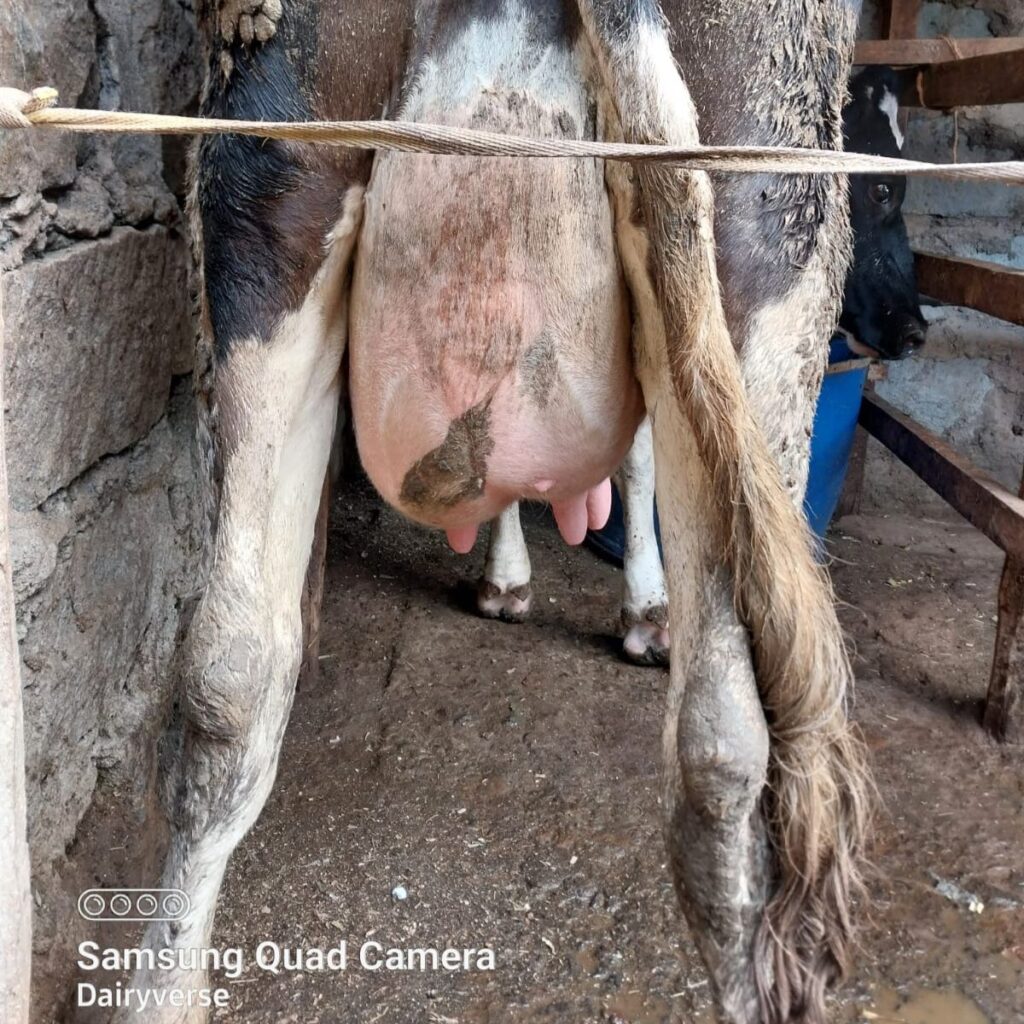
File: Mastitis case

What is the California Mastitis Test?
The CMT is a cow-side test that identifies the presence of somatic cells in milk, which increase in response to infection in the udder. The test is widely used because it is quick, affordable, and easy to perform without specialized equipment.

Why Test for Mastitis?
Early Detection: Identifies subclinical mastitis (no visible symptoms), which can progress to clinical mastitis if untreated.
Milk Quality Control: Prevents contaminated milk from entering the food supply.
Cost Reduction: Reduces treatment costs and prevents losses from discarded milk or decreased production.
Improved Herd Health: Enables targeted treatment and management of affected cows.

How to Perform the CMT
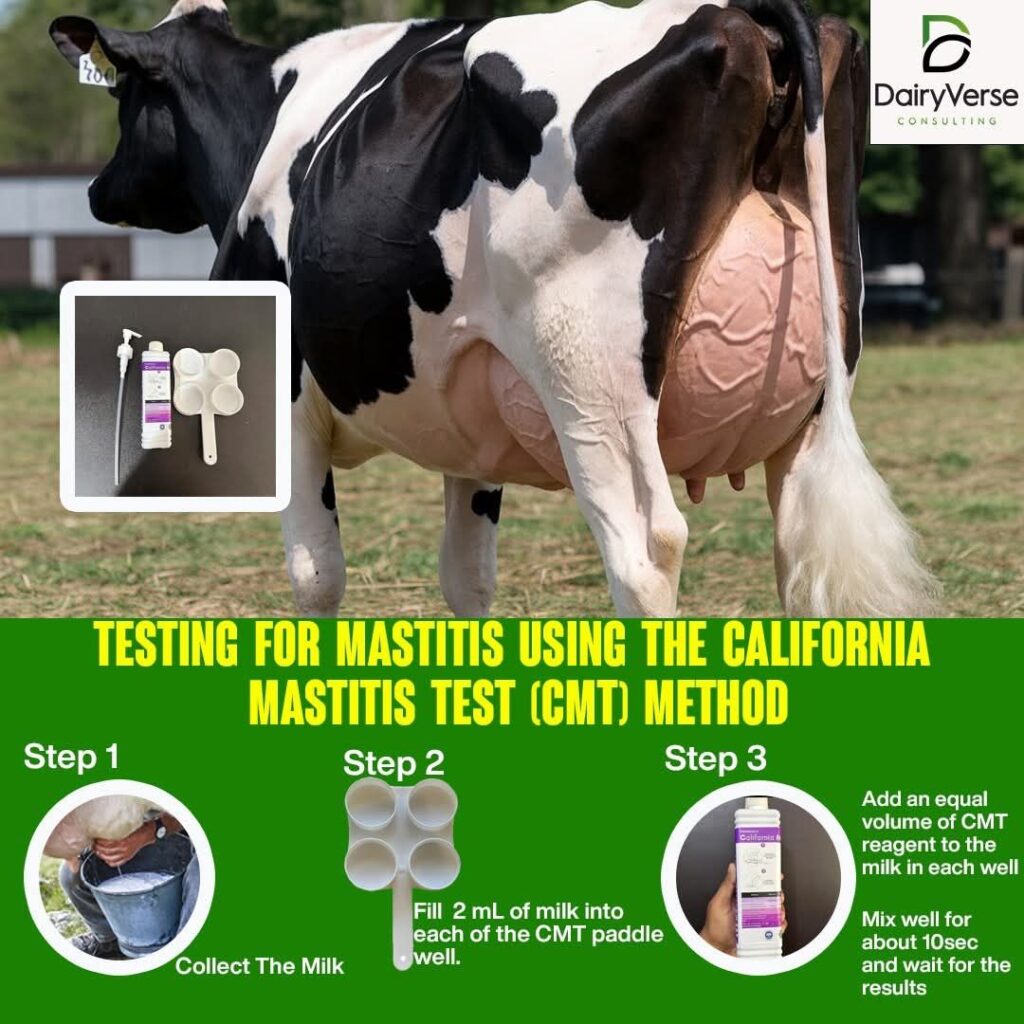
The test requires a CMT paddle (a four-well plastic paddle), CMT reagent, and milk samples from each quarter of the udder.

Collect the Milk Samples
Clean the teats thoroughly with a sanitizing solution and dry with a clean towel.
Discard the first few streams of milk to remove contaminants from the teat canal.
Express about 2 mL of milk from each quarter into the corresponding well of the CMT paddle.

Add the CMT Reagent
Add an equal volume of CMT reagent to the milk in each well.
Swirl the paddle gently in a circular motion for about 10 seconds to mix the milk and reagent.

Observe the Reaction
Look for changes in the consistency of the mixture.
The presence of somatic cells will cause the milk to form a gel-like substance.

Interpreting the Results
The CMT reaction is graded based on the degree of gel formation:
Negative (-): No reaction; milk remains liquid.
Trace (T): Slight thickening; subclinical mastitis may be present.
Weak Positive (+): Gel formation; infection likely.
Strong Positive (++/+++): Thick gel or clumps; indicates high somatic cell count and likely infection.

Tips for Accurate Testing
Use a clean paddle and fresh reagent for every test.
Test milk at body temperature for consistent results.
Follow up positive tests with laboratory cultures for pathogen identification and treatment planning.

Post-Test Actions
For Positive Results: Consult a veterinarian for treatment recommendations, including antibiotics or alternative therapies. Isolate infected cows to prevent spreading the infection.
For Negative Results: Maintain good milking hygiene and udder health practices to prevent future infections.

The California Mastitis Test is an invaluable tool for dairy farmers to detect mastitis early and maintain herd health. Regular testing, combined with proper hygiene and management, can significantly reduce mastitis cases, improving milk quality and boosting farm profitability. By integrating the CMT method into your herd management routine, you ensure healthier cows and a more productive dairy operation.

Remember: Healthy udders produce healthy milk, so invest in testing for the best outcomes!