Teat Warts in Dairy Cows: Causes, Treatment, and Prevention

Introduction

Teat warts, also known as bovine papillomatosis, are a common issue in dairy cows. These wart-like growths can cause discomfort during milking and may lead to secondary infections if not managed properly. This article will explore the causes, symptoms, treatment options, and preventive measures for teat warts in dairy cattle.
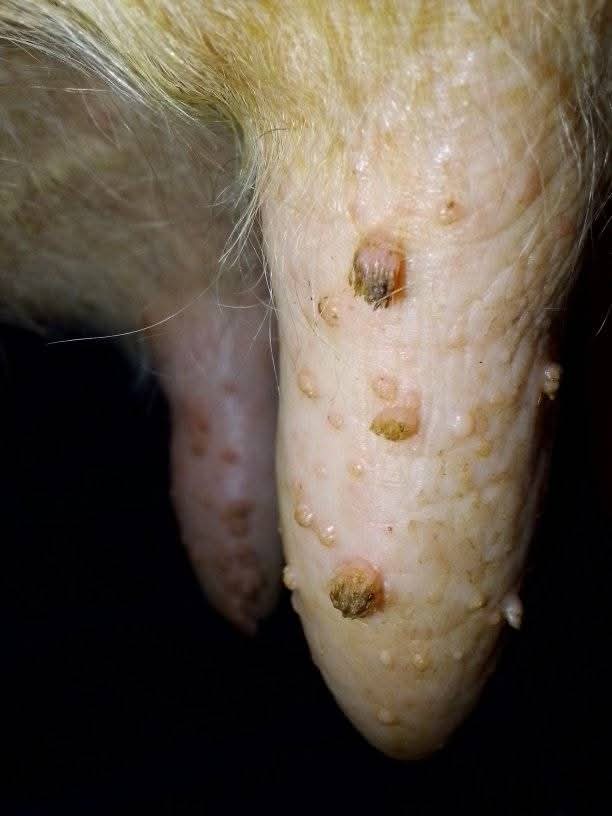
What Are Teat Warts?

Teat warts are benign growths that appear on the teats of dairy cows due to an infection with the bovine papillomavirus (BPV). These warts can vary in size and texture, often forming rough, raised, or cauliflower-like lesions. While teat warts are generally not life-threatening, they can interfere with milking, cause discomfort, and lead to secondary bacterial infections if not managed properly.

Causes of Teat Warts

Teat warts are caused by the bovine papillomavirus (BPV), which spreads through direct contact with infected cows, contaminated milking equipment, or unclean hands. Factors that can contribute to the development of teat warts include:

  • Poor milking hygiene – Contaminated hands or milking equipment can introduce the virus.
  • Skin trauma – Small cuts or abrasions on the teats increase susceptibility to infection.
  • Weakened immunity – Cows with poor nutrition or stress are more prone to infections.
  • Hot water exposure – Using excessively warm water for washing can damage the skin barrier.

Symptoms of Teat Warts

Teat warts appear as:

  • Rough, raised, or cauliflower-like lesions on the teats.
  • Small to large wart clusters that may spread over time.
  • Mild to severe discomfort during milking.
  • Possible secondary bacterial infections if warts become damaged or ulcerated.

Treatment and Management of Teat Warts

Although teat warts may resolve on their own, treatment can help manage the condition and reduce discomfort. Some effective treatment options include:

1. Improving Milking Hygiene

  • Always clean and disinfect hands before milking.
  • Use sanitized milking equipment to prevent cross-contamination.
  • Apply a teat disinfectant spray or dip after each milking session.

3. Boosting the Cow’s Immunity

  • Ensure a balanced diet rich in essential vitamins, especially Vitamin A and E.
  • Provide proper mineral supplementation to maintain skin health.
  • Reduce stress levels by maintaining a clean and comfortable environment for the cows.
  • Enhance udder health and facilitate quick recovery with Dairyverse products like TranzPro—scientifically formulated to support dairy productivity and animal well-being.

4. Veterinary Intervention

  • In severe cases, a veterinarian may recommend cryotherapy (freezing the warts) or surgical removal.
  • Some farms use autogenous vaccines, which are made from the cow’s own warts to help build immunity.

Prevention Strategies

Preventing teat warts is crucial to maintaining a healthy herd. The following steps can help reduce the risk:

  • Regularly clean and disinfect milking areas and equipment.
  • Use disposable gloves when milking infected cows to prevent the spread of the virus.
  • Isolate new cows before introducing them to the herd to prevent infections.
  • Avoid excessive hot water use on teats, as it may weaken the skin barrier.
  • Regularly inspect cows for early signs of warts to begin treatment promptly.

Conclusion

Teat warts in dairy cows, while common, can be effectively managed with proper hygiene, topical treatments, and immune support. By implementing preventive measures and seeking veterinary care when necessary, farmers can minimize the impact of bovine papillomatosis and ensure the well-being of their dairy cows. If a cow shows persistent or worsening symptoms, consulting a veterinarian is highly recommended.


Best Practices in Concentrate Feeding for Dairy Cows

Proper concentrate feeding is crucial in dairy farming, as it directly impacts milk production, cow health, and overall farm profitability. Concentrates provide essential nutrients that forage alone may not supply in sufficient quantities. Below are the best practices to ensure optimal results in dairy cow concentrate feeding.


1. Understanding Concentrate Feeds

Concentrates are high-energy feeds that provide essential nutrients like carbohydrates, proteins, fats, vitamins, and minerals. They are typically classified into:

  • Energy concentrates – e.g., maize, wheat bran, molasses
  • Protein concentrates – e.g., soybean meal, cottonseed cake
  • Mineral and vitamin supplements – e.g., calcium, phosphorus, salt

2. Assessing Nutritional Requirements

The concentrate requirements depend on factors such as:

  • Milk production level – High-yielding cows require more concentrates.
  • Body weight – Larger cows need more energy.
  • Stage of lactation – Early lactation demands more nutrients to sustain milk production.
  • Health status – Sick or recovering cows may require specific nutrients.

A balanced ration should meet the cow’s energy, protein, and mineral needs while avoiding deficiencies or excesses.


3. Balancing Forage and Concentrates

  • Forage (pasture, silage, hay) should be the foundation of a dairy cow’s diet.
  • Concentrates should complement forage, not replace it.
  • An ideal ratio is 60-70% forage and 30-40% concentrate in a total mixed ration (TMR).
  • Overfeeding concentrates can cause acidosis, laminitis, and reduced rumen function.

4. Feed Quality and Processing

  • Use high-quality grains and oilseeds free from toxins, molds, and contaminants.
  • Processing (e.g., grinding, pelleting, or flaking) enhances digestibility and nutrient absorption.
  • Avoid finely ground grains as they can increase rumen acidity.

5. Gradual Introduction and Consistent Feeding

  • Introduce concentrate feeds gradually over 7–10 days to prevent digestive upsets.
  • Maintain a consistent feeding schedule to avoid stress and milk fluctuations.
  • Split concentrates into 2-3 feedings per day to reduce the risk of rumen disorders.

6. Avoiding Overfeeding and Underfeeding

  • Overfeeding can lead to metabolic disorders, excessive weight gain, and low fertility.
  • Underfeeding results in low milk production and poor body condition.
  • Adjust feeding based on milk yield, weight changes, and feed intake patterns.

7. Ensuring Proper Protein and Energy Balance

  • Dairy cows require 16-18% crude protein in their diet.
  • Energy-rich feeds (e.g., maize) should be paired with fiber sources to maintain rumen health.
  • Excess protein can lead to high ammonia levels, affecting fertility.

8. Providing Essential Minerals and Vitamins

  • Calcium and phosphorus – Essential for milk production and bone strength.
  • Magnesium – Prevents grass tetany.
  • Sodium and chloride – Regulate body functions.
  • Vitamins A, D, and E – Support immune function and reproduction.
  • Offer mineral licks or supplement minerals in concentrates.

9. Monitoring and Adjusting Feed Based on Performance

  • Observe milk yield, body condition, and manure consistency.
  • Conduct regular feed analysis to check nutrient composition.
  • Adjust feeding as needed, especially in response to seasonal changes.

10. Water Availability

  • Cows require 60-120 liters of water daily, depending on milk yield.
  • Fresh, clean water enhances feed digestion and milk production.
  • Position water troughs close to feeding areas for easy access.

Conclusion

Proper concentrate feeding plays a vital role in optimizing milk production, maintaining cow health, and improving farm profitability. By balancing forage with quality concentrates, monitoring cow performance, and providing essential nutrients, dairy farmers can maximize efficiency and sustainability in dairy production.

By implementing these best practices, farmers can achieve higher milk yields, better cow health, and improved farm efficiency while minimizing the risk of metabolic disorders.


Sudden Death in Cattle: Causes and Prevention

Introduction

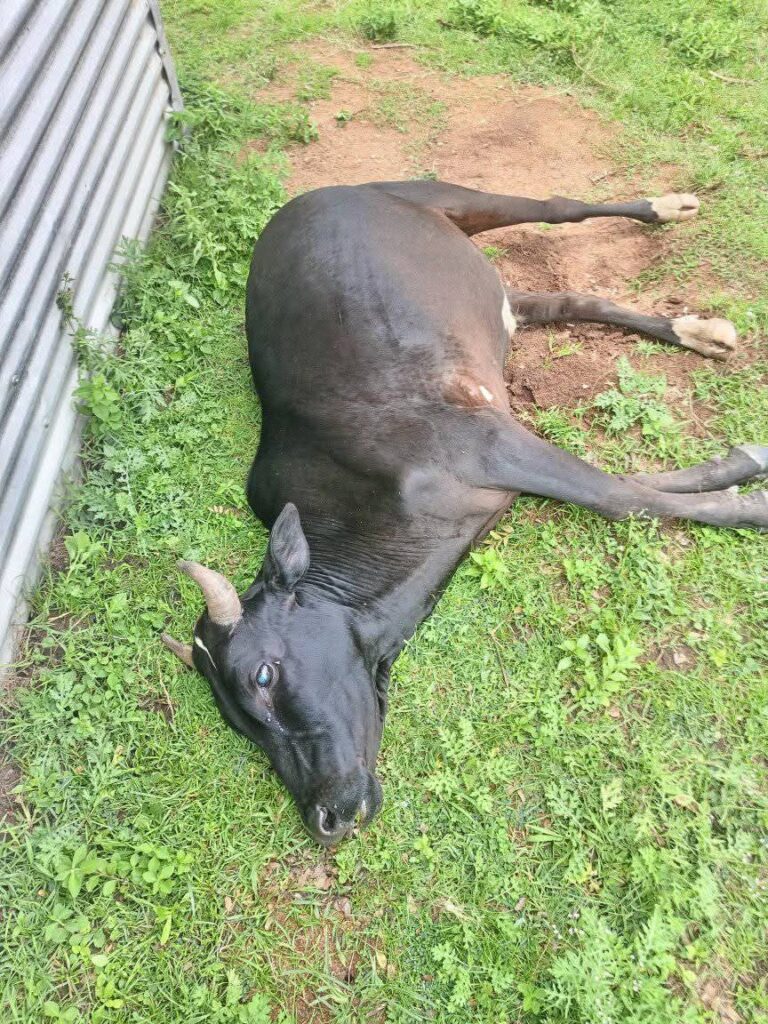
Imagine waking up one morning and finding your cow lying lifeless on the ground. The cow you have raised with care, fed with the best feed, and nurtured with the hope that she will bring you profit and sustain your farm. The loss is not just emotional but also financial, leaving you with unanswered questions—what went wrong? Understanding the possible causes of sudden cattle deaths and preventive measures can help farmers mitigate such losses.

Possible Causes of Sudden Death in Cattle

1. Toxicity and Poisoning

  • Plant Poisoning: Certain toxic plants, such as oleander, nightshade, or wild cherry leaves, can be lethal if ingested.
  • Chemical Poisoning: Accidental ingestion of pesticides, herbicides, or contaminated water can result in sudden death.
  • Nitrate Poisoning: Consumption of high-nitrate forages, such as certain grasses or silage, can cause fatal toxicity.

2. Metabolic Disorders

  • Bloat: A sudden accumulation of gas in the stomach, especially from consuming lush pasture, can cause suffocation and death.
  • Milk Fever (Hypocalcemia): Common in dairy cows, a sudden drop in calcium levels can lead to heart failure.
  • Grass Tetany: A magnesium deficiency in lactating cows can cause sudden collapse and death.

3. Infectious Diseases

  • Anthrax: A deadly bacterial disease that causes sudden bleeding and rapid death.
  • Blackleg: Caused by Clostridium chauvoei, this bacterial infection affects the muscles and leads to sudden death.
  • Botulism: Caused by ingesting spoiled feed or carcass-contaminated fodder, botulism affects the nervous system and can be fatal.
  • Leptospirosis: A bacterial infection that can cause sudden organ failure.

4. Heart and Respiratory Conditions

  • Heart Failure: Heat stress, poor genetics, or underlying conditions can trigger sudden cardiac arrest.
  • Respiratory Distress: Severe pneumonia or inhaling toxins like ammonia from unclean sheds can cause sudden collapse.

5. Trauma and Accidents

  • Lightning Strikes: If a cow is struck by lightning, especially in open fields, it can die instantly.
  • Falls or Head Injuries: Slipping or hitting an object forcefully can cause fatal trauma.
  • Predator Attacks: In some cases, wild animals or aggressive dogs can fatally injure a cow.

What to Do When a Cow Dies Suddenly

  1. Inspect the Environment: Check for signs of poisoning, spoiled feed, or unusual objects around the area.
  2. Look for Symptoms: If possible, examine the cow for bloating, external injuries, or signs of bleeding.
  3. Contact a Veterinarian: A post-mortem examination can help determine the cause and prevent future losses.
  4. Proper Disposal: Dispose of the carcass safely to prevent disease spread.

Preventive Measures

  • Regular Health Checks: Ensure cows receive vaccinations and routine veterinary care.
  • Proper Nutrition: Provide balanced diets, especially for lactating and pregnant cows.
  • Secure the Environment: Avoid access to toxic plants, chemicals, or contaminated water.
  • Monitor for Early Signs: Observe cattle behavior for signs of distress, weakness, or illness.

Conclusion

While sudden cattle deaths can be distressing, identifying the cause is crucial for preventing future occurrences. Farmers should maintain good management practices, work closely with veterinarians, and ensure a safe environment for their livestock. By implementing preventive measures, farmers can reduce the risk of unexpected losses and safeguard their herds.


Dairymeal Making: A Guide to Nutritious and Cost-Effective Feed for Dairy Cows

Introduction

Dairy farming requires careful attention to animal nutrition to ensure high milk production and overall herd health. Dairymeal, a formulated livestock feed, plays a crucial role in providing essential nutrients to dairy cows. Making your own dairy meal can be cost-effective and allow for quality control, ensuring that your cows get the best nutrition.

Importance of Dairymeal in Dairy Farming

Dairymeal is a high-energy and protein-rich feed that supplements roughages like hay, silage, and fresh fodder. It helps in:

  • Enhancing milk yield and quality
  • Improving animal health and reproductive efficiency
  • Reducing feeding costs compared to commercial feeds
  • Providing a balanced nutrient intake

Key Ingredients for Dairymeal

A well-balanced dairy meal contains carbohydrates, proteins, fats, vitamins, and minerals. Here are the main ingredients:

1. Energy Sources

  • Maize germ
  • Wheat bran
  • Pollard
  • Molasses (for palatability and energy boost)

2. Protein Sources

  • Sunflower cake
  • Cottonseed cake
  • Soya meal
  • Cotton cake
  • Lucerne

3. Minerals and Vitamins

  • Di-calcium phosphate (DCP) or bone meal (for calcium and phosphorus)
  • Cattle salt (for sodium)
  • Premixes (vitamins and trace minerals)

4. Fats and Oils

  • Vegetable oils (enhances energy levels)

Dairymeal Formulation

Ingredient Quantity (kg)
Maize germ 30
Wheat bran 7.5
Pollard 5
Sunflower cake 10
Soya Roasted 5
Cotton cake 5
Brown lime & DCP 3 (1.5 Kg each)
Cattle salt 2
Yeast Powder 3
©Dairyverse

Steps in Dairymeal Production

  1. Sourcing Ingredients: Ensure high-quality raw materials free from contaminants.
  2. Weighing and Mixing: Measure each ingredient accurately and mix thoroughly.
  3. Storage: Store in a dry, well-ventilated area to prevent mold growth.
  4. Feeding: Introduce gradually to avoid digestive upsets.

Feeding Guidelines

  • High-yielding cows require 2-3 kg of dairy meal per day per 5 liters of milk produced.
  • Always provide clean water and roughages alongside dairy meal.

Conclusion

Making dairy meal at home is an excellent way for dairy farmers to control feed quality while reducing costs. By using the right ingredients and formulation techniques, farmers can boost milk production and ensure the well-being of their dairy herd.


Feeding Guidelines for Silage: A Comprehensive Guide

Silage is an essential feed source for livestock, offering a cost-effective and nutritious alternative during periods of feed scarcity. Made from fermented green forage crops such as maize, sorghum, or grass, silage provides a rich source of energy, fiber, and essential nutrients for animals. To maximize its benefits and ensure the health and productivity of your livestock, it’s crucial to follow proper feeding guidelines. Below is a detailed guide on feeding silage to your animals effectively.


1. Understand Your Livestock’s Nutritional Needs

Different animals have varying nutritional requirements depending on their age, stage of production, and purpose. For example:

  • Dairy cows need silage high in energy to support milk production.
  • Beef cattle benefit from silage for weight gain.
  • Goats and sheep require a smaller amount of silage with a balance of forage and concentrate feeds.
  • Growing calves need silage as part of a diet supplemented with protein-rich feeds.

Understanding these needs will help you determine the quantity and quality of silage to feed.


2. Harvest and Store Silage Correctly

The nutritional quality of silage depends on how well it is harvested and stored. Poorly prepared silage can lead to nutrient loss and even health issues for livestock. Follow these tips:

  • Harvest at the Right Stage: For maize silage, harvest when the dry matter content is between 30-35%. For grasses, cut before flowering.
  • Ensure Proper Packing: Compress silage tightly in a silo or trench to remove air and promote anaerobic fermentation.
  • Cover Properly: Use plastic sheeting to prevent air and water infiltration, which can cause spoilage.

3. Introduce Silage Gradually

When transitioning animals to silage, introduce it gradually to avoid digestive problems:

  • Start Small: Feed small amounts of silage mixed with regular feed for the first 5-7 days.
  • Monitor Health: Watch for any signs of digestive upset, such as diarrhea or reduced appetite.
  • Increase Slowly: Gradually increase the proportion of silage in the diet until it makes up the desired percentage.

4. Feed the Right Amount

The amount of silage to feed depends on the type of livestock and their production goals. Here are general guidelines:

  • Dairy Cows: 25-40 kg per cow per day.
  • Beef Cattle: 20-30 kg per animal per day.
  • Sheep and Goats: 2-5 kg per animal per day.
  • Growing Calves: 10-15 kg per calf per day. Adjust these amounts based on body weight, forage quality, and the availability of supplementary feeds.

5. Combine Silage with Other Feeds

Silage alone may not meet all the nutritional requirements of livestock. It’s important to supplement it with:

  • Protein Sources: Legume hay, soybean meal, or cottonseed cake.
  • Minerals: Provide mineral blocks or fortified feed supplements.
  • Energy Feeds: Grains or molasses for high-energy diets.

A balanced diet ensures optimal growth, reproduction, and productivity.


6. Avoid Feeding Spoiled Silage

Spoiled silage can harm livestock, leading to reduced performance and health issues. Signs of spoiled silage include:

  • A foul smell.
  • Visible mold or discoloration.
  • Slimy or excessively wet texture. Always discard spoiled silage and ensure fresh feed is provided daily.

7. Feed at the Right Time

Feed silage at consistent times each day to maintain a routine. This helps optimize digestion and reduces stress in livestock. Ensure feed is evenly distributed and easily accessible to all animals.


8. Monitor Animal Performance

Regularly assess the performance and health of your livestock:

  • Milk Production: Monitor milk yield in dairy cows to gauge the effectiveness of the silage diet.
  • Weight Gain: For beef cattle, track weight gain to ensure the diet meets growth targets.
  • Behavior and Appetite: Healthy animals will have a good appetite and exhibit normal behavior.

If performance is not as expected, consider adjusting the silage quality or supplementing the diet.


9. Ensure Clean Water Availability

Silage is relatively dry compared to fresh forage, so animals will need access to clean drinking water at all times to aid digestion and prevent dehydration.


10. Work with a Nutritionist

If you’re unsure about formulating a balanced diet, consult an animal nutritionist. They can help analyze the silage quality and design a feeding program tailored to your livestock’s needs.


Conclusion

Silage is an excellent feed source for livestock when fed correctly. By following these guidelines, you can ensure that your animals receive the nutrition they need for optimal health and productivity. Proper preparation, storage, and feeding practices will maximize the value of your silage, making it a sustainable and efficient choice for your farm.

For more tips on livestock feeding and farm management, stay tuned to our resources!


Silage Making: A Comprehensive Guide to Quality Silage Preparation and Feeding

Silage is an essential component in the diet of livestock, especially during the lean seasons when fresh forage is scarce. It is a form of preserved green fodder that is highly palatable and nutritious for animals. Silage preparation, when done correctly, ensures that the forage retains its nutritional value and is easily digestible. This article explores the qualities of good silage, the process of fermentation, and the preparation steps for creating high-quality silage.

Qualities of Good Silage

Good silage exhibits several characteristics that ensure its quality. It should be:

  • Color and Appearance: High-quality silage is typically golden yellow or greenish yellow in color. It should be bright, moist, and have a pleasant aroma.
  • Airtight Sealing: After the silo is opened for use, it should be immediately sealed airtight to preserve its quality and prevent spoilage.
  • Daily Feeding: Once opened, the silage should be removed and fed to livestock on a daily basis until it is finished to maintain freshness and nutritional value.

When Is Silage Ready for Livestock Feeding?

The time it takes for silage to be ready for feeding varies, but generally, after one and a half to two months of fermentation, the silage is considered ready. During this fermentation period:

  • Fermentation Process: Enzymes and bacteria work to break down the materials, producing organic acids like lactic acid, acetic acid, and butyric acid. This process ensures that the silage is preserved and safe for consumption by livestock.
  • pH Adjustment: The pH of the silage should drop to around 4.0, which is an ideal level for lactic acid fermentation.
  • Aerobic Conditions: To avoid undesirable fermentation (such as butyric acid formation), silage should be stored under anaerobic conditions to ensure it stays preserved for longer periods.

Steps in the Preparation of Good Silage

The preparation of silage involves several key steps, all aimed at ensuring the end product is of high quality. These steps include:

  1. Crop Selection: Cereal crops, such as sorghum and maize, are suitable for silage-making. These crops should be cut at the 50% flowering stage and harvested about 45-50 days after the previous cut.
  2. Moisture Content: The harvested material should have a moisture content of 60-65%. This ensures the right balance for fermentation.
  3. Chopping: The material should be thoroughly chopped into small bits (1-2 cm) to increase the surface area for fermentation.
  4. Additives: Additives like urea or molasses can be added to encourage lactic acid fermentation and to discourage the growth of undesirable microorganisms.
  5. Airtight Storage: The silage should be packed into silos in uniform layers and sealed tightly to eliminate air. This is crucial for the anaerobic fermentation process.
  6. Sealing the Silo: To maintain anaerobic conditions, the silo should be sealed using materials like plastic sheets, mud, and dung. The sealing process should be done carefully to prevent air from getting inside the silo.

Silage Preservation

The process of conserving green fodder in its green form under anaerobic conditions is known as ensiling. The device used for silage preservation is called a silo. Silos can be constructed using a variety of materials, including brick, cement, or even stainless steel. Alternatively, pits can be dug in the ground and lined with cow dung and clay or cement mortar.

Conclusion

Silage is a valuable resource in the management of livestock, providing a reliable feed source during off-seasons. Proper preparation, including fermentation control, moisture balance, and airtight storage, is crucial to ensuring that the silage remains nutritious and safe for livestock consumption. By following the steps outlined above, farmers can produce high-quality silage that supports the health and productivity of their animals.


Stages of Pregnancy in Cows: A Guide to Successful Calving

Understanding the stages of pregnancy in cows is crucial for dairy farmers to ensure optimal cow health and productivity. A cow’s gestation lasts approximately 280 days, divided into several stages:

1. Early Pregnancy (0–80 days)

  • Development: Fertilization and initial embryonic development occur. The embryo is very delicate, and stress or poor nutrition can lead to pregnancy loss.
  • Focus: Adequate nutrition and stress management are critical during this stage.

2. Mid-Pregnancy (80–150 days)

  • Development: The fetus begins to grow rapidly, with visible physical structures forming.
  • Focus: Ensure a balanced diet rich in energy, protein, and minerals to support the growing fetus.

3. Late Pregnancy (150–240 days)

  • Development: The fetus grows to nearly full size, and the cow prepares for calving. This is a critical period for both the cow and the calf.
  • Focus: Special care should be taken to prepare the cow’s body for calving and lactation.

Critical Stages in Cow Pregnancy

The late pregnancy stage is particularly critical as it directly affects calving success and post-calving milk production. Proper management and nutrition during this period can minimize complications such as retained afterbirth or metabolic disorders.

Common Challenges:

  1. Retained Placenta: Poor nutrition or stress increases the risk.
  2. Decreased Appetite: This can lead to nutrient deficiencies during early lactation.
  3. Milk Fever: A calcium imbalance during calving.

Importance of Steaming Up in Late Pregnancy

“Steaming up” refers to the practice of providing pregnant cows with enhanced nutrition during the final weeks before calving. This prepares their bodies for the demands of lactation.

Introducing Tranzpro®: A Powerful Solution for Dairy Farmers

Tranzpro® is a scientifically formulated feed supplement designed to support dairy cows during this critical phase.

Benefits of Tranzpro®:

  1. Udder Health Improvement: Tranzpro® ensures optimal milk production by enhancing udder health.
  2. Risk Prevention: Reduces the likelihood of retained placenta, promoting the cow’s well-being.
  3. Appetite Boost: Helps cows maintain proper nutrition during early lactation when appetite often decreases.
  4. Peak Milk Production: Accelerates the journey to peak milk yield, benefiting both the cow and the operation.
  5. Recovery Support: Helps sick cows recover faster post-calving, thanks to its targeted nutritional support.

Usage Guidelines:

  • Start administering Tranzpro® 18 days before calving and continue for 36 days post-calving.
  • Dosage: 50 grams per day (approximately 2 tablespoons).

Conclusion

By understanding the stages of pregnancy and managing the critical late stage with the right nutritional strategies, dairy farmers can ensure healthy cows, successful calving, and peak milk production. Tranzpro® provides a reliable, science-backed solution to meet these goals, making it an essential addition to every dairy operation.


Understanding the Role of Trace Elements in Dairy Cows: Causes and Solutions for Deficiencies

In dairy farming, maintaining the health and productivity of cows is essential for both economic and animal welfare reasons. Among the many factors that influence a cow’s well-being, trace elements play a critical role in ensuring optimal growth, reproduction, and milk production. A deficiency in trace elements can lead to noticeable symptoms, including changes in coat color, reduced fertility, and compromised milk yield. This article explores the importance of trace elements, the signs of deficiencies, and practical solutions for addressing the issue.


What Are Trace Elements?

Trace elements are essential minerals required in small amounts to support various physiological functions in dairy cows. These include:

  1. Copper (Cu): Important for coat color, enzyme function, and immune response.
  2. Selenium (Se): Vital for antioxidant activity and preventing oxidative stress.
  3. Zinc (Zn): Plays a key role in skin health, reproduction, and immune system function.
  4. Iron (Fe): Essential for oxygen transport in the blood.
  5. Cobalt (Co): Necessary for vitamin B12 synthesis, which supports energy metabolism.

Despite being required in small quantities, these trace elements have a significant impact on a cow’s health, productivity, and appearance.


Signs of Trace Element Deficiencies in Dairy Cows

When dairy cows lack adequate levels of trace elements, it often manifests in various physical and physiological symptoms. Common signs include:

  1. Changes in Coat Color and Texture:

    • A copper deficiency may result in faded or brownish coats, especially in black-colored breeds.
    • The hair may also appear dull and lose its natural shine.

  2. Reduced Milk Production:

    • Cows with selenium or zinc deficiencies often show a decline in milk yield due to compromised health and metabolic functions.

  3. Lower Fertility Rates:

    • A lack of essential trace elements can cause reproductive challenges such as irregular estrus cycles, low conception rates, or stillbirths.

  4. Weakened Immune System:

    • Cows with inadequate selenium or zinc are more susceptible to infections and diseases, leading to increased veterinary costs.

  5. Growth Retardation:

    • Young calves may experience stunted growth or poor weight gain if their diets lack sufficient trace elements.


Causes of Trace Element Deficiencies

Deficiencies in trace elements can result from various factors, including:

  1. Poor Quality Feed:

    • Feed grown in mineral-deficient soils may lack the necessary trace elements.

  2. Inadequate Supplementation:

    • Many dairy farms fail to provide appropriate mineral supplements in the form of blocks, loose minerals, or fortified feed.

  3. Antagonistic Minerals:

    • Excessive levels of certain minerals, such as molybdenum or sulfur, can interfere with the absorption of copper and other trace elements.

  4. High-Producing Cows:

    • High-yielding dairy cows have greater nutritional demands and are more prone to deficiencies if not properly managed.


Addressing Trace Element Deficiencies

Addressing trace element deficiencies requires a multi-faceted approach. Here are the steps farmers can take:

  1. Testing and Diagnosis:

    • Consult a veterinarian or livestock nutritionist to perform blood tests or forage analyses to identify specific deficiencies.

  2. Supplementation Programs:

    • Provide mineral supplements tailored to the herd’s needs. Options include:

      • Mineral blocks or licks.
      • Injectable trace mineral supplements.
      • Fortified feed or concentrate.

  3. Improved Feed Quality:

    • Ensure that forage and feed are sourced from areas with sufficient soil mineral content or are supplemented appropriately.

  4. Fertility+ ®:

    • Fertility+ ® addresses reproductive challenges, including delayed and silent heat, dystocia (difficult labor), and retained afterbirth.
    • It guarantees improved fertility and conception rates in heifers. Apart from assisting in conception rates, it also improves the body condition and appetite.

  5. Regular Monitoring:

    • Implement routine checks to ensure cows maintain adequate mineral levels throughout their productive life cycle.

  6. Avoiding Antagonistic Elements:

    • Monitor and manage feed for excessive levels of molybdenum, sulfur, or other elements that hinder mineral absorption.


Conclusion

Trace elements are a small but vital component of a dairy cow’s diet. Deficiencies can result in visible symptoms, such as a change in coat color, and serious production losses due to compromised health and performance. By understanding the role of trace elements and taking proactive steps to ensure proper supplementation, dairy farmers can enhance the productivity and welfare of their herds. Investing in appropriate testing, supplementation, and feed management will not only prevent deficiencies but also improve overall herd health, translating to better economic outcomes for the farm.


Why Does Your Calf Have an Unhealthy Big Belly?

A calf with a big belly may develop this condition due to several factors. These can range from normal growth and dietary changes to potential health issues. Here are some common reasons and considerations:

1. Poor Feed Quality or Overeating

  • Low-Quality Forage: If calves consume fibrous or indigestible feeds that are not well-suited for their digestive systems, it can result in an enlarged belly due to gas buildup or undigested material.
  • Overfeeding: Overeating grain or milk can lead to a distended stomach, especially if the calf isn’t transitioning gradually to solid feed.

2. Parasitic Infestation

  • Intestinal parasites like worms can cause bloating or a pot-bellied appearance. This is particularly common if deworming protocols are not followed. Parasites interfere with digestion and nutrient absorption.

3. Rumen Development Issues

  • If calves are introduced to solid feeds too quickly without proper milk and starter feed balance, the rumen may not develop correctly. This can result in poor digestion and a swollen appearance.

4. Bloat (Tympany)

  • Bloat occurs when gas accumulates in the rumen, usually because of consuming feeds that are too fermentable (e.g., legumes or grains) or due to blockages in the digestive tract. The big belly in such cases will feel tight and bloated.

5. Illness or Infection

  • Conditions like calf scours (diarrhea) can sometimes cause temporary bloating due to dehydration and electrolyte imbalances.
  • Pneumonia or general infections may also indirectly result in a swollen belly due to weakness and reduced movement impacting digestion.

6. Malabsorption or Malnutrition

  • If the calf lacks proper nutrition or is fed an imbalanced diet, it can develop a pot-bellied look, often accompanied by poor coat quality and reduced growth rates.

7. Hernias or Abnormalities

  • Abdominal wall defects, hernias, or congenital issues might cause a bulging or distended appearance.

Solutions and Prevention:

Ndamaplus®, a high-quality product designed to enhance dairy calf growth and development:

  1. Promotes Weight Gain

    • Ndamaplus® supports average daily weight gain in calves, ensuring healthy growth.

  2. Counters Stunted Growth

    • By providing essential nutrients, Ndamaplus® helps prevent stunted growth in young calves.

  3. Reduces Post-Weaning Stress

    • The product minimizes stress during the critical post-weaning period, supporting calf health.

  4. Boosts Immunity

    • Ndamaplus® enhances the calf’s immune system, safeguarding against diseases.

  5. Facilitates Timely Heat Onset

    • Ensuring a smooth transition to adulthood, Ndamaplus® promotes timely heat cycles in heifers.

Additionally:

  • Optimize Nutrition: Offer clean drinking water and age-appropriate feeds to complement Ndamaplus®.
  • Deworm Regularly: Work with your veterinarian for a suitable schedule to counter parasitic infestations.
  • Prevent Bloat: Avoid excessive feeding of fermentable feeds and ensure consistent feeding times.
  • Regular Health Monitoring: Keep an eye on physical and behavioral signs of illness or stress for timely intervention.

By incorporating Ndamaplus® into your feeding regimen and maintaining proper management practices, calves can achieve optimal growth and development.


Causes of Adult Cow Mortalities, Key Areas to Focus On and Practical Solutions

The health and productivity of dairy cows are essential for a thriving operation. By addressing the key causes of adult cow mortalities, farmers can mitigate losses and improve overall herd performance. Below are four critical areas to focus on:


1. Nutritional/Metabolic Disorders

Cows with poor nutrition or metabolic imbalances are prone to conditions like ketosis, milk fever, and displaced abomasum. These issues lead to decreased productivity and higher mortality rates.

  • Solution: Incorporate Booster+®, a high-protein and energy-rich supplement that improves metabolic processes, boosts milk yield, and enhances body condition. It is particularly effective in helping previously ill cows recover and countering delayed heat onset in milking cows.

2. Infectious Diseases

Infections like mastitis and pneumonia remain a leading cause of cow fatalities. These diseases can spread rapidly within herds, especially under poor hygiene or stressful conditions.

  • Solution: Focus on early diagnosis and preventive care to reduce the impact of infections. Nutritional support, such as Tranzpro®, can improve recovery for sick cows while enhancing appetite and supporting peak milk production.

3. Notifiable Diseases

Diseases such as Foot-and-Mouth Disease (FMD) and Bovine Tuberculosis require immediate action due to their contagious and regulatory implications. Herd management and vaccinations are crucial in preventing outbreaks.

  • Solution: Proactive monitoring and supplementation can support cows’ overall resilience. Tranzpro® is particularly effective in minimizing risks during transitions, such as calving, and accelerating recovery.

4. Physical Injuries

Handling errors, accidents, or rough environments often result in physical injuries, which, if left untreated, can lead to infections or premature culling.

  • Solution: Prevention is key. Ensuring a safe environment and proper handling can minimize injuries, while targeted nutritional solutions can aid recovery for affected cows.

Enhance Herd Productivity with Targeted Solutions

Products like Booster+® and Tranzpro® are designed to address key challenges faced by dairy cows:

  • Booster+®: Enhances metabolism, increases milk yield, supports recovery, and improves body condition.
  • Tranzpro®: Promotes udder health, prevents complications like retained afterbirth, enhances appetite, and accelerates peak milk production.

By focusing on these critical areas and incorporating tailored solutions where necessary, you can ensure the health and productivity of your herd.