Address
304 North Cardinal
St. Dorchester Center, MA 02124
Work Hours
Monday to Friday: 7AM - 7PM
Weekend: 10AM - 5PM
Address
304 North Cardinal
St. Dorchester Center, MA 02124
Work Hours
Monday to Friday: 7AM - 7PM
Weekend: 10AM - 5PM
Selecting the optimal dairy cow breed is crucial for the success of small-scale dairy farming, especially in Kenya's diverse climatic regions. The choice of breed significantly influences milk production, adaptability, and overall farm profitability.
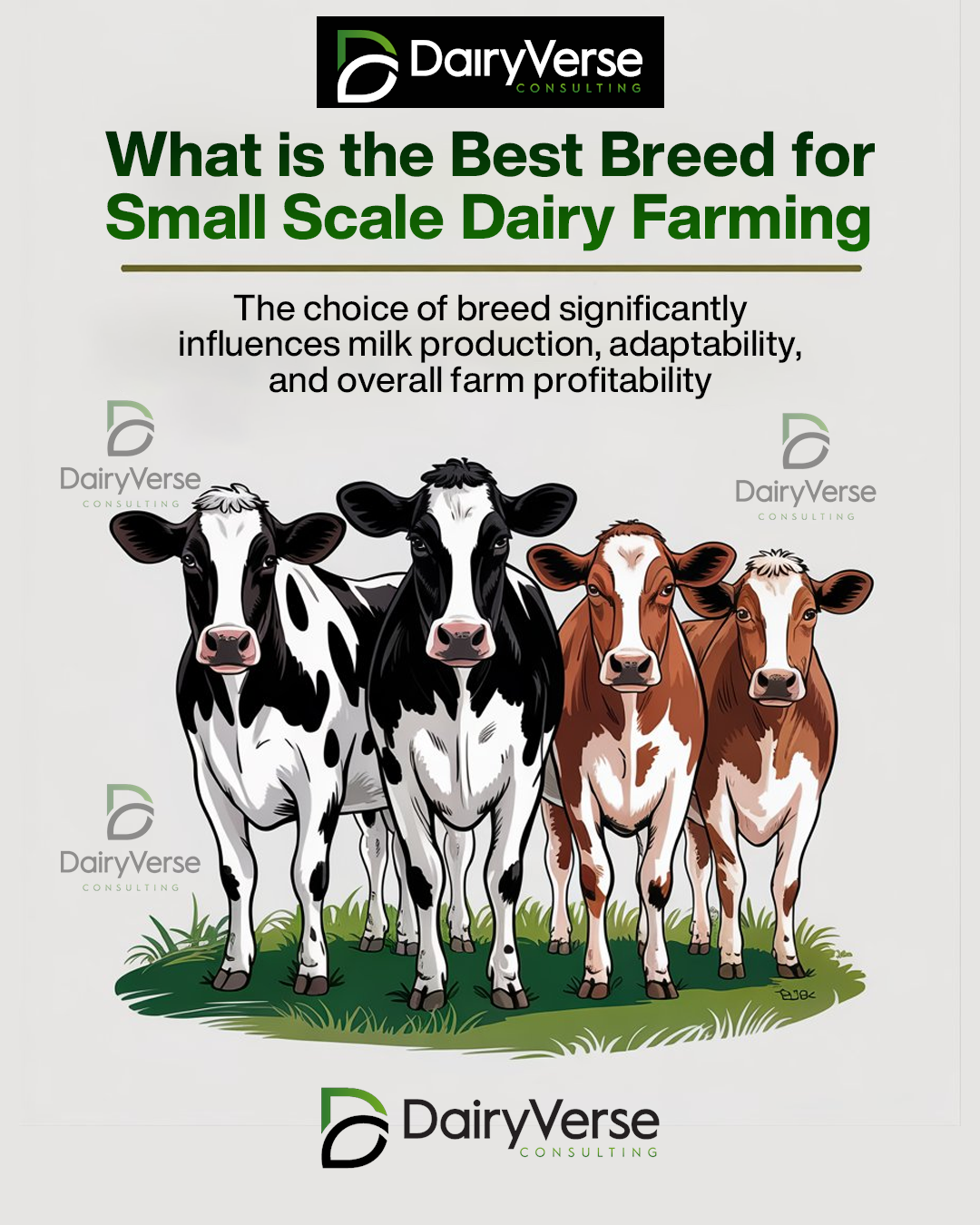
Selecting the optimal dairy cow breed is crucial for the success of small-scale dairy farming, especially in Kenya’s diverse climatic regions. The choice of breed significantly influences milk production, adaptability, and overall farm profitability. Here’s an overview of the most suitable dairy breeds for small-scale farmers in Kenya
1. Jersey Cows
Jersey cows are renowned for their high butterfat content, making their milk ideal for butter and cheese production. They are smaller in size, with mature females weighing between 250-350 kg, which translates to lower feed requirements—a significant advantage for farmers with limited resources. Jerseys are also known for their early maturity, high fertility rates, and adaptability to various climatic conditions, including warmer regions. Their docile nature and efficient feed conversion make them particularly suitable for small-scale operations.
2. Guernsey Cows
Guernsey cows produce milk with a distinctive golden color, attributed to high beta-carotene levels, and have commendable butterfat content (4.5-5%). They are medium-sized, with mature females weighing around 320-500 kg, and are known for their efficient feed conversion and docile temperament. Guernseys adapt well to various climates and can be managed effectively in both pasture-based and zero-grazing systems, making them a viable option for small-scale farmers.
3. Ayrshire Cows
Ayrshires are medium-sized cows, with mature females weighing between 380-500 kg, known for their balanced milk production and adaptability. They produce milk with moderate butterfat content (approximately 4%) and are efficient converters of forage into milk. Ayrshires are hardy and can thrive in various climatic conditions, making them suitable for different regions in Kenya. Their strong legs and feet make them ideal for both zero-grazing and pasture-based systems.
4. Friesian (Holstein-Friesian) Cows
Friesians are the largest dairy breed, with mature females weighing between 400-600 kg, and are renowned for their high milk production. However, they have higher feed requirements and are less heat-tolerant compared to other breeds. Friesians are best suited for cooler regions with ample feed resources. Their adaptability to various farming systems, including zero-grazing and pasture-based systems, makes them a popular choice among farmers who can meet their management needs.
5. Crossbreeds
Crossbreeding combines the desirable traits of different breeds, such as the high milk production of Friesians with the heat tolerance and disease resistance of local breeds like the Sahiwal or Boran. Crossbreeds often exhibit improved fertility, longevity, and adaptability to local conditions, making them a practical choice for small-scale farmers operating in challenging environments.
Considerations for Breed Selection
When selecting a dairy breed for small-scale farming, consider the following factors:
Engaging with local agricultural extension officers and experienced farmers can provide valuable insights into the breeds that perform best in your specific area. Ultimately, the ideal breed should align with your farm’s environmental conditions, resource availability, and production goals.