Address
304 North Cardinal
St. Dorchester Center, MA 02124
Work Hours
Monday to Friday: 7AM - 7PM
Weekend: 10AM - 5PM
Address
304 North Cardinal
St. Dorchester Center, MA 02124
Work Hours
Monday to Friday: 7AM - 7PM
Weekend: 10AM - 5PM
Summer mastitis is a seasonal and costly condition affecting dairy and beef cows, particularly during the warm months.
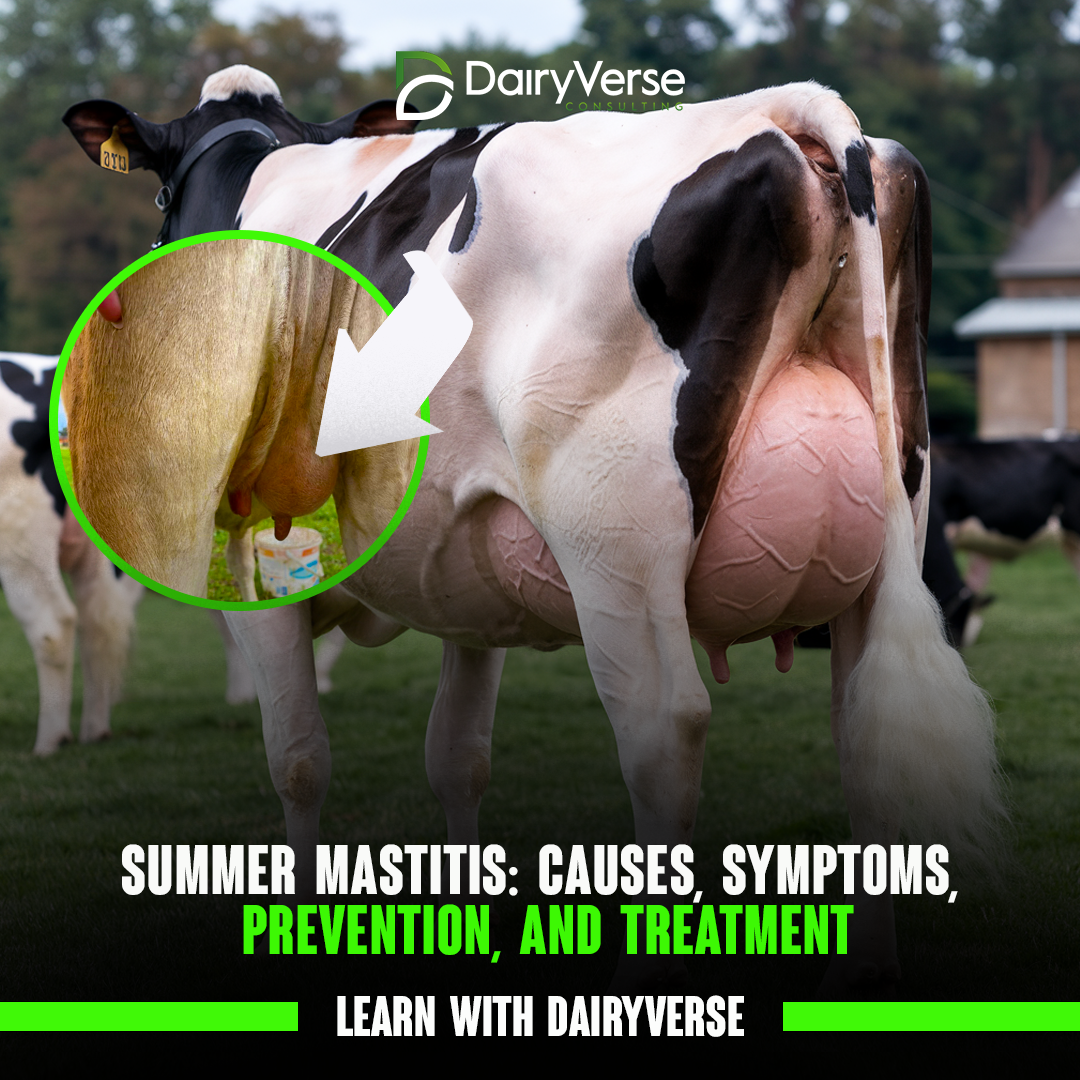
Summer mastitis is a seasonal and costly condition affecting dairy and beef cows, particularly during the warm months. This disease primarily impacts dry cows, heifers, and occasionally calves and bulls, making awareness crucial for livestock management.
Summer mastitis is a bacterial infection of the udder caused by a combination of microorganisms, including Arcanobacterium pyogenes, Peptococcus indolicus, and Streptococcus dysgalactiae. Unlike traditional mastitis, this condition often arises in non-lactating cows during the summer months, making it a unique challenge for dairy farmers.
The infection typically spreads through flies, which act as vectors for the bacteria. Factors that heighten the risk include:
Recognizing symptoms early is critical for effective management. Common signs include:
Prevention is better than cure, especially for summer mastitis. Employ these strategies:
If summer mastitis occurs, prompt treatment is essential:
Summer mastitis poses a significant threat to cattle welfare and farm productivity, but it is preventable through vigilant management. Controlling flies, maintaining hygiene, and early intervention can drastically reduce the prevalence and impact of this disease. By taking proactive steps, dairy and beef farmers can ensure their herds remain healthy during the summer months.