Address
304 North Cardinal
St. Dorchester Center, MA 02124
Work Hours
Monday to Friday: 7AM - 7PM
Weekend: 10AM - 5PM
Address
304 North Cardinal
St. Dorchester Center, MA 02124
Work Hours
Monday to Friday: 7AM - 7PM
Weekend: 10AM - 5PM
Black Quarter (BQ), also known as Blackleg, is one of the most devastating diseases that can affect cattle. Caused by the bacterium Clostridium chauvoei, this disease is often fatal and requires immediate attention. Understanding its causes, symptoms, prevention, and treatment is essential for cattle farmers to protect their herds.
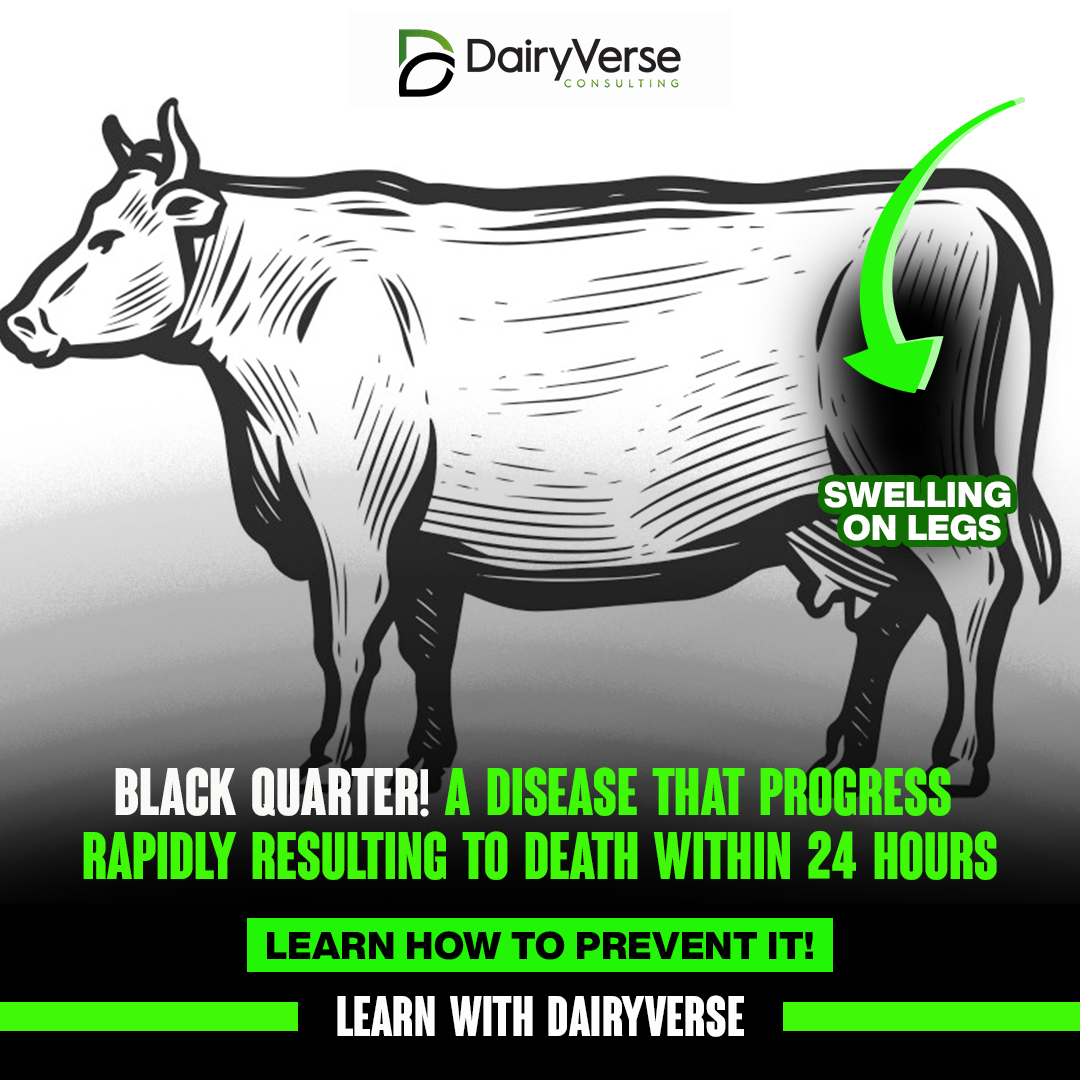
Black Quarter (BQ), also known as Blackleg, is one of the most devastating diseases that can affect cattle. Caused by the bacterium Clostridium chauvoei, this disease is often fatal and requires immediate attention. Understanding its causes, symptoms, prevention, and treatment is essential for cattle farmers to protect their herds.

Black Quarter is caused by Clostridium chauvoei, a spore-forming bacterium found in soil and the gastrointestinal tract of healthy animals. The spores can remain dormant in the environment for years and are activated under certain conditions, such as trauma or injury to muscle tissue.
The disease typically occurs in well-fed, healthy cattle between six months and two years of age, as they are more active and prone to injuries, which can create an entry point for the bacteria.
The disease spreads through:
The symptoms of Black Quarter can progress rapidly, with the disease often resulting in death within 24 hours. Common signs include:
In most cases, animals are found dead without showing noticeable symptoms, making prevention crucial.
Prevention is the most effective way to manage Black Quarter:
Treatment is only effective if administered very early. The following steps can help:
Unfortunately, due to the rapid progression of the disease, treatment is often unsuccessful, and the focus should remain on prevention.
Black Quarter is a deadly disease that can wreak havoc on cattle herds. Its swift progression highlights the importance of prevention through regular vaccination, good management practices, and immediate response to any signs of illness. By staying vigilant, farmers can significantly reduce the risk of losing livestock to this preventable disease.